
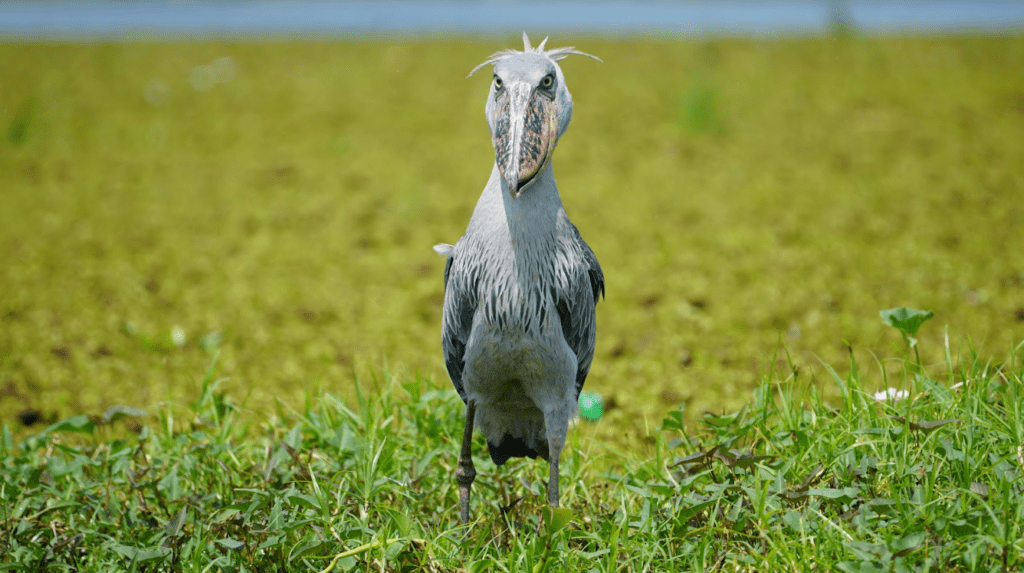
First Time Self Drive Safari in Uganda: My Honest, Unfiltered Story
I won’t lie, when I first told my friends I was planning a first time self drive safari in Uganda, a few of them thought I’d lost my mind. “You’re going to drive yourself through African bush?” one of them said, half laughing. But here’s the thing, that trip turned out to be one of the most freeing, jaw-dropping, and unexpectedly hilarious adventures of my life.
No tour bus. No fixed itinerary. Just me, a sturdy 4×4, a downloaded offline map, and the open roads of Uganda stretching out ahead of me. If you’re thinking about planning your own first time self drive safari, this article is everything I wish someone had told me before I turned that key and drove out of Kampala.
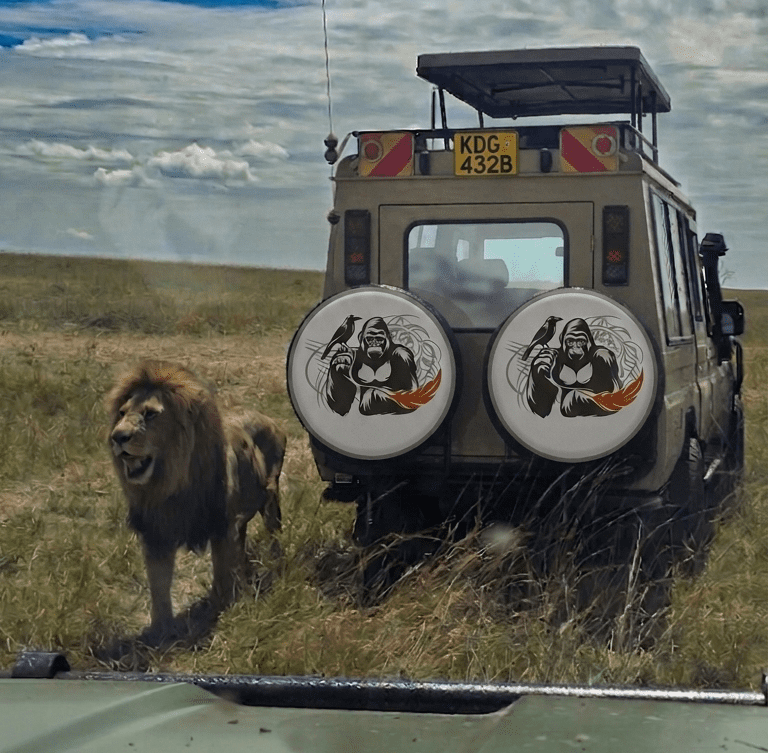
Why I Chose a First Time Self Drive Safari in Uganda
I’d been on group safaris before , the kind where you sit in a crowded Land Cruiser and the guide points out a distant lion while seventeen cameras click at once. Don’t get me wrong, they’re great. But I wanted something different. I wanted to stop when I felt like it, stay as long as I pleased, and genuinely feel like I was part of the landscape, not just passing through it.
Uganda felt like the perfect place for a self drive safari adventure. It’s compact enough to navigate without feeling overwhelmed, the roads, while adventurous, are mostly manageable, and the wildlife and scenery are absolutely world-class. Plus, compared to Kenya or Tanzania, Uganda felt refreshingly off the tourist trail.
After hours of research, I found Feather Trail Safaris, a Uganda-based operator that helped me plan the whole thing, vehicle rental, route suggestions, park permits, and even some reassuring advice about driving in Uganda. They were brilliant. More on them at the end.
Preparing for My Uganda Self Drive Adventure
Preparation is everything on a self drive safari in Uganda, especially if it’s your first time. I spent about three weeks getting everything sorted, and even then there were things I wasn’t ready for (but that’s part of the fun, honestly).
Choosing the Right Vehicle
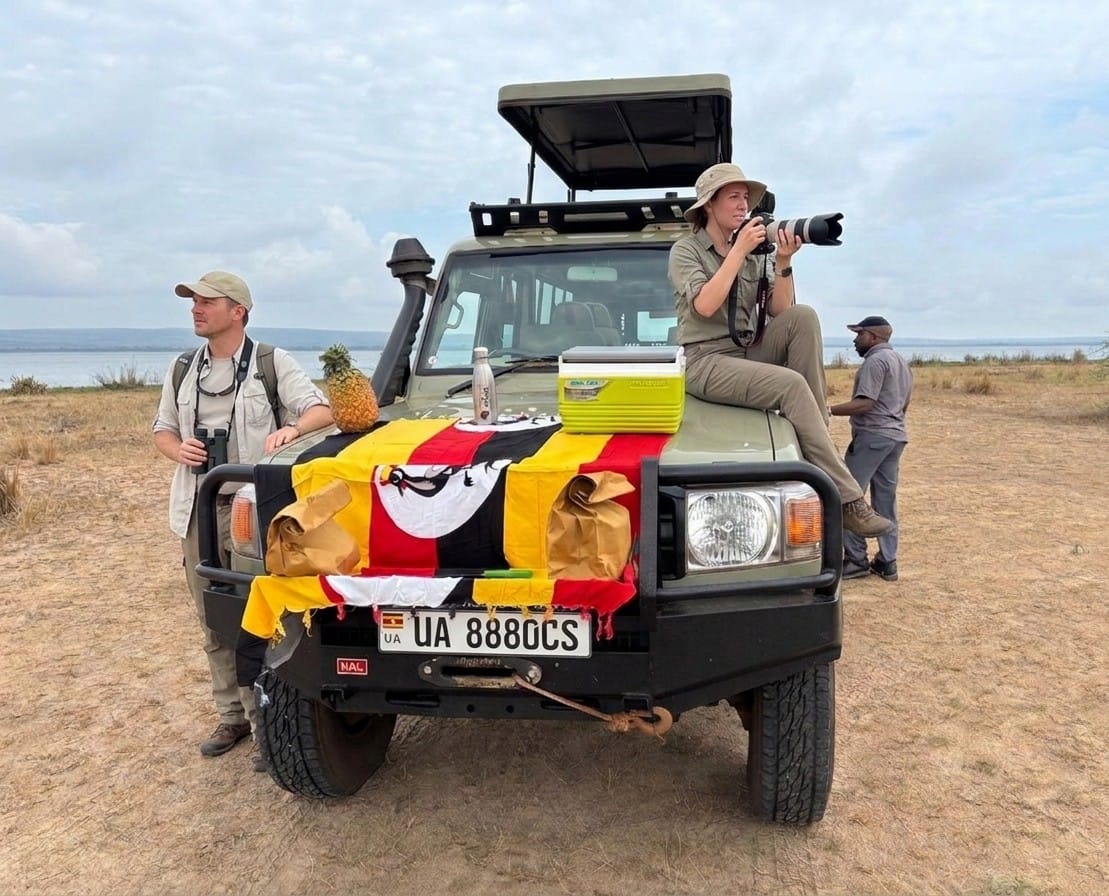
This was the single most important decision I made. A regular saloon car would have been absolutely useless on Uganda’s rural roads. I went with a 4×4 Land Cruiser from Feather Trail Safaris, high clearance, rooftop tent, and a fridge that kept my Stoney cold even in the midday heat.
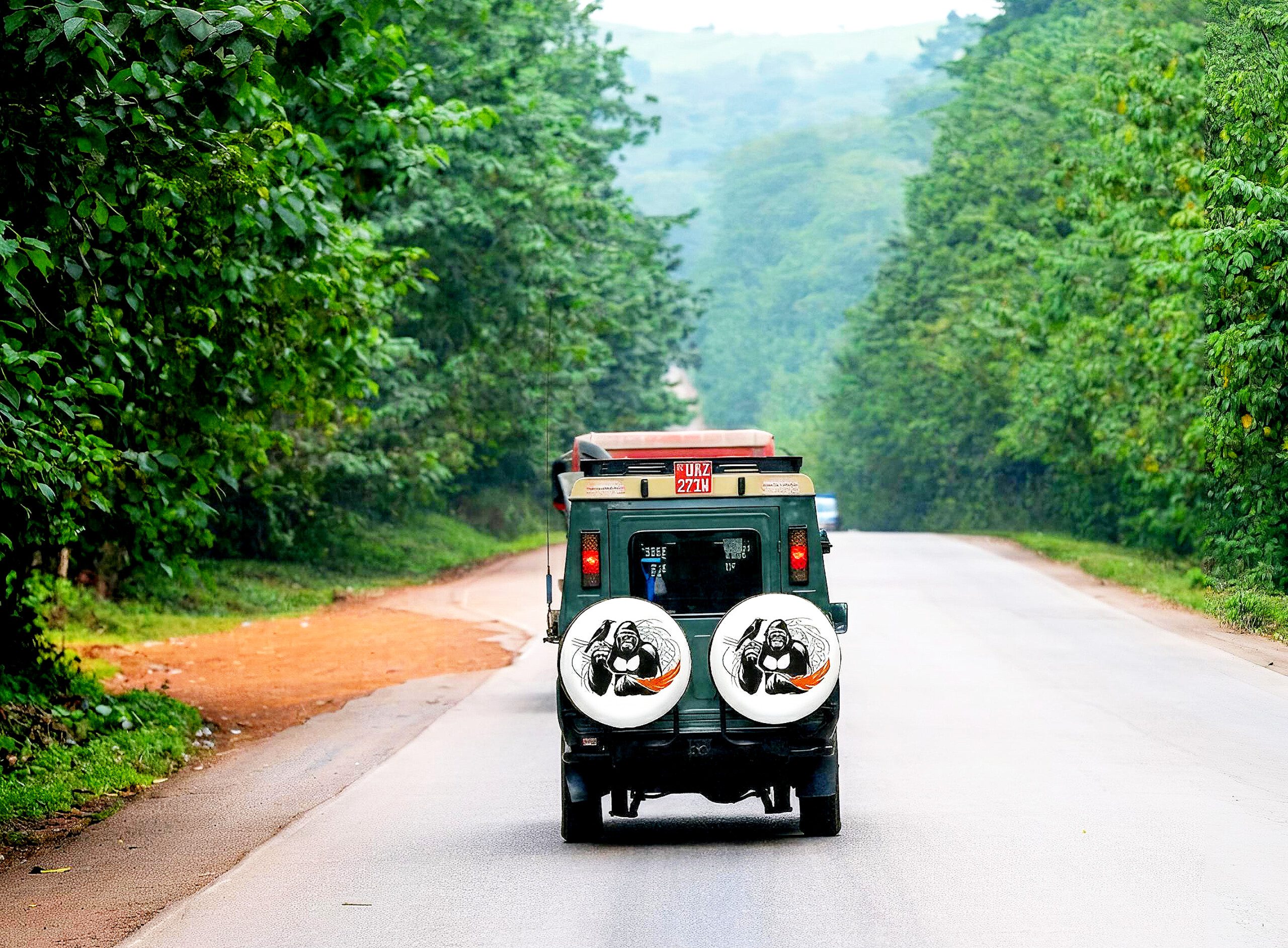
If you’re looking at 4×4 car rental Uganda options, make sure the vehicle has:
- A high-clearance 4WD system (not just AWD)
- A roof rack or rooftop tent for bush camping
- A working spare tyre, ideally two
- Jerry cans for extra fuel
- A quality map or GPS preloaded with Uganda roads
- A first aid kit and basic recovery gear
Planning the Route
I decided on a classic loop that covered Uganda’s most iconic national parks, from Kampala northwest to Murchison Falls, then south to Queen Elizabeth, and finally east to Bwindi Impenetrable National Park, with a detour to Lake Bunyonyi on the way back. 14 days in total.
Feather Trail Safaris helped me with route planning, and their advice was invaluable. They told me which roads to avoid during rainy season, where the reliable fuel stations were, and which park gates close at specific times.
Best National Parks for a First Time Self Drive Safari in Uganda
Uganda is blessed, seriously, embarrassingly blessed, with incredible national parks. Here are the ones I’d recommend for any first time self drive safari traveller.
Murchison Falls National Park
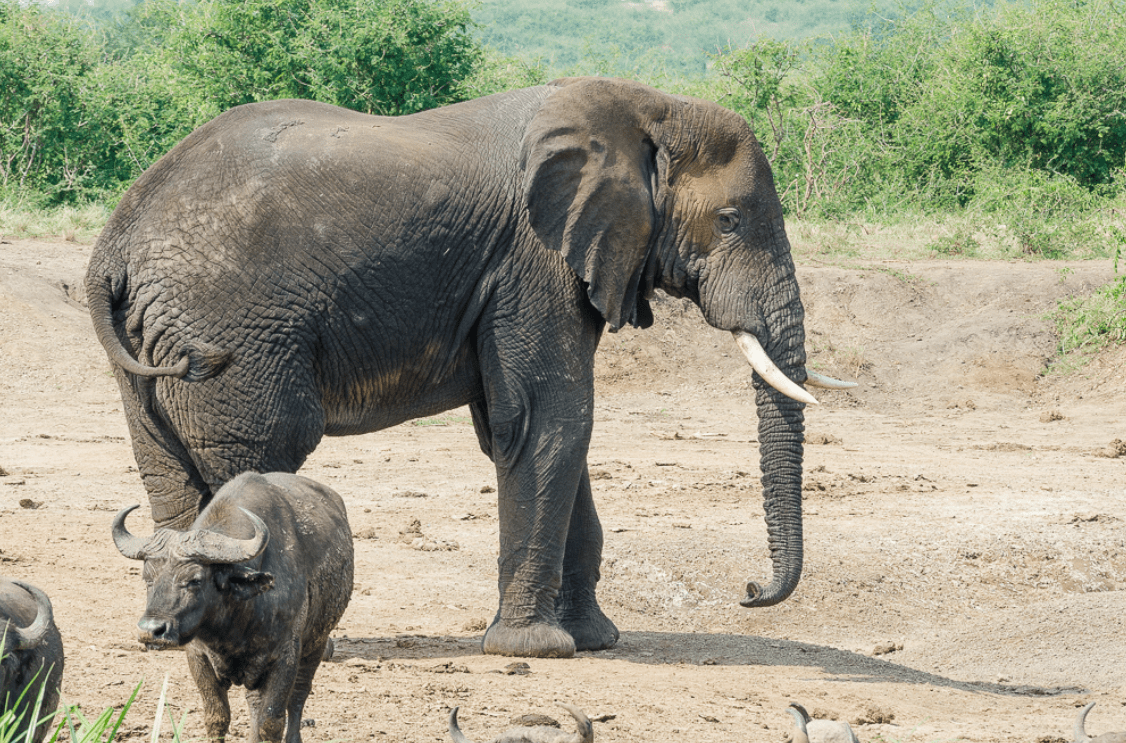
This was my first stop, and it set the bar impossibly high. Murchison is Uganda’s largest national park and home to the dramatic Murchison Falls — where the Nile squeezes through a narrow gorge and explodes into mist. I saw elephants within two hours of entering the park. Actual elephants, just 30 metres from the road, completely unbothered by my presence.

The self drive game viewing tracks here are well-marked and accessible even in a single vehicle. I found the northern bank to have the best wildlife concentration. Lions, giraffes, hippos, buffalo, the works.
Queen Elizabeth National Park
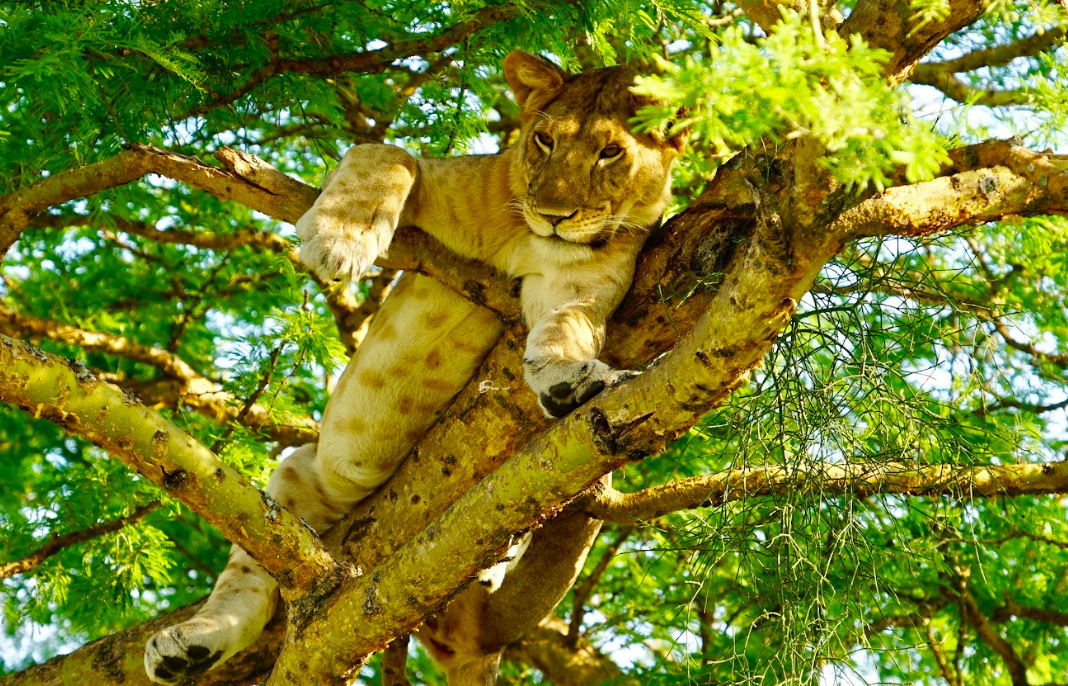
Queen Elizabeth National Park was where things got properly wild , in the best possible way. The famous tree-climbing lions of Ishasha are here, and yes, I found them lounging in a fig tree like they owned the place (they do). The Kazinga Channel boat cruise is also a must — I booked it ahead of time on Feather Trail Safaris’ advice.
The roads in the park vary wildly. Some are smooth laterite tracks, others are deeply rutted after rain. My 4×4 handled it all, but I was extremely grateful for that high clearance.
Bwindi Impenetrable National Park — Gorilla Trekking by Self Drive
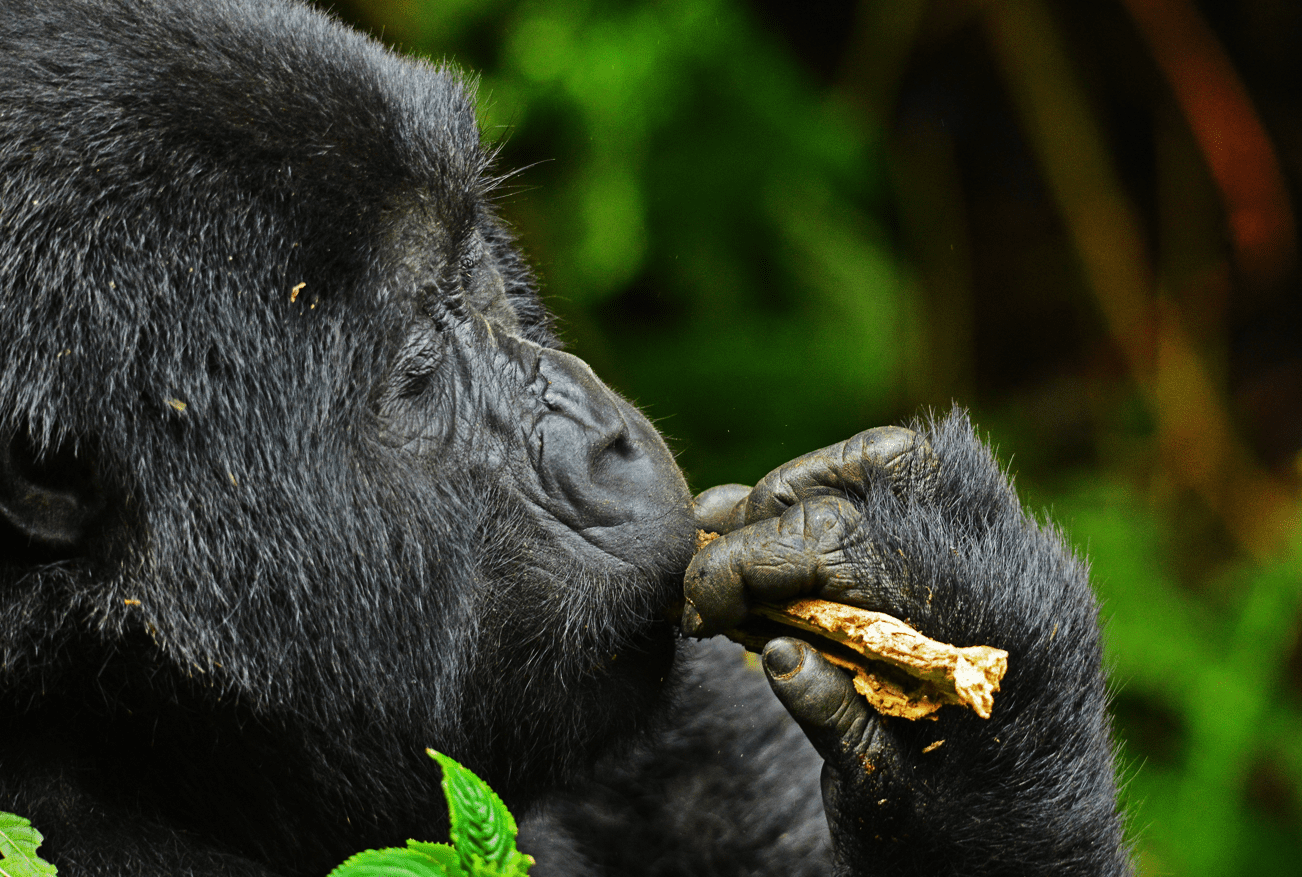
Nothing, and I mean nothing, prepares you for gorilla trekking. Not the photos, not the documentaries. When you’re crouched in dense jungle vegetation and a 200kg silverback walks within arm’s reach, your brain sort of short-circuits.
Getting to Bwindi on a gorilla trekking self drive safari is an adventure in itself. The road from Kabale climbs steeply into the mountains — misty, beautiful, and occasionally terrifying. I gripped the steering wheel through several hairpin bends. But arriving at the forest edge, knowing I’d driven myself there, felt extraordinary.
Lake Bunyonyi — The Unexpected Favourite
I almost skipped Lake Bunyonyi to save time. That would have been a catastrophic mistake. This crater lake, studded with 29 islands and ringed by terraced hills, is one of the most serene places I’ve ever visited. I spent two nights here, paddled a dugout canoe between islands, and ate fresh tilapia while the sun set over the water. Perfection.
What Driving in Uganda is Really Like
Let me be honest with you: driving in Uganda is not like driving in Europe or North America. But it’s also not the terrifying ordeal some people imagine. Here’s what I actually encountered.
Road Conditions
The main tarmac roads, like the Kampala–Masaka highway or the road to Mbarara, are generally good. Construction zones can slow you down, but nothing unmanageable. The real challenge comes on unpaved murram roads inside and between parks, especially after rain. Deep ruts, muddy sections, and the occasional dramatic river crossing are part of the experience.
Navigation
Mobile data is surprisingly good in Uganda’s urban areas. In rural areas and parks, it drops off significantly. I used Google Maps downloaded offline before each leg of the journey, which worked reliably most of the time. A physical map as backup is still sensible.
Feather Trail Safaris gave me a laminated route card with key GPS coordinates, distances, and checkpoints. That card lived on my dashboard the entire trip.
Fuel Stations
In major towns, Kampala, Mbarara, Fort Portal, Kabale, fuel is widely available. Between parks, however, gaps can be significant. I learned to fill up whenever the gauge dropped below half, regardless of whether I ‘needed’ to. My jerry cans saved me once in Murchison when I miscalculated the distance between stations.
Safety on the Road
Uganda is, broadly speaking, a very welcoming and safe country for self drive travellers. The main risks are road-related — potholes, erratic boda boda (motorcycle taxi) behaviour, and the occasional livestock crossing. I drove slowly, especially at night (which I mostly avoided), and never encountered any security issues.
Mistakes I Made on My First Time Self Drive Safari
Consider this your free preview of the school of hard knocks, Uganda edition.
- Underestimating distances. Uganda looks compact on a map. It isn’t. Allow more time than you think you need.
- Skipping the park gate briefing. Each park has self drive rules and recommended routes. I ignored the briefing at first. Don’t do that.
- Not downloading offline maps in advance. I had half a day with no data and no downloaded map. Not fun.
- Driving after dark inside parks. I did this once. Never again. The roads are unmarked and animals move at night.
- Not budgeting for gorilla permits in advance. These must be booked months ahead. They cost USD 700 per person and sell out fast.
Essential Tips for First Time Self Drive Safari Travellers
Here’s what I wish someone had compiled for me before I left:
Before You Depart
- Book gorilla trekking permits months in advance through Uganda Wildlife Authority
- Get your International Driving Permit (IDP) sorted before leaving home
- Purchase comprehensive travel insurance that covers self-drive and off-road activity
- Download WhatsApp, it’s how most Ugandans communicate and your vehicle operator will use it
- Carry USD cash, many park fees and accommodations prefer or require it
On the Road
- Leave early, aim to be on the road by 6:30 AM for the best game viewing light and to avoid afternoon heat
- Keep a copy of your park permits, passport, and vehicle documents accessible at all times
- Greet people along the way, Ugandans are incredibly warm and a simple ‘Oli otya?’ (How are you?) goes a long way
- Stop at local markets for fruit, roasted groundnuts, and a sense of real Uganda life
- Don’t rush the Kazinga Channel cruise, it’s two hours well spent
Why Uganda Is Perfect for a First Time Self Drive Safari
Uganda gets called the ‘Pearl of Africa’ for good reason. Winston Churchill coined that phrase after visiting in 1907, and over a century later it still rings true.
For first time self drive safari travellers, Uganda offers something genuinely rare: world-class wildlife in an intimate, uncrowded setting. You won’t find the Serengeti-style traffic jams of vehicles around a single lion pride here. In Uganda, you might have an entire game track to yourself.
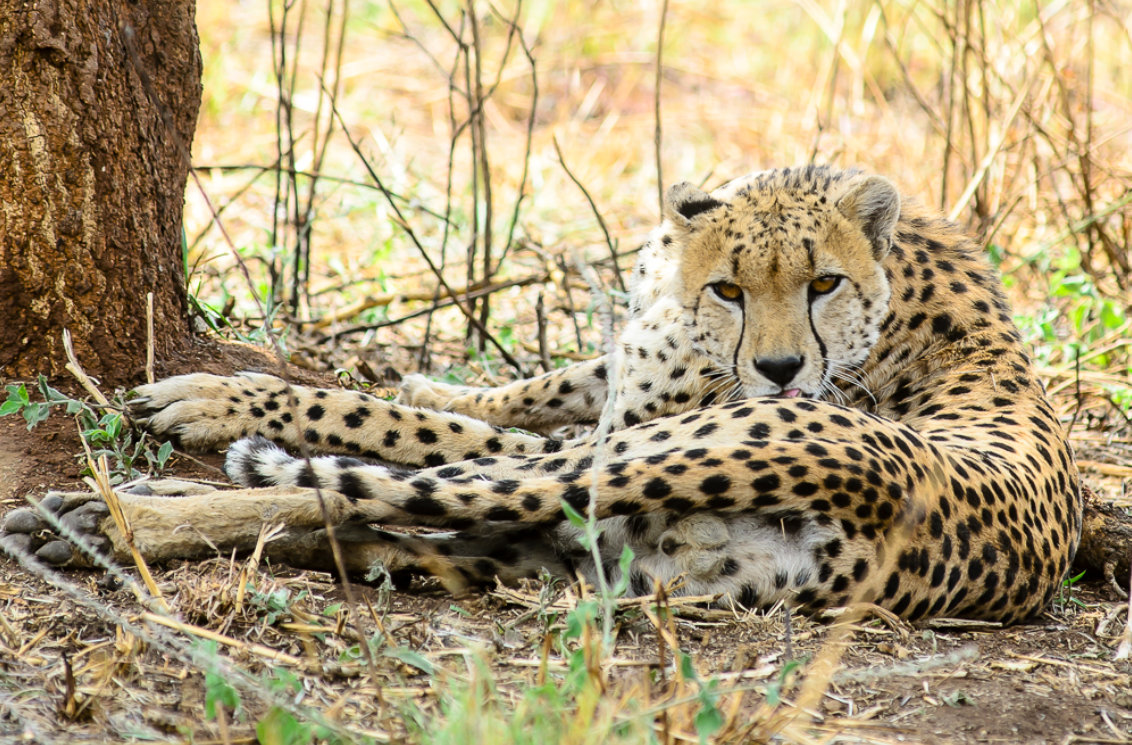
The Uganda self drive experience is also incredibly diverse. In a single trip you can witness chimpanzees in Kibale, tree-climbing lions in Ishasha, elephants at Murchison Falls, mountain gorillas at Bwindi, and flamingos at Lake Mburo — all while navigating your own route at your own pace.
And the people. Uganda’s warmth is genuine and disarming. I was waved at by children in every village I passed through. I was invited for tea by a roadside family near Fort Portal who wanted to know where I was from and whether I liked Ugandan food (I did — matooke with groundnut stew is magnificent). These encounters aren’t in any guidebook, and they only happen when you’re behind the wheel yourself.
Ready to Plan Your First Time Self Drive Safari in Uganda?
Planning a first time self drive safari in Uganda felt overwhelming at first. But within hours of hitting the road, those nerves dissolved completely into pure exhilaration.
This is a Uganda road trip that will genuinely change how you think about travel. It’s not always easy — the roads bite back sometimes, the distances are longer than they look, and there’s always something unexpected around the corner. But that’s exactly the point.
If you want to do this properly, with the right vehicle, solid route planning, and someone on the end of the phone when you hit an unexpected mud patch at dusk, get in touch with Feather Trail Safaris. They know Uganda’s roads and parks better than anyone, and they made my trip infinitely smoother without taking away any of the adventure.
Visit feathertrailsafaris.travel to plan your self drive Uganda adventure today.
Frequently Asked Questions
Is a self drive safari in Uganda safe for first timers?
Yes — Uganda is generally safe for self drive travellers. The key risks are road-related rather than security-related. Stick to daylight driving, use a reliable 4×4, carry offline maps and extra fuel, and follow park rules. Working with a reputable operator like Feather Trail Safaris for vehicle rental and route planning greatly reduces risk for first timers.
What type of car do I need for a self drive safari in Uganda?
A 4×4 vehicle with high ground clearance is essential, not optional. A standard saloon car will struggle badly on national park tracks and rural murram roads, especially after rain. Most travellers opt for a Toyota Land Cruiser or Land Cruiser Prado. Feather Trail Safaris offers a range of well-maintained 4×4 rentals suited for self drive Uganda safaris.
Do I need an International Driving Permit to drive in Uganda?
Yes. Uganda requires foreign drivers to hold a valid International Driving Permit (IDP) alongside their national driving licence. Obtain your IDP from your national motoring authority before you travel. Uganda drives on the left-hand side of the road.
How do I book gorilla trekking permits for a self drive safari?
Gorilla trekking permits for Bwindi Impenetrable National Park must be booked through the Uganda Wildlife Authority (UWA) or via an accredited operator like Feather Trail Safaris. Permits cost USD 700 per person per trek and must be arranged months in advance, especially for peak season (June–September and December–February). Do not leave this until the last minute.
How many days do I need for a self drive safari in Uganda?
A meaningful first time self drive safari in Uganda typically requires 10–14 days. This allows you to comfortably cover Murchison Falls, Queen Elizabeth, and Bwindi national parks, with time at Lake Bunyonyi or Lake Mburo. Rushing Uganda is a common mistake, the distances between parks are longer than they appear on a map. Talk to Safari Expert!