
How to Book Gorilla Permits for a Self Drive Safari in Uganda
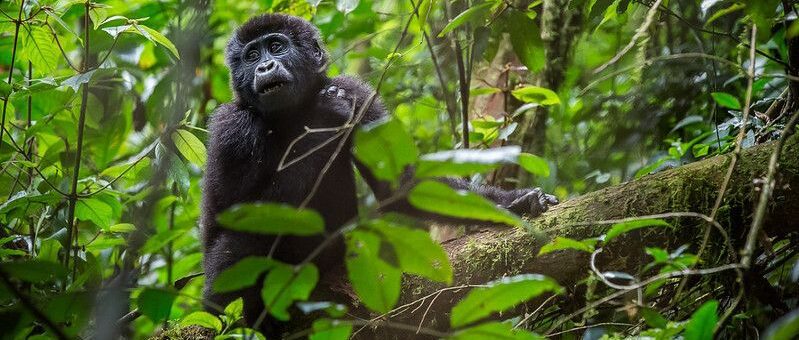
The mist hangs low over the emerald hills of Bwindi. Somewhere beneath that thick rainforest canopy, a silverback mountain gorilla is waking up, stretching his massive arms, and preparing for another day of leading his family. And you? You are sitting behind the wheel of your 4×4, having driven yourself through the winding roads of southwestern Uganda, about to fulfill a dream that feels almost impossible to put into words.
But before that magical morning arrives, there is one critical task that stands between you and those gorillas: securing your gorilla permits for a self drive safari in Uganda.
I have done this process myself, and I will be honest with you. It can feel nerve-wracking. Permits are limited, demand is high, and the rules change faster than the weather on a mountain slope. But with the right guidance, booking your permits becomes less of a headache and more of an exciting first step toward the adventure of a lifetime.
In this guide, I will walk you through everything you need to know. No fluff. No confusing jargon. Just real, practical advice from someone who has helped countless travelers turn their Uganda road trip into a gorilla trekking success story.

Why Gorilla Trekking in Uganda is Worth Every Shilling
Before we dive into the logistics of gorilla permits for a self drive safari in Uganda, let me remind you why you are doing this.
There are only three countries in the world where you can see mountain gorillas in the wild: Rwanda, the Democratic Republic of Congo, and Uganda. Among these, Uganda offers the most affordable permits and the highest number of habituated gorilla families.
Gorilla trekking in Uganda is not a zoo visit. It is a raw, humbling, physically demanding, and emotionally overwhelming experience.
When you finally lock eyes with a silverback, something shifts inside you. He is not performing, not posing for your camera. He is simply living, and you are lucky enough to witness it.
That is what you are paying for. That is why securing your permits is non-negotiable.
Where to Trek: Bwindi and Mgahinga
Uganda offers two main destinations for gorilla trekking. The first and most famous is Bwindi Impenetrable National Park, a UNESCO World Heritage Site that is home to nearly half of the world’s remaining mountain gorillas. The second is Mgahinga Gorilla National Park, a smaller but equally stunning park located in the Virunga Mountains.
For most travelers on a self drive safari Uganda, Bwindi is the preferred choice due to its larger number of gorilla families and wider range of accommodation options. However, Mgahinga offers a more intimate experience with fewer trekkers per day.
Understanding Gorilla Permits in Uganda
Let us start with the basics. A gorilla permit is your official ticket to spend exactly one hour with a habituated gorilla family. It is a physical or digital document issued by the Uganda Wildlife Authority, and without it, you are not stepping foot into that forest.
Here is what you need to know about Uganda gorilla permits.
First, permits are strictly limited. Each gorilla family can only be visited by eight trekkers per day. This rule exists to protect the gorillas from stress and disease. Second, permits are dated and sector-specific. You cannot show up with a permit for Buhoma and expect to trek in Rushaga.
Third, the cost of gorilla trekking permits Uganda is currently set at $800 per person for international non-residents during peak season. East African citizens pay less, and there are occasionally discounted rates during the low season.
Finally, your permit fee does more than just grant you access. It funds anti-poaching patrols, community development projects, and veterinary care for injured gorillas. When you pay for your gorilla safari Uganda, you are directly contributing to conservation.
How to Book Gorilla Permits for a Self Drive Safari in Uganda
Now we arrive at the heart of this guide. Here is your step-by-step roadmap to securing gorilla permits for a self drive safari in Uganda without losing your mind or your money.
Step One: Choose Your Travel Dates
Before you even think about contacting anyone, decide when you want to visit. The dry seasons from June to September and December to February offer the best trekking conditions with less mud and clearer trails. However, these months also sell out the fastest.
If you are flexible, consider trekking during the shoulder months of late May or early October. The trails are wetter, but permits are easier to find, and the rainforest looks impossibly green.
Step Two: Select Your Preferred Trekking Sector
Bwindi Impenetrable National Park is divided into four main trekking sectors: Buhoma, Rushaga, Ruhija, and Nkuringo. Each sector has different gorilla families, different accommodation options, and different road access points for your Uganda road trip.
Buhoma is the most popular and easiest to reach. Rushaga has the highest number of gorilla families and is ideal if you want more permit availability. Ruhija is quieter and great for bird lovers. Nkuringo offers the most challenging terrain but also the most dramatic views.

Your choice of sector will affect your driving route, so research this carefully before booking gorilla permits for a self drive safari in Uganda.
Step Three: Check Permit Availability
Once you have your dates and sector, you need to check real-time availability. The Uganda Wildlife Authority maintains an online system, but it is not always user-friendly for international travelers.
This is where working with a trusted tour operator becomes invaluable. A reputable company like Feather Trail Safaris has direct access to permit availability and can confirm openings within hours, not days.
Step Four: Book Through a Reputable Tour Operator
Here is my strongest piece of advice. Do not try to book your gorilla trekking permits Uganda directly with the Uganda Wildlife Authority unless you are already in the country and very patient. The process involves bank transfers, paperwork, and communication delays that can leave you frustrated.
Instead, book through a licensed tour operator like Feather Trail Safaris. They handle everything. You tell them your dates and sector preference, they check availability, you make a payment, and they send you scanned copies of your confirmed permits. It is that simple.
I have personally used Feather Trail Safaris for multiple clients, and the process is seamless. They also offer valuable advice on which sectors pair best with a self drive safari Uganda based on road conditions and lodge proximity.
Step Five: Make Your Payment
Permits must be paid for in full at the time of booking. Partial deposits are not accepted by the Uganda Wildlife Authority. Your tour operator will provide you with secure payment options, including bank transfers or credit card payments.
Once payment is confirmed, the operator secures your permits immediately. You will receive digital copies via email. Print these out and keep them in your glove compartment. You will need to present them at the park headquarters on the morning of your trek.
Step Six: Receive Your Confirmation and Start Planning Your Self Drive Route
With your gorilla permits for a self drive safari in Uganda safely in hand, you can now focus on the road ahead. Your permit confirmation will list your trekking sector, date, and reporting time. Use this information to plan your driving itinerary from Entebbe or Kampala to Bwindi.
Best Time to Book Gorilla Permits in Uganda
Timing is everything. The general rule for how to book gorilla permits is simple: as early as possible.
For travel during the peak dry seasons, you should book your permits six to twelve months in advance. I am not exaggerating. The limited availability of only eight permits per gorilla family means that popular dates vanish quickly.
For travel during the low season, you can sometimes find permits with just a few weeks of notice. However, this is risky. If you are flying across the world for a Uganda gorilla trekking experience, do not leave your permits to chance.
Last-minute permits do exist, but they require flexibility. If you are willing to trek in any sector on any date, you might find a cancellation. But for most travelers, early booking is the only smart strategy.
Choosing the Best Gorilla Trekking Sector for a Self Drive Safari
Not all sectors of Bwindi are created equal when you are behind the wheel. Here is what you need to know about each sector from a self-driver’s perspective.
Buhoma Sector is the most accessible. The road from Kabale to Buhoma is paved for most of the journey, with only the final stretch on gravel. This sector has the widest range of lodges and is a great choice for first-time self-drivers.
Rushaga Sector requires a bit more patience. The roads are rougher, but the reward is access to several gorilla families, which means better permit availability. If you are booking later than you should, Rushaga is your best friend.
Ruhija Sector sits at a higher altitude and offers cooler temperatures. The drive is scenic but includes some steep climbs. This sector is quieter and perfect for travelers who want fewer crowds.
Nkuringo Sector is the most challenging to reach. The roads are steep, winding, and occasionally slippery. Only experienced self-drivers should attempt Nkuringo. That said, the views across the forest canopy are absolutely breathtaking.
When you book your gorilla permits for a self drive safari in Uganda through Feather Trail Safaris, their team will recommend the best sector based on your driving confidence and preferred lodge style.
Planning Your Self Drive Safari Route in Uganda
You have your permits. You have your sector. Now comes the road trip.
Most self-drivers begin their journey at Entebbe International Airport. After collecting your rental 4×4, you will head southwest toward Bwindi. The total driving distance is approximately eight to ten hours, which means you should break the journey with at least one overnight stop.
The classic route takes you through Mbarara, a bustling town famous for its milk and an excellent lunch stop. From Mbarara, you continue to Kabale, known as the Switzerland of Africa for its rolling hills. Finally, you descend into the forested mountains of Bwindi.
Along the way, you will pass through countless small villages. Children will wave at you from the roadside. Women will sell roasted plantains and passion fruit from wooden stalls. The air will smell of wood smoke and red dust.
This is not just a transfer. This is the heart of your Uganda road trip. Do not rush it. Stop for the fruit. Take the photograph. Talk to the old man mending his bicycle. These moments matter.
Before you leave Entebbe, make sure you have downloaded offline maps on your phone. Google Maps works in towns but fails in the mountains. A paper map is also a smart backup.
Fuel stations are plentiful along the main highway, but once you turn off toward Bwindi, they become rare. Fill your tank in Mbarara or Kabale. Carry a spare jerry can if you want peace of mind.
Your 4×4 rental Uganda should be a proper off-road vehicle. A Toyota Land Cruiser or Hilux is ideal. The roads to Bwindi are paved for most of the way, but the final approach to your lodge may involve steep, muddy tracks that would swallow a sedan whole.
What Happens on the Day of Gorilla Trekking
The alarm goes off at 4:30 AM. It is still dark outside. You can hear the distant call of a forest bird and the sound of rain tapping on your lodge roof. Nervous excitement bubbles in your stomach.
You dress in layers. Long trousers, long sleeves, waterproof jacket, and sturdy hiking boots. You pack your daypack with water, snacks, and your camera. You double-check that you have your gorilla permits for a self drive safari in Uganda tucked safely into your pocket.
By 6:30 AM, you arrive at the park headquarters for your sector. Other trekkers are gathered around a ranger who is drinking tea and studying a clipboard. The atmosphere is electric.
The ranger briefs you on the rules. Keep your distance. No flash photography. If you are sick with a cold or flu, do not trek. Gorillas share 98 percent of our DNA, and they have no immunity to human illnesses.
Then comes the assignment. The ranger announces which gorilla family you will be visiting. He tells you about the silverback, the mothers, the playful juveniles. You feel like a child on Christmas morning.
The trek begins. You push through thick undergrowth. Vines grab at your sleeves. Your boots sink into mud that tries to steal them. The guide stops occasionally to listen for gorilla sounds. Then you hear it. A low grumble. A branch snapping.
Your heart pounds as you step into a small clearing. And there they are.
A massive silverback is sitting on a mossy log, casually stripping leaves from a branch. He glances at you for a moment, then returns to his breakfast. A baby tumbles past, chased by its mother. Another female grooms a juvenile.
One hour. That is all you get. But time seems to stop. You forget about the muddy boots, the tired legs, the early wake-up call. You are just breathing the same air as these magnificent creatures, and you will never be the same person you were this morning.
When the ranger signals that your hour is over, you do not want to leave. You take one last photograph. One last look. Then you hike back down the mountain, floating on a cloud of disbelief.
That is the Uganda gorilla trekking experience. And it all starts with a permit.
Common Mistakes to Avoid When Booking Gorilla Permits
I have seen too many travelers make preventable errors. Learn from them.
Booking too late is the number one mistake. I have watched hopeful trekkers arrive in Uganda without permits, expecting to buy them at the gate. It does not work that way. You will leave disappointed.
Choosing the wrong sector is another common error. Some travelers book permits for a sector that is hours away from their lodge, forcing them to wake up at 2 AM to reach the briefing on time. Match your permit sector to your accommodation location.
Ignoring fitness preparation ruins treks. Gorilla trekking can involve five hours of hiking on steep, slippery terrain. Start walking uphill several months before your trip. Your knees will thank you.
Underestimating travel times leads to missed briefings. The drive from Kampala to Bwindi takes at least eight hours. Add extra time for flat tires, road construction, and the irresistible urge to stop for roadside pineapple.
Not confirming permit details creates chaos. Always double-check that your name, passport number, trekking date, and sector are correct on your permit. Mistakes happen, and correcting them at the last minute is stressful.
Essential Packing List for Gorilla Trekking in Uganda
Packing correctly for your gorilla trekking in Uganda makes the difference between a joyful hike and a miserable slog.
Sturdy waterproof hiking boots are non-negotiable. The trails are muddy, and ankle support matters. Break them in before you arrive.
Long-sleeved shirts and long trousers protect your skin from stinging nettles and biting ants. Choose neutral colors like green, brown, or khaki. Bright colors disturb the gorillas.
Waterproof rain jacket because Bwindi is a rainforest. It rains even during the dry season.
Gardening gloves help you grip vines and branches when the trail gets steep. Cheap and invaluable.
Two liters of water minimum. The trek is physically demanding, and dehydration is real.
High-energy snacks like nuts, chocolate, or granola bars. You will burn thousands of calories.
Camera with extra batteries because cold weather drains batteries fast. Leave the tripod at home.
Porter hire is not a packing item, but budget for one. For around $20, a local porter carries your daypack and helps you up the slippery slopes. It supports the community and saves your energy.
Is Gorilla Trekking in Uganda Safe?
Yes. Let me say that clearly. Gorilla trekking in Uganda is safe for international travelers.

The rangers who lead your trek are highly trained. They know gorilla behavior intimately. They will keep you at a safe distance and instruct you on what to do if a gorilla approaches.
The gorillas themselves are habituated, meaning they are accustomed to human presence. They are wild animals, and they command respect, but they are not aggressive toward trekkers who follow the rules.
As for safety on the road during your self drive safari Uganda, stick to daylight driving, stay aware of your surroundings, and trust your instincts. Thousands of self-drivers complete this journey every year without incident.
lastly, There is a moment on every self-drive gorilla safari when you realize that the planning was worth it. Maybe it comes when you are sipping coffee on your lodge veranda, watching mist rise from the forest. Maybe it comes when you lock eyes with a silverback who seems to look right through you. Or maybe it comes when you drive away from Bwindi, your heart full and your camera full, already planning your return.
But that moment cannot happen without your gorilla permits for a self drive safari in Uganda. They are the key that unlocks the rainforest door.
Do not let the booking process intimidate you. With the right partner, it is straightforward, secure, and surprisingly stress-free.
The gorillas are waiting. The road is calling. Your adventure begins with one click.
Ready to Book Your Gorilla Permits?
Skip the confusion and the headaches. Let the experts handle your gorilla permits for a self drive safari in Uganda while you focus on planning the road trip of a lifetime.
CONTACT FEATHER TRAIL SAFARIS TODAY to check permit availability, compare trekking sectors, and receive your confirmed permits within days. Their team specializes in self-drive gorilla safaris and will guide you every step of the way.
Frequently Asked Questions (FAQs)
1. How far in advance should I book gorilla permits for a self drive safari in Uganda?
For peak dry season travel from June to September or December to February, book your permits at least six months in advance. For low season travel, three to four months is usually sufficient, but earlier is always better due to limited availability.
2. Can I book gorilla permits directly from the Uganda Wildlife Authority as a self-driver?
Yes, but it is not recommended for international travelers. The process involves international bank transfers, manual paperwork, and slow communication. Booking through a licensed tour operator like Feather Trail Safaris is faster, safer, and far less frustrating.
3. What happens if I book my gorilla permits and then cannot travel?
Gorilla permits are non-refundable and non-transferable under most circumstances. However, the Uganda Wildlife Authority may allow date changes or name changes up to 90 days before trekking for a fee of approximately $150. Travel insurance that covers permit cancellation is highly recommended.
4. Which gorilla trekking sector is best for a self drive safari Uganda?
For first-time self-drivers, the Buhoma sector offers the easiest road access and widest range of lodges. For better permit availability, the Rushaga sector is excellent. Feather Trail Safaris can recommend the best sector based on your driving confidence and preferred accommodation.
5. How physically demanding is gorilla trekking, and can I do it as a solo self-driver?
The difficulty varies by gorilla family. Some treks take thirty minutes on gentle slopes, while others take five hours of steep climbing. As a solo self-driver, you will join a group of up to eight trekkers. Hire a porter to carry your bag and provide a steadying hand on slippery trails. If you have serious mobility issues, speak with your tour operator about selecting an easier trekking sector.