

Visa & Travel Requirements for Rwanda Tours
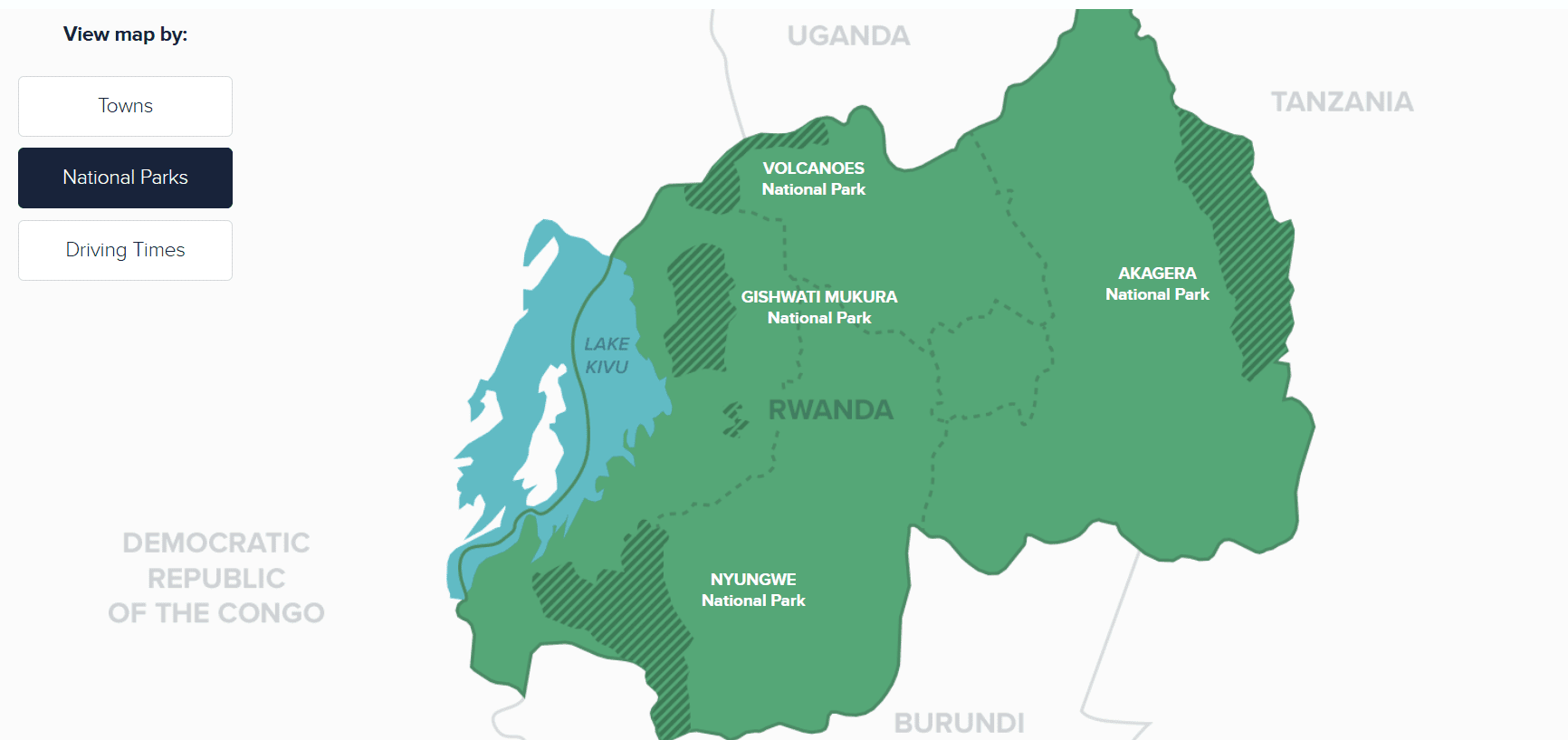
Rwanda, often referred to as the “Land of a Thousand Hills,” has emerged as one of Africa’s most attractive travel destinations. Its verdant landscapes, rich culture, abundant wildlife, and well-managed tourism infrastructure make it a must-visit country for travelers from around the world. However, before embarking on a journey to Rwanda, it is essential to understand the visa and travel requirements. Proper preparation ensures a smooth experience, prevents legal complications, and allows visitors to fully enjoy the diverse attractions that Rwanda offers, including Volcanoes National Park, Nyungwe Forest National Park, and Akagera National Park.
This comprehensive guide will cover everything a traveler needs to know about entering Rwanda, including visa types, eligibility, documentation, health requirements, currency considerations, and practical travel tips. By the end of this guide, readers will have a thorough understanding of how to prepare for their Rwandan adventure.
Understanding Rwanda’s Visa Policy
Rwanda operates one of Africa’s most accessible visa regimes. It is renowned for its electronic visa system, which allows travelers to apply online before arrival. Additionally, many visitors can obtain visas on arrival at the airport, simplifying the entry process.
The Rwanda Directorate General of Immigration and Emigration is responsible for overseeing all visa matters. It has implemented policies that aim to facilitate tourism, business travel, and investment, while maintaining security and regulatory compliance.
Visa on Arrival
Rwanda is famous for allowing nationals from most countries to obtain a visa on arrival at Kigali International Airport and other points of entry. This visa is typically valid for 30 days and is ideal for tourists, business visitors, or individuals attending short-term conferences. The process is straightforward: travelers pay the applicable fee and provide basic information, including passport details, travel itinerary, and accommodation information.
e-Visa
For greater convenience, Rwanda also offers an electronic visa (e-Visa). This system enables travelers to apply online before arrival, eliminating the need to queue at immigration counters. The e-Visa application requires submitting a scanned copy of your passport, a recent photograph, travel plans, and payment of the visa fee through a secure online portal. Approval is generally processed within 48 hours. Once granted, the e-Visa can be printed and presented upon arrival.
Visa-Free Countries
Rwanda has entered bilateral agreements with several countries, allowing nationals to enter Rwanda without a visa for short stays. Citizens from East African Community (EAC) member states, including Uganda, Kenya, Tanzania, and Burundi, enjoy visa-free entry for up to 90 days, provided they present a valid passport or official EAC identification card.
Diplomatic and Official Visas
Diplomats and official government representatives traveling to Rwanda may apply for special diplomatic or official visas. These visas often come with privileges, including extended validity periods and exemption from certain fees. For diplomatic purposes, proper documentation, including accreditation letters and official correspondence, is mandatory.
Passport Requirements
Every traveler to Rwanda must carry a valid passport. The passport should have a minimum validity of six months beyond the intended departure date. It should also have at least one blank page for entry and exit stamps.
For families traveling together, each person, including infants, must possess a separate passport. This ensures smooth processing at immigration checkpoints. Travelers should also carry photocopies of passports as backups in case of loss or theft.
Residency and Work Considerations
While tourists primarily require short-term visas, long-term visitors, expatriates, and business professionals must comply with residency and work regulations. Foreign residents in Rwanda must obtain proper permits to qualify for resident privileges.
Foreigners intending to stay for more than four consecutive months must hold valid work permits, residency cards, or other official documentation indicating legal residence in Rwanda. These documents allow residents to access certain benefits, including reduced permit rates for tourist activities such as gorilla trekking.
For East African residents, verification through an EAC identification card or passport is required. Diplomatic families are also eligible for resident benefits if the primary visa holder possesses a valid residence visa.
Health Requirements
Rwanda requires travelers to adhere to specific health protocols before entering the country. Health requirements vary depending on the country of origin, the season, and the nature of your travel.
Vaccinations
The yellow fever vaccine is mandatory for travelers coming from countries with a risk of yellow fever transmission. Proof of vaccination must be presented upon arrival. Travelers arriving without the certificate may be denied entry or required to undergo vaccination at the port of entry.
Other recommended vaccines include hepatitis A, hepatitis B, typhoid, rabies, and routine immunizations. These vaccines protect travelers from common infections and ensure a safe visit.
Malaria Prevention
Rwanda is a malaria-endemic country. Visitors should consult a travel health clinic before departure and take preventive medications as prescribed. In addition, carrying mosquito repellents, wearing long sleeves, and sleeping under treated mosquito nets are essential precautions.
COVID-19 and Other Infectious Diseases
Rwanda has established health protocols to prevent the spread of contagious diseases, including COVID-19. Travelers may be required to show proof of vaccination, negative test results, or follow quarantine procedures depending on current regulations. Health checks, including temperature screening, may occur at airports or border points.
Entry Points and Transportation
Travelers can enter Rwanda via air, road, or rail.
By Air
Kigali International Airport is the primary entry point for international visitors. The airport is well-equipped with modern immigration facilities, customs services, and transportation options. Visitors arriving by air can proceed directly to their destinations via taxis, shuttle services, or pre-arranged tour vehicles.
By Road
Rwanda shares land borders with Uganda, Tanzania, Burundi, and the Democratic Republic of Congo. Road travelers must present valid passports, visas if applicable, and proof of health compliance. Checkpoints are manned by immigration officials, and vehicles may be subject to inspection.
By Rail
While Rwanda does not currently have a conventional passenger railway system, connections with neighboring countries through freight lines are occasionally used by cargo and business travelers. Most tourists rely on air or road travel for convenience.
Currency and Financial Requirements
The official currency of Rwanda is the Rwandan Franc (RWF). While major hotels, lodges, and restaurants accept credit and debit cards, carrying local currency is advisable for smaller establishments, tips, and entrance fees to parks.
ATMs are available in major cities, including Kigali, Musanze, and Gisenyi. Visitors should notify their banks before international travel to avoid card blocks or restrictions.
Rwanda also accepts some foreign currencies, such as US Dollars and Euros, for tourist-related payments, but local currency provides more flexibility.
Safety and Security Considerations
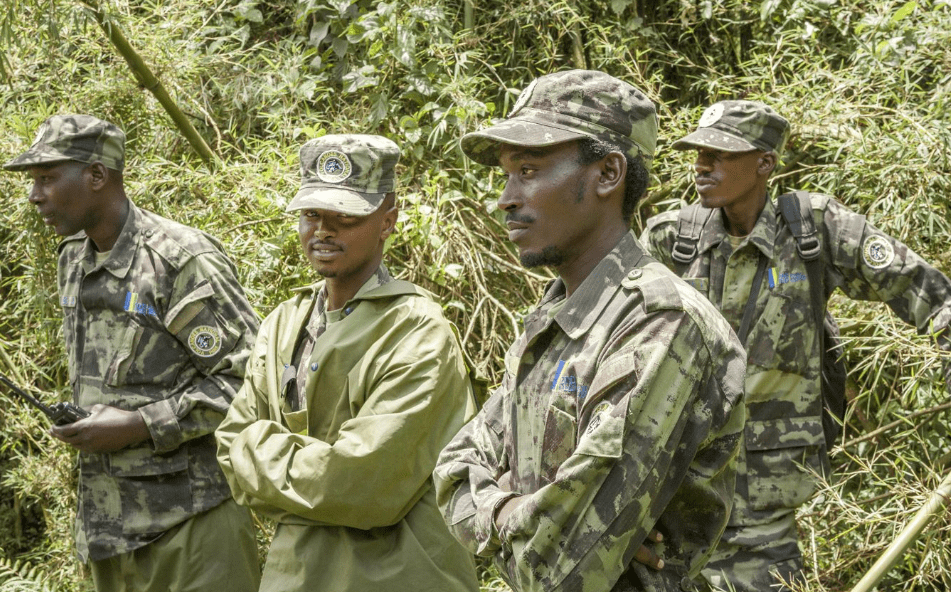
Rwanda is known for being one of Africa’s safest travel destinations. The government has invested heavily in tourism safety, law enforcement, and infrastructure. Nevertheless, travelers are encouraged to exercise common precautions, including:
-
Avoiding isolated areas at night.
-
Securing valuables in hotels or safes.
-
Following the guidance of tour operators and local authorities.
-
Respecting wildlife regulations and protected areas.
For safari tours, including gorilla trekking or national park visits, it is crucial to follow ranger instructions closely. Wildlife encounters can be unpredictable, and adherence to park rules ensures both personal safety and environmental preservation.
Accommodation and Local Travel Tips
Rwanda offers a variety of accommodation options, ranging from luxury lodges to budget-friendly guesthouses. Popular areas include Musanze for gorilla trekking, Lake Kivu for lakeside relaxation, and Nyungwe Forest for birding and forest exploration.
Travelers should book accommodation in advance, especially during peak tourist seasons from June to September and December to February. Early booking ensures availability and may provide better rates.
Transportation within Rwanda is reliable, with options including car hires, guided tour vehicles, and public buses. For tours that combine multiple destinations, arranging a private vehicle with a driver-guide is often more efficient.
Planning Your Rwanda Tour
When planning a Rwanda tour, consider combining cultural, wildlife, and adventure activities. Popular itineraries include gorilla trekking in Volcanoes National Park, chimpanzee tracking in Nyungwe Forest, wildlife safaris in Akagera National Park, and cultural experiences in Kigali.
A typical Rwanda tour itinerary should account for travel time between destinations, altitude acclimatization, and adequate rest. Engaging a professional tour operator ensures a seamless experience, from visa guidance to park permits and transportation logistics.
Tips for a Smooth Entry
-
Check visa validity and type before departure.
-
Carry original and digital copies of passports, visas, and health documents.
-
Ensure vaccination certificates are current and accessible.
-
Prepare for high-altitude climates with appropriate clothing and gear.
-
Confirm transportation and accommodation ahead of arrival.
-
Respect local laws, customs, and park regulations to avoid complications.
Understanding Rwanda’s visa and travel requirements is essential for a hassle-free and enjoyable trip. Whether you are visiting for gorilla trekking, cultural exploration, or wildlife safaris, proper preparation ensures you can focus on experiencing the country’s unique beauty.
From obtaining the correct visa and residency documents to following health guidelines and understanding park regulations, every step of preparation contributes to a safe, compliant, and enriching travel experience. Rwanda’s tourism infrastructure, combined with its natural and cultural attractions, makes it a remarkable destination for travelers seeking both adventure and relaxation.
By following this guide, visitors can confidently plan their Rwanda tours in 2026, maximizing both safety and enjoyment while contributing to the country’s sustainable tourism and conservation efforts. Book your Safari!