

Rwanda Wildlife & Big Five Safari Tours
Rwanda is not only the land of the mountain gorillas but also a captivating safari destination for wildlife enthusiasts seeking encounters with Africa’s iconic species. Known as the “Land of a Thousand Hills,” Rwanda offers a unique combination of lush landscapes, well-managed national parks, and extraordinary biodiversity. While most visitors associate Rwanda with gorilla trekking in Volcanoes National Park, the country is also a premier destination for wildlife safaris, including the pursuit of Africa’s Big Five, lion, elephant, buffalo, leopard, and rhinoceros.
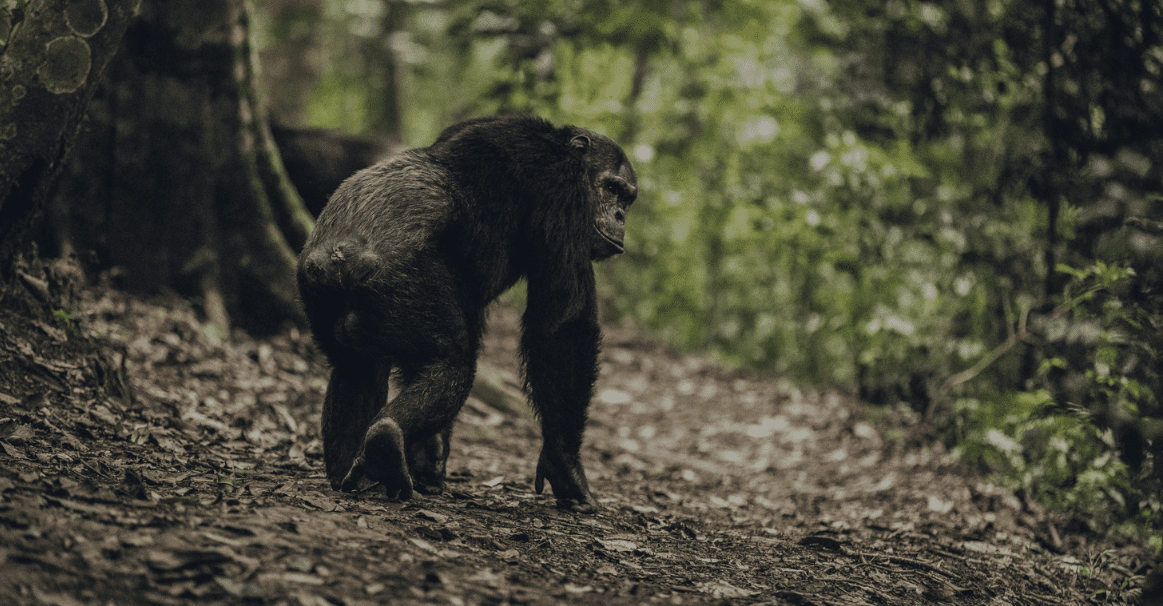
This blog provides a comprehensive guide to Rwanda’s wildlife and Big Five safari tours, highlighting key safari destinations, park experiences, travel tips, conservation efforts, and practical guidance for planning an unforgettable wildlife adventure.
Understanding Rwanda’s Unique Wildlife
Rwanda’s wildlife is remarkable not only for its diversity but also for the conservation success stories it represents. Over the past few decades, the country has transformed its approach to wildlife protection, combining strict park management, community involvement, and tourism-led conservation initiatives. Today, Rwanda’s national parks are home to species ranging from primates and birds to antelopes and apex predators.
The Big Five in Rwanda
The Big Five, lion, leopard, elephant, rhinoceros, and African buffalo, are traditionally associated with East and Southern Africa. While Rwanda does not boast vast savannahs like Kenya or Tanzania, several carefully managed reserves and national parks offer the chance to see these magnificent animals. Rwanda’s conservation strategy focuses on quality over quantity, ensuring visitors experience intimate, sustainable wildlife encounters.
Lion
Rwanda’s lions are primarily found in Akagera National Park, the country’s largest savannah reserve. These lions have rebounded in population thanks to anti-poaching initiatives and careful reintroduction programs. Guided safari drives in Akagera often provide opportunities to witness prides resting in the shade, males patrolling territory, or young cubs playing under watchful eyes. Lions in Rwanda tend to be less habituated to vehicles than in other safari destinations, offering a more authentic wilderness experience.
Elephant
African elephants are another highlight of Rwanda safaris, also concentrated in Akagera National Park. These majestic animals roam the park’s rolling hills, marshes, and savannahs in herds led by experienced matriarchs. Observing elephants in Rwanda offers an intimate experience, as herd sizes are moderate, and sightings are often close enough for photography without disturbing their natural behavior.
Buffalo
The African buffalo, also found in Akagera, is recognized for its formidable presence and social structure. These large herbivores graze in groups and are often seen with a watchful eye on predators. Buffalo herds in Rwanda provide a dynamic safari experience, offering opportunities to witness herd interactions and predator-prey dynamics at close range.
Leopard
Leopards in Rwanda are elusive and mostly nocturnal, making sightings rare but unforgettable. With the guidance of experienced rangers, visitors can increase their chances of observing these solitary predators in the park’s dense forests or along riverine thickets. Leopards’ stealth, agility, and distinctive rosette patterns make every sighting a highlight of a Rwanda safari.
Rhinoceros
The southern white rhinoceros has been successfully reintroduced to Akagera National Park in Rwanda as part of a broader regional conservation program. Conservationists carefully manage rhino populations to ensure safe habitats free from poaching. Visitors to Rwanda can witness these magnificent creatures in carefully monitored conditions, offering a rare and educational wildlife encounter.
Rwanda’s Premier Safari Destinations
While Akagera is the primary destination for Big Five safaris, Rwanda offers several other national parks and reserves where visitors can experience a variety of wildlife and landscapes.
Akagera National Park
Akagera National Park, located in the northeast of Rwanda near the border with Tanzania, is the country’s premier safari destination. Covering over 1,100 square kilometers, it features a mosaic of savannah, woodland, and wetland ecosystems.

-
Wildlife Highlights: Big Five, giraffes, zebras, waterbucks, hyenas, and numerous bird species.
-
Activities: Game drives, boat safaris, birding tours, and guided walks.
-
Unique Feature: Boat safaris on Lake Ihema allow close observation of hippos, crocodiles, and water birds while providing stunning photographic opportunities.
Akagera is highly accessible from Kigali, the capital city, making it a convenient option for travelers seeking a multi-day wildlife safari combined with other Rwandan experiences.
Volcanoes National Park
Although primarily known for gorilla trekking, Volcanoes National Park is also home to diverse wildlife, including golden monkeys, bushbucks, and numerous avian species. Combining gorilla trekking with short wildlife safaris in the park’s lower elevations provides a varied wildlife experience.
-
Wildlife Highlights: Golden monkeys, duikers, forest antelopes, birds of the Albertine Rift.
-
Activities: Guided forest walks, wildlife photography, birding tours, and cultural visits to local communities.
The park’s mountainous terrain and dense vegetation offer a different type of wildlife encounter—more intimate, forest-based, and closer to nature.
Nyungwe Forest National Park
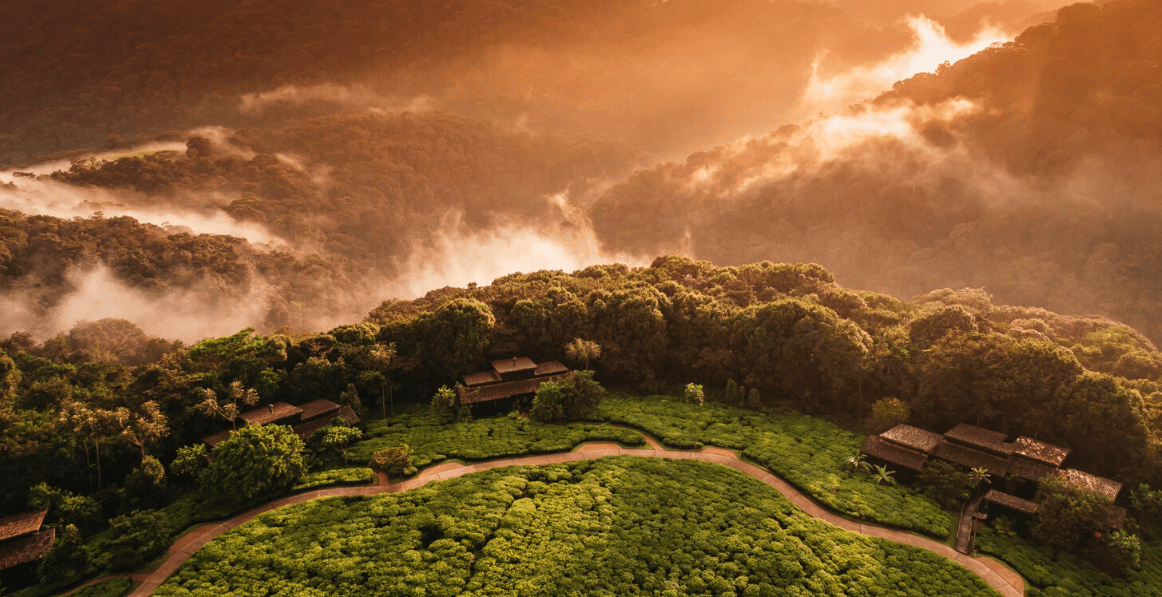
Nyungwe Forest in southwestern Rwanda is a montane rainforest known for primate diversity, including chimpanzees, colobus monkeys, and baboons. Though not a Big Five destination, Nyungwe offers a rich wildlife safari experience with an emphasis on primates, birds, and butterflies.
-
Wildlife Highlights: Chimpanzees, Ruwenzori colobus, forest duikers, and over 300 bird species.
-
Activities: Canopy walks, chimpanzee tracking, guided birding tours, and night walks for nocturnal species.
Nyungwe is particularly attractive for ecotourists and bird enthusiasts who want to combine rainforest exploration with wildlife safaris.
Gishwati-Mukura National Park
Gishwati-Mukura, Rwanda’s newest national park, preserves lowland and montane rainforest habitats. It is home to endangered primates, small carnivores, and diverse birdlife. While Big Five sightings are limited, the park’s conservation programs provide educational insights into Rwanda’s broader wildlife management efforts.
-
Wildlife Highlights: Golden monkeys, forest duikers, red-tailed monkeys, and rare bird species.
-
Activities: Guided forest hikes, wildlife photography, and environmental conservation tours.
Safari Activities in Rwanda
Rwanda’s safari experiences combine game drives, guided walks, and immersive encounters with nature. Unlike more commercialized safari destinations, Rwanda offers a premium, intimate safari experience.
Game Drives
Game drives are the primary way to explore Akagera’s savannah ecosystems. Early morning drives are preferred, as wildlife is most active during cooler hours. Sunset drives also provide excellent photographic opportunities, particularly for predators like lions and leopards.
Rangers often tailor routes to your interests, whether you want to focus on Big Five species, birding, or predator-prey interactions. Safari vehicles in Rwanda are typically open-sided or equipped with pop-up roofs, providing unobstructed views for photography.
Guided Bush Walks
Bush walks are an immersive way to experience Rwanda’s wildlife at close range. Accompanied by trained rangers, visitors can observe smaller mammals, track signs of wildlife, and gain insights into local flora and fauna. Walking safaris encourage a deeper connection to the landscape while minimizing disturbance to animals.
Boat Safaris and Wetland Exploration
Lake Ihema within Akagera offers a unique wetland safari experience. Boat safaris allow visitors to approach hippos, crocodiles, and waterfowl without disturbing their natural behavior. This experience also provides opportunities for spectacular photography, particularly during sunrise or sunset.

Birding on Safari
Rwanda’s birdlife is exceptional, with over 700 recorded species. Many of these species inhabit Akagera, Volcanoes, and Nyungwe National Parks. Safari-goers often combine Big Five wildlife viewing with birding excursions.

Birds commonly seen include African fish eagles, crowned cranes, hammerkops, and a variety of migratory waterfowl. Guided birding safaris enhance your understanding of avian behavior, ecology, and conservation.
Conservation and Responsible Tourism
Rwanda’s safari model emphasizes conservation, community involvement, and sustainability. National parks are well-protected, and revenues from tourism contribute directly to wildlife protection and local community development.
By visiting Rwanda, travelers actively support initiatives such as:
-
Anti-poaching programs.
-
Habitat restoration projects.
-
Community-based conservation projects.
-
Endangered species reintroduction programs, including rhinos and lions.
Visitors are encouraged to follow ethical wildlife tourism practices: maintain safe distances, avoid loud noises, and respect park rules. This approach ensures that wildlife remains undisturbed while providing authentic experiences for tourists.
Planning Your Rwanda Safari
Planning a successful Big Five safari in Rwanda involves careful consideration of logistics, seasonality, and permits.

Best Time to Visit
The dry seasons—June to September and December to February, are ideal for wildlife safaris. During these months, vegetation is less dense, animals congregate near water sources, and roads are more accessible.
Accommodations
Rwanda offers a range of safari lodges and camps within or near parks. Options range from luxury lodges with panoramic views to mid-range eco-lodges and tented camps. Staying inside the park enhances early morning and evening safari experiences.
Travel and Transportation
Kigali serves as the gateway to Rwanda’s national parks. Private vehicles, guided tours, or scheduled transfers are available for travel to Akagera, Volcanoes, and Nyungwe. Roads are generally well-maintained, but high-clearance vehicles are recommended for rougher terrain in remote park areas.
Safari Duration
Most wildlife tours are structured as 2–5 day itineraries, combining multiple parks or focusing on a single destination. Multi-day safaris allow visitors to experience a wider range of species and habitats, including both Big Five and endemic primates.
Combining Gorilla Trekking with Big Five Safaris
Many visitors choose to combine gorilla trekking with Big Five safaris for a comprehensive wildlife experience. Volcanoes National Park provides gorilla encounters, while Akagera offers savannah and Big Five viewing.
Tour operators can design customized itineraries, ensuring efficient travel and maximum wildlife exposure. This combination highlights Rwanda’s unique biodiversity and offers a diverse safari experience, blending primates, predators, herbivores, and avian species.
Wildlife Photography Tips
Rwanda’s safaris provide excellent opportunities for wildlife photography:
-
Equipment: DSLR cameras or mirrorless cameras with telephoto lenses are recommended.
-
Lighting: Early mornings and late afternoons provide the best natural light.
-
Ethics: Avoid using flash around sensitive wildlife like gorillas or nesting birds.
-
Observation: Patience is key; many animals, including leopards and rhinos, require still observation before a photo opportunity.
Cultural Interactions and Community Tourism
In addition to wildlife, Rwanda’s national parks offer opportunities to engage with local communities. Many tours include visits to villages, cultural centers, and community conservation projects. These experiences enrich safari trips by connecting travelers with Rwandan culture, traditions, and conservation efforts.
Safety Considerations
Rwanda is widely regarded as a safe safari destination. Nevertheless, visitors should adhere to general safari safety protocols:
-
Follow the instructions of park rangers and guides.
-
Maintain distance from wildlife.
-
Do not feed or provoke animals.
-
Be aware of terrain and weather conditions.
Rwanda Wildlife & Big Five Safari Tours offer an unparalleled combination of pristine landscapes, exceptional biodiversity, and intimate wildlife experiences. From the savannahs and wetlands of Akagera to the forests of Volcanoes and Nyungwe, visitors encounter lions, elephants, rhinos, leopards, buffalo, primates, and countless bird species in some of Africa’s most scenic habitats.
By carefully planning your safari, adhering to park guidelines, and engaging with responsible operators, your Rwanda safari becomes not only an adventure but a meaningful contribution to conservation. Rwanda’s approach emphasizes sustainability, education, and community benefits, ensuring that both wildlife and people thrive.

Whether you are a wildlife enthusiast, a photographer, a conservation supporter, or a nature lover, Rwanda provides a compact yet richly rewarding safari destination. Combining Big Five sightings with gorilla trekking, birding, and cultural immersion creates an unforgettable experience in Africa’s Heart of Conservation.
A Rwanda wildlife safari is not just a holiday, it is an opportunity to witness the delicate balance between nature and human stewardship while exploring one of the most beautiful and biodiverse countries in the world. Book Now!