

Rwanda Safari Prices Explained
Planning a safari in Rwanda is an exciting experience, but one of the most common questions travelers ask is: How much does a Rwanda safari really cost? Understanding Rwanda safari prices can feel overwhelming at first because there are many components involved—gorilla permits, accommodation, transport, park fees, guiding services, and more. However, once you break it down step by step, it becomes much easier to understand where your money goes and how to plan according to your budget.
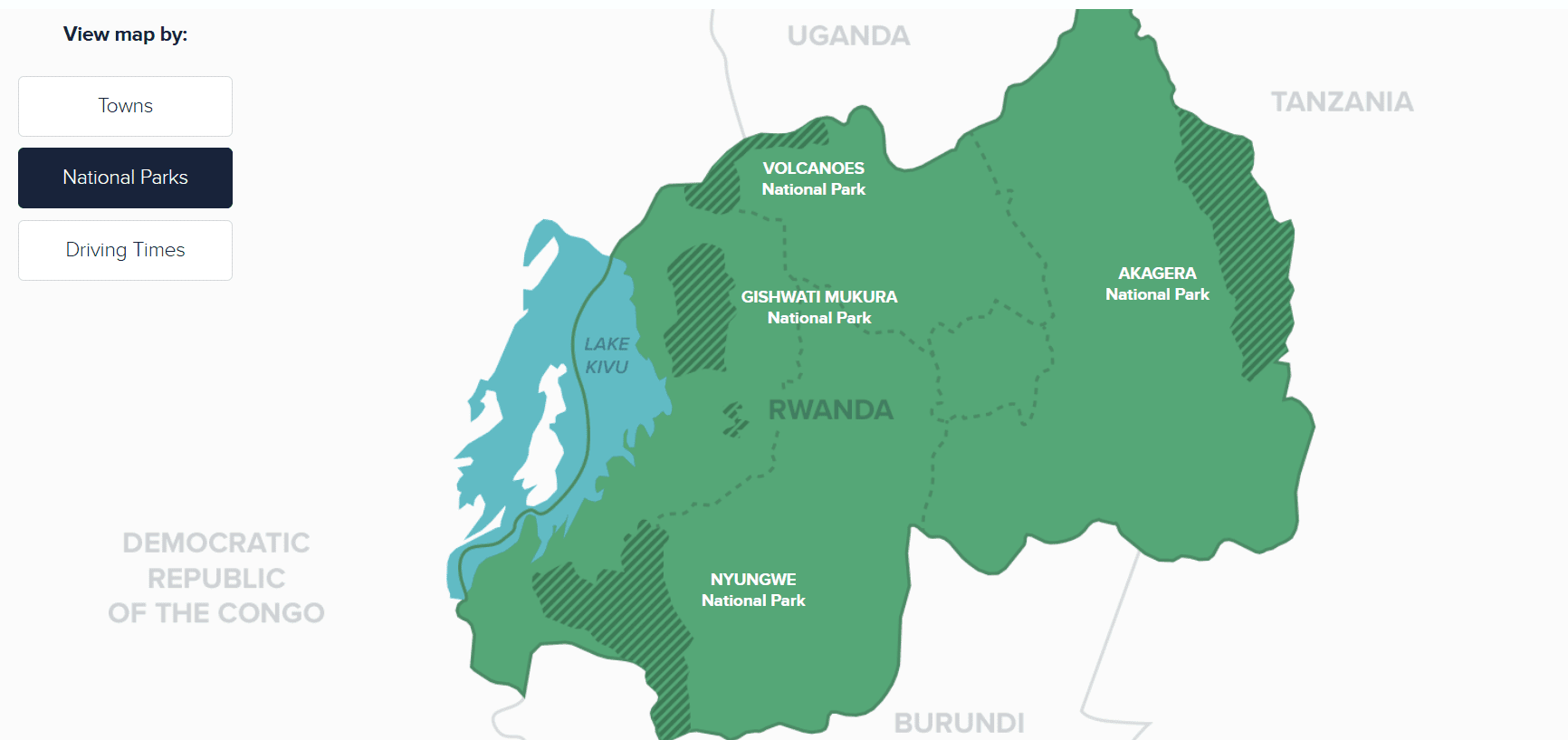
In this comprehensive guide, we explain Rwanda safari prices in detail, covering everything from gorilla trekking permits in Volcanoes National Park to wildlife safaris in Akagera National Park and chimpanzee tracking in Nyungwe National Park. Whether you are planning a luxury safari or a mid-range adventure, this article will help you understand the costs involved and what to expect in 2026 and beyond.
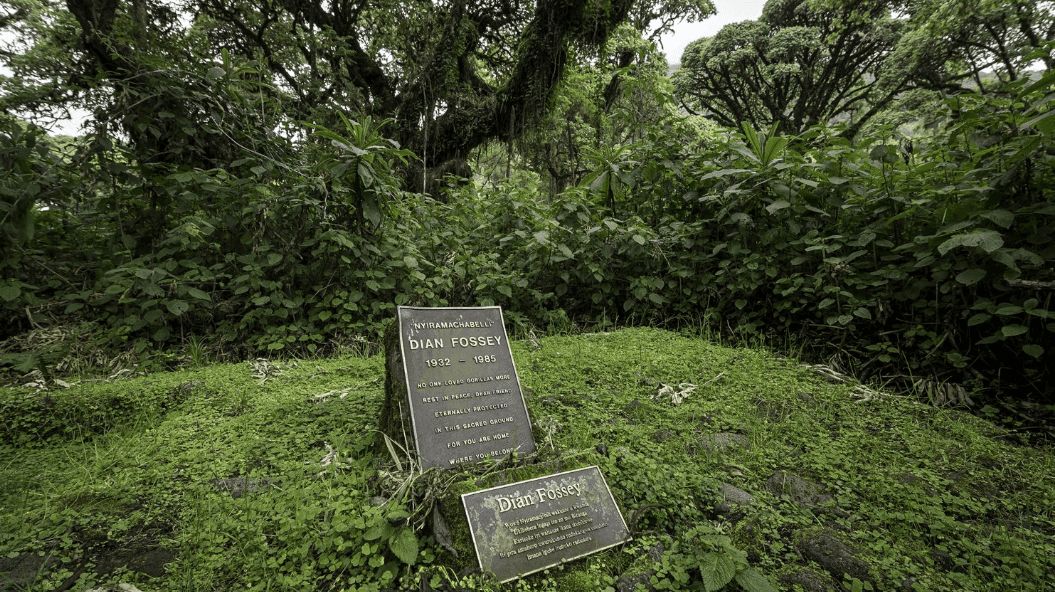
Why Rwanda Safaris Are Considered Premium Experiences
Rwanda has positioned itself as a high-end, conservation-focused safari destination. Unlike some other East African countries, Rwanda emphasizes low visitor numbers and high-quality tourism experiences. This model protects wildlife while ensuring visitors enjoy intimate, uncrowded encounters.
The country is especially famous for mountain gorilla trekking in Volcanoes National Park, which is home to a significant population of endangered mountain gorillas. Because of the conservation efforts and limited daily permits, the cost of trekking permits is higher than in some neighboring countries.
Additionally, Rwanda’s infrastructure is excellent. The capital city, Kigali, is clean, modern, and safe, and most major parks are accessible within a few hours by road. This convenience, combined with quality lodges and professional guiding services, contributes to overall safari costs.
The Cost of Gorilla Trekking in Rwanda
Gorilla trekking is the highlight of most Rwanda safaris, and it significantly influences the overall price of your trip.
A standard gorilla trekking permit in Volcanoes National Park costs approximately USD 1,500 per person for international visitors. This permit allows you to spend one hour with a habituated gorilla family under the guidance of trained rangers and trackers.
For foreign residents in Rwanda or other East African Community countries, discounted rates apply if they meet residency requirements. Rwandan nationals and East African citizens enjoy even lower rates.
The high permit price covers several important components. It funds conservation programs, anti-poaching efforts, community development projects, ranger salaries, and veterinary care for the gorillas. It also helps limit the number of daily visitors to ensure the gorillas are not stressed by excessive tourism.
When calculating Rwanda safari prices, remember that the gorilla permit is often the single most expensive element of your itinerary.
Accommodation Costs in Rwanda
Accommodation prices vary widely depending on the level of comfort you choose. Rwanda offers luxury, mid-range, and budget options near its national parks.
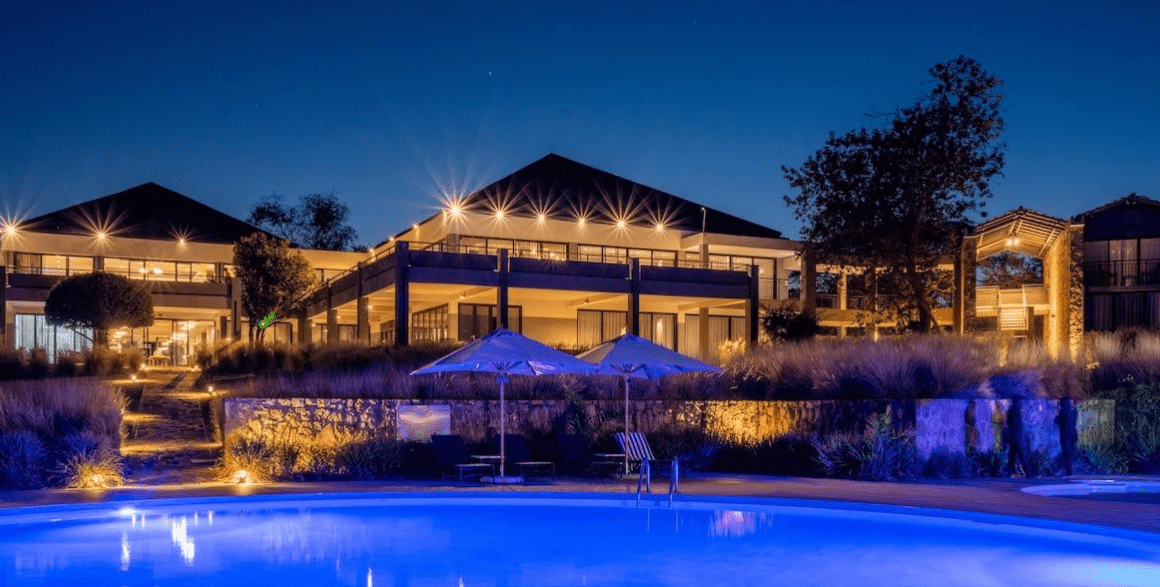
Luxury lodges near Volcanoes National Park can range from USD 600 to over USD 2,000 per person per night. These lodges typically offer all-inclusive packages, private cottages, gourmet meals, spa services, and breathtaking views of the Virunga Mountains.
Mid-range lodges generally cost between USD 200 and USD 500 per person per night. These properties provide comfortable rooms, hot showers, quality dining, and good service without the ultra-luxury price tag.
Budget accommodations, including guesthouses and smaller lodges, may cost between USD 50 and USD 150 per person per night. These are ideal for travelers focusing more on the trekking experience than on luxury amenities.
Accommodation near Akagera National Park and Nyungwe National Park follows similar pricing tiers, although prices may differ slightly depending on location and demand.
Transport Costs on a Rwanda Safari
Transport is another major factor when calculating Rwanda safari prices. While Rwanda is relatively small, comfortable and reliable transportation is essential.
A private safari vehicle with an experienced driver-guide typically costs between USD 200 and USD 350 per day, depending on the type of vehicle. A 4×4 Land Cruiser with a pop-up roof for game viewing is the most common option for wildlife safaris in Akagera National Park.
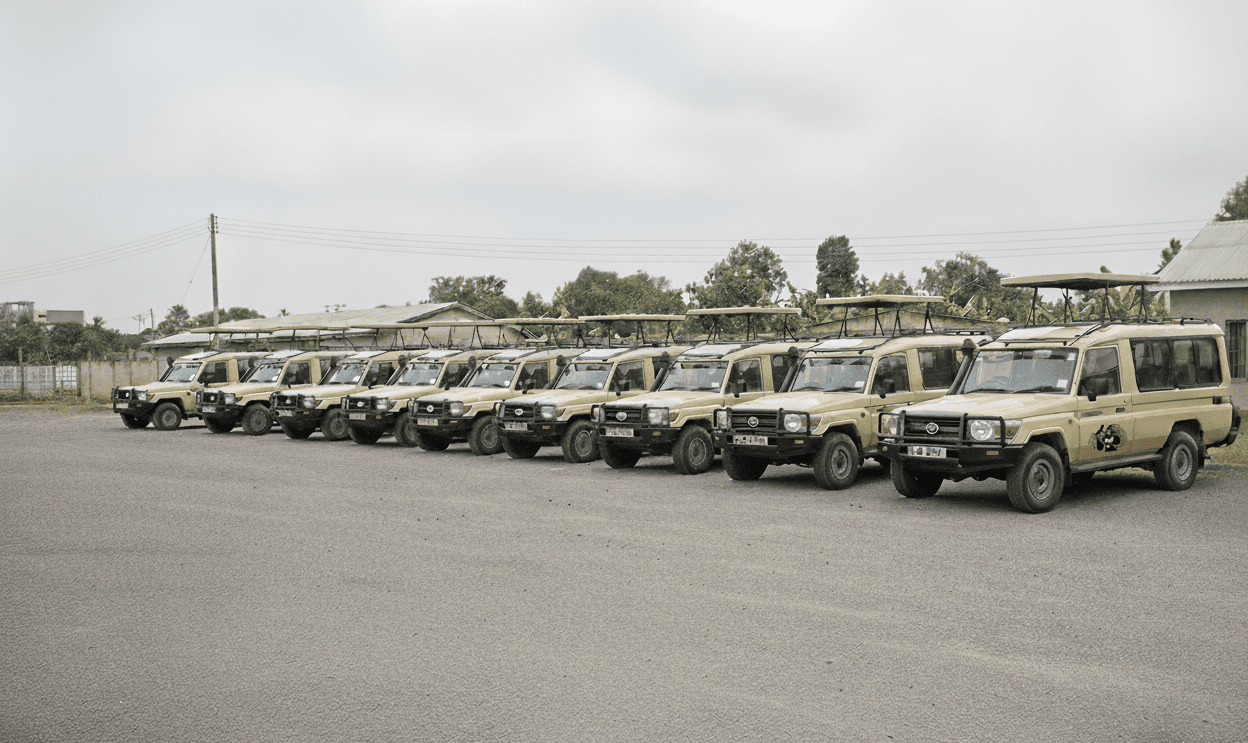
Airport transfers from Kigali International Airport to your hotel in Kigali may cost between USD 30 and USD 60. Transfers from Kigali to Volcanoes National Park or Akagera National Park usually range between USD 200 and USD 300 per day, depending on the vehicle and service provider.
Some luxury lodges also offer helicopter transfers, which significantly increase costs but reduce travel time and provide scenic aerial views of Rwanda’s rolling hills.
Park Entry Fees and Activity Charges
Beyond gorilla trekking permits, Rwanda safari prices also include park entry fees and activity charges.
In Akagera National Park, visitors pay daily park entrance fees in addition to game drive costs. Game drives may be included in lodge packages or charged separately if using park-operated vehicles.
Boat safaris on Lake Ihema inside Akagera National Park are a popular activity and come with an additional fee. Night game drives also cost extra but provide opportunities to see nocturnal wildlife.
In Nyungwe National Park, chimpanzee trekking permits cost significantly less than gorilla permits, but they still add to your overall safari budget. Canopy walks, birding tours, and other guided forest activities also have separate fees.
Comparing Rwanda Safari Prices by Trip Length
The total cost of your Rwanda safari depends greatly on the number of days you plan to travel.
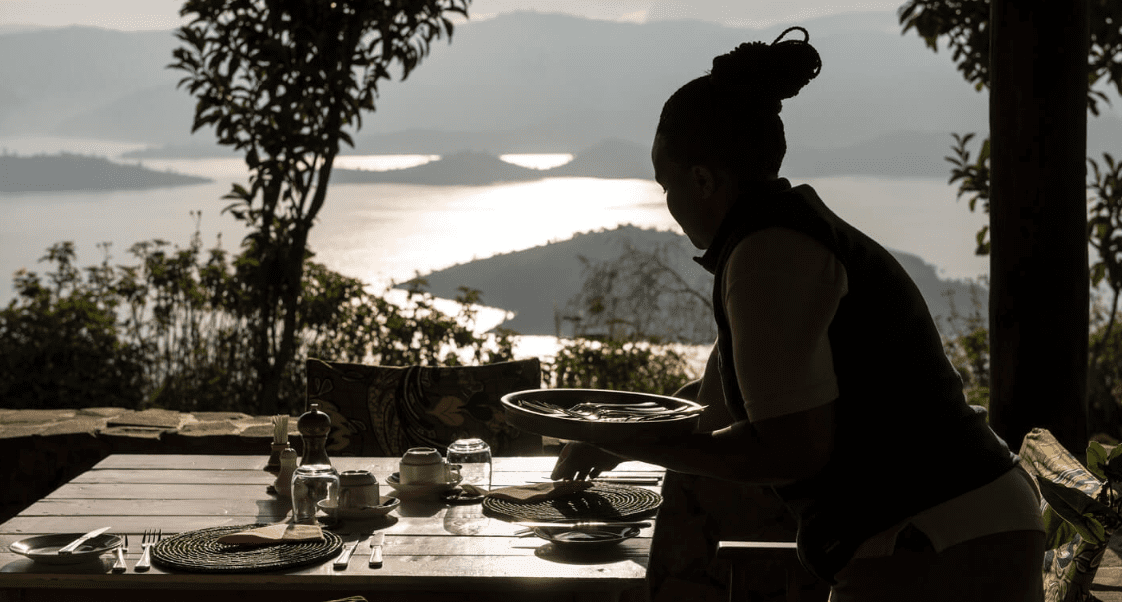
A three-day gorilla trekking safari from Kigali, including one gorilla permit, mid-range accommodation, meals, and transport, typically costs between USD 2,500 and USD 5,000 per person.
A five-day safari that combines gorilla trekking in Volcanoes National Park with wildlife viewing in Akagera National Park may cost between USD 4,500 and USD 6,000 per person, depending on accommodation level.
A seven- to ten-day itinerary that includes gorillas, chimpanzees in Nyungwe National Park, and wildlife safaris in Akagera National Park can range from USD 5,000 to over USD 10,000 per person, especially for luxury travelers.
Seasonal Variations in Rwanda Safari Prices
Rwanda safari prices fluctuate depending on the season. The high seasons typically occur from June to September and December to February. During these months, demand for gorilla permits and lodges is high, and availability can be limited.
Low seasons, especially during the long rainy season from March to May, may offer better lodge rates and occasional promotional discounts. However, gorilla permits generally maintain fixed pricing year-round.
Booking early is crucial, especially if you plan to travel during peak months. Gorilla permits often sell out months in advance.
What Is Included in Rwanda Safari Packages?
When evaluating Rwanda safari prices, it is important to understand what is included in your package.
Most safari packages include accommodation, meals (usually full board while on safari), park entrance fees, private transport, driver-guide services, and scheduled activities such as game drives.
However, international flights, travel insurance, visa fees, tips, alcoholic beverages, and personal expenses are usually excluded.
Clarifying inclusions and exclusions with your tour operator helps avoid unexpected costs.
Budget vs. Luxury: Is Rwanda Worth the Price?
Some travelers wonder why Rwanda safaris appear more expensive than safaris in neighboring countries. The answer lies in Rwanda’s conservation model, safety, accessibility, and exclusivity.
Rwanda offers short travel distances between parks, excellent roads, professional guides, and high standards of hospitality. The chance to see mountain gorillas in Volcanoes National Park in a small group setting is considered one of the most profound wildlife experiences in the world.
Luxury lodges in Rwanda are among the finest in Africa, offering intimate settings with stunning views of volcanic landscapes and mist-covered forests.
While budget travelers can find ways to reduce costs, Rwanda remains primarily a premium safari destination focused on sustainability and quality over mass tourism.
How to Save on Rwanda Safari Costs
Although Rwanda safari prices are relatively high, there are ways to manage your budget.

Traveling in a small group reduces transport costs because vehicle expenses are shared. Choosing mid-range lodges instead of luxury properties significantly lowers overall expenses. Booking during shoulder or low seasons may provide accommodation discounts.
Combining Rwanda with neighboring countries like Uganda for gorilla trekking can sometimes reduce permit costs, though this involves additional border logistics.
Working with a reputable local tour operator ensures transparent pricing and helps you design a safari that fits your budget without compromising experience.
Are Rwanda Safari Prices Likely to Change in 2026?
Rwanda continues to invest heavily in tourism infrastructure and conservation. While gorilla permit prices have remained relatively stable in recent years, adjustments can occur based on policy decisions and conservation needs.
Demand for Rwanda safaris continues to grow, particularly for gorilla trekking and luxury travel. As a result, early booking and advance planning are more important than ever.
Staying informed about updated park fees and permit rates through reliable tour operators or official tourism sources ensures accurate budgeting.
Final Thoughts on Rwanda Safari Prices Explained
Rwanda safari prices reflect the country’s commitment to conservation, sustainability, and high-quality tourism experiences. From the iconic mountain gorillas in Volcanoes National Park to the savannah wildlife of Akagera National Park and the rainforest adventures of Nyungwe National Park, Rwanda offers unforgettable experiences that justify the investment.
Understanding each component, gorilla permits, accommodation, transport, park fees, and activities, helps you plan effectively and avoid surprises. Whether you choose a luxury safari or a carefully planned mid-range adventure, Rwanda delivers extraordinary wildlife encounters, breathtaking landscapes, and meaningful cultural experiences.
If you are planning your trip for 2026, now is the perfect time to start organizing your itinerary, secure permits early, and choose accommodations that match your travel style. With the right planning, your Rwanda safari will be a life-changing journey worth every dollar spent. Book with Us!