

Guidelines for Gorilla Trekking in Rwanda
Gorilla trekking in Rwanda is one of the most extraordinary wildlife encounters in the world. It is a rare privilege to stand in the presence of endangered mountain gorillas in their natural habitat, deep within the lush forests of Volcanoes National Park. However, this privilege comes with responsibility. The Government of Rwanda, through the Rwanda Development Board (RDB), Guidelines for Gorilla Trekking in Rwanda, requirements, and procedures to ensure that both visitors and gorillas remain safe.
This comprehensive guide explains everything you need to know before planning your gorilla trekking experience. From eligibility requirements and reporting times to health restrictions, booking procedures, refund policies, and practical travel tips, this detailed overview ensures you are fully prepared.
Gorilla trekking is not simply a tourism activity; it is a conservation-driven experience that supports wildlife protection and community development. Understanding and following these guidelines ensures the sustainability of this incredible encounter for future generations.
Reporting Time and Arrival Procedures
All visitors scheduled for gorilla trekking must report to the Visitor Information and Registration Centre at the park entry point at exactly 07h00 in the morning. Punctuality is essential. Briefings and group allocations begin promptly, and late arrivals may result in forfeiture of your trekking opportunity without refund.
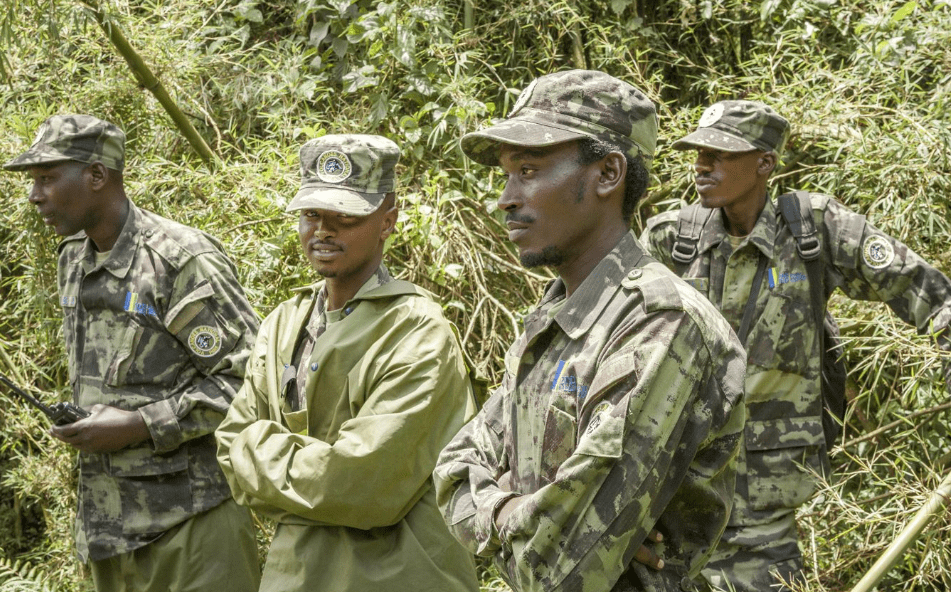
On the day of your trek, you are required to present yourself at the RDB Tourism and Conservation offices located in Kinigi. Kinigi serves as the operational headquarters for gorilla trekking in Volcanoes National Park. Upon arrival, park officials verify your permit, confirm your identification details, and assign you to a gorilla family group based on availability and physical fitness considerations.
Arriving early allows sufficient time for administrative checks, health screening observations, and ranger briefings. The morning atmosphere at Kinigi is often cool and misty, as the park sits at high altitude. The early start also ensures trekking begins while gorillas are most active.
Residency and Eligibility Requirements
Understanding residency status is critical when booking permits under specific rate categories. Foreign residents living in Rwanda or East African countries must have a minimum of four consecutive months’ residency status to qualify for the Rwandan or East African foreign resident rate. This status must be clearly indicated in the passport through a valid work permit, residency permit, or diplomatic identification card.
This requirement ensures that resident pricing benefits those genuinely living and contributing within the region rather than short-term visitors attempting to access reduced rates.
Diplomatic considerations also apply. A diplomat who holds a valid residence visa in Rwanda may access resident rates not only for themselves but also for their spouse and legally recognized children, even if those family members reside outside Rwanda and do not personally hold resident visas. This provision recognizes diplomatic family structures and extends benefits accordingly.
For East African residents, identification must be verified through official East African Community ID cards or valid passports. Documentation is strictly reviewed during booking and registration.
Additionally, tourists with one Rwandan parent or those married to a Rwandan spouse may be considered Rwandan nationals for permit rate purposes, provided confirmation is granted by the Immigration and Emigration Director General. This verification process ensures fairness and legal compliance.
Age Restrictions and Health Requirements
Gorilla trekking carries a minimum age requirement of fifteen years. This age restriction exists for both conservation and safety reasons. Younger children may struggle with the physical demands of trekking at high altitude, and gorillas can react unpredictably to childlike behavior. Setting the minimum age at fifteen ensures maturity, physical capability, and adherence to safety guidelines.
Health considerations are taken very seriously. Visitors who are sick with a cold, flu, or any contagious illness may be denied access to the park. Mountain gorillas share a high percentage of genetic similarity with humans and are particularly vulnerable to respiratory infections. Even a minor human illness can have devastating consequences for a gorilla family.
If you feel unwell before your trekking date, it is crucial to notify your tour operator or RDB immediately. Health screening is conducted informally during morning briefings, and rangers are authorized to refuse participation if symptoms are evident. This strict approach protects gorillas from disease transmission.
Processing Time and Permit Issuance
The tourist permit system is designed for efficiency. Once your application process is completed successfully through the official system, your permit is automatically issued. There is no extended waiting period after payment and documentation approval.
However, availability is limited, and gorilla trekking permits are allocated on a first-come, first-served basis. It is highly recommended to book well in advance, particularly during peak travel seasons.
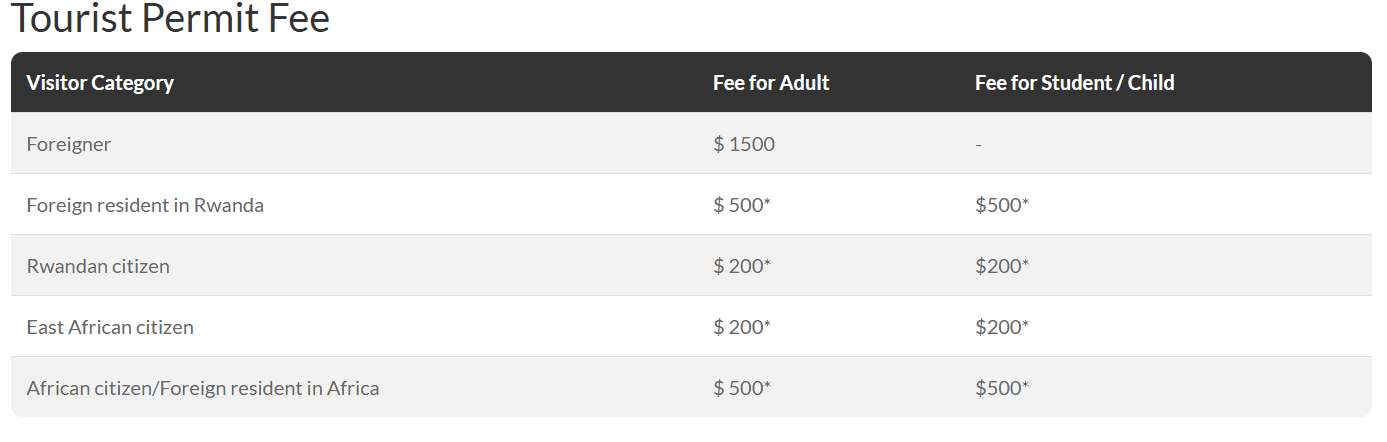
Mountain gorilla tracking can be reserved months ahead of your travel date. Early booking guarantees your preferred trekking date and helps in planning accommodation and transport arrangements.
Rwandan nationals are expected to pay the full permit amount at the time of booking. All applications must include complete client details, including full names as they appear on passports, passport numbers, email addresses, and contact telephone numbers. Accuracy is essential to avoid administrative delays.
The Application Process Explained
The application process is straightforward and user-friendly. Applicants begin by selecting an available trekking slot on their desired date. Once selected, mandatory forms must be completed accurately, and required supporting documentation must be uploaded.
After documentation submission, payment of the applicable fees finalizes the booking. The system automatically generates confirmation upon successful processing.
Because bookings are handled on a first-come, first-served basis, early action is strongly encouraged. Demand for Rwanda’s gorilla permits remains consistently high due to the country’s premium conservation approach and limited daily visitor numbers.
Gorilla Trekking Guidelines Within the Park
RDB has established detailed behavioral guidelines to ensure visitor safety and gorilla welfare. These rules are non-negotiable and strictly enforced.
Visitors are required to maintain a minimum distance of seven meters, approximately twenty-two feet, from the gorillas. This distance minimizes the risk of disease transmission and reduces stress on the animals. If a gorilla approaches closer than this distance, visitors must remain calm and avoid sudden movement.
Viewing time is strictly limited to one hour once the gorilla family has been located. This one-hour rule ensures minimal disruption to their natural behavior. Rangers carefully monitor time and signal when the session concludes.
Each gorilla group may be visited by a maximum of eight individuals per day. This limitation is a cornerstone of Rwanda’s conservation strategy. Small group sizes prevent overcrowding and allow for a more intimate experience.
Spitting in the park is strictly prohibited due to hygiene and disease transmission risks. Visitors must also cover their mouths when coughing and turn away from the gorillas to avoid spreading droplets.
Maintaining a low voice while in the presence of gorillas is essential. Loud talking or sudden movements can cause anxiety or defensive reactions. Gorillas are generally peaceful but protective of their families.
If a gorilla vocalizes loudly or makes a charging display, visitors must remain calm, stand still, avoid direct eye contact, and follow the ranger’s instructions. Such displays are often expressions of authority rather than aggression.
Littering is forbidden. The park operates under strict environmental protection policies. Visitors must carry out everything they bring into the forest.
Refund Policies and Exceptional Circumstances
Refund conditions are clearly defined. If visitors fail to track gorillas for an entire day due to the movement of the gorilla group within Volcanoes National Park, they may be offered another opportunity or receive a full refund of their permit.
If visitors spend the entire day tracking but fail to make contact with a gorilla family for other reasons, seventy-five percent of the tracking fee is refunded.
However, no refund is granted in cases of late arrival, flight delays, absence, or cancellation for personal reasons. Punctuality and confirmed travel arrangements are therefore critical.
Practical Travel Information
Traveling to Volcanoes National Park requires planning. From Kigali, visitors must travel to Musanze, a journey of approximately ninety minutes by road. Musanze serves as the gateway town to Volcanoes National Park.
From Musanze, travelers proceed to Kinigi, where the trekking briefing takes place. Private vehicles can be hired, or public minibus taxis are available. Many visitors prefer organized transport through tour operators for convenience.
On the trekking day, visitors must present themselves at the RDB Tourism and Conservation offices in Kinigi by 7:00 AM for briefing and group assignment.
Language and Communication
RDB Tourism and Conservation employs English- and French-speaking trained guides. Additionally, a team of approximately eighty trained gorilla trackers supports trekking operations. Many trackers are bilingual in French and English, ensuring clear communication for international visitors.
Climate and What to Expect
The climate in Musanze is variable. Located at approximately 1,700 meters above sea level, temperatures can shift rapidly between sunshine and rainfall. Even during dry seasons, rain showers are possible.
Evenings can be particularly cold due to altitude. Warm clothing is strongly recommended, especially for early morning departures.
Recommended Clothing and Equipment
Visitors are advised to wear long trousers and long-sleeved shirts while trekking to protect against nettle stings and dense vegetation. Sturdy walking shoes or hiking boots with good grip are essential, as trails may be muddy and steep.
Rain gear is highly recommended due to unpredictable weather conditions. A lightweight waterproof jacket is ideal.
You should carry a refillable water bottle and a small snack for after the trek, as eating, drinking, and smoking near the gorillas is prohibited. A camera is essential, but flash photography is not allowed.
Porters and Physical Fitness
Porters are available at the park entrance for a modest fee. Hiring a porter is strongly encouraged. They assist with carrying backpacks, provide support on steep slopes, and contribute directly to local employment.
Mountain gorillas inhabit high-altitude terrain, and some visitors may feel the effects of elevation. Walking slowly, pacing yourself, and drinking plenty of water will help reduce discomfort.
No one should feel discouraged by fitness concerns. Rangers allocate groups based on ability, and treks are tailored to accommodate varying physical capacities.
Final Thoughts on Responsible Trekking
Gorilla trekking in Rwanda is a life-changing experience that depends on strict adherence to conservation guidelines. Every rule, from maintaining distance to respecting reporting times, exists to protect both visitors and gorillas.
By following these guidelines carefully, visitors contribute to a conservation success story that has helped mountain gorilla populations slowly recover. Rwanda’s model demonstrates how tourism, when managed responsibly, can safeguard endangered species while benefiting communities.
Preparing thoroughly, respecting regulations, and approaching the experience with humility ensures that gorilla trekking remains sustainable and meaningful for generations to come. Talk to a Tour Consultant!