
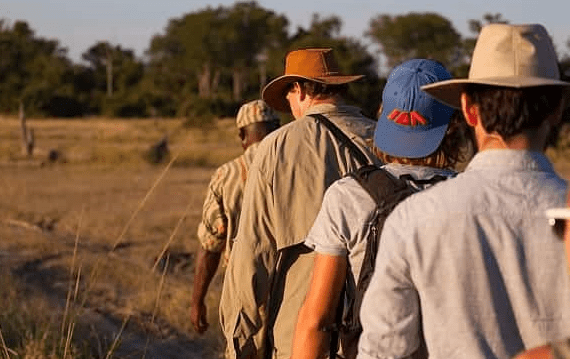
Anti-Poaching Community Conservation
Uganda is one of Africa’s most remarkable wildlife destinations, offering visitors unforgettable encounters with mountain gorillas, chimpanzees, elephants, lions, giraffes, and many other species. However, protecting this incredible natural heritage requires more than national parks and wildlife laws. Conservation Uganda Safari/Anti-poaching community conservation plays a vital role in ensuring that Uganda’s wildlife and habitats survive for future generations.
The Importance of Conservation in Uganda
Wildlife conservation in Uganda focuses on protecting animals, forests, wetlands, and other ecosystems from threats such as poaching, habitat loss, illegal wildlife trade, and human-wildlife conflict. Protected areas provide essential habitats, but local communities living around these areas are equally important to long-term conservation success.
A successful conservation Uganda safari therefore goes beyond viewing wildlife. It can help visitors understand the relationship between tourism, local communities, and environmental protection.
Fighting Poaching Through Community Conservation
Poaching can have devastating effects on wildlife populations. Illegal hunting for meat, ivory, skins, and other wildlife products can threaten vulnerable species and disrupt entire ecosystems.
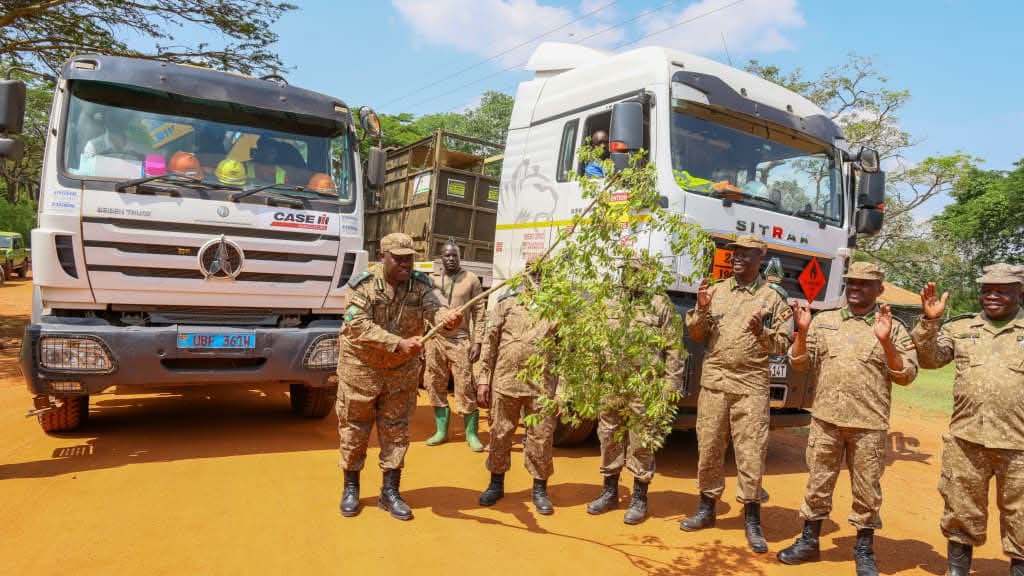
Community conservation provides an important part of the solution. When communities understand the economic and environmental value of wildlife, they can become active partners in protecting it. Conservation organizations and wildlife authorities can work with local residents through awareness programs, education, employment opportunities, and community-based initiatives.
This approach helps create a situation where protecting wildlife provides tangible benefits to the people who live alongside protected areas.
How Tourism Supports Conservation
Responsible tourism can make a meaningful contribution to conservation. Revenue generated through park entrance fees, gorilla and chimpanzee permits, accommodation, guiding, transportation, and other tourism services can support wildlife management and local economies.
Travelers choosing a conservation Uganda safari can also support conservation by using responsible tour operators, respecting park regulations, avoiding wildlife products, and purchasing locally made crafts and services.
Tourism can provide communities with employment as guides, drivers, hospitality workers, rangers, artisans, and conservation educators. These opportunities can strengthen the connection between healthy ecosystems and sustainable livelihoods.
Reducing Human-Wildlife Conflict
Communities near national parks sometimes experience challenges when wildlife enters farmland or other areas used by people. Elephants, for example, can damage crops, while other animals may compete with communities for resources.
Community conservation programs can help address these challenges through education, improved farming practices, early-warning systems, habitat protection, and other locally appropriate solutions. Reducing conflict is essential because communities are more likely to support wildlife conservation when their own safety and livelihoods are considered.
Responsible Uganda Safari Experiences
Visitors also have a role to play. During a conservation Uganda safari, travelers should follow wildlife-viewing guidelines, maintain appropriate distances from animals, avoid littering, and never encourage activities that exploit wildlife.
Choosing community-based tourism experiences can further increase the benefits of travel. Visiting local cultural attractions, buying authentic crafts, and using local services can help ensure tourism contributes to people living near Uganda’s protected areas.
Protecting Uganda’s Wildlife Together
Anti-poaching efforts are most effective when governments, conservation organizations, tourism businesses, local communities, and travelers work together. Wildlife protection is not simply the responsibility of rangers; it is a shared commitment.
By combining effective anti-poaching measures with community development and responsible tourism, Uganda can protect its extraordinary biodiversity while creating sustainable opportunities for its people.
A conservation Uganda safari is therefore more than a wildlife adventure. It is an opportunity to experience Uganda’s natural beauty while supporting efforts to preserve its wildlife, ecosystems, and communities for generations to come. Book Now
Written By Harriet Adul, Editorial Team
29/08/2026