
Best Time to Book Burundi Safari: Prices & Availability
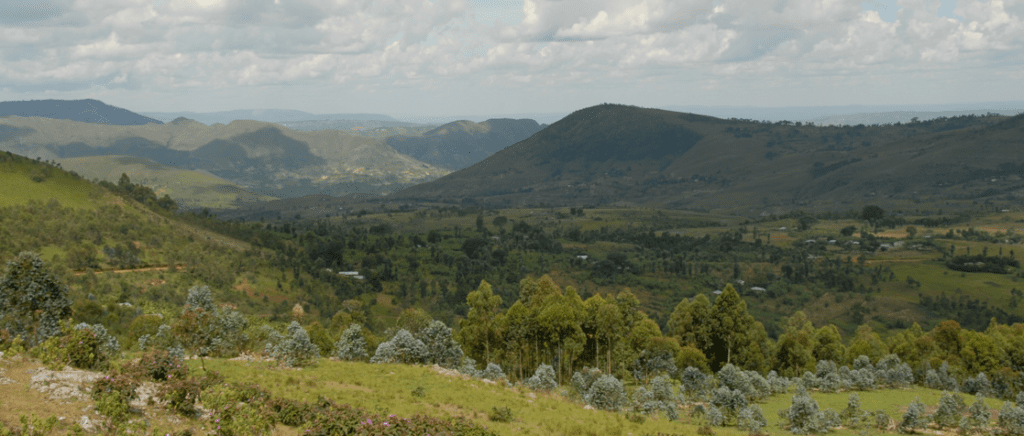
The misty highland ridges, dense, primary canopies, and serene shores of Lake Tanganyika present an incredible alternative to crowded commercial travel loops. For modern experiential travelers, independent wildlife photographers, and heritage enthusiasts, this small nation represents one of the final true frontiers of authentic African travel. From standing in awe before the thunderous rhythms of the Royal Drummers at Gishora to tracking wild primates through ancient rainforests, the country offers raw, unforgettable adventures. However, because its weather patterns balance between intense equatorial downpours and hot, dry savannah winds, organizing an itinerary here requires a calculated approach. Consulting our comprehensive guide on the Best Time to Book Burundi Safari: Prices & Availability is a vital step to ensure your expedition remains seamless, cost-effective, and perfectly managed from start to finish.
When planning a multi-country African safari, travelers often assume that seasonal weather conditions and booking rules are uniform across the continent. In reality, moving between nearby destinations like Tanzania, Rwanda, or the Democratic Republic of the Congo reveals vastly different infrastructure realities, seasonal changes, and accommodation availability. While neighboring countries have large hospitality sectors that can handle last-minute bookings, Burundi operates within a highly localized, intimate travel network. Failing to plan for its short booking windows, distinct rainy seasons, and limited room availability can leave you without premium lodging or access to national parks. By understanding the local seasonal calendar, tracking how prices change throughout the year, checking permit rules, and mapping out the perfect booking timeline, you can travel with complete confidence. Let’s look at the essential rules, operational realities, and pricing structures that define an exceptional vacation in this beautiful region
1: The Seasonal Weather Matrix of Burundi
To determine the ideal window for your trip, you must understand the four distinct seasons that shape travel conditions, road access, and wildlife movements across the country.
The Long Dry Season (June to September) – Peak Period
The months of June, July, August, and September represent the absolute peak window for exploring the country’s wilderness. During this long dry spell, rainfall is scarce, humidity drops, and skies remain clear. Temperatures average a comfortable 20°C to 25°C in the highlands, though they rise to around 28°C along the lower shores of Bujumbura.
In terms of wildlife viewing, this is the prime window for exploring the savannahs of Ruvubu National Park. As natural water holes dry up across the interior, animals like hippos, buffaloes, and various antelope species gather along the permanent banks of the Ruvubu River, making them much easier to spot.
Crucially, the steep clay paths of Kibira National Park dry out completely during these months. This makes it the perfect time for travelers booked on our comprehensive Burundi Tours to enjoy stable, safe trekking conditions.
The Short Wet Season (October to November) – The Transition
October and November bring the arrival of the short rainy season, characterized by intermittent afternoon downpours. While these rains rarely disrupt morning safari activities, they cause a rapid transformation in the landscape, turning the dry savannahs into lush, vibrant green field.
This period is highly attractive to bird-watching enthusiasts, as thousands of migratory bird species flock to the wetlands of the Rusizi River Delta. However, because secondary unpaved roads can occasionally become muddy, having a reliable 4×4 land cruiser is essential for keeping your itinerary on track.
The Short Dry Season (December to January) – The Holiday Window
Spanning late December through January, this brief dry window offers excellent travel conditions across the country. The weather is warm, sunny, and clear, with minimal rainfall.
It is a fantastic time for combining outdoor exploration with beach relaxation along Lake Tanganyika. This season also hosts vibrant community gatherings and independence celebrations, making it an ideal choice for travelers looking into our specialized Cultural Tours.
The Long Wet Season (February to May) – The Green Frontier
The longest and most intense rainy season runs from February through May, with rainfall peaking in March and April. During this period, the country experiences heavy equatorial downpours, often accompanied by dense mountain mists in the highlands.
The primary challenge during these months is road logistics. Unpaved tracks leading into remote national parks can become very muddy and difficult to navigate, and the steep forest trails of Kibira turn into slick clay slides.
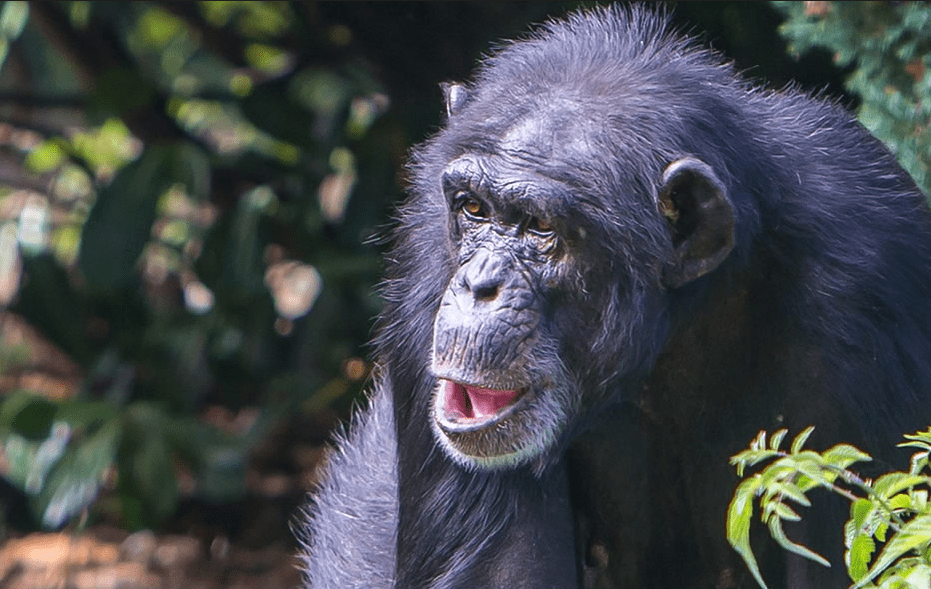
While tracking chimpanzees remains technically operational, it requires excellent physical fitness and professional-grade waterproof gear. For adventurous travelers who don’t mind the rain, however, this season offers unmatched solitude and the lowest prices of the year.
2: Pricing Dynamics – High Season Premium vs. Low Season Discounts
Understanding how prices change across the seasonal calendar will help you optimize your travel budget effectively.
High Season Price Dynamics (June to September & December)
During the peak dry months, travel demand rises significantly. This increased interest causes a noticeable bump in overall tour prices, driven primarily by higher rates at premium boutique hotels in Bujumbura and key eco-lodges near the parks.
Additionally, because the supply of high-quality, safari-ready 4×4 vehicles is limited, vehicle leasing costs peak during these months. To secure standard rates and avoid last-minute price spikes from secondary providers, booking well in advance is essential. This careful budgeting is a key part of our high-end Primate Safaris.
Low Season Discounts (February to May)
If you are a flexible traveler looking to maximize your budget, the long rainy season offers excellent value. To keep their rooms filled, upscale hotels in the capital drop their rates by 20% to 35% compared to peak summer prices.
Furthermore, private transport operators and local guides are much more open to negotiating custom package deals. This means you can experience a high-end, tailored holiday for a fraction of the standard price, while enjoying the parks entirely to yourself. It’s a fantastic strategy for budget-conscious travelers looking to connect with wider East Africa Safaris.
3: Availability Dynamics – The Reality of Limited Infrastructure
Because the country’s tourism industry focuses on intimate, low-impact travel, understanding accommodation availability is critical for a smooth trip.
The Boutique Accommodation Bottleneck
Unlike heavily commercialized safari destinations that feature thousands of hotel rooms, Burundi’s upscale hospitality market is small and exclusive. In Bujumbura, there are only a handful of premium hotels, such as the Kiriri Garden Hotel and Hotel Club du Lac Tanganyika, that consistently meet the safety, amenity, and culinary standards expected by international luxury travelers.
Outside the capital, near Kibira or Ruvubu, accommodation options are even more limited, often consisting of just one or two reliable eco-lodges or private tented camps. During the peak dry season, these properties fill up months in advance with diplomat delegations, NGO conferences, and international tour groups, making last-minute adjustments nearly impossible.
Chimpanzee Trekking Permit Allocations
To protect wild primate populations and prevent habitat disruption, park authorities enforce strict limits on daily visitor numbers for chimpanzee tracking in Kibira National Park.
Unlike gorilla permits in neighboring countries, which are managed via centralized digital booking portals, securing primate permits in Burundi requires direct, physical coordination with park managers. During the peak summer months, these limited spots sell out quickly. Ensuring your permits are secured early is vital to keeping your travel dates locked in, a seamless process included in all our luxury Rwanda Tours.
5: Important Regional Regulations & Field Rules
Before finalizing your travel timeline, ensure your plans comply with official guidelines and local environmental laws.
Make sure your passport is valid for at least six months past your dates of travel and check all entry guidelines with the Burundi Immigration Authorities and Rwanda Immigration Services before arriving. Remember that immigration officers at all border entry checkpoints strictly enforce the presentation of a physical Yellow Fever International Certificate of Vaccination card.
Additionally, be mindful of environmental regulations: the country enforces a strict ban on single-use plastic bags to protect its natural ecosystems. All plastic bags will be confiscated at the airport customs counter, so utilize reusable canvas dry bags for packing your gear instead.
Why Choose Feather Trail Safaris for Your Journey
Coordinating a flawless holiday across East Africa involves balancing many precise operational pieces, from securing date-specific primate permits and leasing immaculate 4×4 vehicles to managing local currency exchanges and navigating shifting seasonal weather patterns. Attempting to arrange these complex logistics independently can easily lead to booking errors, dropped reservations, or unexpected field delays.
At Feather Trail Safaris, we specialize in creating seamless, sustainable, and luxurious African expeditions. We manage every single detail of your itinerary on your behalf, from securing your hard-to-get tracking permits to booking premium boutique hotels, providing reliable 4×4 land cruisers, and matching you with top local guides who understand the seasonal movements of wildlife. Our deep regional roots, direct partnerships, and unyielding commitment to guest safety ensure you enjoy a world-class, stress-free holiday.
Are you ready to design your perfectly timed African safari with expert support every step of the way? Which specific wildlife encounters or cultural landmarks are you most excited to include in your custom itinerary? Let us know, and our team will craft your tailored blueprint.
FAQ Section
What is the Best Time to Book Burundi Safari: Prices & Availability guide?
This official trip-planning guide offers an expert evaluation of the country’s seasonal weather patterns, high and low season safari costs, permit availability, boutique hotel capacity, and the ideal booking timeline for travelers.
When is the absolute best time of year to visit Burundi for a safari?
The best travel windows are during the long dry season from June to September, or the short dry season from December to January. These months feature dry trails, great road conditions, and excellent wildlife viewing opportunities.
Are safari tour prices lower during the rainy season?
Yes, the long wet season from February to May serves as the primary low season. During these months, upscale hotels in Bujumbura and local operators lower their rates by 20% to 35%, offering significant savings for flexible travelers.
Is accommodation readily available for last-minute bookings?
No, the premium hospitality sector in Burundi is small and exclusive, featuring a limited number of boutique hotels and eco-lodges. During the peak dry season, these properties fill up months in advance, so last-minute bookings are highly discouraged.
What happens if I bring plastic bags into Burundi?
Burundi enforces a strict legal ban on single-use plastic bags to protect its natural environment. All plastic bags will be confiscated by customs officers at the airport, so travelers should use reusable canvas dry bags instead.
How can I book a customized safari with all permits and lodging managed for me?
You can easily secure a custom, worry-free safari with all lodging, private 4×4 transport, driver-guides, and park permits pre-arranged by submitting an inquiry through our website’s main contact form.