
Burundi Packing List for Chimpanzee Trekking & Wildlife Safaris
The untamed landscapes of the Albertine Rift offer an incredible alternative to more commercialized travel routes. For independent explorers, wildlife photographers, and heritage enthusiasts, this small East African country represents one of the final true frontiers of authentic travel. From standing in awe before the synchronized, thunderous rhythms of the Royal Drummers at Gishora to tracking wild primates through deep primary canopies, the region delivers raw, unforgettable adventures. However, because its ecological zones range from hot, humid river deltas to misty, high-altitude montane rainforests, preparing a trip here requires a detailed approach. Consulting our comprehensive Burundi Packing List for Chimpanzee Trekking & Wildlife Safaris is an essential step to ensure your expedition remains seamless, comfortable, and perfectly managed from start to finish.
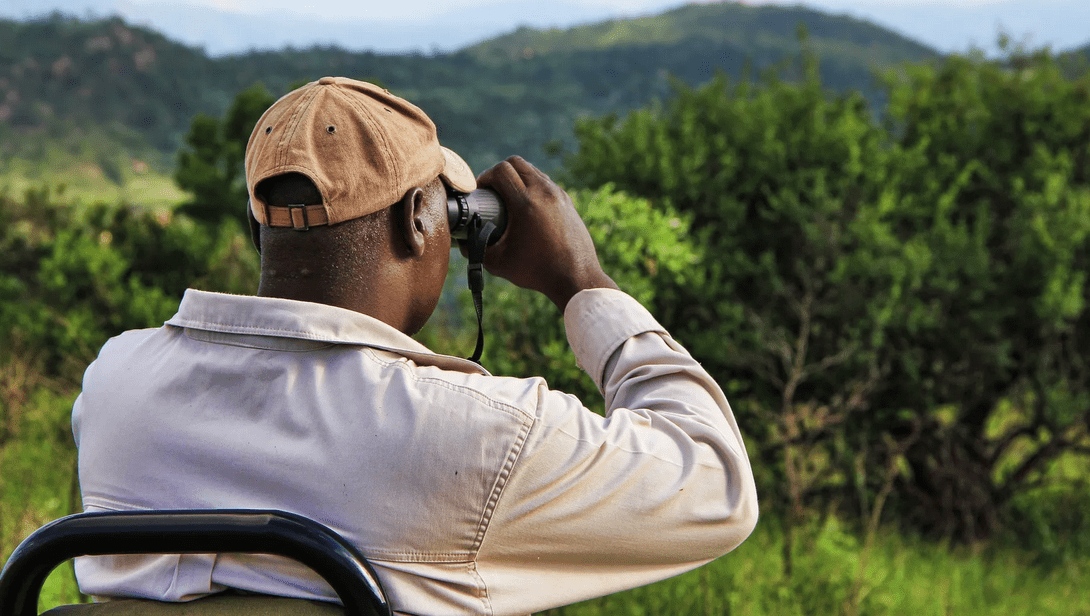
When organizing an African safari, travelers often expect a uniform environment across borders. In reality, moving between nearby destinations like Tanzania, Rwanda, or the Democratic Republic of the Congo reveals vastly different microclimates, terrains, and packing requirements. While some destinations are dominated by wide, dry savannahs where open-sided vehicles do all the work, Burundi requires active on-the-ground exploration. For instance, the steep, dense, and humid trails of Kibira National Park demand highly technical forest gear, while the coastal wetlands of Rusizi National Park require lightweight sun protection. Failing to prepare for these diverse conditions can result in blistered feet, insect-borne discomfort, or ruined camera equipment. By understanding the optimal clothing layers, technical footwear, essential field items, and tech gear needed, you can travel with complete confidence. Let’s look at the essential gear, operational items, and physical frameworks that define an exceptional journey in this beautiful region.
Section 1: Footwear Dynamics – Navigating Rugged Rainforest Terrain
Your choice of footwear is the single most critical factor determining your comfort and safety while trekking through the dense forests of Central Africa.
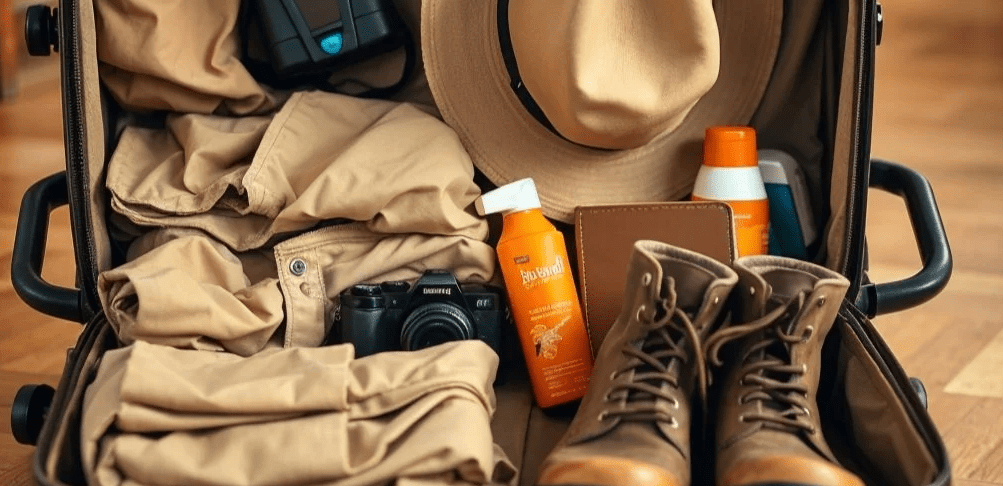
Sturdy Hiking Boots over Standard Trail Sneakers
The dense montane rainforest of Kibira National Park does not feature smooth, flat walking paths. Tracking chimpanzees means following your park rangers off-trail, scrambling over moss-covered logs, crossing slick streams, and navigating steep clay ridges that become incredibly slippery when wet.
Standard running shoes or light fashion sneakers lack the structural rigidity and ankle support required to prevent sprains on this uneven terrain. Ensure your packing plan prioritizes ankle-high, broken-in, waterproof hiking boots built with deep lugged soles.
The Mandatory Inclusion of Trail Gaiters
Even with premium waterproof boots, a deep forest trek presents additional natural challenges like safari ants (Dorylus), biting midges, thick mud, and damp leaf debris. When a column of aggressive foraging ants crosses your path, they will quickly climb up your footwear.
Wearing adjustable canvas or nylon trail gaiters over your boots and lower pants seals off any entry points, keeping insects, ticks, and mud completely away from your skin. This simple piece of equipment is highly recommended for all travelers participating in our specialized Primate Safaris.
Section 2: Clothing Selection – Technical Layers & The Safari Color Code
Choosing the right fabrics and colors is essential for staying cool, avoiding insect bites, and respecting local regulations.
The Science of the Safari Color Code
When packing your wardrobe, the specific colors of your technical clothing are highly important. In sub-Saharan ecosystems, specific visual wavelengths attract dangerous insects or disrupt wildlife behaviors:
The Blue and Black Ban: Avoid packing dark blue or pure black clothing. These specific tones are highly attractive to tsetse flies (Glossina), whose painful bites can transmit African sleeping sickness.
The Bright and White Ban: Bright fluorescent tones, loud pinks, and stark whites stand out dramatically in the forest canopy, making wild primates nervous and causing them to retreat into the upper branches. White also stains permanently on the red clay trails.
The Military Camouflage Ban: Wearing camouflage patterns of any kind is strictly illegal for civilians across many African nations, including Burundi. Camouflage is legally reserved for military personnel and field anti-poaching units.
The Golden Standard: Stick to a neutral palette of earthy tones, including khaki, olive drab, tan, mocha, and light sage green. These colors blend into the environment naturally and keep you cool, a baseline standard integrated into all our custom Burundi Tours.
Layering for Varied Microclimates
Burundi’s landscapes experience dramatic temperature swings depending on altitude and time of day. Early morning game drives in the savannahs of Ruvubu National Park can feel crisp and chilly, while afternoons along the beaches of Lake Tanganyika are hot and tropical.
To stay comfortable, choose long-sleeve shirts with button-up sleeves and durable cargo pants made from ripstop nylon or technical synthetic blends. These fabrics dry quickly when exposed to humidity or sudden rain.
Section 3: Essential Field Accessories for Primate Trekking
When heading into deep forest terrain, carrying these specialized accessories will help keep you safe and focused on your wildlife encounters.
Heavy-Duty Gardening Gloves
While it may seem unusual for a vacation wardrobe, a pair of thick leather or reinforced canvas gardening gloves is an invaluable addition to your gear. When tracking fast-moving chimpanzee troops through dense undergrowth, the terrain can require you to grab onto nearby vines, saplings, and roots to maintain your balance on steep slopes.
Many of these forest plants are covered in hidden thorns, sharp bark, or stinging nettles. Wearing durable gloves allows you to move safely and confidently through the thickest foliage without scraping or cutting your hands.
Packable Trekking Poles and Daypacks
A lightweight, collapsible carbon-fiber trekking pole provides extra stability on slippery clay trails and reduces strain on your knees during long descents. Pair this with a lightweight, waterproof 20L to 30L daypack featuring a secure chest strap and hip belt.
Your daypack should be large enough to carry your mandatory camera gear, rain shell, personal medication, and fresh water. It’s an essential kit for exploring regional wilderness loops like our custom Rwanda Tours.
Section 4: Technical Electronics & Camera Gear Specifications
Capturing clear, professional-grade images of fast-moving wildlife in low-light rainforest conditions requires the right equipment.
Telephoto Lenses and Low-Light Capabilities
Chimpanzees spend a significant portion of their day high up in the primary forest canopy, often obscured by thick branches, leaves, and shadows. Standard smartphone cameras lack the zoom range and low-light sensor performance needed to capture sharp details at these distances.
Serious photographers should pack a high-performance mirrorless or DSLR camera body with strong high-ISO capabilities to handle the dim forest light. Pair your camera with an adjustable telephoto zoom lens reaching at least 300mm or 400mm to frame clear shots of wildlife safely and ethically, a core focus of our dedicated Cultural Tours.
Protecting Your Tech from Tropical Moisture
The high humidity and sudden rain showers of Central Africa’s montane forests can quickly damage delicate electronics. Protect your investments by packing form-fitting neoprene rain covers for your camera bodies and lenses.
Additionally, store your memory cards, batteries, and smartphones inside heavy-duty, clear Ziploc bags or specialized dry sacks within your daypack. Throwing a few packets of silica gel into your camera bags helps absorb excess ambient moisture and prevents internal lens fogging during long field days.
Section 5: Medical, Health, and Sun Protection Kit
Staying healthy and protected from environmental factors ensures you can enjoy every day of your expedition to the fullest.
High-Concentration Insect Repellent and Sun Care
Biting insects, ticks, and sun exposure are part of any African adventure. Ensure your medical kit features a premium insect repellent spray with a 30% to 50% DEET or Picaridin concentration to protect against malaria-carrying mosquitoes.
Pair your insect protection with a broad-spectrum, reef-safe SPF 50+ sunscreen and a wide-brimmed safari hat to shield your face and neck during open-boat cruises on the Rusizi River Delta or walking tours through historic sites.
Navigating Health Rules and Entry Financial Customs
Before heading to the international departure terminal, review the required health protocols and paperwork. Burundian immigration officers strictly require all incoming international travelers to present a valid physical Yellow Fever International Certificate of Vaccination card.
Ensure you have completed all health checks with the Burundi Immigration Authorities and reviewed transit guidelines with Rwanda Immigration Services if your trip includes regional stops. Additionally, bring clean foreign banknotes printed after 2021 for local cash needs, and verify that you have high-limit medical evacuation insurance to protect your budget from unexpected emergency costs.
Why Book Your Safari with Feather Trail Safaris
Coordinating an intricate, multi-country holiday across East and Central Africa involves managing many specific details, from securing rare primate tracking permits and arranging private 4×4 transport to choosing secure eco-lodges and setting up communication grids. Attempting to arrange these complex logistics independently can easily lead to booking errors, unexpected field delays, or equipment issues.
At Feather Trail Safaris, we specialize in creating seamless, sustainable, and unforgettable regional tours. We handle every single detail of your itinerary on your behalf, from covering your park permits and upfront fees to providing immaculate 4×4 land cruisers, pairing you with the most experienced local guides, and recommending the perfect gear for your specific route. Our deep local knowledge, strict safety standards, and premium regional network allow you to focus entirely on the magic of your wildlife encounters.
Ready to secure a perfectly managed adventure through the heart of Africa? Contact Us today to connect with a dedicated travel expert and begin designing your custom itinerary.