
Burundi Safari Cost Breakdown: Lodges, Permits & Guides
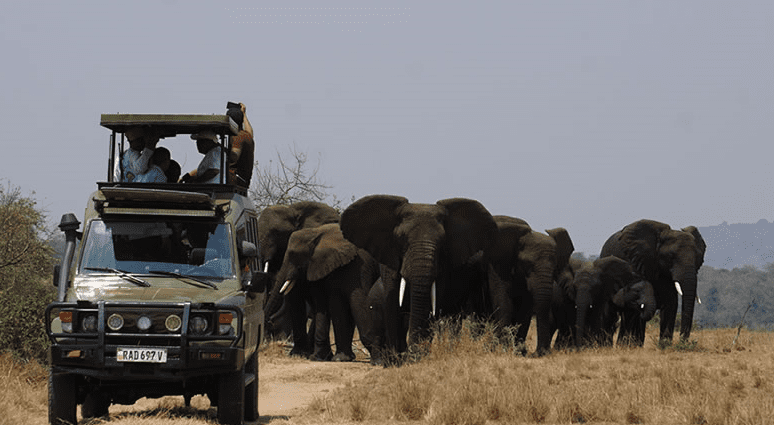
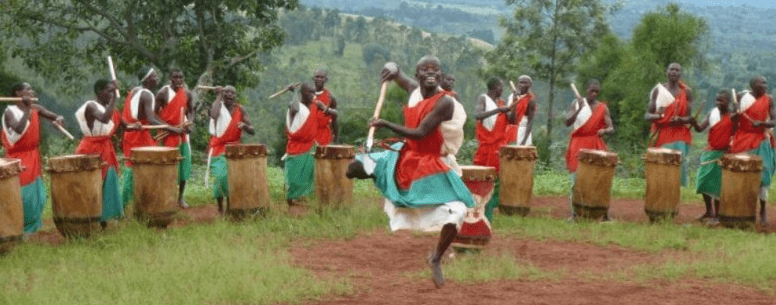
The misty highland ridges, ancient primary canopies, and pristine beaches of the Albertine Rift offer an incredible alternative to more commercialized travel routes. For independent explorers, wildlife photographers, and heritage enthusiasts, this small East African country represents one of the final true frontiers of authentic travel. From standing in awe before the synchronized, thunderous rhythms of the Royal Drummers at Gishora to tracking wild primates through deep volcanic forests, the country delivers raw, unforgettable adventures. However, because its travel infrastructure is highly personalized and developing, calculating a trip budget requires a detailed approach. Consulting our comprehensive Burundi Safari Cost Breakdown: Lodges, Permits & Guides is a critical step to ensure your expedition remains seamless, financially transparent, and perfectly managed from start to finish.
When planning a multi-country African safari, travelers often assume that logistical costs, permit fees, and accommodation prices are uniform across borders. In reality, moving between nearby destinations like Tanzania, Rwanda, or the Democratic Republic of the Congo reveals vastly different infrastructure realities, supply dynamics, and booking rules. While neighboring countries possess massive hospitality networks that cater to high-volume commercial travel, Burundi operates within a highly localized, intimate travel market. Failing to prepare for its unique upfront cash structures, specialized 4×4 vehicle lease requirements, and distinct permit allocations can result in unexpected field costs or administrative delays. By understanding the cost of luxury eco-lodges, tracking permits, private transport fees, and guide gratuity expectations, you can travel with complete confidence. Let’s look at the essential rules, operational costs, and budget structures that define an exceptional vacation in this beautiful region.
Section 1: Lodging and Accommodation Tariffs – The Price of Exclusivity
The largest single variable in your travel budget is accommodation. Because the local hospitality market is small and highly personalized, pricing reflects a luxury niche rather than mass-market competition.
Premium Luxury Boutique Hotels (Bujumbura & Beyond)
In the capital city of Bujumbura, high-end international business travelers and upscale vacationers rely on a limited collection of top-tier properties, such as the Kiriri Garden Hotel and Hotel Club du Lac Tanganyika. These properties provide excellent safety parameters, reliable backup power systems, high-speed internet connectivity, and fine dining options.
Average Cost: Expect to pay between $250 and $450 USD per room per night for a standard double room at this level.
Peak Window Surcharge: During peak corporate meeting windows or the dry summer months (June to September), rates frequently increase by 15% to 25%, making early booking essential.
Interior Eco-Lodges and Wilderness Camps
Once you leave the capital to explore interior destinations like Gitega, Ruvubu National Park, or the hills around Kibira National Park, traditional five-star luxury resorts do not exist. Instead, the market features simple, comfortable guest houses, private tented safari camps, and small eco-lodges.
Average Cost: Comfortable, mid-range wilderness lodging generally runs between $120 and $220 USD per night, often including a basic breakfast.
The Single Supplement Factor: Travelers journeying alone should note that most interior properties charge a single supplement fee, which typically adds 30% to 50% to the base room rate. This is an important detail we integrate transparently when customizing our signature Burundi Tours.
Section 2: Park Entry Fees & Primate Permits – Fixed Conservation Costs
Unlike accommodation rates, national park entry fees and primate permits are fixed conservation costs regulated by local wildlife management authorities.
Kibira National Park Chimpanzee Tracking Permits
Tracking a wild troop of habituated chimpanzees through the dense canopy of Kibira National Park is one of the most exciting highlights of any Central African journey. Fortunately, primate viewing permits here remain highly affordable compared to neighboring destinations.
While a single mountain gorilla tracking permit costs 1,500 USD in Rwanda or 800 USD in Uganda, a Kibira National Park chimpanzee tracking permit typically ranges from 90 to 150 USD per person for international non-resident travelers. This lower price point makes the country an exceptionally high-value choice for travelers booking our dedicated Primate Safaris.
General National Park Entry Fees & Activity Charges
For standard wildlife viewing and nature walks across the country’s diverse reserves, keep these entry tariffs in mind:
Ruvubu & Rusizi National Parks: Daily park entry fees for foreign non-resident adults average $20 to $30 USD per day. This fee grants access to the park for a 24-hour window and directly funds anti-poaching patrol units.
The Gishora Royal Drummers Performance: To witness the famous cultural performance at the Gishora Drum Sanctuary, travelers pay a specialized reservation fee, usually between 80 and 100 USD per group. This fee supports the local preservation group and ensures the continuation of this UNESCO-recognized heritage art form, a staple of our customized Cultural Tours.
Section 3: Ground Transport Logistics – Private 4×4 Leasing and Fuel Dynamics
Navigating the country’s beautiful, mountainous terrain requires heavy-duty transport, making ground logistics a key element of your overall budget.
Private Safari Land Cruiser Leasing Rates
The interior roads connecting Bujumbura to the primary primate habitats of Kibira or the savannahs of Ruvubu wind through steep volcanic hills. Many secondary access roads are unpaved, turning into rough dirt and clay tracks that require a powerful 4×4 vehicle.
Standard sedans or light city crossovers are entirely unsuited for these routes. To ensure safety and reliability, you must lease a fully equipped, safari-grade 4×4 Land Cruiser or a rugged 4×4 omni-bus.
Average Cost: A private, well-maintained 4×4 safari vehicle lease runs between 150 and 250 USD per day. This baseline cost includes comprehensive commercial vehicle insurance and the vehicle rental itself, but excludes fuel expenses.
Fuel Consumption Realities
Fuel prices across East Africa can experience frequent shifts due to import logistics and global energy market changes. Because your vehicle will often operate in low gear while climbing steep mountain trails or navigating deep mud, fuel consumption will be higher than standard highway driving.
On average, budget between 40 and 70 USD per day for fuel, depending on the total distance of your daily transit loop. This logistical reality is a core reason why we manage all transport costs upfront in our unified East Africa Safaris.
Section 4: Professional Guides, Rangers, and Tipping Standards
Pairing your itinerary with an experienced field team is essential for a rich, deep understanding of local wildlife and culture.
The Value of a Professional Driver-Guide
A professional local driver-guide serves as your navigator, translator, cultural ambassador, and logistics manager throughout your trip. They handle communication at police checkpoints, manage entry paperwork at national park offices, and share deep insights into the region’s rich history.
When you book a comprehensive vacation through a trusted agency, the cost of your professional guide is wrapped directly into your total tour package. If hired independently, a certified, multilingual driver-guide commands a professional fee of 50 to 80 USD per day.
Park Ranger Escorts & Tipping Guidelines
When you step onto the trails inside Kibira or Rusizi National Parks, you will be accompanied by armed wildlife rangers and tracking scouts. These dedicated professionals spend their days monitoring primate movements, clearing paths, and ensuring your safety in the wild.
While basic ranger fees are covered by your primary park entry permits, tipping is an important and customary practice across sub-Saharan Africa to reward exceptional field service.
Section 5: Food, Visas, and Emergency Financial Protocols
To round out your budget, you must account for daily dining expenses, entry documentation fees, and local currency rules.
Daily Dining and Beverage Costs
Food expenses across the country are quite reasonable, especially when enjoying fresh, local ingredients:
In the Capital: A three-course meal at an upscale restaurant overlooking the lake in Bujumbura ranges from $25 to $45 USD per person, including non-alcoholic beverages.
In the Interior: Lunches and dinners at regional guesthouses or small towns are highly budget-friendly, typically costing between $8 and $15 USD per meal.
The Golden Rule: Always stick to bottled mineral water throughout your journey, budgeting about $2 to $4 USD per day for clean drinking water.
Visa Fees and Health Requirements
Before departing your home airport, verify that your entry documentation and medical paperwork are fully in order. Check all guidelines with the Burundi Immigration Authorities and Rwanda Immigration Services if your journey involves regional transit.
An international tourist visa typically costs $50 to $90 USD, depending on your nationality and the length of your stay. Additionally, immigration officers at all border entry points strictly require travelers to present a physical Yellow Fever International Certificate of Vaccination card before granting entry.
Why Book Your Expedition with Feather Trail Safaris
Managing an intricate holiday itinerary across East Africa involves balancing many specific details, including tracking current border rules, securing clean foreign banknotes, booking reliable private 4×4 vehicles, and choosing verified secure hotels. Attempting to manage these complex arrangements independently can easily lead to banking errors, unexpected expenses, or logistical delays in the field.
At Feather Trail Safaris, we specialize in organizing seamless, premium, and thoroughly vetted regional tours. We handle every single detail of your journey on your behalf, from covering your lodge fees and vehicle costs upfront to providing immaculate 4×4 land cruisers and pairing you with the most experienced local driver-guides. Our deep regional knowledge, strict safety standards, and premium travel network ensure you enjoy an authentic, stress-free, and unforgettable adventure.
Ready to secure a perfectly managed journey through the heart of Africa? Contact Us today to connect with a dedicated travel planner and begin designing your custom itinerary.
FAQ
What is the Burundi Safari Cost Breakdown: Lodges, Permits & Guides article?
This official financial breakdown provides an expert overview of the accommodation rates, primate trekking permit costs, private vehicle lease prices, park entry fees, and tipping guidelines needed to plan a safari budget.
What is the average daily cost of a comfortable mid-range safari in Burundi?
A comfortable mid-range safari typically runs between $350 and $550 USD per person per day. This estimated cost covers reliable eco-lodge stays, a private 4×4 vehicle lease, fuel, park entry fees, and a local driver-guide.
How much does a chimpanzee permit cost in Kibira National Park?
A chimpanzee tracking permit in Kibira National Park generally ranges from $90 to $150 USD per person for international non-residents, making it an exceptionally high-value alternative to primate tracking in neighboring countries.
Why is a private 4×4 vehicle required for traveling into the interior?
The roads leading to interior destinations like Kibira and Ruvubu wind through steep, mountainous terrain and include unpaved sections. Standard sedans cannot safely navigate these paths, making a rugged 4×4 vehicle mandatory.
What is the customary tip for a safari driver-guide in East Africa?
The standard baseline gratuity for a professional driver-guide ranges from $15 to $25 USD per day, given as a token of appreciation at the end of the journey.
Are meals and beverages expensive in Burundi?
Local meals and dining in regional guesthouses are very affordable, costing between $8 and $15 USD per meal. Dining at high-end restaurants in the capital city of Bujumbura ranges from $25 to $45 USD per person.
Is a Yellow Fever vaccination card required at the border?
Yes, a valid physical Yellow Fever International Certificate of Vaccination is a mandatory entry requirement checked by immigration officers at all ports of entry.
How can I book an all-inclusive safari with all costs managed upfront?
You can easily secure a custom, worry-free safari with all lodging, private 4×4 transport, driver-guides, and park permits pre-arranged by submitting an inquiry through our website’s main contact form.