
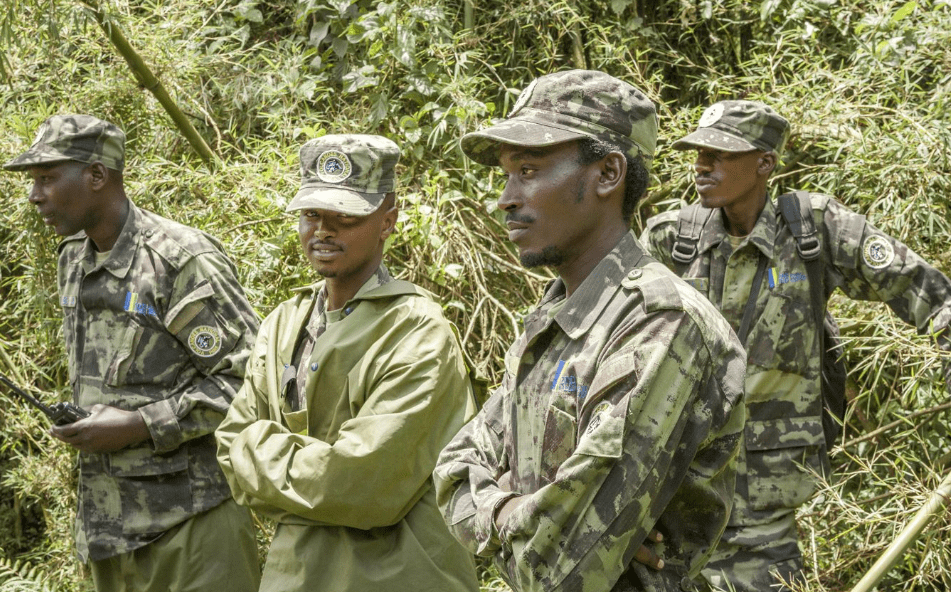
How Rangers Track Gorilla Families
Gorilla trekking is one of the most remarkable wildlife experiences in Africa, but finding a gorilla family in the dense rainforest requires skill, patience, and years of experience. Behind every successful trek are dedicated gorilla tracking rangers who understand the forest and closely monitor the movements of mountain gorillas.
These rangers play an essential role in both tourism and gorilla conservation. Their knowledge helps visitors safely observe gorillas while minimizing disturbance to these endangered animals.
Who Are Gorilla Tracking Rangers?
Gorilla tracking rangers are trained conservation professionals who spend much of their time in the forest monitoring gorilla families. They learn to recognize individual gorillas, understand their behavior, identify signs of movement, and follow trails through challenging terrain.
Many rangers develop an impressive ability to read the forest. Broken vegetation, footprints, feeding sites, dung, and other subtle signs can provide clues about where a gorilla family has recently moved.
Their work begins long before tourists enter the forest.
How Do Rangers Find Gorilla Families?
One of the most important techniques used by gorilla tracking rangers is monitoring the gorillas’ previous movements.
Gorilla families generally have familiar home ranges, although their exact location changes from day to day. Rangers who monitor the groups regularly can often predict the general direction in which a family may have traveled.
Early in the morning, trackers may enter the forest ahead of trekking groups to locate the gorillas. They follow signs such as freshly broken branches, feeding areas, footprints, and other evidence left behind by the animals.
Experienced trackers can distinguish recent signs from older ones, helping them determine which direction the gorillas have taken.
Rangers Recognize Individual Gorillas
Another important part of tracking is knowing the individual members of each gorilla family.
Rangers become familiar with gorillas by observing their physical characteristics, including facial features, body size, scars, nose patterns, and other distinctive traits. They also learn their personalities and social relationships.
This knowledge makes it easier to identify the correct family and monitor changes within the group.
For example, rangers may know which gorilla is the dominant silverback, which females have infants, and which younger gorillas are particularly active.

Protecting Gorillas During Tracking
Tracking is not simply about finding gorillas. It is also about protecting them.
Mountain gorillas are susceptible to human diseases, so visitors are required to follow strict trekking guidelines. Rangers help maintain a safe distance between tourists and gorillas and ensure that visitors behave responsibly around the animals.
They also monitor the gorillas for signs of illness, injury, unusual behavior, or other threats. Any important observations can contribute to wider conservation efforts.
Why Their Work Matters
The work of gorilla tracking rangers goes beyond guiding tourists through the rainforest. Rangers contribute directly to wildlife protection by monitoring gorilla populations and their habitats.
Their daily observations can help conservation teams understand gorilla movements, family structures, births, deaths, and behavioral changes.
At the same time, responsible gorilla tourism provides financial benefits that support conservation and local communities.
What Makes Gorilla Tracking So Special?
When visitors finally encounter a gorilla family, the experience can feel almost effortless. However, reaching that moment may involve hours of preparation, careful tracking, and detailed knowledge of the forest.
The expertise of gorilla tracking rangers makes this possible. Their ability to follow subtle signs while respecting the animals allows travelers to experience mountain gorillas in their natural habitat without unnecessarily disturbing them.
The next time you go gorilla trekking, remember that the incredible encounter begins long before you see the first gorilla. It starts with the dedication, knowledge, and conservation work of the rangers protecting these extraordinary animals. Book Now
Written By Harriet Adul, Editorial Team
29/08/2026