
Indigenous Knowledge in Burundi: Traditional Medicine & Healing
Burundi preserves centuries of indigenous wisdom through its traditional medicine and healing practices. Indigenous Knowledge in Burundi remains an important part of daily life. Many communities still rely on local healers and medicinal plants to maintain their health and well-being.
Moreover, this knowledge reflects the country’s rich cultural heritage. Families have passed healing practices from one generation to another for centuries. These traditions continue to support both physical and spiritual wellness.
Today, visitors can learn about these customs through responsible cultural tourism. Travelers gain valuable insights into Burundi’s history, beliefs, and community life. They also discover how traditional medicine continues to complement modern healthcare.
If you enjoy authentic cultural experiences, exploring Burundi’s indigenous healing traditions offers a unique and meaningful journey.
What Is Indigenous Knowledge in Burundi?
Indigenous Knowledge in Burundi refers to the practical skills, beliefs, and traditions that local communities have developed over many generations. People use this knowledge to manage health, agriculture, food, and natural resources.
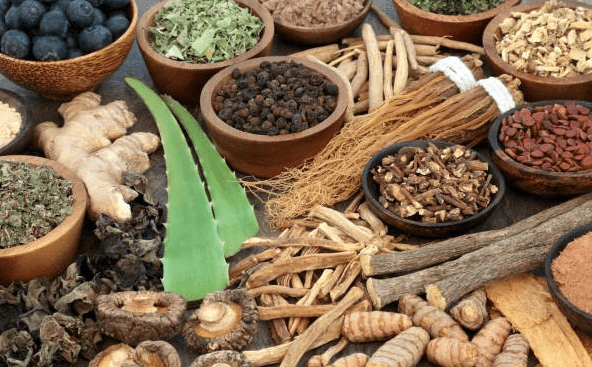
Traditional medicine forms one of its most respected components. Local healers understand the medicinal value of many native plants. They also know how to prepare remedies using leaves, bark, roots, flowers, and seeds.
Furthermore, indigenous knowledge extends beyond physical healing. Communities use ceremonies, storytelling, music, and spiritual guidance to promote emotional balance and social harmony.
This knowledge continues to strengthen community identity across Burundi.
The History of Traditional Medicine in Burundi
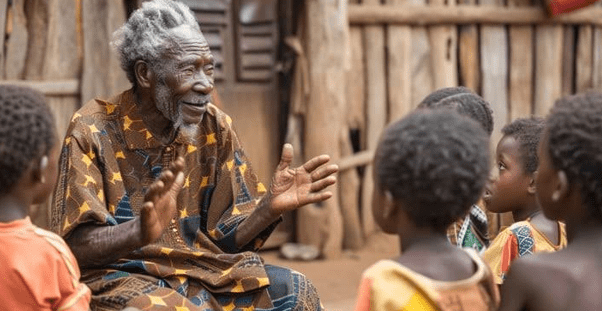
Traditional healing existed long before modern hospitals reached Burundi. For centuries, families depended on experienced healers for medical advice and treatment.
These healers carefully observed nature. They identified plants that relieved pain, reduced fever, healed wounds, and treated stomach illnesses. Over time, they refined these treatments through observation and experience.
Moreover, they shared this knowledge through oral traditions. Parents taught children. Grandparents guided younger generations. Consequently, valuable medical knowledge survived without written records.
Even today, many rural communities continue to consult traditional healers alongside modern healthcare providers.
Why Traditional Medicine Remains Important
Several factors explain why traditional medicine still plays an important role.
First, many rural communities live far from hospitals and clinics. Traditional healers often provide the nearest healthcare option.
Second, herbal remedies remain affordable. Families can collect many medicinal plants from nearby forests and fields.
Third, traditional healing respects local beliefs and customs. Patients often trust healers because they understand community traditions.
Finally, indigenous knowledge strengthens cultural identity. Communities value these practices because they connect people with their ancestors.
The Role of Traditional Healers
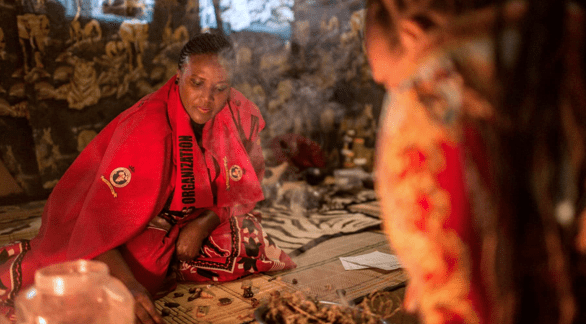
Traditional healers serve many important roles within Burundian society.
They diagnose illnesses using observation, interviews, and cultural knowledge. Next, they recommend herbal treatments, dietary advice, or spiritual guidance.
Many healers also help families during childbirth. Others treat minor injuries, digestive problems, skin conditions, and common infections.
Furthermore, respected healers often act as community counselors. They resolve conflicts and advise families during difficult times.
Their work combines medical knowledge with cultural understanding.
Medicinal Plants Used in Burundi
Burundi’s forests, wetlands, and hills support many valuable medicinal plants. Local communities have studied these plants for generations.
Aloe Vera
People use aloe vera to treat burns and skin irritations.
The fresh gel cools damaged skin. It also promotes faster healing.
Neem Tree
Communities value neem for its antibacterial properties.
Healers prepare leaves and bark to manage skin infections and minor wounds.
Artemisia
Artemisia grows in several parts of East Africa.
Traditional healers often prepare herbal infusions from its leaves.
Lemongrass
People drink lemongrass tea to ease digestion and reduce stress.
Additionally, its pleasant aroma promotes relaxation.
Ginger
Fresh ginger helps relieve nausea and digestive discomfort.
Communities also prepare ginger drinks during cold weather.
Forests as Natural Pharmacies
Burundi’s forests provide far more than wildlife habitat.
They also protect valuable medicinal plants.
Local communities understand which species grow in different environments. They know the best harvesting seasons. They also avoid damaging young plants.
Consequently, responsible harvesting helps preserve these resources for future generations.
Many healers encourage sustainable collection methods.
Preparing Traditional Herbal Remedies
Traditional healers carefully prepare herbal medicines.
First, they collect fresh plant materials.
Next, they clean and sort each ingredient.
Then, they grind, boil, or crush the plants into suitable remedies.
Some treatments become herbal teas.
Others become powders, oils, or ointments.
Every preparation follows knowledge developed through generations of practice.
Spiritual Healing in Burundian Communities
Healing extends beyond physical health.
Many communities believe emotional and spiritual well-being affects overall health.
Therefore, traditional healers sometimes include prayers, blessings, or community ceremonies during treatment.
These practices encourage hope, comfort, and emotional resilience.
They also strengthen relationships among family members.
Indigenous Knowledge and Environmental Conservation
Traditional medicine encourages people to protect nature.
Communities understand that healthy forests provide valuable medicinal plants.
Therefore, many elders teach younger generations to harvest responsibly.
They avoid removing entire plants when smaller portions will suffice.
Likewise, they protect water sources and sacred forests.
These practices support biodiversity while preserving cultural traditions.
Passing Knowledge to Younger Generations
Knowledge survives because experienced healers actively teach younger family members.
Young apprentices spend years observing treatments.
They learn to identify plants correctly.
They also practice preparing herbal remedies safely.
Eventually, they develop the skills needed to serve their communities.
This careful learning process helps preserve Indigenous Knowledge in Burundi.
Indigenous Knowledge and Modern Healthcare
Modern healthcare has expanded across Burundi. However, traditional medicine continues to play an important role. Many families combine both systems to meet their healthcare needs.
For example, people often visit health centers for vaccinations, surgery, and emergency care. At the same time, they may consult traditional healers for herbal remedies and cultural guidance.
Moreover, researchers increasingly study medicinal plants used in Burundi. Some traditional remedies contain compounds with promising medical properties. Scientists continue to investigate their safety and effectiveness.
Nevertheless, travelers should not replace professional medical care with traditional treatments. Always seek qualified medical advice for serious illnesses.
Challenges Facing Indigenous Knowledge
Although traditional knowledge remains valuable, several challenges threaten its survival.
Urbanization
Many young people move to cities for education and employment. As a result, fewer individuals learn traditional healing practices.
Deforestation
Medicinal plants depend on healthy forests. Unfortunately, habitat loss reduces the availability of many important species.
Climate Change
Changing rainfall patterns affect plant growth. Consequently, some medicinal species become more difficult to find.
Loss of Oral Traditions
Traditional healers mainly pass knowledge through spoken instruction. When elders pass away without apprentices, valuable knowledge may disappear forever.
Therefore, many cultural organizations now support documentation and preservation projects.
Responsible Cultural Tourism
Responsible tourism helps preserve Indigenous Knowledge in Burundi while benefiting local communities.
Visitors should always respect local customs and traditions. Ask permission before taking photographs of people or ceremonies. Dress modestly during community visits.
Additionally, support locally owned businesses whenever possible. Purchase handmade crafts directly from artisans. Hire local guides who understand community traditions.
Responsible travel creates income for families while encouraging cultural preservation.
Where Visitors Can Learn About Traditional Healing
Travelers can experience Burundi’s indigenous heritage through guided cultural tours.
Community Villages
Several villages welcome visitors interested in traditional lifestyles. Local guides explain herbal medicine, farming practices, and cultural customs.
Cultural Centers
Cultural centers showcase traditional knowledge through demonstrations and educational programs. Visitors learn about medicinal plants, music, dance, and storytelling.
Nature Walks
Guided forest walks introduce visitors to native medicinal plants. Experienced guides explain their traditional uses while promoting environmental conservation.
Traditional Markets
Local markets display fresh herbs, spices, and natural remedies. Visitors gain insight into everyday healthcare practices while supporting local vendors.
Medicinal Plants and Sustainable Conservation
Protecting medicinal plants benefits both people and wildlife.
Healthy forests provide clean water, fertile soil, and habitats for countless species. They also supply communities with valuable medicinal resources.
Many local organizations now encourage tree planting and sustainable harvesting practices. These efforts help preserve biodiversity while supporting traditional medicine.
Furthermore, conservation protects knowledge that future generations may continue to use and study.
Cultural Significance of Traditional Healing
Traditional medicine represents more than healthcare.
It reflects community identity, history, and shared values.
Families gather to prepare herbal remedies. Elders teach younger generations through practical experience. These activities strengthen family relationships and preserve cultural heritage.
Moreover, healing ceremonies often bring communities together during important life events. They reinforce cooperation, respect, and mutual support.
How Feather Trail Safaris Promotes Cultural Heritage
Feather Trail Safaris believes authentic tourism should benefit local communities.
Our cultural tours encourage respectful interaction with local people. We work closely with experienced community guides who share accurate cultural information.
Additionally, we promote responsible tourism practices that respect local traditions and protect natural resources.
Our itineraries include opportunities to:
- Visit traditional communities.
- Learn about medicinal plants.
- Explore local markets.
- Experience cultural performances.
- Discover Burundi’s rich heritage.
These experiences help travelers appreciate the depth of Indigenous Knowledge in Burundi while supporting community-based tourism.
Travel Tips for Cultural Visitors
Planning ahead improves your cultural experience.
Respect Local Customs
Always greet community members politely. Follow your guide’s advice during village visits.
Dress Modestly
Wear comfortable clothing that respects local traditions.
Ask Before Taking Photos
Some ceremonies and individuals may prefer privacy.
Support Local Communities
Purchase locally made crafts and products whenever possible.
Travel with Experienced Guides
Knowledgeable guides provide cultural context and help ensure respectful interactions.
Why Indigenous Knowledge Matters Today
Modern science continues to recognize the value of traditional knowledge.
Many medicines originate from natural plants first used by indigenous communities.
Furthermore, traditional healing encourages sustainable resource management and biodiversity conservation.
Protecting this knowledge benefits healthcare, education, culture, and environmental conservation.
Consequently, preserving indigenous traditions serves both present and future generations.
Conclusion
Indigenous Knowledge in Burundi remains one of the country’s greatest cultural treasures. Traditional medicine, herbal remedies, and community healing practices continue to shape daily life across many regions.
Moreover, these traditions connect people with their ancestors, natural environment, and cultural identity. They also demonstrate the remarkable relationship between people and nature.
Visitors who explore Burundi responsibly gain far more than memorable experiences. They discover living traditions that continue to inspire resilience, community, and environmental stewardship.
Feather Trail Safaris proudly offers authentic cultural experiences that respect local communities while promoting sustainable tourism. Join us to discover the remarkable heritage, traditional medicine, and living culture that make Burundi one of East Africa’s most fascinating destinations.
Frequently Asked Questions
What is Indigenous Knowledge in Burundi?
It includes traditional skills, beliefs, and practices that communities pass from one generation to another.
Is traditional medicine still common in Burundi?
Yes. Many communities continue to use traditional medicine alongside modern healthcare.
Who are traditional healers?
Traditional healers are respected community members with extensive knowledge of medicinal plants and cultural healing practices.
What medicinal plants grow in Burundi?
Common examples include aloe vera, neem, ginger, lemongrass, and several native forest species.
Can tourists learn about traditional medicine?
Yes. Guided cultural tours provide opportunities to learn respectfully from local communities and experienced guides.
Why is Indigenous Knowledge important?
It preserves cultural heritage, supports healthcare, and encourages sustainable environmental management.
How can visitors support local communities?
Choose responsible tour operators, buy local crafts, respect community customs, and hire local guides.
Is traditional medicine scientifically recognized?
Researchers continue to study many traditional plants. However, visitors should always seek professional medical advice for serious health conditions.