
Burundi Language Guide: Kirundi Phrases & Cultural Significance
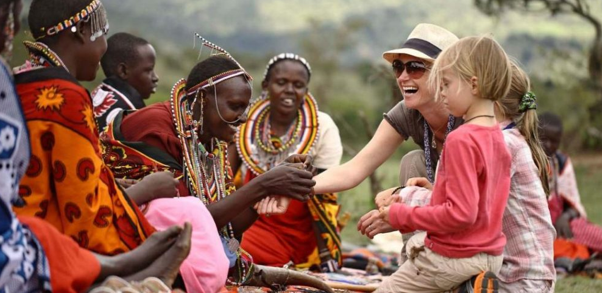
The Burundi Language Guide helps travelers understand Kirundi, the national language of Burundi. Learning basic phrases improves communication and cultural connection. Additionally, it shows respect for local traditions and people.
Kirundi is more than a language. It carries identity, history, and shared values. Therefore, learning it enriches every travel experience in Burundi.
This guide introduces essential Kirundi phrases, cultural meaning, pronunciation tips, and travel-friendly expressions. Moreover, it helps visitors interact confidently with local communities.
What Is Kirundi?
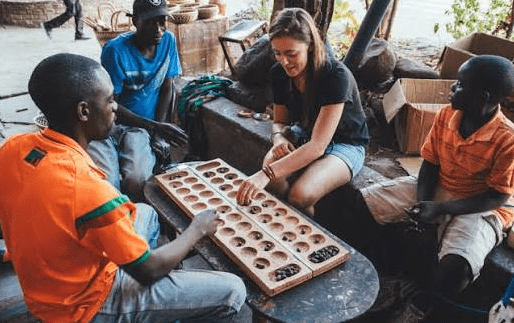
Kirundi is the national language of Burundi. Almost the entire population speaks it. It belongs to the Bantu language family.
Additionally, Kirundi is closely related to Kinyarwanda in Rwanda. Speakers from both countries can understand each other.
Kirundi plays a central role in daily life. People use it at home, in markets, and in ceremonies. Therefore, it shapes cultural identity strongly.
History of the Kirundi Language
Kirundi developed over many centuries in the Great Lakes region. Communities passed it orally from generation to generation.
However, colonization introduced French as an official language. Despite this, Kirundi remained dominant among local people.
Today, Kirundi continues to unite Burundians. It strengthens cultural pride and national identity.
Furthermore, schools teach Kirundi in early education. This helps preserve the language for future generations.
Why Learn Kirundi Before Visiting Burundi?
Learning Kirundi improves your travel experience significantly.
First, locals appreciate visitors who try speaking their language. It builds trust and friendliness.
Next, it helps in rural areas where English is limited. Therefore, communication becomes easier.
Additionally, it enhances cultural immersion. You understand people beyond simple translation.
Finally, it creates meaningful travel memories. Small greetings often lead to warm interactions.
Essential Kirundi Greetings
Greetings are very important in Burundi culture. People often greet before any conversation begins.
Hello
- Kirundi: Bwakeye
- Usage: Morning greeting
Good Morning
- Kirundi: Mwaramutse
- Usage: Formal morning greeting
Good Afternoon
- Kirundi: Mwiriwe
- Usage: Afternoon greeting
Good Night
- Kirundi: Ijoro ryiza
- Usage: Before sleeping
Thank You
- Kirundi: Murakoze
- Usage: Express gratitude
You Are Welcome
- Kirundi: Ntakibazo
- Usage: Response to thanks
Common Kirundi Phrases for Travelers
Travelers benefit from learning simple everyday phrases.
- How are you? → Amakuru?
- I am fine → Ni meza
- What is your name? → Witwa nde?
- My name is… → Nitwa…
- Where is…? → Iri he?
- How much? → Bingana iki?
- Yes → Ego
- No → Oya
- Please → Ndagusaba
- Excuse me → Mwihangane
These phrases help in basic communication during travel.
Useful Kirundi Words for Safaris
Safari travelers can use these helpful words:
- Animal → Inyamaswa
- Elephant → Inzovu
- Lion → Intare
- Forest → Ishamba
- Lake → Ikiyaga
- Mountain → Umusozi
- River → Umugezi
Moreover, these words help during guided tours in national parks.
Kirundi Pronunciation Tips
Kirundi pronunciation is phonetic. This means words are spoken as written.
However, stress patterns matter. Most words have soft and smooth pronunciation.
Additionally, listening to locals helps improve accuracy quickly.
Practice daily greetings to build confidence.
Languages Spoken in Burundi
Burundi uses three main languages:
- Kirundi (national language)
- French (official language)
- English (growing usage in education and tourism)
However, Kirundi remains the most widely spoken language.
Therefore, learning it gives travelers the best communication advantage.
Cultural Importance of Kirundi
Kirundi is deeply connected to Burundian identity.
It expresses respect, unity, and tradition. People use it in ceremonies, storytelling, and daily life.
Moreover, elders pass wisdom through Kirundi proverbs.
These proverbs carry moral lessons and cultural values.
Therefore, the language preserves history and community knowledge.
Kirundi Phrase Table (Starter Section)
| English | Kirundi | Meaning |
|---|---|---|
| Hello | Bwakeye | Morning greeting |
| Thank you | Murakoze | Gratitude |
| Yes | Ego | Agreement |
| No | Oya | Negation |
| How are you? | Amakuru? | Asking well-being |
| I am fine | Ni meza | Response |
| Goodbye | Murabeho | Farewell |
| Please | Ndagusaba | Polite request |
| Excuse me | Mwihangane | Attention |
| My name is | Nitwa | Introduction |
Common Kirundi Phrases for Travelers (Extended)
Here is a more complete set of useful Kirundi phrases for travelers:
| English | Kirundi | Usage |
|---|---|---|
| Hello | Bwakeye | Morning greeting |
| Good afternoon | Mwiriwe | Afternoon greeting |
| Good night | Ijoro ryiza | Night farewell |
| Thank you | Murakoze | Gratitude |
| You are welcome | Ntakibazo | Response |
| Yes | Ego | Agreement |
| No | Oya | Refusal |
| Please | Ndagusaba | Polite request |
| Excuse me | Mwihangane | Apology/attention |
| How are you? | Amakuru? | Greeting |
| I am fine | Ni meza | Response |
| What is your name? | Witwa nde? | Introduction |
| My name is… | Nitwa… | Self-introduction |
| Where is…? | Iri he? | Asking direction |
| How much is this? | Bingana iki? | Pricing |
| I don’t understand | Sinumva | Clarification |
| Help me | Mfasha | Request |
| I am lost | Narabuze | Emergency |
| Water | Amazi | Basic word |
| Food | Ibiryo | Basic need |
| Friend | Inshuti | Social word |
| Welcome | Murakaza neza | Hospitality |
Additionally, these phrases help travelers connect more deeply with locals during tours.
Language Etiquette in Burundi
Language etiquette is very important in Burundian culture.
First, always greet before starting any conversation. Greetings show respect.
Next, use polite expressions when asking for help. Words like “please” and “thank you” matter greatly.
Moreover, speak slowly and clearly when using Kirundi. Locals appreciate effort more than perfection.
Finally, smile while speaking. It builds trust and friendliness quickly.
Tips for Communicating with Local Communities
Communicating in Burundi becomes easier with a few simple strategies.
- First, learn basic greetings before arrival
- Then, practice pronunciation daily
- Additionally, observe how locals speak
- Moreover, use simple sentences
- Finally, ask politely when unsure
These steps improve your confidence significantly.
Cultural Significance of Kirundi
Kirundi is more than a communication tool. It reflects identity and unity.
Additionally, it connects families and communities. People use it in ceremonies, storytelling, and celebrations.
Moreover, Kirundi proverbs carry wisdom and moral lessons. Elders use them to teach younger generations.
Therefore, language preservation supports cultural survival.
Why Language Enriches Cultural Tourism
Language plays a powerful role in tourism experiences.
First, it builds emotional connections between travelers and locals.
Next, it improves understanding of cultural traditions.
Moreover, it enhances storytelling during tours.
Finally, it creates unforgettable travel memories.
Therefore, learning Kirundi transforms a simple trip into a cultural journey.
Learn Kirundi While Traveling with Feather Trail Safaris
At Feather Trail Safaris, we encourage cultural immersion.
Our tours introduce travelers to local communities across Burundi.
Additionally, guides help visitors learn basic Kirundi phrases during trips.
Moreover, we design cultural experiences that promote respectful interaction.
Therefore, travelers gain deeper understanding of Burundi’s heritage.
FAQs
What language do people speak in Burundi?
Most people speak Kirundi as their main language.
Is Kirundi difficult to learn?
No, Kirundi is simple for beginners with practice.
Can tourists speak English in Burundi?
Yes, but English is limited in rural areas.
What is the most important Kirundi greeting?
“Mwaramutse” is a common and respectful greeting.
Why is Kirundi important?
It represents culture, identity, and national unity.
Do guides speak English?
Yes, most safari guides speak English and French.
Should I learn Kirundi before traveling?
Yes, basic phrases improve cultural interaction.
How do locals feel when visitors speak Kirundi?
They appreciate it and respond warmly.
Conclusion
The Burundi Language Guide shows that Kirundi is more than words. It represents culture, respect, and identity.
Moreover, learning simple phrases helps travelers connect deeply with local communities. It also enhances cultural understanding and travel experiences.
Therefore, speaking Kirundi creates meaningful interactions throughout your journey.
Finally, book your cultural experience with Feather Trail Safaris to explore Burundi while learning its beautiful language in real life.