
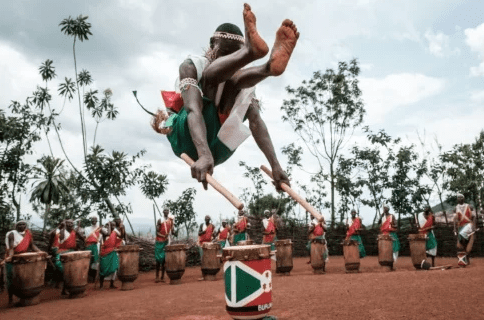
Burundian Communities Cultural Immersion: Living with Local Tribes
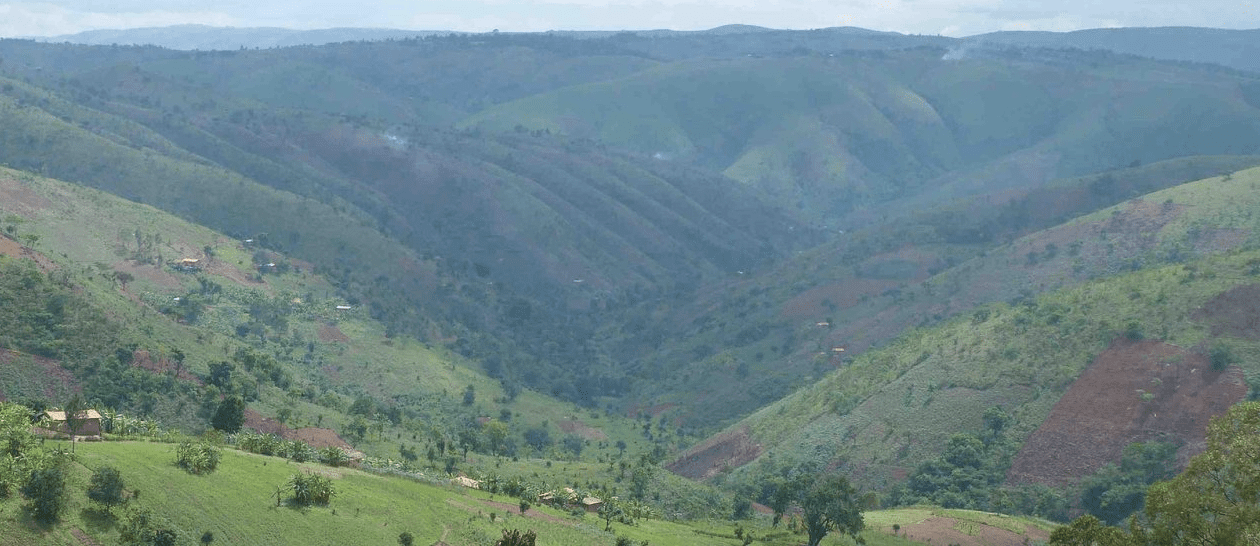
The travel landscape is changing rapidly. Modern travelers no longer want to just look at a destination through a camera lens. Instead, they want to connect deeply with the places they visit. Burundi offers an incredible opportunity for this kind of deep travel. It is a beautiful country located in the heart of East Africa. Often called the “Heart of Africa,” it features rolling green hills and pristine landscapes.
Most importantly, Burundi is home to some of the most welcoming people on the continent. A true adventure here goes far beyond standard sightseeing. By choosing a deep cultural experience, you can step directly into the daily rhythms of traditional villages. This comprehensive guide explores what it means to live alongside local communities. Discover how immersive tourism creates unforgettable memories and supports local development.
Understanding Burundian Communities Cultural Immersion
True cultural exchange requires active participation and mutual respect. In Burundi, community life is anchored by a deep philosophy of hospitality and togetherness. This cultural framework ensures that visitors are not treated merely as tourists. Instead, local villages welcome travelers as extended family members.
When you participate in a cultural tour, you enter a vibrant ecosystem of shared traditions. This approach to travel is highly sustainable. It allows local hosts to share their heritage proudly while maintaining control over their daily narratives.
Furthermore, this model prevents the commercialization of sacred traditions. Travelers gain an authentic understanding of East African life, and the community receives direct financial support. It is a beautiful, balanced partnership that redefines modern exploration.
Daily Rituals with Local Burundian Communities
What does a typical day look like when you live in a rural Burundian village? The adventure begins early in the morning as the hills wake up. The soft light of dawn reveals a mist rising off the valleys.
Morning Activities and Agricultural Life
The day starts with the sound of local birds and distant conversation. Morning routines are centered heavily around the land. Agriculture is the backbone of these rural societies. You will join your host family as they head out to the fields.
Farming Side-by-Side: You will work with traditional tools like hand hoes.
Tending Key Crops: Discover how locals cultivate vital staples such as cassava, sweet potatoes, and maize.
Sustainable Practices: Learn how these communities utilize organic, ancestral farming methods to keep the soil fertile.
The Art of Traditional Cooking
After a morning of rewarding work in the fields, activities shift back to the homestead. Food preparation is a communal event that brings everyone together.
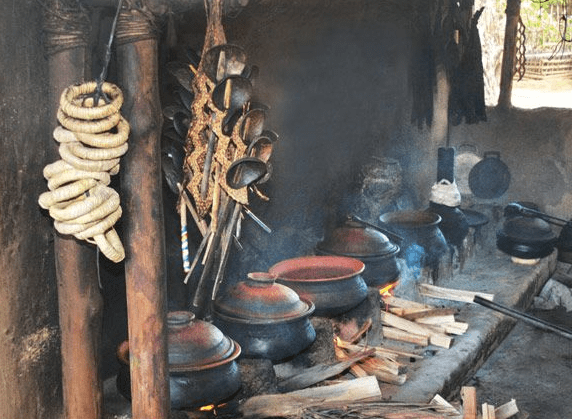
You will help gather fresh ingredients straight from the garden. Next, your hosts will teach you how to pound cassava root into a smooth flour. This flour is used to make ubugali, a thick and hearty staple dish.
Meanwhile, fresh fish caught from nearby Lake Tanganyika might be seasoned with local spices. The meal cooks slowly over an open wood fire, filling the courtyard with rich aromas. Sharing this food with your host family creates an instant, powerful human connection.
Cultural Immersion and the Ritual of the Drummers
No travel experience in Burundi is complete without encountering the country’s legendary musical heritage. Music and dance is woven into the fabric of everyday life. They serve as a primary way to pass down history, celebrate milestones, and express community joy.
The Royal Drummers of Gitega
The absolute pinnacle of this musical tradition is the ritual dance of the royal drums, known locally as the Ingoma. This ancient art form is distinct that it is recognized globally.
Originally, these powerful drums were played only for sacred royal ceremonies. Today, the master drummers of Gitega preserve this spectacular tradition with immense pride.
The performance is an incredible display of pure human energy. The heavy wooden drums are carved from sacred trees and balanced perfectly on the performers’ heads. The drummers leap, spin, and shout in perfect synchronization. The thundering rhythm vibrates deep in your chest, leaving an unforgettable impression.
Participating in the Rhythm
During your immersive tour, you will not just sit in the audience. The community elders will invite you to step forward and try the rhythms yourself.
Learning the basic stick techniques requires focus and coordination. As you attempt to match the booming baseline, the village will erupt in cheers and laughter. This shared joy breaks down all language barriers instantly. It shows that rhythm is a universal language.
Sustainable Impact of Community Tourism
Choosing a community-centered itinerary has a profound, positive impact on the ground. Conventional tourism often channels revenue toward massive international hotel chains. In stark contrast, community immersion tours keep resources exactly where they are needed most.
Direct Financial Empowerment
Your travel expenditures directly fund the livelihoods of your host families. This steady income provides financial stability in several key areas:
Education: Families can easily pay for school fees, books, and uniforms for their children.
Healthcare: Communities gain better access to medical clinics and essential medicines.
Home Improvements: Upgrades are made to local housing, sanitation systems, and clean water access.
Supporting Women’s Cooperatives and Artisans
In many Burundian communities, women run highly skilled artisan cooperatives. They specialize in weaving beautiful, intricate baskets called agaseke. These baskets feature striking geometric patterns that tell historic stories.
When you purchase these crafts directly from the makers, you support female entrepreneurship. This income allows women to invest in small business ventures, creating a positive economic ripple effect throughout the entire region.
Planning Your Burundian Communities Cultural Immersion
To make the most of your journey, you need to prepare mindfully. Immersive travel requires a flexible attitude and a willingness to step outside your comfort zone.
What to Pack for a Homestay
Rural areas in East Africa require practical, modest clothing. Consider packing these essential items:
Modest Attire: Pack loose-fitting trousers and long skirts to respect local cultural norms.
Sturdy Footwear: Durable walking shoes are necessary for farm work and rural paths.
Power Solutions: Bring a reliable power bank to keep your devices charged, as electricity in remote villages can be limited.
Personal Care: Pack biodegradable soaps and high-quality insect repellent.
Cultural Etiquette and Communication
Approaching your hosts with humility is key to a successful experience. Always ask for permission before taking photographs of individuals or their homes.
Furthermore, making an effort to learn a few words of Kirundi goes a long way. Greeting an elder with Bwakeye (Good morning) or wishing someone Amahoro (Peace) will bring bright smiles to everyone you meet.
| Kirundi Phrase | English Translation | Context for Use |
| Bwakeye | Good morning / Hello | Used when meeting people for the first time each day. |
| Amahoro | Peace (General greeting) | A beautiful, respectful way to say hello or goodbye. |
| Urakoze | Thank you | Use this frequently to show gratitude to your hosts. |
| Gitega | Gitega (Location) | The cultural heart of Burundi, famous for drumming. |
Embrace the Heart of Burundi
Ultimately, travel is about the connections we make and the perspectives we gain. A journey into rural Burundi changes how you see the world. It challenges the fast pace of modern life and reminds us of the value of community.
By living with local tribes, you gain an authentic look at an ancient heritage. You will return home with incredible stories, a deeper worldview, and lifelong friends. Let the rhythm of the drums guide you toward a more meaningful way of exploring our planet.
FAQs
What should I expect during a homestay with Burundian communities?
Expect a warm welcome and a simple, authentic lifestyle. You will likely stay in a traditional rural home, share communal meals cooked over open fires, and participate in daily agricultural or crafting activities. Amenities will be basic, often with limited electricity and running water, offering a true break from modern distractions.
Is it safe to travel to rural Burundi for cultural immersion?
Yes, traveling to rural areas with an established operator like Feather Trail Safaris is safe. Local communities are highly hospitable and protective of their international guests. Your dedicated local guide will accompany you at all times to ensure smooth communication and a secure, comfortable environment.
Do I need to speak the local language to participate?
Not at all. While the local language is Kirundi, your tour guide will translate everything for you. However, visitors who learn a few basic phrases like Bwakeye (“Good morning”) or Urakoze (“Thank you”) often earn their hosts’ appreciation. Moreover, these greetings help break the ice quickly.
How do these cultural tours benefit the local tribes?
These tours follow a strict sustainable tourism model. A significant portion of your tour fee goes directly to the host family and local village funds. This revenue directly finances school fees, healthcare, clean water access, and community-led women’s artisan cooperatives.
What is the best time of year to plan a cultural tour to Burundi?
The best time to visit is during the dry seasons, from June to August and December to January. During these months, rural roads are easily passable, and outdoor community activities, traditional dancing, and farm work are in full swing.