
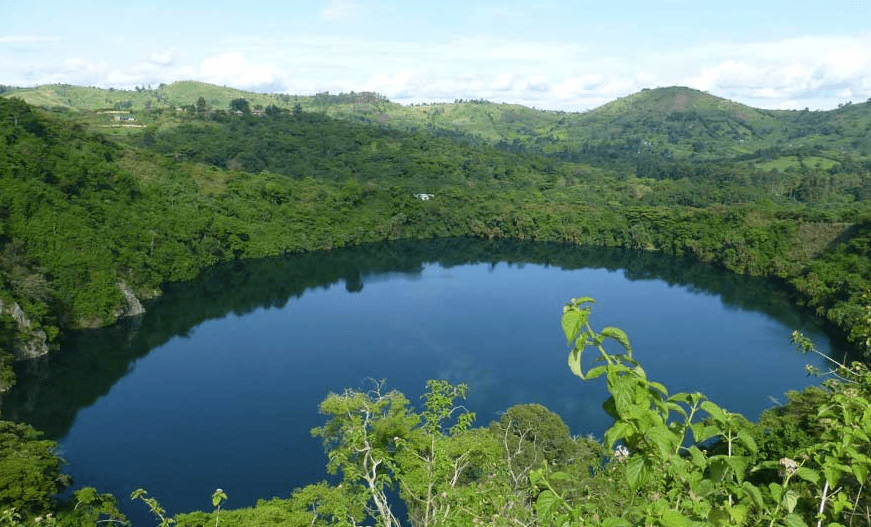
Burundi Crater Lakes: Scenic Drives & Photo Opportunities
The mist rises slowly over the northern hills of East Africa. Meanwhile, a deep turquoise hue reflects across the peaceful water below. Many travellers pass right by this hidden region. However, those who venture north discover a pristine paradise.
The magnificent Burundi crater lakes offer an off-the-beaten-path landscape. This unique destination combines winding mountain roads, spectacular volcanic vistas, and incredible avian biodiversity. It is a dream location for raw photography.
Burundi is famously called the “Heart of Africa” due to its shape. Furthermore, its diverse topography creates unique photographic environments. The country is well known for its chimpanzees in Kibira National Park. However, the true panoramic crown belongs to the northern aquatic ecosystems.
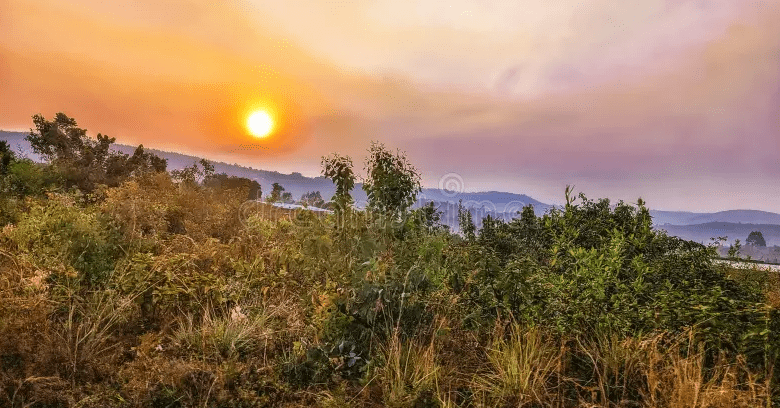
These water bodies include Lake Rwihinda, Lake Cohoha, and Lake Rweru. Geographically, these lakes are often categorized within the regional volcanic depressions of the Albertine Rift. Therefore, they offer majestic terrain for scenic drives.
This long-form travel guide covers everything you need to know. Specifically, we explore the best routes to the Burundi crater lakes. We will highlight prime vantage points and provide essential photography tips. Finally, we discuss how to book an ethical journey that supports local communities.
What Are the Burundi Crater Lakes?
Understanding the geological history makes your journey far more meaningful. The northern lakes sit within tectonic depressions. These structures are closely tied to ancient volcanic activity along the Albertine Rift.
Consequently, steep hills enclose these pristine basins. This layout forms classic amphitheatre structures. They resemble iconic caldera formations found elsewhere in East Africa.
The surrounding highlands feature vibrant green agricultural terraces. Therefore, the contrast between the red earth and the blue water is stunning. For photographers, this visual geometry creates endless depth.
Moreover, these lakes remain largely untouched by mass tourism. You will not find large cruise boats or crowded concrete hotels here. Instead, you will encounter local fishermen in traditional dugout canoes. They move quietly through the morning mist.
Additionally, this region serves as a vital ecological corridor. It supports thousands of migratory waterbirds every year. Thus, the natural landscape stays constantly dynamic. The changing weather patterns continuously alter the lighting conditions over the water.
The Major Lakes of the Northern Circuit
Lake Rwihinda: The Sacred Bird Sanctuary
Lake Rwihinda is the absolute highlight of the northern tour. It covers an area of about 5,000 hectares. Local communities historically protected this lake as a sacred site.
Consequently, the government established the Lake Rwihinda Natural Reserve to protect its wildlife. The reserve has become a major sanctuary for rare migratorybirds.
Primary Avian Species: African fish eagles, purple herons, and grey crowned cranes.
Photographic Appeal: Floating peat islands that drift across the water surface with the wind.
Best Viewpoint: The elevated southern ridge during the golden hour.
The drifting islands provide excellent nesting grounds for waterbirds. Furthermore, the birds are relatively accustomed to local dugout canoes. Therefore, patient wildlife photographers can capture incredible close-up shots. You can easily photograph birds taking flight against the dark green hills.
Lake Cohoha: The Shared Frontier
Next on the northern circuit is the expansive Lake Cohoha. This long lake stretches across the international border into Rwanda.
Consequently, the shoreline displays an interesting mix of cultural and natural history. The lake is surrounded by low-slung volcanic ridges. These hills drop steeply into the deep blue water.
The driving route along Lake Cohoha is exceptionally beautiful. Specifically, the dirt tracks snake closely along the water’s edge. This layout provides excellent low-angle photo opportunities.
Moreover, the lakeside villages are vibrant and welcoming. You can capture stunning documentary portraits of local fishermen bringing in their daily catch of tilapia.
Lake Rweru: The Cradle of the Nile
Further east lies Lake Rweru, another massive body of water. This lake plays a major role in the wider African ecosystem.
Crucially, it connects directly to the Kagera River system. Many geographers consider this system the primary source of the legendary Nile River.
The landscape around Lake Rweru feels immensely vast. The distant hills of Rwanda form a dramatic background.
Therefore, it is an ideal spot for wide-angle landscape photography. The water reflects the intense colours of the equatorial sunset beautifully. Consequently, this location is a favorite for evening photography shoots.
Unforgettable Scenic Drives to the Region
The journey to the Burundi crater lakes is just as rewarding as the destinations. Your scenic drive begins in the historic capital of Bujumbura or the political capital of Gitega.
The main roads heading north are generally well-paved. However, they feature intense switchbacks and steep inclines.
Eventually, you will leave the paved highway. You will enter the rural dirt tracks of Kirundo Province. These dirt roads wind directly around the crests of the lake basins.
Driving here requires an experienced driver and a reliable 4×4 vehicle. The terrain can be quite bumpy. However, the rewards are unmatched. Every curve reveals a brand-new perspective of the shimmering lakes below.
Epic Photo Opportunities You Cannot Miss
The Dawn Mist over Lake Rwihinda
To capture the most dramatic imagery, you must wake up early. At dawn, a thick blanket of white mist covers the Burundi crater lakes.
As the sun rises over the eastern ridges, it turns the fog into a soft pink and gold shroud. This creates an ethereal atmosphere for landscape photography.
For the best results, position your tripod on the high eastern escarpment. Use a medium telephoto lens to isolate the shapes of the hills cutting through the mist.
Alternatively, head down to the shoreline. You can capture silhouettes of local fishermen launching their wooden boats into the quiet water.
Terraced Hillsides Reflecting in the Water
The unique geometry of Burundian agriculture provides a great graphic element for your compositions. Local farmers carefully carve terraces into the steep volcanic slopes. These patterns run all the way down to the wetlands.
When the water is perfectly calm, these green patterns reflect on the lake surface. This symmetry creates a striking visual image.
To maximize this effect, utilize a circular polarizing filter. This tool helps remove surface glare from the water. Consequently, it enhances the rich green and deep red tones of the landscape.
Avian Wildlife Action Shots
Wildlife photographers will find endless action around these lake basins. The wetlands are full of hunting birds. You can watch African fish eagles swoop down to catch fish.
Simultaneously, elegant grey crowned cranes dance along the marshy shores.
Capture these fast movements by using a fast shutter speed of at least 1/2000th of a second. This will freeze the motion perfectly.
Furthermore, a long telephoto lens is absolutely essential. We recommend using a lens of at least 400mm. This lets you fill the frame without disturbing the fragile nesting colonies.
Practical Photography Tips for the Northern Circuit
1. Master Your Exposure Settings
The equatorial sun can be incredibly harsh during the middle of the day. The bright reflections off the water can easily trick your camera’s internal light meter.
Consequently, your images might end up underexposed. To avoid this problem, use your camera’s histogram display regularly.
Furthermore, we highly recommend shooting exclusively in RAW format. This format preserves maximum data in the bright highlights and dark shadows. Therefore, you can easily recover details during post-processing.
2. Utilize Specialized Filters
A circular polarizer is an indispensable tool for this specific road trip. It darkens washed-out blue skies and increases cloud contrast.
Moreover, it reveals the true depth of the shallow water. A graduated neutral density (ND) filter is also extremely useful. This filter helps balance the bright sky with the darker volcanic earth below.
3. Pack Secure, Dust-Proof Gear Bags
The rural roads in Kirundo Province can become incredibly dusty during the dry season. This fine red dust can quickly find its way into your camera bodies and lenses.
Therefore, you must keep your equipment safely zipped inside dust-proof bags when you are driving. Carry a high-quality blower brush and microfiber cloths. Use them to clean your lenses after every outdoor shoot.
The Best Time to Visit the Lakes
You can comfortably visit the northern lakes throughout the entire year. However, specific seasons offer distinct advantages for professional photography.
The Long Dry Season (June to September)
This window is generally considered the prime time for a driving safari. The dirt roads are completely dry and easy to navigate.
Furthermore, the skies stay clear, providing predictable golden hour lighting. This season is also ideal for combining your lake tour with chimpanzee trekking in Kibira National Park.
The Avian Migratory Season (October to January)
If your primary goal is bird photography, plan your trip during these months. Thousands of migratory birds arrive from Europe and northern Africa.
Consequently, the lakes are filled with incredible wildlife activity. The landscape is also exceptionally green and lush after the short rains. This fresh vegetation provides vibrant backdrops for your landscape photos.
Essential Travel Gear for Your Photographic Safari
To ensure a smooth and productive photography trip, we recommend packing the following items:
Camera Bodies: Bring two separate camera bodies if possible. This minimizes the need to swap lenses in dusty roadside environments.
Lenses: A versatile 24-70mm lens for landscapes, and a 100-400mm lens for wildlife tracking.
Camera Support: A sturdy, lightweight carbon-fiber tripod for sharp long-exposure shots at dawn.
Power Supplies: Extra batteries and a reliable 12V car charger. Many rural areas have limited power grids.
Protection: A durable waterproof cover to shield your camera gear from sudden equatorial downpours.
Embracing Responsible Ecotourism
The delicate ecosystems of the northern lakes face real environmental pressures from population growth and agricultural runoff. Therefore, practicing sustainable tourism is absolutely essential.
When you visit the Lake Rwihinda Natural Reserve, hire local guides from the surrounding communities. This ensures that tourism revenues directly support local conservation efforts.
Furthermore, avoid single-use plastics during your long road drives. Bring a reusable water bottle instead. Always pack out any trash you create.
By respecting the local environment, you help preserve these beautiful vistas. This ensures that future generations of travellers can enjoy them too.
Why Book Your Burundi Journey with Feather Trail Safaris?
Many regional tour operators treat Burundi as a brief extension to a Rwanda safari. However, at Feather Trail Safaris, we know that Burundi deserves its own dedicated exploration. We specialize in deep, immersive journeys that uncover the true heart of this fascinating country.
Our professional safari guides are locally raised and highly trained. They know every hidden curve, secret viewpoint, and bird nesting site around the northern lakes.
Furthermore, our custom 4×4 safari vehicles are perfectly outfitted for rugged photography trips. They feature charging stations and large windows to ensure you never miss a shot.
We keep our travel groups small and our itineraries highly flexible. This approach allows us to follow the best light rather than rush to a fixed schedule.
Are you ready to photograph one of Africa’s last hidden secrets? Discover our comprehensive Burundi Safari Packages today. Alternatively, contact our specialist travel design team directly at Feather Trail Safaris to build your custom itinerary.