
Women have always played a central role in shaping the social, cultural, and economic fabric of Burundi. From nurturing families and preserving traditions to contributing to agriculture, education, business, and leadership, women remain among the most influential forces in Burundian society. Understanding Women in Burundi Culture offers valuable insight into the country’s history, values, and ongoing transformation.
Burundi is a nation where traditions remain deeply respected, yet modern ideas and opportunities continue to reshape communities. Throughout the country’s hills, villages, towns, and cities, women contribute significantly to daily life. They are mothers, farmers, entrepreneurs, teachers, artisans, community leaders, and custodians of cultural heritage. Their stories reveal a journey of resilience, adaptation, and empowerment that reflects the broader evolution of Burundian society.
For travelers interested in authentic cultural experiences, learning about the lives of Burundian women provides a deeper appreciation of the country beyond its landscapes and wildlife. Their contributions are visible everywhere, from bustling local markets and agricultural fields to cultural ceremonies and modern workplaces.
This article explores the traditional roles of women in Burundi, the progress made toward gender equality, the challenges that remain, and the growing opportunities that are empowering women across the nation.
Understanding Women in Burundi Culture
To understand the place of women in Burundi, it is important to recognize the country’s strong sense of community and family. Burundian culture places significant value on cooperation, mutual support, and respect for elders. Within this framework, women have historically occupied essential roles that ensure the well-being and continuity of family and community life.
Traditionally, women have been viewed as the foundation of the household. Their responsibilities often extend far beyond domestic duties. Women are frequently involved in farming, food production, childcare, education, healthcare within the family, and the preservation of customs and traditions.
At the same time, cultural expectations have evolved over the years. Modern Burundian women increasingly participate in higher education, politics, entrepreneurship, and professional careers. As a result, the conversation surrounding women in Burundi culture today includes both respect for traditional values and aspirations for greater equality and opportunity.
Historical Roles of Women in Burundi
Historically, women have played a crucial role in sustaining Burundian communities. Long before modernization and globalization influenced the country, women were responsible for activities that directly supported family survival and community cohesion.
Women in Family Life
The family remains the cornerstone of Burundian society, and women have traditionally been at the center of family life. Mothers are often regarded as primary caregivers and educators within the household. They teach children values, customs, language, etiquette, and cultural traditions.
In many communities, women are responsible for preparing meals, caring for children, maintaining the household, and ensuring that family members are supported emotionally and physically. These responsibilities have historically given women a powerful influence on the upbringing of future generations.
Their role extends beyond practical duties. Women often serve as mediators during family disputes, advisors during important decisions, and guardians of family unity.
Women in Agriculture
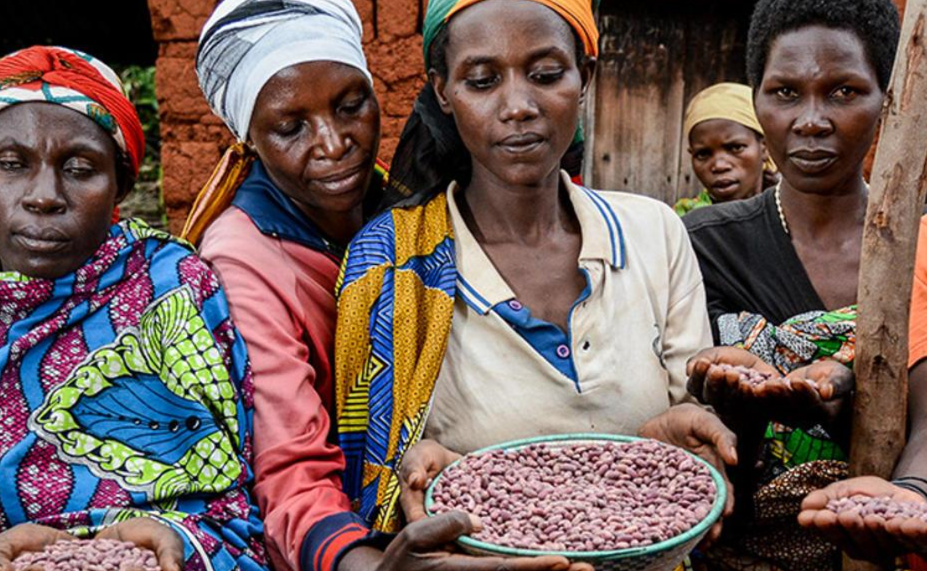
Agriculture has long been the backbone of Burundi’s economy, and women have played a vital role in this sector. Across rural Burundi, women participate actively in planting, harvesting, weeding, food processing, and livestock care.
Many families rely heavily on the labor and expertise of women to maintain agricultural productivity. In fact, women contribute a substantial portion of the agricultural workforce, making them essential to food security and rural development.
Visitors traveling through Burundi’s countryside frequently observe women working in fields, carrying harvests, and participating in local agricultural markets. Their contributions sustain both households and communities.
Women as Keepers of Tradition
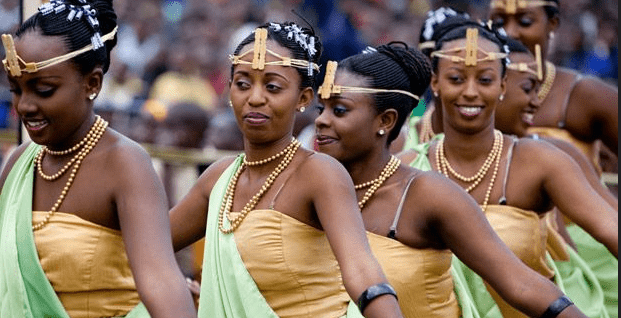
One of the most important aspects of women in Burundi culture is their role as custodians of cultural heritage.
Women preserve traditions through:
Storytelling, Traditional songs, Dance performances, Handicrafts and basket weaving, Food preparation, Cultural ceremonies.
Through these activities, women help pass cultural knowledge from one generation to another. Their influence ensures that traditions remain alive despite social and economic changes.
Women and Marriage in Burundian Society
Marriage remains an important institution in Burundi and plays a significant role in social organization. Traditionally, marriage has been viewed not only as a union between two individuals but also as a connection between families and communities.
Women often play a key role in maintaining family relationships and social harmony within marriages. Cultural expectations have historically emphasized cooperation, respect, and shared responsibility between spouses.
In modern Burundi, attitudes toward marriage continue to evolve. Increasing access to education and economic opportunities has influenced how women approach relationships, family planning, and personal aspirations.
Many young women today seek to balance traditional family values with educational and professional goals. This shift reflects broader social changes taking place throughout the country.
Education and Changing Opportunities
One of the most significant developments affecting women in Burundi culture is the expansion of educational opportunities.
Historically, access to education for girls was often limited due to economic challenges, cultural expectations, and social barriers. Over time, however, efforts by government institutions, community organizations, and international partners have increased educational participation among girls and young women.
Education has transformed opportunities for many women by enabling them to:
Pursue professional careers, start businesses, participate in leadership roles, improve family health and well-being, advocate for their rights
Educated women often become role models within their communities, inspiring younger generations to pursue similar opportunities.
As educational access continues to improve, women are playing increasingly visible roles in shaping Burundi’s future.
Women Entrepreneurs and Economic Empowerment
Economic empowerment represents one of the most important areas of progress for women in Burundi.
Across the country, women are launching small businesses, participating in cooperatives, and creating income-generating activities that support their families and communities.
Common entrepreneurial ventures include:
Agricultural production, food processing, handicrafts. textile production, retail trade, tourism-related businesses
Women’s cooperatives have become particularly important in many regions. By working together, women can access resources, training, markets, and financial support that may be difficult to obtain individually.
The growth of female entrepreneurship is helping to strengthen local economies while increasing financial independence for women.
Women and Cultural Tourism
For travelers visiting Burundi, women play a central role in cultural tourism experiences.
Many community-based tourism initiatives involve women as:
Cultural guides, Artisans, Performers, hospitality providers, cooperative members
Visitors often interact with women through activities such as basket weaving demonstrations, traditional cooking experiences, craft workshops, and cultural performances.
These interactions provide meaningful opportunities to learn about local traditions while supporting community development and women’s economic empowerment.
Women are not only preserving culture; they are also helping to share it with the world.
Women’s Rights in Burundi
The discussion about Women in Burundi Culture would be incomplete without examining the progress that has been made in advancing women’s rights.
Like many countries around the world, Burundi has experienced significant social changes over the past several decades. Efforts to improve gender equality have resulted in increased awareness of women’s rights, greater access to education, and improved opportunities for participation in public life.
Today, women are increasingly recognized as important contributors to national development. Legal reforms, advocacy campaigns, and community initiatives have helped promote discussions around issues such as education, healthcare, economic participation, and representation.
While progress continues, many communities still face challenges related to traditional gender norms, access to resources, and economic opportunities. However, the growing recognition of women’s contributions is helping to create a more inclusive future.
Organizations working in Burundi frequently emphasize that empowering women benefits entire communities. When women gain access to education, healthcare, and economic opportunities, families and communities often experience improved living standards and greater resilience.
Women in Leadership and Political Participation
One of the most visible signs of change in Burundi is the increasing participation of women in leadership roles.
Historically, leadership positions in many sectors were primarily occupied by men. Today, however, women are becoming more active in politics, local governance, education, civil society, and business.
Female leaders can be found serving as:
Government officials, community representatives, educators, nonprofit leaders, business executives,advocates for social development
These women are helping shape policies and programs that address community needs while encouraging greater female participation in decision-making processes.
Their achievements are particularly significant because they provide inspiration for younger generations. Seeing women in positions of influence helps challenge outdated assumptions and demonstrates that leadership opportunities are open to everyone.
Across Burundi, more girls are growing up with examples of successful women who have pursued careers, established businesses, and contributed meaningfully to society.
Women Entrepreneurs and Economic Transformation
The entrepreneurial spirit of Burundian women continues to play a major role in the country’s economic development.
In markets across the country, women sell agricultural products, handcrafted goods, textiles, and locally produced foods. Their businesses support household incomes while contributing to local economies.
Many women have also formed cooperatives that enable them to:
Pool resources, share knowledge, access training programs, reach larger markets, improve financial stability
These cooperatives have become important tools for empowerment, particularly in rural areas where opportunities may be limited.
The handicraft sector provides a notable example. Women produce beautifully woven baskets, mats, and decorative items that are increasingly appreciated by tourists and international buyers. These crafts not only generate income but also preserve important cultural traditions.
As tourism grows, women are finding additional opportunities in hospitality, guiding, food services, and cultural experiences. Their involvement helps ensure that tourism benefits local communities while providing authentic experiences for visitors.
Challenges Facing Women in Burundi Today
Despite significant progress, women in Burundi continue to face challenges that affect their opportunities and quality of life.
Economic Barriers
Access to financial resources remains a challenge for many women, particularly in rural areas. Limited access to credit, business training, and markets can restrict economic growth and entrepreneurship.
Educational Gaps
Although educational opportunities have improved, disparities still exist in some regions. Economic pressures, household responsibilities, and other factors can affect school attendance for girls.
Traditional Expectations
Cultural traditions remain important in Burundian society, but some traditional expectations may limit opportunities for women in certain contexts. Balancing respect for tradition with evolving social roles continues to be an ongoing conversation.
Access to Resources
In some communities, women may face challenges related to land ownership, agricultural inputs, and access to professional opportunities.
Despite these obstacles, women across Burundi continue to demonstrate remarkable resilience, adaptability, and determination.
Gender Equality and Future Opportunities
The future of Women in Burundi Culture is increasingly connected to conversations about gender equality and inclusive development.
Across the country, initiatives focused on education, entrepreneurship, leadership training, and community development are helping create new opportunities.
Several factors are contributing to positive change:
Expanding Education
As more girls complete primary and secondary education, they gain the skills and confidence needed to pursue higher education and professional careers.
Digital Connectivity
Access to technology and digital platforms is opening new possibilities for learning, communication, and business development.
Community Programs
Local organizations are working to promote women’s participation in leadership, economic activities, and community decision-making.
Tourism Opportunities
Cultural tourism is creating new avenues for women to share their knowledge, crafts, and traditions with visitors while generating income.
These developments suggest a future in which women continue to play an increasingly influential role in Burundi’s social and economic progress.
Women Preserving Burundi’s Cultural Heritage
Perhaps one of the most remarkable aspects of Women in Burundi Culture is their role in preserving the country’s rich cultural heritage.
Women are often responsible for maintaining traditions that define Burundian identity. Through daily activities, ceremonies, and community gatherings, they ensure that cultural knowledge is passed to younger generations.
Examples include:
Traditional Cuisine
Women play a central role in preserving culinary traditions. Recipes, cooking techniques, and food customs are often passed down within families.
Handicrafts
Basket weaving, textile production, and decorative arts remain important cultural practices maintained largely by women.
Storytelling
Oral traditions continue to be an important means of preserving history and cultural values. Women frequently share stories that teach lessons, celebrate heritage, and strengthen community bonds.
Music and Dance
Women actively participate in cultural performances that showcase Burundi’s artistic traditions and cultural identity.
Their efforts ensure that Burundi’s cultural heritage remains vibrant despite the influences of modernization and globalization.
Experiencing Women’s Cultural Contributions as a Visitor
For travelers interested in authentic cultural experiences, learning about women’s contributions provides a deeper understanding of Burundi.
Visitors may encounter women’s cultural influence through:
Community tourism initiatives
Artisan workshops
Local markets
Traditional cooking experiences
Cultural festivals
Handicraft cooperatives
These interactions allow travelers to appreciate the skill, knowledge, and creativity that women contribute to Burundian society.
Experiencing these traditions firsthand often becomes one of the most memorable aspects of visiting the country.
The Future of Women in Burundi Culture
The future of women in Burundi is filled with both opportunities and possibilities.
As education expands, economic opportunities grow, and awareness of gender equality continues to increase, women are becoming increasingly active in every aspect of national life.
Future generations of Burundian women are likely to contribute even more significantly to:
Business and entrepreneurship, education and research, Politics and governance, tourism and hospitality, cultural preservation, community development.
At the same time, the enduring values of family, community, and cultural heritage will continue to influence how women shape the country’s future.
The balance between tradition and progress is creating a uniquely Burundian path toward empowerment and development.
The story of Women in Burundi Culture is one of resilience, contribution, and transformation. For generations, women have served as the backbone of families, communities, and cultural traditions. Their roles as caregivers, farmers, artisans, educators, and cultural custodians have helped sustain Burundian society through periods of change and challenge.
Today, women are also emerging as entrepreneurs, leaders, professionals, and advocates for development. While challenges remain, the progress being made demonstrates the remarkable potential of women to shape the future of Burundi.
For visitors seeking meaningful cultural experiences, understanding the lives and contributions of Burundian women offers valuable insight into the country’s identity and values. Their stories reveal a nation that honors tradition while embracing new opportunities.
Ready to experience the heart of Burundi’s culture?
Join Feather Trail Safaris and discover authentic cultural experiences that connect you with local communities, traditional crafts, inspiring stories, and the remarkable women who help preserve Burundi’s heritage and shape its future.
Book your cultural journey today and explore Burundi beyond the ordinary.
FAQs
What are the traditional roles of women in Burundi?
Women traditionally serve as caregivers, farmers, cultural custodians, artisans, and educators within their families and communities.
How do women contribute to Burundi’s economy?
Women contribute through agriculture, entrepreneurship, handicrafts, trade, tourism, and various professional sectors.
Are women involved in leadership positions in Burundi?
Yes. Women increasingly participate in politics, business, education, and community leadership roles.
What challenges do women face in Burundi?
Challenges may include economic barriers, limited access to resources, educational disparities, and traditional social expectations.
How do women preserve Burundian culture?
Women preserve culture through storytelling, traditional crafts, cuisine, music, dance, and ceremonial practices.
Can tourists learn about women’s cultural traditions?
Absolutely. Many cultural tourism experiences allow visitors to engage with women artisans, cooperatives, and community programs.
How is women’s empowerment changing Burundi?
Women’s empowerment is improving educational outcomes, economic participation, leadership representation, and community development.
Why are women important to Burundian society?
Women are essential contributors to family well-being, economic development, cultural preservation, and national progress.