
Bushy Vegetation Zones: Flora & Ecosystem in Burundi
The dense interlocking thickets, specialized semi-arid shrublands, and diverse wildlife habitats of East Africa offer incredible alternatives to commercial paths. For modern experiential travelers, independent wildlife photographers, and heritage enthusiasts, this region represents a true frontier of authentic travel. From tracking endemic bird species to analyzing complex floral adaptations, the country delivers truly unforgettable journeys. However, because these specialized eco-zones are located across distinct altitudinal valleys, organizing your route requires a strategic approach. Utilizing our comprehensive field overview, Bushy Vegetation Zones: Flora & Ecosystem in Burundi, is a vital first step. This guide ensures your vacation remains seamless, immersive, and perfectly managed from start to finish.
When organizing an East African safari, travelers often focus exclusively on standard tropical rainforests or open savannahs. In reality, moving between nearby destinations like Tanzania, Rwanda, or Uganda reveals vastly different botanical biomes. While some adjacent countries feature mostly uniform grasslands, Burundi operates within a highly complex, micro-climate driven valley system. Consequently, the rugged terrain supports highly specialized semi-arid brush and thorny thicket networks. Failing to explore these unique habitats means missing a major component of regional biodiversity. Before mapping out your daily route, let’s establish a foundational ecological fact. These unique shrublands host a remarkable array of resilient plant species and specialized avian life. By analyzing the top tracking trails and floral characteristics, you can plan your vacation with absolute confidence. Let’s explore the essential rules, seasonal timelines, and transit dynamics that define an exceptional botanical vacation.
The Geography of Burundi’s Shrubland Biomes
To fully appreciate these dense green thickets, you must look closely at the geographical factors shaping local travel.
The Low-Lying Valleys of the Rusizi System
The premier bushy habitats sit draped across the low-lying plains of the western rift system. Geographically, this low basin receives far less annual rainfall than the high mountain ridges nearby.
Subsequently, the dry atmospheric conditions require plants to adapt to seasonal water scarcity. The terrain features a complex mix of sandy soils and ancient clay river deposits.
Consequently, these specific soil properties prevent the growth of large, moisture-loving tropical rainforest trees. Furthermore, these resilient plant networks create a fascinating backdrop for guests booking our Burundi Tours.
High Salinity and Seasonal Drought Windows
Notably, the low-lying plains experience intense evaporation rates during the long dry seasons. Therefore, the soil surfaces often accumulate high concentrations of natural mineral salts over time.
The vegetation has adapted perfectly to survive within this challenging, high-salinity earth structure. Because of these environmental pressures, the shrubs remain relatively short and heavily branched.
Navigating through these dense, interlocking thorn thickets requires slow, careful walking along established game tracks. Accordingly, we always integrate professional tracking guides into our tailored Primate Safaris.
Flora Adaptations – Surviving the Dry Basin
The ultimate educational experience within these valley plains is analyzing the fascinating survival mechanisms of native shrubs.
The Armor of Thorny Acacia and Commiphora Shrubs
To start, your specialized botanical walk begins along the margins of the seasonal riverbanks. Following that, your guide will point out the dominant wood species of the zone.
The thickets are heavily dominated by various species of specialized acacia and commiphora bushes. Fortunately, these hardy plants have developed sharp, prominent thorns to protect their leaves from browsing animals.
Eventually, you will observe how these woody shrubs drop their small leaves entirely during droughts. Meanwhile, their bright green bark continues to manufacture food through photosynthesis, a core focus of our Cultural Tours.
Fleshy Succulents and High-Capacity Water Storage
In addition to thorny bushes, the scrublands feature a wide variety of impressive succulent plants. Specifically, the massive candle-holder euphorbia trees stand tall above the low, tangled brush rows.
On one hand, these unique plants look very similar to desert cacti at a distant glance. On the other hand, they produce a thick, toxic milky sap to prevent hungry herbivores from eating them.
Furthermore, their fleshy, ribbed stems store hundreds of liters of water to survive long periods without rain. This remarkable botanical diversity adds incredible depth to the itineraries offered on our East Africa Safaris.
Avian Wildlife and Thicket Micro-Habitats
Moving deep into the interior brush fields reveals an incredibly rich world of specialized animal life.
Tracking Specialized Birds in the Shrub Layers
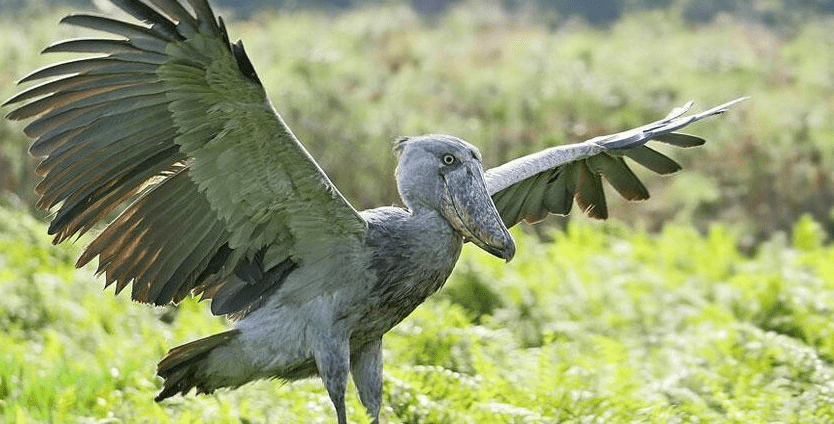
Crucially, exploring the dense brush zones offers a truly spectacular reward for patient birdwatchers. Specifically, these interlocking twigs provide excellent nesting sites and protection from large airborne predators.
Therefore, the low canopies are constantly alive with the busy movements of rare scrub-dwelling birds. Fortunately, your local birding guide can easily identify complex species by their unique morning songs.
However, spotting these small, active birds requires exceptional patience and high-quality binoculars. Consequently, these specialized wilderness tracking excursions are highly requested by travelers booking our premium Rwanda Tours.
The Role of Small Mammals in Seed Dispersal
On the open plains, large herds of big game animals typically capture all the attention. However, the bushy zones rely heavily on smaller mammal species to maintain ecological health.
Numerous species of wild rodents, mongooses, and hares forage safely beneath the protective thorny branches. Meanwhile, these active creatures carry out the critical task of distributing hard plant seeds across the valley.
As a direct result, the complex ecosystem remains perfectly balanced and resilient against changing weather patterns. This hidden web of life leaves eco-tourists with a profound appreciation for the region’s biodiversity.
Conservation Pressures & Eco-Tourism Solutions
A holiday across these unique valley biomes must include learning about the modern efforts to protect them.
Balancing Human Agriculture and Natural Scrublands
Notably, these low-lying valley ecosystems face significant pressures from expanding human settlements. Bagging charcoal, woodcutting, and clearing land for livestock pasture pose serious long-term challenges.
Subsequently, large sections of pristine thicket have been fragmented into smaller, isolated patches over time. Local environmental groups are working tirelessly to teach communities about sustainable land management.
Therefore, supporting well-managed eco-tourism projects is absolutely vital for the survival of these zones. Your safari visits provide direct, alternative economic opportunities for the rural communities living along the borders.
Funding Local Community Ranger Operations
Furthermore, a major portion of your park entry fees goes directly toward local conservation programs. Specifically, these funds help hire, train, and equip young men and women from surrounding villages as rangers.
Subsequently, these dedicated scouts conduct daily foot patrols to prevent illegal logging and wildlife trapping. As a result, the native plants and birds receive reliable, round-the-clock protection from destruction.
Therefore, your presence as a responsible traveler actively drives the preservation of these delicate habitats. We ensure your journeys help support these crucial grassroots conservation networks on every trip.
Field Logistics, Wilderness Footwear, & Entry Rules
To ensure a safe, comfortable, and successful botanical holiday, you must follow specific regional guidelines carefully.
Critical Travel Documentation and Regional Entry Rules
Before confirming your travel dates, ensure your visa paperwork and health cards are in order. Check current entry rules with the Burundi Immigration Authorities and Rwanda Immigration Services before arriving.
An international tourist visa must be secured prior to arrival. Additionally, immigration officers at border checkpoints strictly require a physical Yellow Fever International Certificate of Vaccination card.
Be mindful of environmental regulations: single-use plastic bags are strictly illegal across the region to protect local ecosystems. Any plastic bags will be confiscated at airport customs. Use reusable canvas dry bags to pack your gear instead.
The Essential Thorn-Zone Packing List
To start, preparing for dense bushy environments requires choosing your personal gear with immense care. Specifically, the abundant sharp thorns mean standard lightweight gym clothing items will tear easily.
Footwear: Heavy-duty, puncture-resistant leather hiking boots with thick rubber soles are absolutely mandatory for safety.
Trousers: Pack durable canvas trail trousers or rugged denim jeans to shield your legs from thorns.
Shirts: Wear thick, long-sleeved safari shirts to protect your arms from scratches and blistering sun.
Protection: Bring high-performance insect repellent, premium sunscreen, and a wide-brimmed protective sun hat.
Why Explore the Wilds with Feather Trail Safaris
Coordinating a flawless holiday across East Africa involves balancing many precise operational pieces. Specifically, you must secure specialized reserve entry permits, lease reliable 4×4 vehicles, and coordinate complex valley transits.
Attempting to arrange these complex logistics independently can easily lead to navigation errors or unexpected field delays. As a direct result, the team at Feather Trail Safaris specializes in organizing premium, thoroughly vetted regional tours.
We manage every single detail of your itinerary on your behalf from start to finish. Specifically, we cover your boutique lodge bookings, secure local environmental permits, and provide immaculate transport.
Furthermore, we pair you with passionate local driver-guides who understand the unique plant species and regional dialects. Our deep regional roots, direct partnerships, and unyielding commitment to guest safety ensure you enjoy a world-class, stress-free holiday.
Are you ready to design your perfectly timed African safari with expert support every step of the way? Which specific wildlife encounters or cultural landmarks are you most excited to include in your custom itinerary? Let us know, and our team will craft your tailored blueprint.
FAQ
What is the Bushy Vegetation Zones: Flora & Ecosystem in Burundi guide?
This official planning guide offers an expert evaluation of the country’s best shrubland biomes, unique plant survival methods, birdlife, and travel logistics.
Where are the main bushy vegetation zones located in the country?
The premier zones sit positioned within the low-lying Rusizi plain and the northern Bugesera depression valleys.
Can tourists participate in guided botanical walking tours?
Yes, our custom itineraries feature expert-led foot treks designed specifically for analyzing unique plant life and tracking rare birds.
What are the most common plant species found in these thickets?
The zones are heavily dominated by thorny acacia trees, commiphora bushes, and tall, water-storing euphorbia succulents.
Why do these plants have so many thorns and small leaves?
These specialized features prevent water loss during droughts. Additionally, they shield the plants from hungry wild herbivores roaming the plains.
When is the best season to plan a birdwatching trip to these scrublands?
The shoulder window from October to January is spectacular. Subsequently, the onset of light rains triggers active breeding displays and beautiful songs.
Is a physical Yellow Fever vaccine card required by customs officials?
Yes, presenting a valid, physical Yellow Fever International Certificate of Vaccination card is a mandatory entry requirement checked at all borders.
How do I book an all-inclusive botanical safari with private transport?
You can easily secure a custom, worry-free holiday with all lodging, private 4×4 transport, park clearances, and driver-guides pre-arranged by submitting an inquiry through our website’s main contact form.