
Cultural Sensitivity Guide Burundi: How to Respect Local Communities
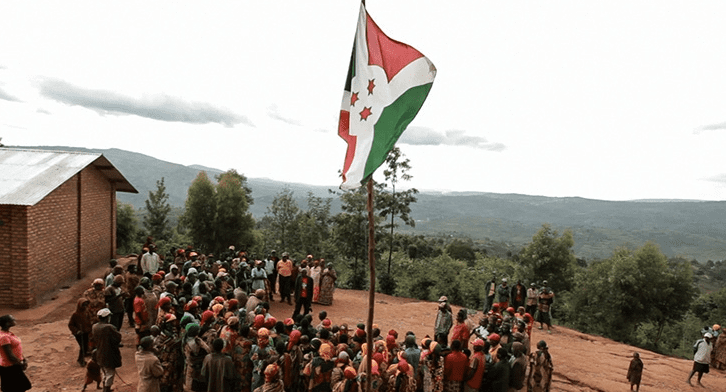
Traveling is about much more than visiting new places. The most rewarding journeys are those that create genuine connections between visitors and local communities. In Burundi, a country known for its welcoming people, rich cultural traditions, and strong sense of community, understanding local customs can transform a simple trip into a meaningful cultural experience.
This Cultural Sensitivity Guide Burundi is designed to help travelers navigate local traditions respectfully while gaining a deeper appreciation for Burundian society. Whether you are exploring rural villages, attending cultural festivals, meeting artisans, or participating in community tourism experiences, cultural awareness plays a vital role in fostering positive interactions.
Burundi remains one of East Africa’s least-explored destinations, which makes authentic cultural encounters even more accessible. Visitors often find themselves welcomed into communities where traditions remain deeply valued and social relationships form the foundation of daily life. By taking time to understand local customs and expectations, travelers can show respect, build trust, and contribute positively to the communities they visit.
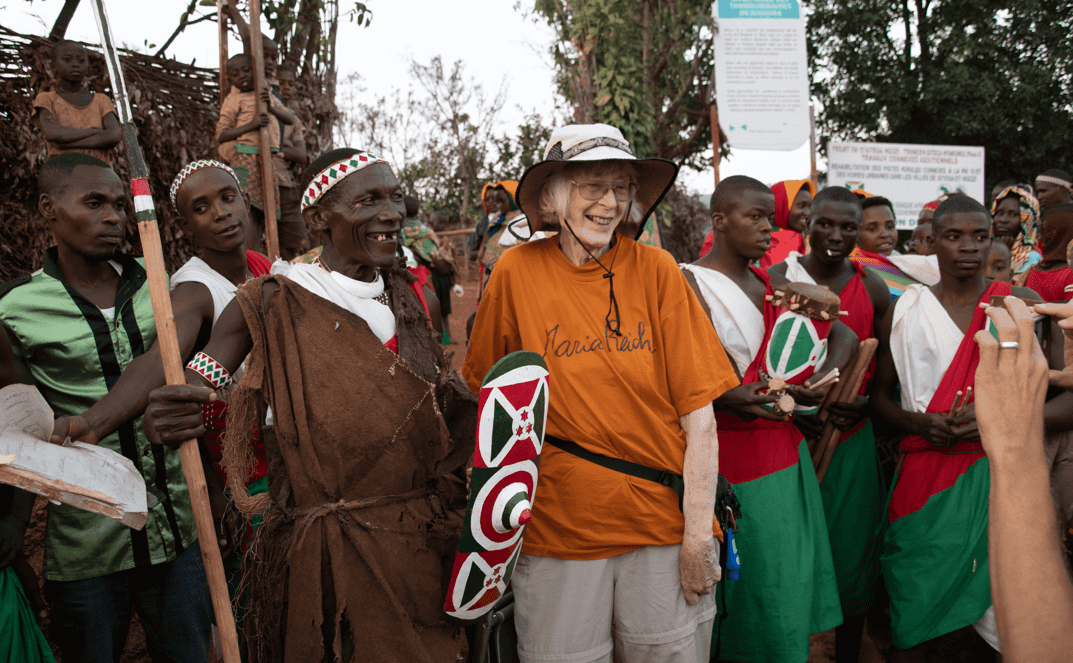
Responsible tourism is not only about protecting landscapes and wildlife. It is equally about respecting people, cultures, and traditions. The more visitors understand Burundian culture, the richer and more rewarding their experiences become.
Why Cultural Sensitivity Matters in Burundi
Cultural sensitivity is the ability to recognize, understand, and respect differences in beliefs, customs, traditions, and social behaviors. In Burundi, this awareness is particularly important because many communities maintain strong cultural values and social norms.
Travelers who approach local communities with respect are more likely to experience genuine hospitality and meaningful interactions. Cultural sensitivity helps avoid misunderstandings and demonstrates appreciation for local ways of life.
When visitors show respect for community values, they contribute to:
- Positive cultural exchange
- Sustainable tourism development
- Community trust and cooperation
- Preservation of local traditions
- Better travel experiences
Rather than viewing Burundi merely as a destination, culturally sensitive travelers see themselves as guests entering someone’s home. This mindset creates more authentic and rewarding experiences for everyone involved.
Understanding Burundian Culture and Community Values
To travel respectfully in Burundi, it is important to understand the values that shape everyday life.
Hospitality and Respect
Burundians are widely known for their warmth and hospitality. Guests are often treated with kindness and generosity, particularly in rural communities where welcoming visitors is considered a sign of good character.
Respect is a central value in Burundian culture. How people greet one another, speak to elders, and interact within communities reflects a strong emphasis on courtesy and social harmony.
Visitors who demonstrate humility and respect are often met with genuine openness and friendliness.
Family and Community Relationships
Family forms the foundation of Burundian society. Extended families often maintain close relationships, and community ties remain strong.
In many villages, decisions and activities involve collective participation rather than individual action. Community welfare is often prioritized over personal interests.
Understanding this collective mindset can help visitors appreciate why relationships and social interactions are so important.
The Importance of Elders
Elders hold a respected position in Burundian communities. Their experience, wisdom, and guidance are highly valued.
When interacting with elders:
- Greet them respectfully
- Listen attentively
- Avoid interrupting
- Show patience and courtesy
Demonstrating respect toward elders is often seen as a sign of good manners and cultural awareness.
Greetings and Social Etiquette in Burundi
One of the easiest ways to show respect in Burundi is through proper greetings.
Why Greetings Matter
Greetings are not viewed as mere formalities. They are important social rituals that establish trust and demonstrate respect.
In many communities, immediately asking questions or beginning a conversation without first greeting someone may be considered impolite.
Take time to greet people properly before discussing business or requesting assistance.
Common Greetings
Learning a few words in Kirundi can make a significant positive impression.
Useful phrases include:
Amakuru? – How are you?
Ni meza – I am fine.
Muraho – Hello.
Murakoze – Thank you.
Ego – Yes.
Oya – No.
Even simple efforts to use local language are often appreciated and can help break down barriers.
Handshakes and Personal Interaction
Handshakes are common in Burundi and are often accompanied by friendly conversation.
When greeting:
Offer a handshake respectfully
Maintain eye contact
Smile naturally
Avoid appearing rushed
In formal situations, allow elders or community leaders to initiate introductions when appropriate.
Dress Code and Appearance Expectations
While Burundi is welcoming to international visitors, modest dress is generally appreciated, particularly outside urban centers.
Visiting Rural Communities
When visiting villages or community projects:
Recommended clothing includes:
Long trousers or skirts, Shirts that cover shoulders, Comfortable but modest attire, Practical footwear, Avoid overly revealing clothing, which may attract unwanted attention or be viewed as disrespectful.
Religious Sites and Cultural Locations
Some churches, cultural centers, and community gathering places may have specific expectations regarding dress.
Visitors should:
Dress conservatively
Remove hats if requested
Follow local guidance
Observe how local people are dressed
Showing respect through appropriate clothing demonstrates cultural awareness and consideration.
Photography Etiquette When Visiting Communities
Photography is often one of the most misunderstood aspects of cultural travel.
Many travelers are excited to document their experiences, but photographs involve real people whose privacy and dignity deserve respect.
Always Ask Permission
Before photographing individuals:
Introduce yourself
Ask politely
Accept refusal graciously
Explain your purpose if necessary
A simple request can transform a photograph from an intrusive act into a respectful cultural exchange.
Respect Sacred and Private Spaces
Some ceremonies, religious activities, or community gatherings may not be appropriate for photography.
If unsure:
- Ask your guide
- Follow local instructions
- Observe community behavior
Remember that not every meaningful moment needs to be captured on camera.
Understanding Traditional Ceremonies and Cultural Events
Burundi has a rich calendar of ceremonies, festivals, and cultural celebrations.
Visitors may have opportunities to witness:
Traditional drumming performances
The rhythmic thundered beats of the Ingoma are the heartbeat of Burundian identity. Historically performed for the Mwami (King) during sacred rituals like the Umuganuro (Sorghum Festival), this art form is now a recognized UNESCO Intangible Cultural Heritage. The performance is an athletic masterclass, blending drumming, satirical singing, and highly energetic dancing around a central drum.
Community festivals
Historically centered around agricultural milestones, modern community festivals bring villages together to celebrate successful harvests, historical milestones, or regional unity. These gatherings always showcase community solidarity and oral storytelling.
Weddings
A traditional Burundian wedding is an intricate, multi-stage cultural event. It involves formal introductory negotiations (Gusaba), the presentation of a symbolic dowry (Inkwano), and celebratory feasts. It serves as a beautiful display of family bonding, traditional attire, and classical poetry.
Religious celebrations
Cultural dances
These events often hold deep cultural significance beyond entertainment.
When attending:
Observe respectfully
Follow instructions from hosts
Avoid disrupting activities
Participate only when invited
Showing genuine interest while respecting boundaries is the best approach.
Visiting Indigenous and Rural Communities Responsibly
Community tourism offers some of the most rewarding experiences in Burundi. However, these visits require sensitivity and ethical awareness.
Travelers should avoid treating communities as tourist attractions. Instead, approach visits as opportunities for cultural learning and mutual respect.
Responsible visitors: Listen more than they speak, support local businesses, respect cultural norms, avoid making assumptions, engage with genuine curiosity, Meaningful interactions often arise from simple conversations rather than staged experiences.
Supporting Local Communities Through Responsible Tourism
One of the most meaningful ways travelers can show respect while visiting Burundi is by supporting local communities directly and responsibly.
Tourism has the potential to create positive economic opportunities, preserve cultural heritage, and encourage sustainable development. However, these benefits are most effective when local people remain active participants and beneficiaries of tourism activities.
Buy Local Whenever Possible
Purchasing locally made products helps artisans, farmers, and small business owners earn income from their skills and traditions.
Consider purchasing:
- Handmade baskets
- Traditional crafts
- Local artwork
- Agricultural products
- Locally produced souvenirs
By buying directly from community members, visitors contribute to preserving traditional knowledge and supporting family livelihoods.
Choose Community-Based Experiences
Community tourism experiences often provide visitors with authentic cultural encounters while ensuring economic benefits remain within local communities.
These experiences may include:
Village visits, cultural performances, traditional cooking demonstrations, craft workshops, agricultural tours.
Participating in these activities allows travelers to learn directly from local people while supporting sustainable tourism initiatives.
Avoid Creating Dependency
While generosity is appreciated, visitors should avoid distributing money, sweets, or gifts indiscriminately, especially to children.
Such practices can unintentionally create dependency or encourage begging.
Instead:
Support local schools through recognized programs
Purchase goods and services fairly
Work through community organizations
Contribute to established development initiatives
Responsible support creates long-term benefits rather than short-term expectations.
Religious and Cultural Considerations
Religion plays an important role in many Burundian communities. Christianity is widely practiced throughout the country, while traditional beliefs and cultural customs also continue to influence daily life.
Visitors do not need to share the same beliefs to show respect.
Visiting Places of Worship
When entering churches or religious spaces:
- Dress modestly
- Remain quiet during services
- Follow local customs
- Ask permission before taking photographs
Many religious communities welcome respectful visitors who demonstrate genuine interest in learning.
Respecting Spiritual Traditions
In some communities, traditional cultural practices coexist with formal religious beliefs.
Visitors should approach these traditions with curiosity and respect rather than judgment. Cultural practices often carry historical and social significance that may not be immediately obvious to outsiders.
Understanding Personal Space and Social Interaction
Social norms regarding personal space can vary significantly between cultures.
In Burundi, conversations are often warm and personal. People may spend time getting to know one another before discussing business or practical matters.
Be Patient With Conversations
Travelers accustomed to fast-paced interactions may notice that conversations often begin with greetings and personal inquiries before moving to the main topic.
This approach reflects the importance of relationships in Burundian culture.
Taking time to engage respectfully can strengthen interactions and demonstrate appreciation for local customs.
Listen More Than You Speak
One of the most effective ways to build positive relationships is simply to listen.
Ask questions, show interest, and allow community members to share their experiences and perspectives.
Travel becomes much more meaningful when visitors learn from local voices rather than relying solely on their own assumptions.
Cultural Sensitivity During Homestays and Community Visits
For travelers participating in homestays or community immersion experiences, cultural awareness becomes even more important.
Respect Household Customs
Every household has its own routines and expectations.
Visitors should:
Observe local practices
Follow guidance from hosts
Ask questions respectfully
Participate when invited
Simple acts of consideration can make a significant difference.
Be Flexible
Things may not always operate according to the schedules and expectations visitors are accustomed to.
Flexibility, patience, and a positive attitude help create smoother and more enjoyable cultural exchanges.
Show Gratitude
A sincere thank you can go a long way.
Expressing appreciation for hospitality, meals, and shared experiences demonstrates respect and strengthens relationships.
Common Cultural Mistakes Travelers Should Avoid
Even well-intentioned visitors can make mistakes when unfamiliar with local customs. Awareness helps minimize misunderstandings.
Taking Photos Without Permission
One of the most common mistakes is photographing people without asking first.
Always seek consent before taking portraits or close-up images.
Dressing Inappropriately
While urban areas may be more relaxed, modest clothing is generally appreciated, especially in rural communities and religious settings.
Rushing Interactions
Skipping greetings or appearing impatient can be interpreted as disrespectful.
Take time to acknowledge people properly before moving into conversations.
Making Cultural Comparisons
Avoid comparing Burundi negatively to your home country or making assumptions based on stereotypes.
Every culture has its own strengths, values, and ways of life.
Treating Communities as Attractions
Communities are places where people live, work, and raise families. Visitors should engage respectfully rather than viewing local life as a spectacle.
The Benefits of Respectful Cultural Travel
Travelers who approach Burundi with cultural sensitivity often experience far more meaningful journeys.
Benefits include:
Deeper Human Connections
Respectful interactions create opportunities for genuine friendships and memorable conversations.
Better Cultural Understanding
Learning directly from local people provides insights that guidebooks cannot offer.
More Authentic Experiences
Communities are often more open to sharing their traditions when visitors demonstrate respect and curiosity.
Positive Community Impact
Responsible tourism helps ensure local people benefit from visitor spending and cultural exchange.
Personal Growth
Experiencing different perspectives encourages empathy, understanding, and a broader worldview.
How Feather Trail Safaris Promotes Responsible Cultural Tourism
At Feather Trail Safaris, cultural tourism is based on respect, authenticity, and sustainability.
The goal is not simply to show visitors destinations but to facilitate meaningful connections with local communities while preserving cultural heritage.
Our cultural experiences emphasize:
Respectful community engagement
Support for local livelihoods
Ethical tourism practices
Cultural education
Sustainable travel principles
By working closely with local communities, guides, and cultural leaders, we help create experiences that benefit both travelers and host communities.
Visitors gain deeper cultural understanding while contributing positively to local development and heritage preservation.
Why Cultural Sensitivity Matters More Than Ever
As tourism continues to grow globally, cultural sensitivity becomes increasingly important.
Modern travelers are no longer satisfied with simply observing destinations from a distance. Many seek genuine cultural immersion and meaningful interactions.
However, meaningful travel requires responsibility.
The most rewarding experiences occur when visitors approach communities with humility, curiosity, and respect. Cultural sensitivity allows travelers to move beyond surface-level tourism and develop a deeper appreciation for the people and traditions that make Burundi unique.
In many ways, respect is the most valuable thing a traveler can bring.
This Cultural Sensitivity Guide Burundi highlights the importance of approaching local communities with respect, openness, and cultural awareness.
Burundi offers extraordinary opportunities for authentic cultural experiences. Its welcoming people, rich traditions, and strong community values provide visitors with meaningful insights into East African life and heritage.
By learning local customs, dressing appropriately, greeting people respectfully, asking permission before taking photographs, and supporting communities responsibly, travelers can build positive relationships and contribute to sustainable tourism.
The true beauty of travel lies not only in seeing new places but also in understanding and appreciating the people who call those places home.
When visitors approach Burundi with cultural sensitivity, they discover a richer, more rewarding travel experience—one built on mutual respect, shared learning, and genuine human connection.
Ready to experience Burundi’s culture respectfully and authentically?
Join Feather Trail Safaris for immersive cultural journeys that connect you with local communities, traditions, and heritage while promoting responsible and sustainable tourism.
Contact us today and begin planning a meaningful cultural adventure in Burundi.