
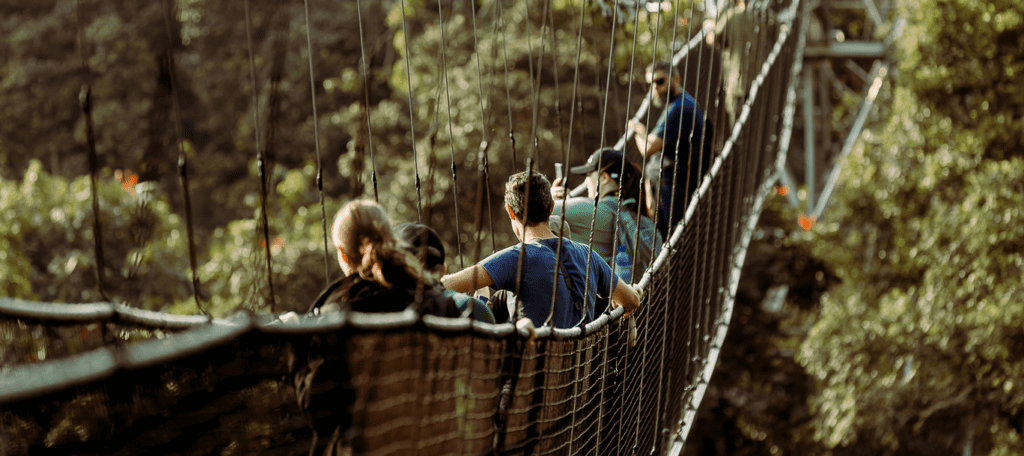
A Photography Safari Rwanda Volcanoes Burundi Chimp Forests journey is one of the most immersive wildlife photography experiences in East Africa. It combines two contrasting but deeply connected ecosystems: the mist-covered volcanic mountains of Rwanda’s Volcanoes National Park, home to endangered mountain gorillas, and the dense tropical rainforests of Burundi, where chimpanzees thrive in one of Africa’s least explored primate habitats.
Unlike traditional savannah safaris where wildlife is often seen at a distance, this experience brings photographers into intimate forest environments. Here, light filters through thick canopies, animals move unpredictably through vegetation, and every moment requires patience, awareness, and timing. The result is not just wildlife photography, but storytelling through atmosphere, emotion, and natural behavior.
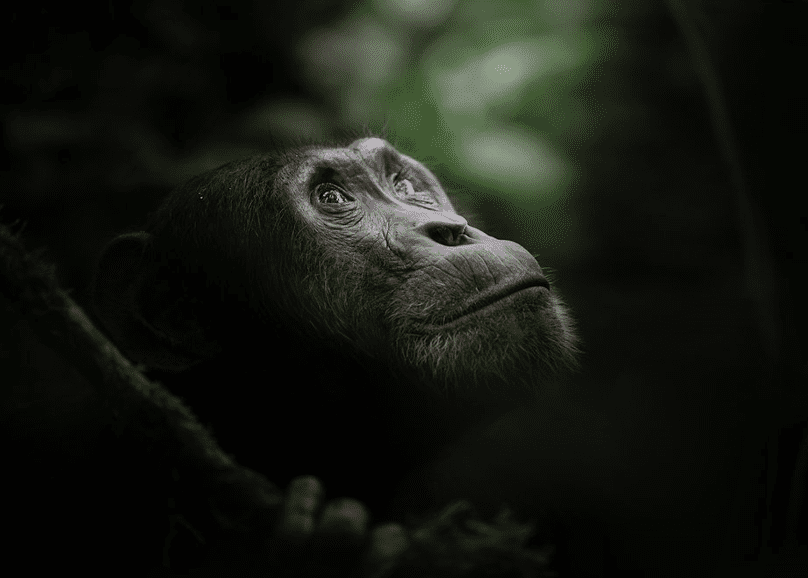
This journey is ideal for travelers who want to go beyond sightseeing and instead create powerful photographic narratives of Africa’s great primates in their natural environments.
Understanding the Photography Safari Experience
The Photography Safari Rwanda Volcanoes Burundi Chimp Forests itinerary is designed as a cross-border primate expedition that connects two of Africa’s richest biodiversity zones.
Rwanda provides a structured, well-managed gorilla trekking experience in Volcanoes National Park. Burundi, on the other hand, offers a more raw and untouched chimpanzee trekking experience in forests such as Kibira National Park.
Together, they create a balanced photographic journey where travelers can document both the calm, powerful presence of mountain gorillas and the energetic, fast-moving behavior of chimpanzees.
What makes this combination especially unique is the contrast. In Rwanda, encounters are carefully regulated and highly predictable, allowing photographers to focus on composition and detail. In Burundi, the experience is more adventurous and unpredictable, requiring flexibility and quick reaction to movement in dense forest conditions.
Volcanoes National Park Rwanda: Gorilla Photography in the Mist
Volcanoes National Park in northern Rwanda is one of the most iconic wildlife photography destinations in the world. Part of the larger Virunga volcanic range, the park is characterized by steep slopes, bamboo forests, and thick vegetation wrapped in constant mountain mist.
Mountain gorillas are the highlight of this region. These powerful yet gentle primates live in social family groups led by dominant silverbacks. Spending time with them is a deeply emotional experience for many visitors.
Photographers often find themselves just a few meters away from gorillas as they feed, rest, or interact. One of the most memorable scenes is watching a silverback quietly observing its surroundings while younger gorillas play nearby, climbing branches or rolling through vegetation.
However, photographing gorillas in this environment is not easy. The forest canopy limits natural light, creating dim and shifting conditions. Shadows are deep, and sunlight often breaks through in unpredictable bursts. This makes camera settings and patience extremely important.
Despite the technical challenges, the reward is extraordinary. Images captured in Volcanoes National Park often carry a sense of depth and atmosphere that cannot be recreated in controlled environments.
Photography Techniques for Gorilla Encounters
Successful gorilla photography in Rwanda depends heavily on preparation and adaptability. Because lighting changes constantly in the forest, photographers need to adjust quickly to conditions.
Fast lenses are highly recommended, ideally with wide apertures that allow more light to enter the camera. Higher ISO settings are often necessary, especially when gorillas move deeper into shaded areas.
Continuous autofocus helps track movement, especially when young gorillas are active. Shutter speeds must be carefully balanced to avoid motion blur while maintaining proper exposure in low light conditions.
Beyond technical settings, patience is essential. Many of the most powerful images come not from constant shooting, but from observing behavior and waiting for meaningful moments such as eye contact, interaction between family members, or still resting poses.
Burundi Chimpanzee Forests: Deep Rainforest Photography Experience
After Rwanda, the journey continues south into Burundi, where the landscape shifts into dense, humid rainforest environments. Kibira National Park is one of the most important chimpanzee habitats in the country and remains relatively untouched by mass tourism.
Chimpanzee trekking here is very different from gorilla tracking. Chimps are highly active, intelligent, and unpredictable. They move quickly through the forest canopy, communicate loudly, and often travel in fast-moving groups.
For photographers, this creates a dynamic and challenging environment. Instead of slow, steady observation, chimp photography requires quick reactions and constant movement through dense vegetation.
There are moments when chimpanzees appear suddenly in trees overhead, calling to each other or swinging between branches. Other times, they may be seen on the forest floor foraging or interacting socially.
The unpredictability of chimpanzees makes every encounter unique. No two photography sessions are ever the same, which is part of what makes Burundi such a special destination for wildlife photographers.
The Contrast Between Rwanda and Burundi Primate Photography
One of the most fascinating aspects of the Photography Safari Rwanda Volcanoes Burundi Chimp Forests experience is the contrast between the two environments.
Rwanda offers structured trekking, controlled group sizes, and highly predictable gorilla encounters. This allows photographers to focus on detail, composition, and storytelling without rushing.
Burundi offers a more adventurous and less commercialized experience. Trails are less defined, encounters are less predictable, and photographers must adapt constantly to movement and terrain.
Together, they create a complete primate photography narrative: the calm strength of gorillas in Rwanda and the energetic complexity of chimpanzees in Burundi.
Best Time for Photography Safari in Rwanda and Burundi
The best time for this photography safari is during the dry seasons, which typically run from June to September and December to February.
During these months, forest trails are easier to navigate, and conditions are generally more favorable for trekking. Light conditions are also slightly more stable, making photography more manageable.
However, rainforest environments are unpredictable by nature. Even during dry seasons, sudden rain showers and mist are common. This variability is actually beneficial for photography, as it creates atmospheric lighting conditions that enhance the mood of forest images.
Cross-Border Travel Experience Between Rwanda and Burundi
Traveling between Rwanda and Burundi adds an additional cultural and scenic layer to the safari experience. The route passes through rolling hills, agricultural landscapes, and rural communities that reflect the everyday life of East Africa.
Border crossing is typically arranged in advance by safari operators to ensure smooth movement between countries. Along the way, travelers often witness changing landscapes that shift gradually from Rwanda’s volcanic terrain into Burundi’s forested highlands.
This transition helps photographers appreciate not only wildlife diversity but also the geographical and cultural richness of the region.
Wildlife Photography Ethics in Primate Habitats
Ethical photography is a critical part of any Photography Safari Rwanda Volcanoes Burundi Chimp Forests experience. Both Rwanda and Burundi emphasize responsible tourism practices to protect primates and their habitats.
Photographers are required to maintain a safe distance from animals, avoid flash photography, and follow strict ranger instructions. These guidelines are designed to minimize stress on wildlife and preserve natural behavior.
Respecting these rules also improves photography outcomes. When animals feel undisturbed, they behave naturally, resulting in more authentic and powerful images.
Cultural Encounters Along the Safari Route
In addition to wildlife photography, this journey offers meaningful cultural interactions.
For Rwanda, travelers may visit local communities near Volcanoes National Park, where traditional dances, storytelling, and daily rural life provide insight into cultural heritage.
While in Burundi, encounters with forest-adjacent communities often include craft traditions, agriculture-based lifestyles, and warm hospitality from local residents.
These cultural experiences enrich the safari, offering context to the landscapes and ecosystems being explored.
For curated cultural and photography safaris, many travelers travel with Feather Trail Safaris, which specializes in immersive East African experiences.
Accommodation Options During the Safari
Accommodation along this route varies depending on travel style.
In Rwanda, lodges near Volcanoes National Park range from luxury eco-lodges with mountain views to comfortable mid-range stays close to trekking points.
In Burundi, accommodation is generally simpler but offers authentic experiences near forest regions and local communities.
Regardless of category, most lodges focus on accessibility to trekking areas, early morning departures, and relaxation after long forest hikes.
Conservation Importance of This Safari
Both Rwanda and Burundi play important roles in primate conservation. Gorilla tourism in Rwanda directly contributes to habitat protection, anti-poaching efforts, and community development.
In Burundi, chimpanzee conservation is supported through protected forest reserves and community awareness programs aimed at preserving biodiversity.
By participating in this safari, travelers contribute financially and socially to the protection of endangered species and their ecosystems.
Why This Photography Safari Stands Out
The Photography Safari Rwanda Volcanoes Burundi Chimp Forests experience stands out because it combines two rare opportunities in one journey: close encounters with mountain gorillas and dynamic chimpanzee photography in untouched rainforest environments.
It offers emotional depth, technical challenge, and cultural richness all in a single itinerary.
For photographers, it is not just about capturing images, it is about capturing moments that reflect the essence of Africa’s most intelligent primates in their natural world.
A journey through Rwanda’s Volcanoes National Park and Burundi’s chimpanzee forests is one of the most rewarding wildlife photography experiences in Africa. It combines structure and adventure, calm and movement, misty mountains and dense rainforests.
The Photography Safari Rwanda Volcanoes Burundi Chimp Forests itinerary is more than a travel route, it is a visual storytelling experience that connects photographers to the heart of East Africa’s primate world.
For those seeking authenticity, challenge, and unforgettable imagery, this safari delivers an experience that goes far beyond expectations.
If you are ready to experience one of Africa’s most powerful photography journeys, plan your adventure with experts who understand both wildlife behavior and photographic storytelling.
Travel with Feather Trail Safaris and explore Rwanda and Burundi through immersive, professionally guided photography safaris designed for real encounters and unforgettable moments.
FAQs
Can I combine gorilla and chimpanzee trekking in one trip?
Yes, this itinerary is designed to combine Rwanda gorillas and Burundi chimpanzees.
Is chimp trekking in Burundi difficult?
It is moderately challenging due to dense rainforest terrain.
What camera gear is best?
A DSLR or mirrorless camera with a telephoto lens (70 to 200mm or 100 to 400mm) is ideal.
When is the best time to travel?
Dry seasons from June to September and December–February.
Do I need permits?
Yes, gorilla permits in Rwanda and chimp trekking permits in Burundi are required.
Is this safari good for beginners?
Yes, but basic hiking fitness and camera knowledge are recommended.