
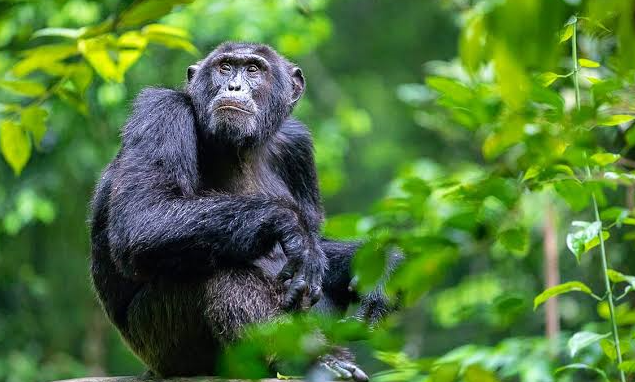
Rachel had been planning what she called her “great primate trip” for three years.
She had done Uganda, Kibale Forest, chimpanzees, then Bwindi for the gorillas. She had done Rwanda, Volcanoes National Park, the silverback, the hour that changed her relationship with ordinary experiences forever. And then she’d started reading about Burundi, and about a forest called Kibira, and about a chimpanzee population that almost no one outside the conservation community had heard of.
“It kept coming up in the research,” she told me. “Every time I read about Eastern chimpanzees and the Albertine Rift, Burundi was in the footnotes. And nobody seemed to be going there.”
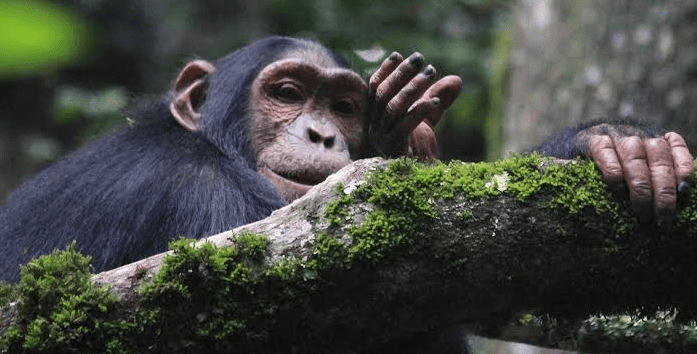
Rachel, a retired teacher from Portland, Oregon, called our team at Feather Trail Safaris in October. By the following June she was standing at the edge of Kibira Forest, listening to a distant pant-hoot and feeling, as she put it, “like I’d found the version of Africa that everyone else was going to find in about ten years.”
If you’re reading this from the United States and wondering how to plan a chimpanzee safari in Burundi, this guide is built around questions like Rachel’s, practical, honest, and designed to get you from your living room in Portland or Atlanta or Chicago to that forest edge in Kibira.
Why Travel to Burundi
Let’s start with the most fundamental question: why Burundi, and why now?
The answer has several parts, and they build on each other.
The chimpanzees are there. Burundi holds an estimated 750 to 1,000 Eastern chimpanzees, the majority in Kibira National Park, one of Central and East Africa’s most significant remaining montane forest ecosystems. These are the same subspecies you’d encounter in Uganda or Tanzania, in a forest that is ancient, complex, and extraordinarily biodiverse.
The experience is genuinely uncrowded. Rwanda’s gorilla trekking is wonderful, but it is also heavily subscribed, permits sell out months in advance, lodges around Volcanoes National Park are frequently full, and the logistical choreography required to secure a good trip has become significant. Kibira, right now, offers chimpanzee encounters with maximum group sizes of 6 to 8 people and permit availability that does not require booking a year ahead. That window will not stay open indefinitely.
The cost is significantly lower. A gorilla trekking permit in Rwanda costs $1,500. A chimpanzee trekking permit in Kibira costs $100 to $150. The experience is different, chimpanzees rather than gorillas, highland rainforest rather than volcanic forest, but the encounter with a wild, habituated great ape in its natural habitat is equally extraordinary.
You are contributing directly to conservation. Burundi’s chimpanzee population faces real threats, habitat loss, snaring, disease risk. The funding that flows from tourism permits and visitor spending is a meaningful part of what sustains the ranger infrastructure that protects the forest. Your trip is not only a personal experience; it is a financial contribution to the animals’ survival.
Burundi is opening. After years of political difficulty that significantly reduced tourism, Burundi is rebuilding its visitor infrastructure with a particular focus on eco-tourism and wildlife. The government, OBPE, and international conservation partners are investing in Kibira’s tourism facilities and ranger capacity. The destination is ready. The question is simply whether American travellers will find it before the secret is fully out.
Rachel found it. Now you can too.
How to Plan a Chimpanzee Safari in Burundi From USA Step by Step
Planning a Burundi chimpanzee safari from the United States involves a specific sequence of decisions. Here is the process in logical order:
Step 1: Decide your travel dates and trip length Work backward from the best seasons for trekking (June to August is peak; December to January is excellent and quieter). Most Burundi-focused chimpanzee itineraries from the USA work well at 7 to 10 days on the ground, which allows for Kibira chimpanzee trekking, some time in Bujumbura, and optional additions like Lake Tanganyika or a cross-border extension to Rwanda.
Step 2: Engage a safari operator with Burundi expertise Burundi is not a destination where independent travel planning delivers the best results. Permit booking, local ground transport, accommodation in remote areas, and up-to-date security and logistics knowledge all require a specialist operator with established local relationships. Do this early, everything else follows from it.
Step 3: Book flights from USA to Burundi There are no direct flights from the US to Bujumbura. Plan for a connection through Nairobi (Kenya Airways) or Kigali (RwandAir), both of which have direct services from major US hubs via European connections. Total travel time from the East Coast is typically 18 to 24 hours including connections.
Step 4: Sort visa and health documentation US citizens require a visa for Burundi (available on arrival or via e-visa). Yellow fever vaccination certificate is required for entry from many countries including the USA. Confirm current requirements 8 to 10 weeks before departure and visit a travel medicine clinic.
Step 5: Secure your chimpanzee trekking permits Your operator handles this, but confirm it explicitly. Permits for habituated communities in Kibira are booked through OBPE and OBTH. For dry-season travel (June–August), book permits 2 to 3 months in advance.
Step 6: Arrange accommodation and logistics Your operator will coordinate accommodation in Bujumbura (pre and post safari), near Kibira (typically in Kayanza Province), and any additional locations on your itinerary. Transport is by private vehicle throughout, there is no public transport infrastructure suited to safari travel in Burundi.
Step 7: Prepare physically and practically Kibira chimpanzee trekking involves sustained hiking on steep, uneven terrain at altitude. A fitness preparation programme in the 6 to 8 weeks before departure, focussing on hillwalking and cardiovascular endurance, makes a genuine difference to how the trek feels.
Visa Requirements for US Travelers
United States passport holders require a visa to enter Burundi. The process is straightforward:
E-visa: Available online through Burundi’s official e-visa portal. Apply at least 2 to 3 weeks before travel. Cost is approximately $80 for a single-entry 30-day visa.
Visa on arrival: Available at Bujumbura International Airport for US citizens. Cost is similar to the e-visa. Processing time on arrival can vary; applying in advance via e-visa is recommended.
Requirements for the visa application:
- Valid US passport (minimum 6 months validity beyond intended travel dates)
- Return or onward ticket
- Proof of accommodation or hotel booking
- Yellow fever vaccination certificate (required)
- Passport photograph
Important: Visa requirements can change. Always verify current requirements with the nearest Burundian embassy or consulate, or through your tour operator, before finalising travel plans.
Best Flights and Routes to Burundi From USA
There are no nonstop flights from the United States to Bujumbura (BJM). All routes involve at least one connection, and most involve two. The most commonly used routing options for US travellers are:
Route 1: USA → Nairobi (NBO) → Bujumbura (BJM) Kenya Airways operates Nairobi–Bujumbura several times per week. The Nairobi connection can be reached from New York (JFK), Washington Dulles, Boston, Los Angeles, and other US cities via direct flights on Kenya Airways or via European hubs (London, Amsterdam, Brussels, Paris, Istanbul) on partner airlines.
Total travel time from the US East Coast: approximately 20–22 hours including connection time.
Route 2: USA → Kigali (KGL) → Bujumbura (BJM) RwandAir connects Kigali to Bujumbura daily and has codeshare agreements with several airlines serving the US via Brussels and other European hubs. Kigali is also the entry point for travellers planning a combined Rwanda-Burundi itinerary.
Route 3: USA → Addis Ababa (ADD) → Bujumbura (BJM) Ethiopian Airlines serves Bujumbura from Addis Ababa and connects to numerous US cities. This routing is often competitive on price and can work well for travellers flying from West Coast cities.
Booking tips:
- Book flights as early as possible, 4 to 6 months ahead for peak season (June–August) and 2 to 3 months for the quieter December–January window
- Build generous connection time at your hub airport, missed connections to Bujumbura are more difficult to rebook than in busier air hubs
Consider arriving a day early in your hub city (Nairobi, Kigali, or Addis Ababa) to eliminate connection risk and to recover from transatlantic travel before the Africa leg begins
Choosing the Right Chimpanzee Safari Package
Not all Burundi chimpanzee safari packages are the same, and the differences matter. Here is what to look for when evaluating options from US tour operators and agents:
Local ground operator credentials: Who is actually running the trip on the ground in Burundi? The US-based travel agent is the booking channel; the local Burundian operator is the one whose relationships, knowledge, and infrastructure determine the quality of your experience. Ask specifically: who is your ground partner in Burundi, and what is their track record?
Permit confirmation in writing: Before you pay any significant deposit, confirm that your chimpanzee trekking permits are either secured or on a confirmed booking system. Do not accept vague assurances that “permits won’t be a problem.”
Flexibility in the itinerary: Chimpanzee trekking involves natural variability, the chimps move, weather changes, and good operators build itineraries with enough flexibility to respond. Be cautious of packages with excessively rigid day-by-day schedules that don’t allow for the realities of wildlife travel.
Community and conservation integration: The best Burundi safari packages include direct engagement with local communities, community-owned guesthouses, locally employed guides, cultural visits, craft purchases. Ask your operator specifically about how their packages contribute to local communities around Kibira.
Small group sizes: Confirm the maximum group size for your trek. Eight is the current permitted maximum; some operators run smaller groups at a slight premium. Smaller is better for the experience and for the chimpanzees.
Post-trek support: What happens if your permit date is compromised by unforeseen circumstances (weather, political developments, health issues)? Understand the operator’s policy before you book.
When to Visit Burundi for Chimpanzee Trekking
For US travellers, the timing question has both a Burundian seasonal dimension and an American calendar dimension — they don’t always align conveniently.
June through August (Long Dry Season — Best): The optimal period for chimpanzee trekking in Kibira. Corresponds to the US summer, school holidays, the most common period for American families and adults with academic schedules to travel. Permits book up fastest for this window. Plan 4 to 6 months ahead.
December through January (Short Dry Season — Excellent): The second-best trekking season, with significantly lower visitor numbers. Corresponds to the US holiday period, making it a natural fit for Americans with travel time available. The window between Christmas Day and mid-January is particularly pleasant in Kibira, drier, quieter, and offering the particular atmosphere of a destination at its most relaxed.
March through May (Long Rains): The most challenging season for trekking. Not recommended for first-time visitors or those with limited hiking experience.
September through November (Short Rains): Challenging but manageable for experienced hikers. The forest is spectacularly lush, crowds are minimal, and prices are at their lowest.
Budgeting for Your Burundi Safari
Full transparency on costs is important, because Burundi is still a destination where pricing information is inconsistent online. Here is an honest breakdown:
International flights (USA to Bujumbura return): $1,400 to $2,200 depending on routing, airline, and booking lead time. East Coast departures are typically cheaper than West Coast.
Chimpanzee trekking permits: $100 to $150 per person per standard trek. If you do two trek days, budget accordingly.
Park entry fees: $20 to $30 per person per day.
Accommodation:
- Budget guesthouse near Kibira: $30 to $60 per night
- Mid-range lodge: $60 to $130 per night
- Bujumbura city hotel (mid-range): $60 to $120 per night
Ground transport (private vehicle and driver): $100–$180 per day depending on vehicle type and route.
Porter hire: $10 to $15 per porter per trek day.
Meals: $15 to $40 per day depending on where you eat (local restaurants significantly cheaper than hotel dining).
Miscellaneous (tips, crafts, incidentals): Budget $150 to $200 for the trip.
Estimated total per person for a 10-day Burundi chimpanzee safari from USA (excluding international flights):
| Budget Level | Estimated Per-Person Cost |
| Budget | $800–$1,200 |
| Mid-range | $1,500–$2,500 |
| Comfortable | $2,500–$4,000 |
International flights add $1,400 to $2,200 on top of these figures. A complete mid-range 10-day chimpanzee safari in Burundi from the USA typically costs $3,000 to $4,500 per person all-in, making it one of the most affordable great ape safari experiences available to American travellers.
Health, Safety, and Travel Tips
Vaccinations: Yellow fever vaccination is required for entry into Burundi from the USA and must be documented on an International Certificate of Vaccination. Additional recommended vaccines include hepatitis A and B, typhoid, meningitis, and rabies (particularly for those spending time in forested areas). Consult a travel medicine specialist at least 6 to 8 weeks before departure.
Malaria: Burundi is a malaria-endemic country. Antimalarial prophylaxis is strongly recommended, discuss options (atovaquone-proguanil, doxycycline, mefloquine) with your travel medicine doctor. Apply DEET-based insect repellent, sleep under a treated mosquito net, and wear long clothing after dusk.
Travel insurance: Comprehensive travel insurance including medical evacuation cover is not optional for Burundi. Medical facilities in the country are limited, and evacuation to Nairobi is the standard response to serious medical incidents. Confirm that your policy covers the specific activities you plan to undertake, including chimpanzee trekking.
Security: Check your government’s current travel advisory (travel.state.gov) before booking and again before departure. Burundi’s security situation has improved significantly in recent years, and the Kibira National Park area is generally considered stable. However, the situation can change, and current advisory should always be consulted.
Communication: Mobile coverage in Burundi is available in cities and main towns but limited or absent in Kibira. Download offline maps before leaving Bujumbura. Inform your family or emergency contact of your detailed itinerary.
Currency: The Burundian franc (BIF) is the local currency. US dollars are widely accepted for major transactions (permits, lodge accommodation, vehicle hire), but small franc notes are useful for local markets, restaurants, and tips. ATMs are available in Bujumbura but less reliable elsewhere. Carry sufficient cash for the duration of your upcountry time.
Frequently Asked Questions
Do I need a travel agent or can I plan independently?
For Burundi specifically, we strongly recommend booking through a specialist operator. Permit booking, local logistics, and current ground-level knowledge of conditions are difficult to navigate independently from the US, and the cost difference between independent travel and operator-supported travel is smaller than most people expect once you factor in the efficiency and security that local expertise provides.
Is it possible to combine Burundi with Rwanda or Uganda on one trip?
Yes, and many travellers do. Rwanda is a short flight from Bujumbura (or a several-hour road trip via the border crossing), and a combined itinerary that includes gorilla trekking in Rwanda and chimpanzee trekking in Burundi is one of the finest primate safari experiences in Africa. Uganda can be added for those with longer travel windows.
How far in advance should I book?
For June to August travel, book 4 to 6 months ahead. For December to January, 2 to 3 months is usually sufficient. Don’t leave permit booking to the last minute.
Is Burundi a good destination for solo travellers?
Yes, with appropriate preparation. The operator’s ground team places solo travellers in small trekking groups and fully supports them throughout the experience.
Solo female travellers should consult their operator about current local conditions and specific recommendations.
Ready to make it real?
Talk to our team at Feather Trail Safaris, we handle everything from permit booking to flights advice to packing lists, so your job is simply to show up ready for one of Africa’s great undiscovered wildlife experiences.