
Wildlife Comparison: Rwanda vs. Burundi Safari Destinations
When planning a journey to the heart of Africa, selecting the perfect setting for your wilderness encounters can be a daunting choice. The Albertine Rift region holds an incredible collection of endemic species, rugged volcanic ranges, and dense tropical rainforests. For travelers looking to venture off the beaten path, a comprehensive Wildlife Comparison: Rwanda vs. Burundi Safari Destinations provides the ideal blueprint to design an unforgettable itinerary. Both countries share a common border and a dramatic geological history, yet they offer completely different approaches to conservation, park infrastructure, and wildlife encounters.
Choosing between these two neighboring destinations requires analyzing what kind of traveler you are. Rwanda has built a reputation around high-end eco-tourism, well-maintained park trails, and predictable mountain gorilla encounters. In contrast, Burundi offers a raw, unexplored frontier where wilderness tracking feels like an authentic old-school expedition, free from crowds. Let’s look at how their national parks, primate habitats, savannah environments, and bird-watching options compare to help you choose the best fit for your travel goals.
The Big Picture: Eco-Tourism Infrastructure vs. Raw Frontier
To fully understand this Wildlife Comparison: Rwanda vs. Burundi Safari Destinations, we must first explore the different conservation philosophies and travel environments found in each country.
Rwanda has spent decades building one of the world’s most successful and organized premium eco-tourism models, managed by the Rwanda Development Board. The country’s national parks are clearly mapped out, protected by highly trained rangers, and linked by excellent roads. This high-end approach ensures well-structured wildlife tracking experiences. On the other hand, Burundi represents a true frontier destination. Because its tourism sector is still growing, it offers an authentic, uncrowded alternative for experienced travelers. In Burundi, you will rarely see other safari vehicles, allowing you to connect deeply with the local landscapes and host communities.
Primate Showdown: Mountain Gorillas vs. Wild Chimpanzees
Primate encounters are the primary draw for travelers heading to this corner of East Africa. Both nations host impressive primate populations within the Albertine Rift montane ecosystem, but the target species and tracking styles vary significantly.
Rwanda’s Premium Primate Sanctuary
Rwanda is globally famous for hosting nearly a third of the world’s remaining mountain gorillas (Gorilla beringei beringei). These are inside Volcanoes National Park. This pristine park features highly organized tracks, where expert trackers lead small groups of eight visitors to spend a strictly regulated hour with a habituated gorilla family. Additionally, Nyungwe Forest National Park provides excellent trails for tracking large troops of Rwenzori colobus monkeys and chimpanzees. These structured environments make our signature Gorilla Trekking Tours incredibly popular.
Burundi’s Untouched Forest Canopies
Burundi shifts the focus toward a completely raw canopy tracking experience. Kibira National Park covers 400 square kilometers along the high ridges of the Congo-Nile Divide and serves as a direct geographic extension of Rwanda’s Nyungwe forest.
Kibira is home to a thriving population of wild chimpanzees (Pan troglodytes). Because the park sees very few international visitors, tracking primates here involves true wilderness skills. You will follow native rangers off-trail, cutting through thick vines and steep valleys to follow the booming calls of chimpanzees through the high trees. This thrilling, old-school adventure is a standout highlight on our custom Burundi Tours.
Savannah Safaris: Big Five vs. Wetland Deltas
While neither nation matches the vast, open plains of the Serengeti, both offer rewarding savannah and wetland safari options that add great diversity to a multi-day trip.
Akagera National Park (Rwanda)
Rwanda’s premier savannah destination is Akagera National Park, located along the eastern border with Tanzania. Thanks to dedicated management by African Parks, Akagera has transformed into a thriving Big Five sanctuary.
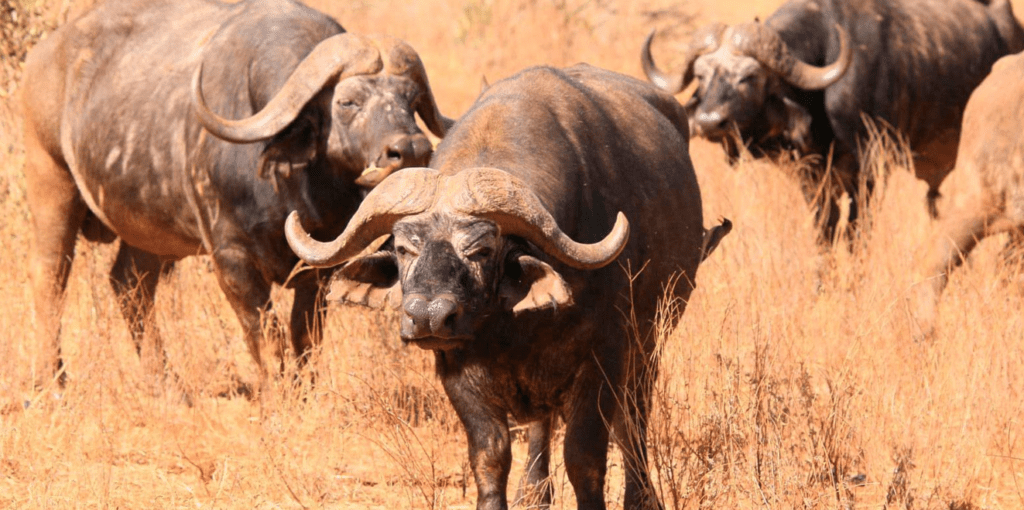
The park features rolling clay hills, open acacia woodlands, and a vast network of papyrus-fringed lakes. Visitors can spot lions, rhinos, leopards, elephants, and large herds of Cape buffaloes along well-graded game drive loops. Including these classic savannah drives balances out the forest trekking on our comprehensive Rwanda Tours.
Rusizi and Ruvubu National Parks (Burundi)
Burundi’s savannah areas are characterized by unique river systems and wetland deltas. Rusizi National Park, located just outside Bujumbura, centers around the flat plains where the Rusizi River flows into Lake Tanganyika.
Rather than standard land drives, the highlight here is a peaceful boat safari to observe large resident pods of hippos. The sitatunga antelopes, and sunbathing Nile crocodiles. For a deeper land safari, Ruvubu National Park in the eastern interior protects a wild, unpaved landscape where herds of buffaloes, waterbucks, and various duiker species roam freely along the Ruvubu River valley.
Avian Abundance: A Paradise for Bird Watchers
For bird-watching enthusiasts, this region is an absolute dream. Both countries offer incredible birding opportunities, with high concentrations of species packed into relatively compact geographic areas.
Rwanda stands out as a world-class birding destination, boasting a checklist of over 700 species. The high-altitude forests of Nyungwe host 29 distinct Albertine Rift endemics, including the beautiful Rwenzori Turaco and the Regal Sunbird.
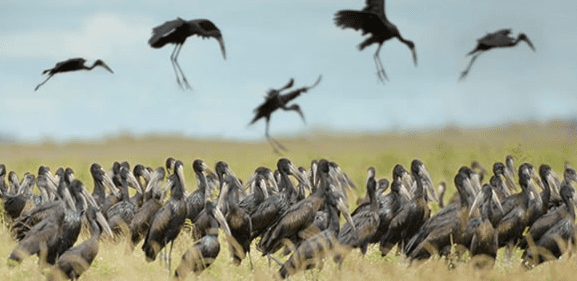
Meanwhile, Burundi holds its own with over 600 recorded species. The coastal wetlands of Rusizi and the shores of Lake Tanganyika serve as vital stopovers for thousands of migratory waterbirds, making it a fantastic place to spot kingfishers, pelicans, and rare herons. Incorporating these bird-watching stops adds immense value to our Cultural Tours.
Accessibility, Permits, and Budget Breakdown
An honest comparison must look at the practical details of travel logistics, permit costs, and overall budgeting requirements.
Permit Costs: Rwanda focuses on a premium eco-tourism model, with mountain gorilla tracking permits priced at $1,500 USD per person. This revenue directly supports intensive conservation work and community development funds. Burundi’s park entry and tracking fees are significantly more budget-friendly, making it an appealing option for independent backpackers and adventurous overlanders.
Road Conditions and Logistics: Rwanda’s compact size and smooth, paved roads make it incredibly easy to travel between parks in a standard vehicle. Burundi’s infrastructure is more rugged, requiring a robust 4×4 vehicle and an experienced local driver to safely navigate unpaved mountain roads and remote trailheads.
Visa Procedures: International visitors should verify current entry rules with Rwanda Immigration Services and Burundi Immigration Authorities. While Rwanda provides convenient visas-on-arrival, Burundi requires pre-clearance letters or an approved eVisa before arriving at its land border posts or airport. A valid Yellow Fever certificate is strictly mandatory for both countries.
Choosing Your Ideal Wildlife Destination
To help summarize this Wildlife Comparison: Rwanda vs. Burundi Safari Destinations, we can match each destination to different travel styles and preferences:
Choose Rwanda If:
You want to see mountain gorillas up close in a well-structured setting.
Once prefer smooth travel logistics, short driving distances, and high-end luxury eco-lodges.
When you want to see the Big Five in a single, well-protected park like Akagera.
They have a shorter vacation window and need predictable, seamless travel arrangements.
Choose Burundi If:
want a raw, authentic adventure entirely free from tourist crowds.
You enjoy off-trail forest tracking to see wild chimpanzees in their natural habitat.
When drawn to unique river boat safaris, vibrant drum sanctuaries, and lakeside cultures.
Travel with an adventurous spirit and don’t mind rugged roads or developing infrastructure.
The Ultimate Answer: The Combined Multi-Country Itinerary
For true wildlife lovers, you don’t necessarily have to choose between these two incredible destinations. The best way to experience the region is by combining them into a single, comprehensive cross-border itinerary.
By linking these neighboring countries, you can enjoy the organized, premium parks of Rwanda before heading south to explore the wild. The untouched forests of Burundi. This dual-nation approach allows you to see both mountain gorillas and wild chimpanzees while experiencing the unique cultures, landscapes, and traditions of each country. It is the perfect format for our signature multi-country East Africa Safaris.
Sustainable Travel and Wildlife Conservation
Our tour company is built on a foundation of responsible, low-impact, and regenerative travel. We design all of our multi-country itineraries to actively protect fragile habitats and support local communities.
work closely with conservation frameworks supported by the East African Community. partner with eco-lodges that focus on environmental sustainability, minimize single-use plastics, and hire staff from surrounding villages. This sustainable approach helps keep wildlife populations safe and ensures that your trip directly benefits the people who live alongside these beautiful national parks.
Essential Safety Tips for African Safaris
Your safety is our absolute highest priority. Following a few simple guidelines ensures a safe, comfortable, and positive experience on the trail:
Always Follow Your Guide: Stay behind your assigned park ranger or trail guide at all times. They understand local terrain risks and animal behaviors perfectly.
Pack the Right Clothing: Wear durable, long-sleeved shirts, thick trousers, and sturdy hiking boots to protect yourself from thorny plants and insects on the trail.
Maintain a Safe Distance: Keep a strict 7-meter (23-foot) buffer when encountering wild primates or large mammals to ensure a calm, safe interaction.
Keep Hydrated: Bring a reliable hydration bladder or insulated water bottles to stay energized during long treks in hot or high-altitude environments.
Why Book Your Expedition with Feather Trail Safaris
Organizing a multi-country safari across Rwanda and Burundi involves navigating detailed permit bookings, custom border clearances, and complex road logistics. Trying to manage these details on your own can quickly lead to unnecessary stress and travel delays.
At Feather Trail Safaris, we specialize in creating seamless, stress-free, low-impact multi-country African expeditions. We take care of every single detail, from securing your primate tracking permits and arranging private 4×4 transport to managing border documentation and booking the finest eco-lodges. Our experienced local guides and strong regional partnerships ensure you enjoy a safe, authentic, and unforgettable safari adventure.
FAQ
What is the Wildlife Comparison: Rwanda vs. Burundi Safari Destinations guide?
This comparative guide outlines the key differences in wildlife species, national park styles, tracking difficulty, and overall infrastructure between Rwanda and Burundi to help travelers choose the ideal safari destination.
Which country is better for tracking mountain gorillas?
Rwanda is the clear choice for mountain gorillas, hosting nearly a third of the world’s remaining population inside its highly organized and world-renowned Volcanoes National Park.
Can I track chimpanzees in both countries?
Yes, chimpanzees can be found in both nations. Rwanda offers well-maintained forest trails in Nyungwe, while Burundi provides a raw, off-trail wilderness tracking experience inside Kibira National Park.
What are the main savannah parks in these destinations?
Rwanda features Akagera National Park, a thriving Big Five sanctuary with classic savannah drives. Burundi offers Rusizi National Park, famous for its hippo river boat cruises, and the rugged Ruvubu National Park.
Is traveling in Rwanda more expensive than Burundi?
Yes, Rwanda focuses on a premium, high-end eco-tourism model with higher permit and accommodation costs. Burundi offers a more budget-friendly frontier alternative for independent travelers.
Do I need separate visas for a multi-country tour?
Yes, you will need valid entry visas for both nations. Rwanda provides convenient visas-on-arrival, while Burundi requires you to secure an approved eVisa or pre-clearance letter before arriving at the border.
When is the best time of year to visit these parks?
The dry season months of June to September and December to February offer the best conditions. This bring clear skies, firm trails, and optimal wildlife viewing opportunities.
How can I book a combined tour package?
You can easily arrange a seamless cross-border safari by reaching out to our team of travel specialists via our website’s main contact page.