
Rwanda Lake Kivu & Burundi Tanganyika: Twin Lakes Tour
Exploring the dramatic landscapes of the Albertine Rift Valley reveals an interconnected aquatic world that rivals Africa’s famed savannahs. While dense jungles and mountain tracking often dominate regional travel plans, seasoned travelers recognize that the true beauty of equatorial Africa lies along its massive water bodies. Booking our custom-designed Rwanda Lake Kivu & Burundi Tanganyika: Twin Lakes Tour offers a refreshing, slow-paced safari alternative that combines stunning mountain backdrops, pristine sandy beaches, and authentic cultural encounters. This cross-border journey links two of the continent’s most fascinating bodies of water into a single, cohesive overland circuit built for relaxation and discovery.
Traveling down this western edge of the Great Rift Valley exposes you to entirely unique ecosystems, local fishing traditions, and historic lakeside towns. By choosing this multi-country route, you will experience the island-studded bays and emerald hillsides of Western Rwanda before heading south to relax on the tropical beaches of Burundi. This specialized package offers a wonderful balance of peaceful resort retreats and active water sports, ensuring an unforgettable holiday. Let’s dive directly into the full logistical plan, daily schedules, and unique water excursions that make this regional lake package stand out.
Why Choose a Twin Lakes Water Safari?
Most traditional East African safaris involve long, bumpy game drives through dusty savannah parks, which can leave travelers feeling physically exhausted. Opting for an aquatic-focused circuit allows you to slow your travel pace down while still experiencing rich biodiversity and deep cultural traditions.
The contrasts between these two massive bodies of water are fascinating to experience firsthand. Lake Kivu is a high-altitude lake surrounded by steep, emerald-green terraced hills and is entirely free from crocodiles and hippos, making it a paradise for swimming, kayaking, and island hopping. On the other hand, Lake Tanganyika is a massive, tropical inland sea—the longest freshwater lake in the world, home to vibrant schools of colorful cichlid fish, unique wetland wildlife, and wide sandy beaches. Combining both destinations into one itinerary gives you a complete, well-rounded view of the African Great Lakes region.
The Master 11-Day Aquatic Itinerary
This overland and water-based itinerary has been meticulously mapped out by our regional logistical experts to balance travel times, ensure easy border crossings, and maximize your time on the water.
Day 1: Arrival in Kigali and Cultural Introduction
Your journey begins with your arrival at Kigali International Airport. A private guide from Feather Trail Safaris will welcome you and transfer you to an eco-friendly boutique hotel in the city. Spend your afternoon touring the clean capital, visiting local art galleries, or picking up essentials before heading out to the lake regions the next morning.
Day 2: Drive to Rubavu (Gisenyi) on Lake Kivu
Travel west from Kigali on a scenic three-hour drive through winding mountain roads, climbing through spectacular terraced hillsides. Arrive by lunchtime in Rubavu, a historic resort town nestled right on the sandy northern shores of Lake Kivu. Spend your afternoon strolling along the waterfront or relaxing on your resort’s private beach, enjoying the cool mountain breeze.
Day 3: Coffee Island Boat Cruise and Singing Fishermen
Board a traditional wooden motorboat for a morning cruise across the clear, calm waters of Kivu. Stop at a local island coffee plantation to walk through the crop fields, pick ripe coffee cherries, and learn about the entire production process from bean to cup.
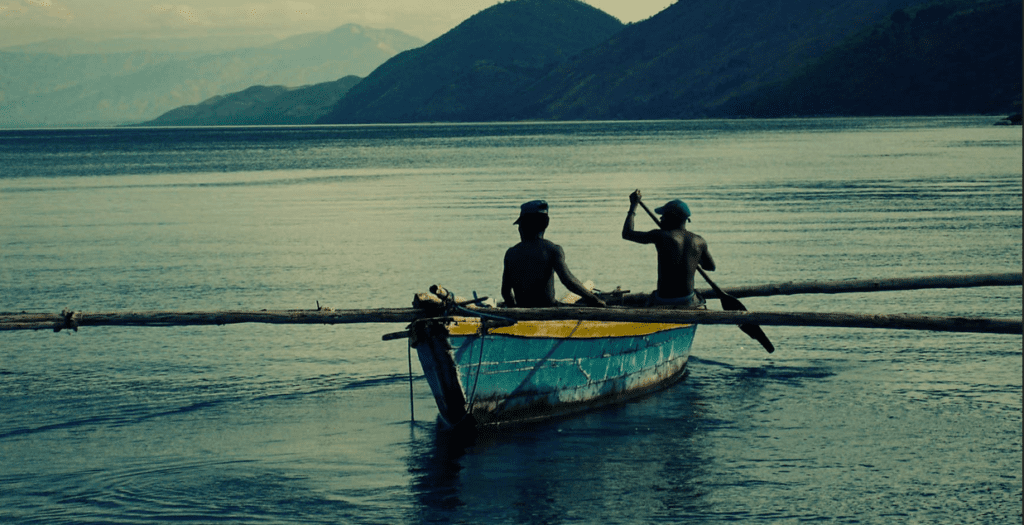
In the late afternoon, embark on a unique night-fishing excursion. Watch the local three-catamaran fishing crews paddle out into the deep water in unison, singing rhythmic melodies that echo across the water to coordinate casting their large nets. This experience serves as a favorite highlight on our standard Rwanda Tours.
Day 4: Overlanding to Karongi (Kibuye)
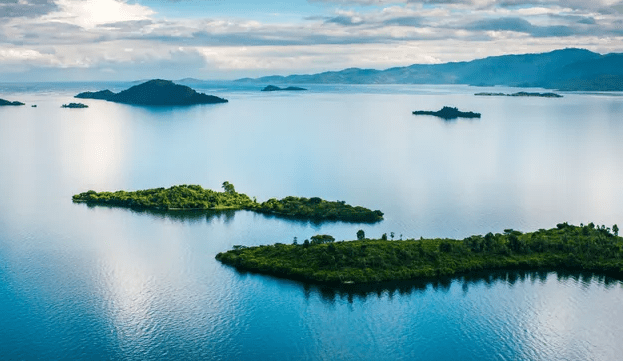
Travel south along the scenic Congo-Nile Trail to Karongi, widely considered the most picturesque town on Lake Kivu due to its countless pine-covered islands and deep, quiet bays. Check into a lakeside eco-lodge built directly on the rocky shoreline. Spend your afternoon swimming in the calm, bilharzia-free water or exploring the peaceful town on foot.
Day 5: Hiking Napoleon Island and Fruit Bat Viewing
Take a morning boat cruise out to Napoleon Island, named for its distinct shape that resembles the historic ruler’s hat. Disembark for a short, steep hike up to the island’s highest ridge, which rewards you with breathtaking panoramic views of the entire lake. Along the trail, look up into the trees to observe a massive resident colony of thousands of straw-colored fruit bats. This active day is a core element of our curated Cultural Tours.
Day 6: Transit to Nyungwe Forest National Park
Leave the lake shores behind temporarily as you travel south to the high-altitude montane rainforests of Nyungwe National Park. Spend your afternoon exploring the ancient forest canopy from an entirely new perspective by walking across the famous 160-meter-long canopy walkway, suspended 70 meters above the deep forest floor.
Day 7: Crossing the Border to Bujumbura, Burundi
Bid farewell to Rwanda as you complete your passport checks at the land border outpost. Once inside Burundi, your drive winds down through dramatic mountain escarpments, dropping into the tropical plains of the Rift Valley. Arrive in Bujumbura, the vibrant former capital, and head straight to your hotel on the white-sand shores of Lake Tanganyika. This transition introduces you to our immersive Burundi Tours.
Day 8: Exploring the Tropical Beaches of Lake Tanganyika
Spend a full, relaxing day discovering why Tanganyika’s northern beaches are so famous across East Africa. The fine white sand and rolling waves make it feel like a tropical ocean resort rather than an inland lake.
Enjoy a relaxing swim in the warm water, try out paddleboarding, and savor a classic lunch of fresh, locally caught Mukeke or Sangala (Nile Perch) at a beachfront restaurant.
Day 9: Rusizi National Park Boat Safari
Take a morning boat safari through the coastal wetlands of nearby Rusizi National Park, where the Rusizi River empties into Lake Tanganyika. This unique delta environment is an excellent place to spot large pods of resident hippos, sunbathing crocodiles, and a diverse array of migratory waterbirds, including kingfishers and pelicans.
Day 10: Livingstones Monument and Blue Cichlid Snorkeling
Travel a short distance south of the city to visit the historic Livingstone-Stanley Monument, marking the spot where the famous explorers stayed in 1871. Afterward, gear up for an afternoon snorkeling excursion in the clear, shallow waters near Kigwena to view some of the lake’s 250 endemic species of bright, colorful cichlid fish. This excursion adds incredible value to our East Africa Safaris.
Day 11: Local Craft Markets and Departure
Spend your final morning browsing local cooperative artisan markets in downtown Bujumbura to pick up hand-carved wooden masks, woven baskets, and traditional artwork. Enjoy one last tropical drink looking out over the water before transferring to Melchior Ndadaye International Airport for your departure flight, successfully wrapping up your twin lakes journey.
The Magical Allure of Rwanda’s Lake Kivu
Lake Kivu stands out as one of Africa’s most unique geographic wonders. Positioned at an elevation of 1,460 meters above sea level, its deep, fresh waters are entirely free from dangerous African wildlife, making it one of the safest places on the continent for open-water swimming, windsurfing, and sea kayaking.
The local culture surrounding Kivu is deeply tied to the water. Exploring the lake’s islands reveals vibrant agricultural communities, small-scale dairy farms, and ancient, well-preserved traditions. The night-fishing crews, with their long wooden outriggers and glowing lanterns, offer an unforgettable cultural experience that beautifully combines local industry with centuries-old musical traditions. It serves as a perfect, relaxing extension for travelers returning from strenuous Gorilla Trekking Tours.
Discovering the Vast Scales of Lake Tanganyika
Heading south across the border brings you to Lake Tanganyika, an inland sea of truly epic proportions. Holding nearly 18% of the world’s available fresh surface water, this ancient lake reaches a maximum depth of 1,470 meters, making it the second-deepest lake on earth.
Tanganyika’s immense scale shapes every aspect of daily life in Bujumbura. The city’s waterfront culture is lively and welcoming, with bustling fish markets operating alongside laid-back beach resorts. For nature enthusiasts, the lake’s exceptional underwater visibility makes it an incredible destination for freshwater snorkeling and scuba diving. These offer a chance to see colorful, unique fish species found nowhere else on earth.
Essential Travel Logistics & Packing Guide
Because this tour covers a variety of elevations, from cool mountain forests to hot, tropical lake basins. You should pack versatile clothing and high-quality gear is essential for your comfort.
Navigating Land Borders and Visa Rules
Successfully managing a cross-border itinerary requires careful attention to regional immigration guidelines. Planning ahead prevents unnecessary delays at remote outposts.
Ensure your passport is valid for at least six months past your travel dates and has plenty of blank pages. You will need to check the current entry requirements outlined by Rwanda Immigration Services and Burundi Immigration Authorities. While Rwanda offers convenient visas-on-arrival, Burundi requires an approved eVisa or pre-clearance letter before you arrive at the land border. Additionally, you must carry a valid Yellow Fever vaccination certificate to cross the frontier safely.
Best Time of Year to Book Your Lake Safari
While water-based safaris are rewarding year-round, choosing the right season can greatly enhance your comfort and overall travel experience.
The long dry season from June to September is universally considered the best time to book this multi-country tour. During these months, skies are clear, rainfall is minimal, and water visibility is at its peak for snorkeling. The shorter dry window from December to February is another excellent choice. Traveling during the heavy rainy season (March to May) brings more humid conditions and occasional afternoon storms, but it offers lush, green landscapes and dramatic, cloudy sunsets that photographers will absolutely love.
Our Commitment to Sustainable Water Tourism
Our company operates on a foundation of responsible, low-impact, and regenerative travel. We work closely with local lakeside communities to ensure our tours actively support environmental protection and grassroots economic growth.
Our itineraries align with sustainable development guidelines established by the East African Community and the Rwanda Development Board. We partner with eco-lodges that implement strict waste-management practices. Minimize single-use plastics, and support local fishing and farming cooperatives. This sustainable model helps preserve these delicate aquatic ecosystems, keeping them pristine and vibrant for future generations of travelers.
Safety and Etiquette Around Regional Waterways
Your safety is our absolute highest priority. Following a few simple guidelines ensures a safe, respectful, and positive experience on the water:
Always Wear Your Life Jacket: Wear a properly fitted life jacket whenever you are on a boat, kayak, or catamaran cruise, regardless of your swimming ability.
Respect Local Fishing Gear: Keep a respectful distance from local fishing nets, traps, and catamarans. These tools are central to local livelihoods, and avoiding them prevents accidents.
Be Mindful of Wildlife Boundaries: When on boat safaris in places like Rusizi National Park, follow your captain’s instructions and maintain a safe distance from hippos and crocodiles.
Keep Beaches Clean: Protect the environment by packing out all trash, wrappers, and plastics. Leaving pristine shorelines behind helps preserve these beautiful ecosystems.
Why Choose Feather Trail Safaris for Your Journey
Organizing an overland, multi-country tour across Rwanda and Burundi involves navigating complex logistics, coordinating boat charters, and managing detailed border crossings. Trying to handle these moving parts on your own can quickly lead to logistical confusion.
At Feather Trail Safaris, we specialize in creating seamless, low-impact, multi-country African expeditions. We manage every single detail of your journey, from private 4×4 ground transport and boat charters to border documentation and eco-lodge bookings, allowing you to relax and enjoy the trip. Our deep local roots, experienced guides, and commitment to safety ensure an authentic, worry-free vacation.
FAQ
What is the Rwanda Lake Kivu & Burundi Tanganyika: Twin Lakes Tour?
This unique multi-country tour package combines scenic water adventures and island hopping. The cultural experiences across Rwanda’s high-altitude Lake Kivu and Burundi’s tropical Lake Tanganyika.
Is it safe to swim in Lake Kivu?
Yes, Lake Kivu is completely free from bilharzia, hippos, and crocodiles, making it one of the safest and cleanest natural freshwater lakes for swimming and kayaking in Africa.
Are there crocodiles or hippos in Lake Tanganyika?
Yes, Lake Tanganyika is home to diverse wildlife, including crocodiles and hippos, particularly around river mouths like the Rusizi delta. Swimming should be limited to designated safe resort beaches.
Do I need a visa to cross the border during this tour?
Yes, you will need valid entry visas for both nations. Rwanda provides convenient visas-on-arrival, while Burundi requires an approved eVisa or pre-clearance letter before you arrive at the land border.
What is unique about the fishermen on Lake Kivu?
Every evening, local fishing crews paddle out in unique three-boat catamarans, singing rhythmic traditional songs in unison to coordinate casting their large nets across the deep water.
Can I see unique fish species during this tour?
Yes! Lake Tanganyika is famous for its exceptional underwater visibility. It holds over 250 endemic species of brightly colored cichlid fish, making it an incredible destination for snorkeling.
What is the best time of year to book this lake tour?
The dry season months of June to September and December to February. This months offer the best conditions, bringing clear skies, calm waters, and excellent visibility for snorkeling.
How do I book or customize this twin lakes package?
You can easily reserve your tour or tailor the itinerary to match your schedule. This is by reaching out to our travel specialists via our website’s main contact page.
Ready to experience the ultimate aquatic adventure? Contact Us today to start designing your personalized lake itinerary.