
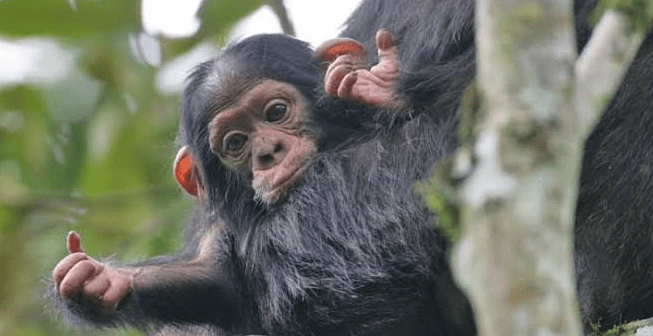
Where to Track Chimpanzees in Burundi: Complete Travel Guide 2026
The forest woke up before I did.
I was still lacing my boots outside the ranger station at Kibira National Park when the first sounds reached me, a long, whooping call from somewhere deep in the canopy above, answered almost immediately by a second, then a third, building into a rolling chorus that echoed off the trees and made the hairs on my arms stand up. My guide Emmanuel paused, tilted his head, and smiled. “They’re already moving,” he said. “Today will be a good day.”
If you’ve been wondering where to track chimpanzees in Burundi, this complete travel guide for 2026 is everything I wish I’d had before I went. Burundi remains one of Africa’s most overlooked safari destinations, and that, as it turns out, is precisely what makes it so extraordinary.
Why Burundi Is Becoming a Top Destination for Chimpanzee Tracking
For years, travellers chasing primate experiences in East and Central Africa flew over Burundi on their way to Rwanda and Uganda. That is changing, and the change is happening for reasons that anyone who has stood in Kibira’s rainforest understands immediately.
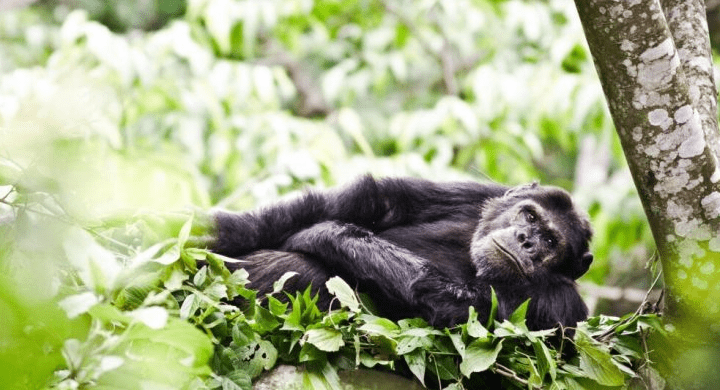
Burundi is home to an estimated 750 to 1,000 chimpanzees, one of the largest populations in East Africa. The vast majority live in and around Kibira National Park, a 40,000-hectare montane rainforest in the country’s northwest that represents the largest protected forest in Burundi and one of the most significant primate habitats in the Great Lakes region.
What makes Burundi genuinely different from its more famous neighbours is the quality of the experience. Group sizes for chimpanzee trekking in Burundi are small. The forest infrastructure is new and improving rapidly. And the chimps, habituated through years of patient ranger work, offer encounters that feel intimate and unhurried rather than processed and managed.
Rwanda’s gorilla trekking has been discovered. Burundi’s chimpanzee trekking is still being discovered. For the traveller who wants something real, that distinction matters enormously.
Where to Track Chimpanzees in Burundi
The Main Chimpanzee Tracking Locations in Burundi
Burundi has several forest areas where chimpanzees are present, but not all are equally accessible or developed for tourism. Here is an honest overview of where to track chimpanzees in Burundi in 2026:
Kibira National Park is by far the primary and most developed destination for chimpanzee tracking in Burundi. The park covers the Albertine Rift highlands in the northwest of the country and contains several habituated chimpanzee communities that can be visited with trained rangers. This is the destination around which serious primate tracking itineraries are built, and the one covered in most detail throughout this guide.
Rumonge Nature Reserve on the shores of Lake Tanganyika in the southwest contains chimpanzee populations and has been the subject of community-based conservation efforts. Tracking experiences here are less developed than Kibira but offer a completely different landscape, forest meeting lake shore, that has its own extraordinary beauty.
Vyanda Bururi Forest Reserve in the south contains small chimpanzee populations and is sometimes visited as part of broader wildlife and birdwatching itineraries. The forest here is under significant pressure from agricultural encroachment, and the chimpanzee tracking experience is more unpredictable than Kibira.
For the vast majority of visitors planning primate tracking in Burundi in 2026, Kibira National Park is the right choice, and the rest of this guide focuses accordingly.
Kibira National Park — The Best Place for Chimpanzee Trekking in Burundi
Kibira National Park sits in the Albertine Rift highlands of northwestern Burundi, straddling the ridge between the Congo basin and the Nile basin. At elevations between 1,600 and 2,670 metres, it is genuinely montane forest, ancient, complex, multi-layered, and alive in the way that only old-growth forest can be.
The park was gazetted in 1980 and covers approximately 40,000 hectares. It is contiguous with Rwanda’s Nyungwe Forest National Park across the northern border, forming part of one of the most important remaining montane forest ecosystems in Africa, a chain of forest that supports extraordinary biodiversity, including 13 primate species, over 600 plant species, and more than 200 bird species.
The chimpanzees in Kibira are the park’s headline wildlife attraction, but they share the forest with olive baboons, black-and-white colobus monkeys, Angolan colobus, red-tailed monkeys, L’Hoest’s monkeys, and the elusive red-legged sun squirrel. On a good tracking day, it is entirely possible to encounter multiple primate species before you even reach the chimpanzees.
Getting to Kibira National Park
The main entry point to Kibira is via the town of Rwegura in the Kayanza Province, approximately 80 kilometres north of Bujumbura on a road that becomes increasingly dramatic as it climbs into the highlands. The drive from Bujumbura takes around 2.5 to 3 hours by private vehicle.
Bujumbura International Airport connects the capital to Nairobi (Kenya Airways and Rwandair) and several other East African hubs. Most international visitors fly into Nairobi or Kigali and connect onward to Bujumbura for their Burundi itinerary.
What to Expect During a Chimpanzee Tracking Experience
This is the section most people skip to first, and understandably so.
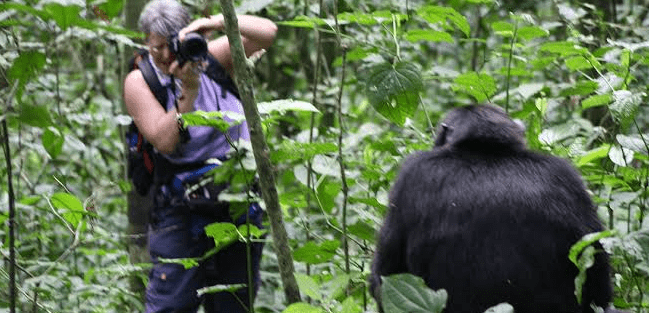
The day begins early, typically a 6:30am start at the ranger station, which itself requires leaving your accommodation before dawn. A pre-trek briefing covers the rules: maximum group size (currently 6 to 8 people per chimpanzee community), minimum distance from the chimps (8 metres), no flash photography, no eating or drinking in the chimps’ presence, and what to do if a chimp approaches you.
Then the tracking begins.
Unlike gorilla trekking, where you are walking to a relatively predictable location where trackers have pre-located the family, chimpanzee tracking involves active searching. The rangers follow calls, look for feeding evidence, half-eaten fruit, discarded fig seeds, broken branches, and use their intimate knowledge of the specific community’s territory to find the animals.
On some days this takes forty-five minutes. On others, two or three hours. The uncertainty is part of what makes it feel genuinely wild.
When you find them, and you will find them, the success rate for habituated communities is very high, the experience is louder, faster, and more dynamic than gorilla trekking. Chimpanzees move quickly through the canopy, interact noisily with each other, and pay varying amounts of attention to human observers. Some will descend to the forest floor and walk within metres of the group, making sustained, direct eye contact that is one of the most extraordinary experiences in African wildlife.
You have one hour with the community. Most trekkers say it feels like ten minutes.
Best Time to Track Chimpanzees in Burundi
Chimpanzee trekking in Burundi operates year-round, but conditions vary significantly with the seasons.
Burundi has two dry seasons and two wet seasons each year. The long dry season runs from June through August, this is consistently the best time for chimpanzee tracking in Kibira. Trails are firm and passable, the chimps tend to range at lower elevations where food sources are concentrated, and the forest canopy provides enough shade to make hiking comfortable even at midday.
The short dry season in December and January is also excellent and significantly less visited than the peak June to August window to a genuine opportunity for those who can travel over the southern hemisphere’s summer holiday period.
The long rainy season (September through November) makes Kibira lush and dramatically beautiful, but also very muddy. Trails can become extremely difficult in heavy rain, and chimp movement is less predictable as food distribution across the forest changes. Experienced trackers and fit, mud-comfortable hikers may prefer this period for its atmosphere and lack of crowds.
The short rainy season (March through May) produces similar conditions to the long rains and is the least popular period for tracking.
Chimpanzee Trekking Permits and Costs in 2026
Chimpanzee trekking permits for Kibira National Park are issued by the Office Burundais du Tourisme et des Hôtels (OBTH) and the Office Burundais pour la Protection de l’Environnement (OBPE).
Permit prices for 2026 are significantly lower than comparable primate trekking experiences in Rwanda and Uganda — one of the most compelling practical arguments for choosing Burundi for your primate safari.
| Permit Type | Approximate Cost (2026) |
| Standard Chimpanzee Trekking Permit | $100–$150 USD per person |
| Full-Day Habituation Experience | $200–$250 USD per person |
| Research/Photography Permit | Price on application |
Note: Permit prices in Burundi are subject to periodic revision. Confirm current pricing with your safari operator or directly with OBTH before booking.
Additional costs to budget for:
- Park entry fee: $20 to $30 per person per day
- Ranger guide fee: $20 to $40 per group
- Porter hire: $10 to $15 per porter (strongly recommended)
- Accommodation near the park: $30 to $150 per person per night depending on category
A complete chimpanzee trekking day in Kibira, including permit, park entry, guide, and porter, costs approximately $150 to $250 per person, making it one of the most affordable primate trekking experiences in East Africa.
What to Pack for Chimpanzee Tracking in Burundi
Getting the gear right makes a genuine difference to how the tracking day feels. Here is what actually matters:
Waterproof hiking boots with ankle support: The forest floor in Kibira is uneven and can be very muddy in all but the driest months. Good boots are the most important item you will pack. Break them in before you arrive.
Long trousers and long-sleeved shirt: The forest vegetation scratches, and some sections have stinging nettles. Light, breathable long clothing protects you without causing overheating.
Waterproof jacket: Rain in a montane forest arrives without much warning, even in the dry season. Pack a good waterproof outer layer that compresses small enough to live in your daypack.
Gardening or grip gloves: Less obvious but consistently praised by experienced trackers, you will use your hands on steep sections and on dense vegetation. Gloves protect your palms and significantly improve your grip on roots and branches.
Trekking poles: Collapsible poles are excellent on Kibira’s steep terrain. They can be rented at the ranger station if you don’t own them, though the quality of rental poles varies. If you have your own, bring them.
Camera without flash: Flash photography is strictly prohibited near the chimpanzees. A camera with good low-light capability or a modern smartphone will serve you well in the forest’s variable light.
Minimum 2 litres of water: You will sweat, especially on steeper sections. Dehydration at elevation is both unpleasant and avoidable.
High-energy snacks: Tracking days can run longer than expected. Nuts, energy bars, and dried fruit travel well and provide the sustained energy you’ll need on the trail.
Insect repellent (DEET-based): Mosquitoes are present at lower elevations. Apply before you enter the forest and again if you rest for any significant period.
Personal first aid kit: Basic items, blister plasters, pain relief, antihistamine, antiseptic wipes. The ranger team carries comprehensive medical supplies, but your personal kit handles minor issues efficiently.
Responsible Wildlife Tourism and Conservation
Chimpanzee trekking in Burundi is not just a travel experience, it is a direct contribution to the conservation of one of Africa’s most endangered primate populations.
Burundi’s chimpanzee population has faced severe pressure from habitat destruction, agricultural encroachment, and to a lesser degree, illegal hunting. Kibira National Park represents the most important remaining stronghold, and the funding that flows from tourism permits, park fees, and visitor spending is central to maintaining the ranger infrastructure that protects it.
The habituation of chimpanzee communities for tourism is a long-term investment: it takes three to five years for a wild chimpanzee community to become sufficiently accustomed to human presence for safe, ethical trekking. The communities currently available for trekking in Kibira represent years of patient, expert work by Burundian rangers and international conservation partners.
When you trek, you are funding that work directly. When you hire a local porter, eat at a locally owned guesthouse, and buy crafts from artisans near the park, you extend that economic benefit into the surrounding community, and you give those communities a tangible reason to support, rather than resist, the conservation of the forest that protects the chimpanzees.
Travel responsibly. Keep the minimum 8-metre distance. Never eat or drink near the chimps. Follow your ranger’s instructions without question. These rules exist not to restrict your experience but to protect the animals that make the experience possible.
We found the community three hours after leaving the ranger station, a family of thirty-two individuals in a fig tree at the edge of a small clearing, feasting noisily and paying us minimal attention. For forty minutes I stood completely still while chimpanzees moved above, beside, and at one extraordinary point, within arm’s reach of me, a young adult male who descended from the canopy and walked past on the forest floor as if I were a particularly unremarkable tree stump.
Knowing where to track chimpanzees in Burundi is only the first step of the journey. The complete travel guide 2026 picture is this: a country that is opening carefully and deliberately to wildlife tourism, a forest that is ancient and alive and full of animals that don’t know they’re supposed to be hard to find, and an experience that, precisely because the crowds haven’t discovered it yet, still feels like something genuinely rare.
Go before everyone else does. Go now, while it still feels like a secret.
Plan your Burundi chimpanzee trekking experience with the experts.
Book your Kibira chimpanzee safari with Feather Trail Safaris, tailor-made itineraries, expert local guides, and fully supported permit booking for Kibira National Park.