
Traditional Sports in Burundi: Games, Wrestling & Competitions
When travelers think about Burundi, they often picture the country’s scenic hills, the sparkling shores of Lake Tanganyika, the famous Royal Drummers of Burundi, and its welcoming communities. Yet beyond these well-known attractions lies another fascinating aspect of Burundian culture that deserves attention: the country’s rich tradition of indigenous sports, games, and community competitions.
Traditional Sports in Burundi are far more than simple recreational activities. They represent centuries of cultural knowledge, community values, social organization, and physical expression. Long before modern football stadiums, basketball courts, or athletics tracks appeared in East Africa, Burundian communities gathered in open fields, village centers, and ceremonial grounds to participate in competitions that celebrated strength, skill, endurance, intelligence, and unity.
Today, these traditions continue to play an important role in preserving Burundi’s cultural identity. Visitors who take the time to explore traditional sporting activities gain a unique opportunity to experience the country beyond conventional tourism. They witness living traditions that connect present generations with their ancestors while strengthening social bonds within local communities.
For cultural travelers seeking authentic experiences, understanding Traditional Sports in Burundi offers a fascinating glimpse into the heart and soul of one of Africa’s most culturally rich destinations.
What Makes Traditional Sports in Burundi Unique?
Traditional sports exist in many parts of the world, but Burundi’s sporting heritage possesses distinctive characteristics that set it apart from modern competitive athletics.
The first thing visitors notice is the strong connection between sports and community life. In many Burundian villages, sporting competitions are not isolated events. Instead, they form part of larger social gatherings that may include music, dancing, storytelling, feasting, and cultural ceremonies. A wrestling match, for example, is often much more than a contest between two competitors. It becomes a community celebration where people come together to socialize, exchange news, and strengthen relationships.
Another unique feature is the emphasis on cultural values rather than purely competitive outcomes. While winning is certainly respected, traditional sports also teach important lessons about discipline, humility, perseverance, teamwork, and respect for others. These values are deeply embedded within Burundian society and are passed from one generation to the next through participation in traditional games and competitions.
Many indigenous sports also require little equipment. Children can create games using sticks, stones, handmade objects, or simple materials found in their environment. This accessibility has allowed traditional sports to remain popular despite economic changes and modernization.
Perhaps most importantly, traditional sports in Burundi serve as living cultural heritage. Every competition, game, and wrestling match tells a story about the country’s history, social structures, and collective identity.
The Historical Roots of Traditional Sports in Burundi
To understand the significance of traditional sports in Burundi today, it is important to explore their historical origins.
For centuries, Burundian communities lived primarily in rural settings where agriculture and livestock keeping formed the backbone of daily life. Physical fitness was essential for farming, herding cattle, constructing homes, and protecting communities. Traditional sports naturally developed as a way to cultivate these skills while also providing entertainment and social interaction.
Young boys learned strength, agility, and strategic thinking through games that mimicked real-life challenges. Meanwhile, wrestling contests offered opportunities for young men to demonstrate courage, endurance, and physical capability. Such qualities were highly valued in traditional society and often contributed to a person’s social standing within the community.
These sporting traditions also played a role in conflict resolution. Rather than allowing tensions between individuals or neighboring groups to escalate, communities sometimes used competitions to channel rivalry into structured, peaceful contests. The outcome of a wrestling match or sporting challenge could settle disputes while preserving social harmony.
Over generations, these activities became deeply woven into Burundi’s cultural fabric. Even as colonial influence introduced Western sports during the twentieth century, many traditional games survived because they remained closely tied to local customs and community life.
Today, they continue to represent an important link between Burundi’s past and present.
The Cultural Importance of Traditional Sports in Burundi
Traditional sports are often described as cultural treasures because they preserve values and knowledge that might otherwise disappear.
In Burundi, these activities serve several important functions beyond recreation.
Preserving Cultural Heritage
Many traditional games are transmitted orally from elders to younger generations. There are often no written rulebooks or official manuals. Instead, children learn by observing older players and participating alongside family members.
This process helps preserve indigenous knowledge that has been passed down for centuries.
Building Strong Communities
Community participation is central to traditional sports. Unlike professional sporting events where spectators remain passive observers, traditional competitions encourage active involvement from everyone present.
Families cheer competitors, elders provide guidance, musicians perform, and children eagerly imitate what they see. These interactions strengthen social bonds and reinforce a sense of belonging.
Teaching Life Lessons
Traditional sports often teach practical skills and moral values, including:
Discipline, respect for elders, patience, teamwork, leadership, physical fitness
For many Burundians, these lessons remain just as valuable today as they were generations ago.
Celebrating Identity
In an increasingly globalized world, traditional sports provide a powerful reminder of Burundi’s unique cultural heritage. They help communities maintain pride in their identity while sharing their traditions with visitors from around the world.
Traditional Wrestling Competitions in Burundi
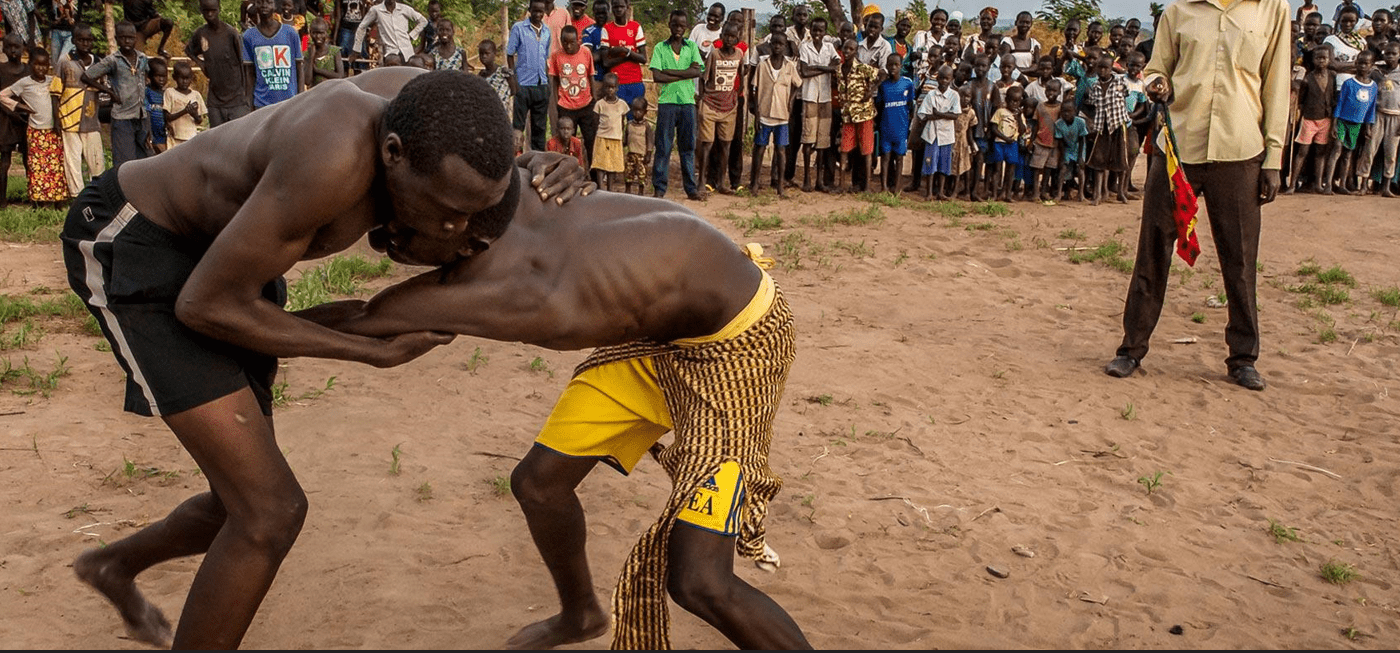
Among all Traditional Sports in Burundi, wrestling remains one of the most respected and culturally significant.
A visitor attending a traditional wrestling event quickly discovers that the experience extends far beyond physical competition. The atmosphere is vibrant and festive. Villagers gather in large numbers, conversations fill the air, and traditional songs often accompany the proceedings.
At the center of attention stand the wrestlers themselves.
Origins of Burundian Wrestling
Traditional wrestling has deep historical roots in Burundi. For centuries, it served as a way for young men to demonstrate physical strength, courage, and determination.
Success in wrestling brought prestige not only to individuals but also to their families and communities. Skilled wrestlers were admired for their discipline and athletic ability, earning respect from both peers and elders.
Techniques and Skills
Unlike modern combat sports governed by international organizations, traditional wrestling varies from region to region. However, most competitions emphasize:
Balance, agility, endurance, tactical movement, strength, respectful conduct
Competitors seek to outmaneuver their opponents through technique rather than relying solely on brute force.
Experienced wrestlers often spend years refining their skills, learning how to anticipate movements, maintain balance, and capitalize on opportunities during a match.
Wrestling as Community Entertainment
Perhaps the most fascinating aspect of wrestling in Burundi is its social importance.
A wrestling competition can transform an ordinary day into a major community event. Local drummers create rhythmic excitement while spectators cheer enthusiastically. Vendors may sell refreshments, children imitate wrestling moves nearby, and elders share stories about legendary competitors from the past.
For visitors, witnessing such an event offers an authentic glimpse into rural Burundian life and culture.
Traditional Games Played Across Burundi
Beyond wrestling, Burundi is home to numerous traditional games enjoyed by children and adults alike.
These games vary by region, community, and age group, but they share common themes of creativity, cooperation, and friendly competition.
Children’s Games
In villages throughout Burundi, children often invent games using materials readily available in their environment.
A simple stick can become part of a strategy challenge. Stones may be arranged into patterns for counting games. Running races, chasing games, and obstacle challenges encourage physical activity while fostering friendships.
Many of these games help children develop coordination, communication skills, and quick decision-making abilities.
Unlike digital entertainment, traditional games encourage face-to-face interaction and active participation, making them valuable tools for social development.
Team-Based Competitions
Many traditional sports emphasize teamwork rather than individual achievement.
Groups work together to solve challenges, complete tasks, or compete against rival teams. These activities strengthen cooperation and teach participants how to contribute to collective success.
The importance of teamwork reflects broader cultural values found throughout Burundian society, where community support and mutual assistance remain highly respected.
Strategic and Intellectual Games
Not all traditional sports depend on physical strength.
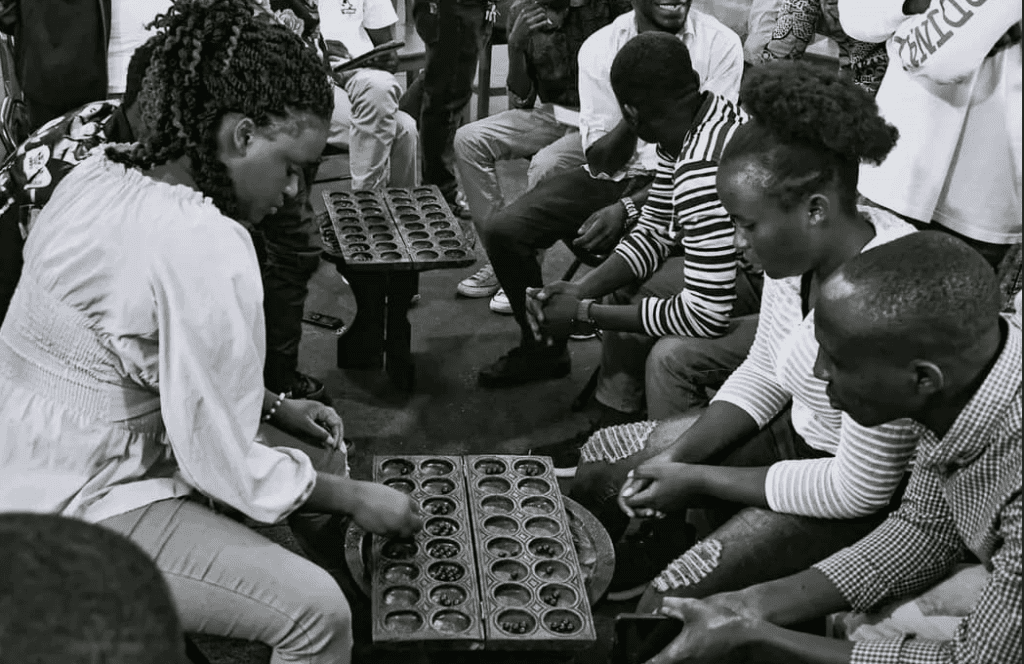
Some games focus on planning, memory, observation, and strategic thinking. These competitions demonstrate that intelligence and creativity are equally valued within traditional Burundian culture.
Such games often attract participants of all ages, allowing elders and younger community members to compete together and learn from one another. Book with us today for an amazing experience