
Rwenzori Mountains Hiking Guide
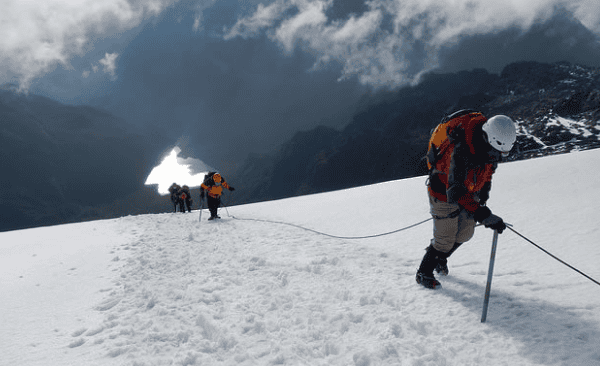
Rwenzori Mountains hiking is one of the most rewarding adventure experiences in East Africa. Located in western Uganda near the border with the Democratic Republic of the Congo, the Rwenzori Mountains are known for dramatic scenery, dense forests, waterfalls, alpine landscapes, glaciers, and unique mountain vegetation. Often called the Mountains of the Moon, the range offers a challenging and unforgettable trekking experience.
Whether you are planning a short hike or a high-altitude expedition to Margherita Peak, this guide covers the essentials for planning your Rwenzori adventure with Feather Trail Safaris Ltd
Why Go Rwenzori Mountains Hiking?
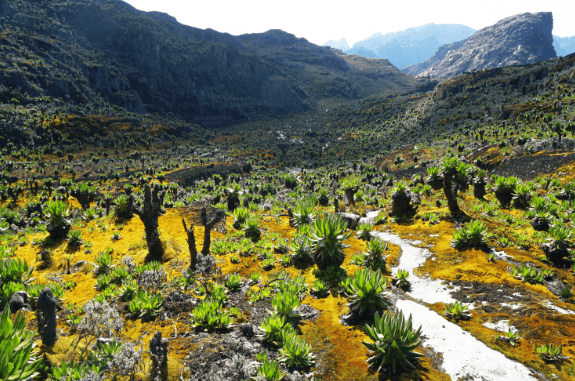
Rwenzori Mountains hiking takes you through several ecological zones. Lower areas feature tropical forests and bamboo, while higher elevations reveal giant heathers, lobelias, groundsels, alpine vegetation, and rocky landscapes.
One of the biggest attractions is Mount Stanley, whose highest point, Margherita Peak, reaches approximately 5,109 metres above sea level.
Where Are the Rwenzori Mountains?
The Rwenzori Mountains are located in western Uganda, with much of the Ugandan range protected within Rwenzori Mountains National Park. Kasese is a major gateway for mountain trekking.
A Rwenzori trek can also be combined with other western Uganda attractions, including Queen Elizabeth National Park, Kibale Forest, and Semuliki.
Best Time for Rwenzori Mountains Hiking
The best time for Rwenzori Mountains hiking depends on your preferences. The mountains have a wet climate, so rain is possible throughout the year. Many hikers prefer the traditionally drier periods because trails may be easier to manage.
Regardless of when you visit, prepare for wet conditions. Waterproof clothing, hiking boots, dry bags, and reliable rain protection are essential.
Popular Rwenzori Hiking Routes
Central Circuit Route
The Central Circuit is one of the best-known trekking options. It passes through forests, bamboo, giant heather, valleys, alpine landscapes, and high-altitude terrain. It is ideal for travelers who want to experience the mountain environment without focusing entirely on a summit.
Kilembe Route
The Kilembe Route begins near Kasese and offers spectacular scenery as hikers gain altitude. It is known for challenging terrain and can form part of a longer high-altitude expedition.
Shorter Rwenzori Treks
Shorter treks are suitable for travelers with limited time or those who do not want to undertake a long expedition. They offer opportunities to experience the forests, waterfalls, valleys, and mountain scenery.
How Difficult Is Rwenzori Mountains Hiking?
Rwenzori Mountains hiking is physically demanding. Difficulty depends on the route, altitude, weather, and trekking duration. Hikers should expect long walking days, steep climbs, muddy trails, cold temperatures, rain, and uneven terrain.
Altitude and Acclimatization
Altitude is an important consideration. As you climb higher, oxygen availability decreases, and some hikers may experience headache, nausea, dizziness, fatigue, or difficulty sleeping.
A gradual itinerary allows your body time to adapt. Always follow your guide’s advice and report serious altitude symptoms immediately.
What to Pack for Rwenzori Mountains Hiking
Proper equipment is essential because mountain conditions can change quickly. Important items include:
Waterproof hiking boots, waterproof jacket and trousers, warm layers and gloves, backpack and rain cover, dry bags, trekking poles, suitable sleeping bag, headlamp, water bottles or hydration system, sunglasses and sunscreen, personal medication and first-aid supplies, high-energy snacks.
Keeping clothing and sleeping equipment dry should be a priority.
Accommodation, Guides and Porters
Multi-day expeditions generally use mountain huts or designated camps rather than conventional hotels. Facilities become more basic at higher elevations.
An experienced trekking operator is highly recommended. Guides assist with navigation, weather conditions, altitude management, and safety, while porters can carry equipment.
Before booking, check the operator’s experience, safety procedures, equipment, accommodation, emergency arrangements, and treatment of porters.
Rwenzori Mountains Hiking Cost
The cost of Rwenzori Mountains hiking varies according to the route, number of days, group size, operator, accommodation, permits, guides, porters, transportation, and whether you are attempting a summit.
Safety Tips
Safety should always come before reaching the summit. Follow your guide, stay hydrated, eat adequately, protect your equipment from rain, and maintain a comfortable pace.
Prepare for rain, cold, fog, and changing weather. Appropriate travel insurance is also important for a high-altitude trekking expedition.
Most importantly, understand your limits. Reaching the summit is never more important than returning safely.
Questions That Are Frequetly Asked
How many days do you need for Rwenzori Mountains hiking?
The duration depends on the route and objective. Short hikes can take a few days, while longer trekking and summit expeditions require more time.
Can beginners hike the Rwenzori Mountains?
Beginners can explore some lower-altitude sections with suitable preparation. High-altitude and summit routes require greater fitness and experience.
What is the highest peak in the Rwenzori Mountains?
Margherita Peak on Mount Stanley is the highest point, at approximately 5,109 metres above sea level.
Do you need a guide?
An experienced guide is strongly recommended for organized multi-day and high-altitude Rwenzori trekking.
Lastly, With the right preparation, hiking the Rwenzori Mountains can become one of Uganda’s most memorable adventures. Talk to Our Safari Experts
Written By Adul Harriet, Editorial Team
22/08/2026