
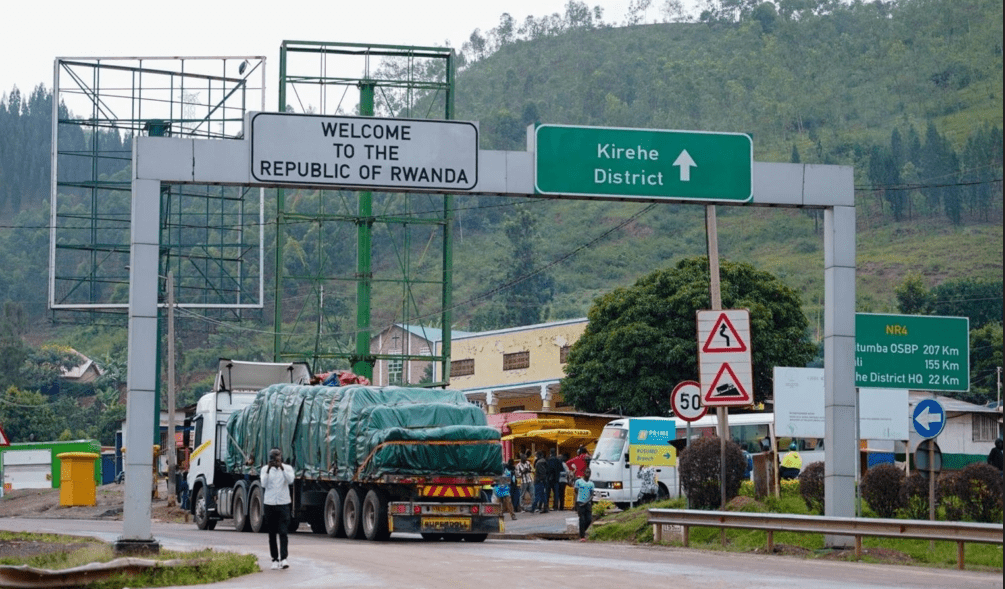
Rwanda to Burundi Travel Guide: Border Status, Routes & Logistics (2026 Update)
Navigating an overland journey through East Africa is one of the most rewarding adventures a traveler can undertake. Combining multiple destinations into a single itinerary allows you to experience changing landscapes, diverse cultures, and unique wildlife encounters. Naturally, many safari enthusiasts ask about a direct Rwanda to Burundi border crossing to connect the misty highlands of Rwanda with the rhythmic drum beats of Burundi in a single trip.
Important update: As of 2026, the Rwanda-Burundi land border is closed and there is currently no direct overland crossing between the two countries. This guide explains the current situation, why it matters for your planning, and the two realistic ways to travel between Rwanda and Burundi today: transiting through Tanzania, or flying. If you’d rather skip the logistics entirely, our team can build a custom Rwanda and Burundi itinerary around whichever route makes sense for your trip.
Why There Is No Direct Rwanda–Burundi Border Crossing Right Now
Burundi closed its land border with Rwanda in January 2024, citing security concerns and accusing Rwanda of backing an armed rebel group active near the border. Rwanda has denied these allegations. This is not the first closure between the two countries, the border was also shut for around seven years starting in 2015 before reopening in 2022, but as of 2026 it remains closed, with no confirmed date for reopening.
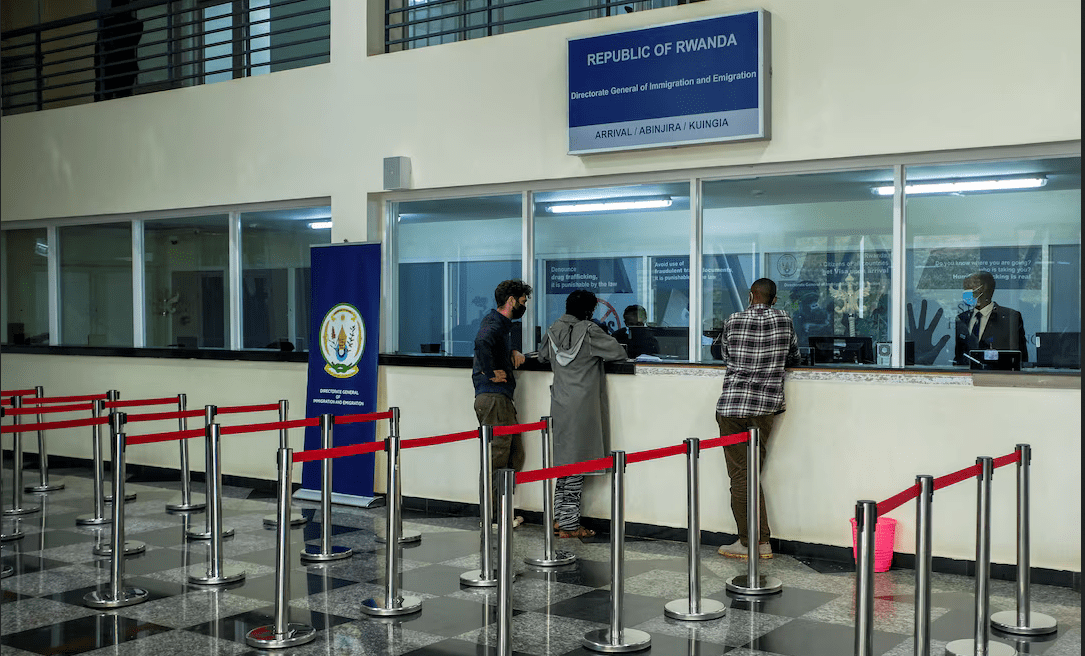
Burundi’s government has said the border will stay closed until specific security conditions are met, and diplomatic tensions between Kigali and Gitega remain unresolved. Beyond the closure itself, previous incidents at the border have included the deportation of Rwandan nationals from Burundi, and travelers should be aware that entry can be especially difficult for Rwandan citizens even where other crossings exist. The UK Foreign Office’s travel advice for Rwanda reflects this, noting continued tension near the Rwanda–Burundi border.
Practical implication: if you’re planning a Rwanda–Burundi itinerary, you cannot currently drive straight from Kigali across the Akanyaru, Nemba, or Ruhwa border posts into Burundi. Any itinerary built around a direct land crossing needs to be rethought.
Two Ways to Travel Between Rwanda and Burundi Today
Option 1: Fly
With the land border closed, flying is the most reliable and time-efficient way to connect Rwanda and Burundi. Direct or connecting flights between Kigali International Airport and Bujumbura’s Melchior Ndadaye International Airport cover the route in a fraction of the time an overland trip would take, without any uncertainty around checkpoint status, permits, or the political situation at the border.
Flying is also the option we’d recommend given the current climate between the two governments, it avoids the border question entirely and gets you into Burundi with standard airport immigration procedures. See our Rwanda safari tours for itineraries that can be paired with an onward flight to Burundi.
Option 2: Drive via Tanzania
Because the Burundi-Tanzania border has remained open, it’s still possible to travel overland between Rwanda and Burundi — but only by routing through Tanzania rather than crossing directly. This adds significant distance and time to the journey, and requires a separate Tanzanian visa, since Tanzania doesn’t participate in some of the East African Community’s shared-visa arrangements the way Rwanda does.
Realistically, budget around 10 hours of driving time from Kigali to Burundi via the Tanzania route, factoring in road conditions, the additional border crossings (Rwanda–Tanzania, then Tanzania–Burundi), and immigration processing at each. This is a long, multi-border overland day, and it’s worth breaking into two days with an overnight stop if you’re not in a hurry.
Why Travel from Rwanda to Burundi At All
Combining Rwanda and Burundi into an East African itinerary still offers a profound look into the heart of the Albertine Rift, even with the current routing complications. Rwanda, celebrated globally for its pristine city streets, volcanic landscapes and gorilla trekking, and luxury conservation tourism, serves as an exceptional starting hub. Burundi, by contrast, offers an authentic, lesser-explored side of East Africa — untouched white-sand beaches along Lake Tanganyika, dramatic waterfalls, and rich cultural heritage. The contrast between Rwanda’s terraced hillsides and Burundi’s tropical lakeside valleys remains just as compelling; it simply requires flying or the longer Tanzania routing to experience both in one trip right now.
Entry Requirements for Burundi
Regardless of how you arrive, by air or via the Tanzania land route, the same core entry requirements apply.
Passport validity: Your passport must have a minimum of six months’ validity beyond your planned departure date from Burundi, with at least two consecutive blank pages for entry and exit stamps.
Visa requirements: Burundi maintains its own visa regime separate from Rwanda’s visa-on-arrival and East Africa Tourist Visa arrangements. International travelers should secure a Burundian visa or formal pre-approval entry authorization letter in advance through the official Burundi migration portal — this is the most reliable way to do this before you travel, whether you’re flying in or crossing via Tanzania.
Yellow Fever certificate: A valid International Certificate of Vaccination against Yellow Fever is mandatory at all Burundian entry points, air or land. Vaccination must have been administered at least 10 days before travel.
Customs regulations: Both Rwanda and Tanzania enforce strict rules on electronics, commercial drone equipment, and currency. Drones are highly restricted and will be confiscated without pre-approved civil aviation clearance. Currency amounts exceeding $10,000 USD must be declared on entry.
A note for Rwandan travelers specifically: Given that Burundi’s government has publicly signaled it does not want Rwandans entering the country amid the ongoing diplomatic dispute, Rwandan nationals should expect additional scrutiny — or possible denial of entry — regardless of route, and should check the latest status before planning any trip into Burundi.
Safety and Planning Tips
Monitor government travel advisories. Given how fluid the Rwanda-Burundi relationship has been — multiple closures and reopenings over the past decade — always check the latest consular travel advisories before finalizing your plans, even if you’re flying.
Secure valuables. Whether transiting through Tanzania or connecting through an airport, keep your passport, visa documentation, and electronics in a secure daypack close to your person at all times.
Decline unofficial assistance. At any land border post, politely decline services from unofficial “fixers” offering to fast-track your paperwork. Work only with uniformed immigration officials.
Build in buffer time. If driving via Tanzania, plan for delays at both border crossings and avoid arriving at any checkpoint close to closing time. Aim to complete land travel during daylight hours.
Why Book with Feather Trail Safaris
Given the current border closure and the added complexity of routing through Tanzania or coordinating flights, this is exactly the kind of trip where local, up-to-date expertise matters most. Regional border situations can change quickly, and getting the logistics wrong can mean lost time or a trip that doesn’t come together at all.
At Feather Trail Safaris, we track the real-time status of borders and entry requirements across Uganda, Rwanda, Kenya, Tanzania, and Burundi, and we design itineraries around what’s actually possible right now — whether that means booking the right flight connections or planning a well-paced Tanzania transit route. Our team handles visa guidance, permits, and logistics so you’re not caught out by a closed checkpoint or missing paperwork. Browse our full range of multi-country East Africa offers for inspiration.
Contact our travel design team today to start planning a Rwanda and Burundi itinerary that works with the current situation on the ground.