
Primate Safari Route: Gorillas in Rwanda, Chimpanzees in Burundi
Discover East Africa’s Ultimate Great Ape Adventure
There are few wildlife experiences in the world that can match the thrill of looking into the eyes of a wild mountain gorilla. Equally unforgettable is hearing the echoing calls of chimpanzees through a dense rainforest before suddenly spotting them swinging through the canopy overhead. These moments are not simply wildlife encounters; they are profound experiences that remind us how closely connected we are to nature.
For travelers seeking something beyond the traditional African safari, the Primate Safari Route offers one of the most rewarding wildlife adventures on the continent. Combining gorilla trekking in Rwanda with chimpanzee tracking in Burundi, this remarkable journey takes visitors through some of East Africa’s most beautiful forests and introduces them to two of the world’s most fascinating primate species.
While Rwanda has become internationally renowned as one of the best destinations for mountain gorilla trekking, Burundi remains an undiscovered treasure for primate enthusiasts. Together, these neighboring countries create a unique safari experience where visitors can encounter both gorillas and chimpanzees while exploring spectacular landscapes, vibrant cultures, and important conservation areas.
Whether you are a wildlife photographer, nature lover, conservation enthusiast, or simply someone seeking an extraordinary travel experience, this cross-border safari route promises memories that will last a lifetime.
Why the Primate Safari Route is Unlike Any Other African Safari
Most African safaris revolve around game drives in search of lions, elephants, leopards, buffaloes, and rhinos. While these experiences are undeniably spectacular, primate safaris offer something completely different.
Tracking primates requires patience, effort, and immersion in the natural environment. Instead of sitting in a safari vehicle, you become part of the adventure. Guided by experienced trackers, you walk through mist-covered mountains and ancient rainforests, listening to birdsong and the sounds of the forest while searching for our closest relatives.
The reward is not simply seeing wildlife. It is experiencing wildlife in a deeply personal way.
Mountain gorillas display family bonds, emotions, and behaviors that feel surprisingly familiar. Chimpanzees exhibit intelligence, curiosity, communication, and social complexity that continually fascinate researchers and travelers alike.
Seeing both species during one safari provides a rare opportunity to understand the incredible diversity of the primate world.
Gorilla Trekking in Rwanda
The Magic of Volcanoes National Park
Located in northwestern Rwanda, Volcanoes National Park is one of Africa’s most celebrated conservation destinations. Covering the slopes of the Virunga Mountains, the park is home to one of the world’s last remaining populations of mountain gorillas.
The scenery alone is enough to captivate visitors.
Towering volcanic peaks rise above lush bamboo forests and dense montane vegetation. Early morning mist often blankets the landscape, creating an atmosphere that feels almost mystical.
It is within this extraordinary environment that Rwanda’s famous mountain gorillas live.
For many travelers, gorilla trekking is the highlight of their entire African journey. The combination of physical adventure, natural beauty, and intimate wildlife encounters creates an experience unlike any other.
What Happens During a Gorilla Trek?
A typical trekking day begins early in the morning. Visitors gather at the park headquarters where guides provide a briefing about gorilla behavior, safety procedures, and conservation rules.
Groups are then assigned to different gorilla families depending on fitness levels and tracking conditions.
The trek itself can vary significantly. Some gorilla families may be found within an hour, while others require several hours of hiking through steep and sometimes muddy terrain.
However, every step is worthwhile.
As you move through the forest, guides point out fascinating plant species, birdlife, and signs of wildlife activity. The anticipation builds with every passing moment.
Then suddenly, the trackers signal that the gorillas have been located.
The first sighting is often emotional.
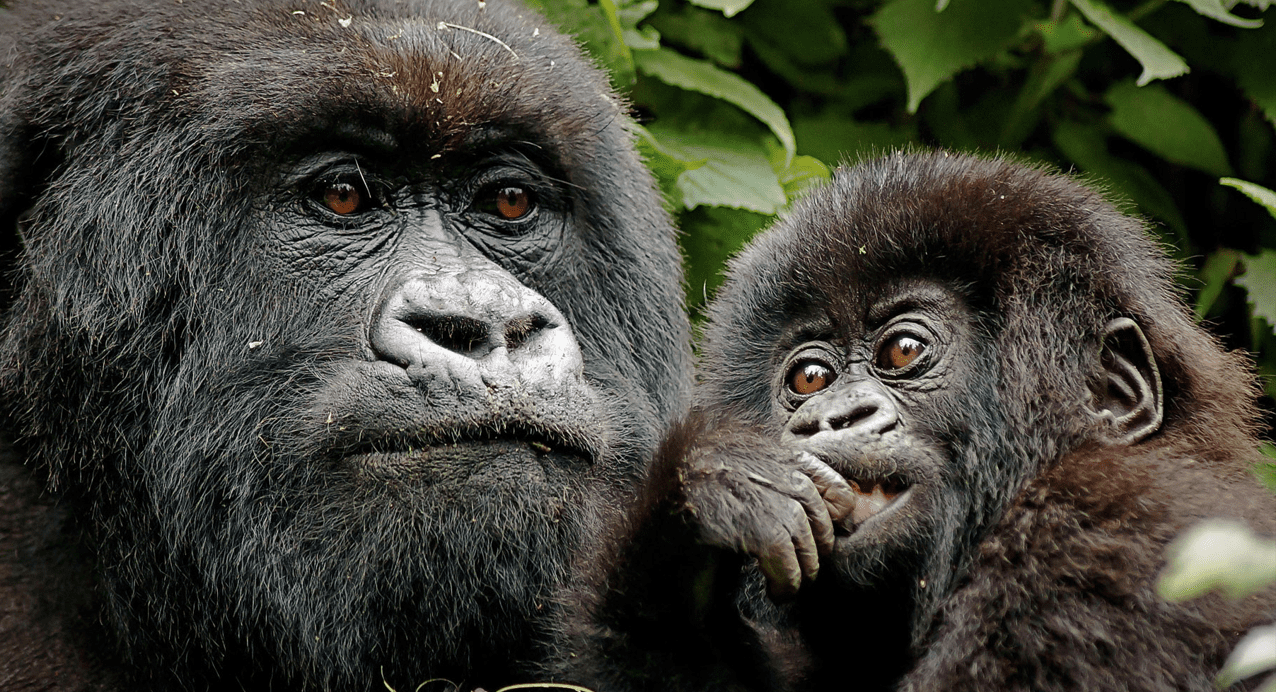
A massive silverback may be sitting quietly among the vegetation while mothers nurture infants nearby. Young gorillas tumble and play under the watchful eye of the dominant male.
Visitors are allowed one hour with the gorilla family, and many describe it as one of the most moving wildlife encounters on Earth.
Why Rwanda’s Gorillas Matter
Mountain gorillas are among the world’s most endangered great apes.
Decades ago, their future seemed uncertain due to poaching, habitat loss, and political instability. Today, thanks to conservation initiatives and responsible tourism, mountain gorilla populations have shown encouraging growth.
Every gorilla permit purchased contributes directly to:
- Wildlife conservation
- Community development projects
- Anti-poaching patrols
- Scientific research
- Habitat protection
This means that every visitor plays a role in protecting these remarkable animals for future generations.
Chimpanzee Tracking in Burundi
Burundi’s Hidden Wildlife Treasure
While Rwanda’s gorillas receive global attention, Burundi remains one of East Africa’s least explored wildlife destinations.
At the heart of Burundi’s primate tourism lies Kibira National Park, a vast montane rainforest that forms part of the Congo-Nile ecosystem.
Stretching across northwestern Burundi, Kibira protects one of the country’s most important biodiversity hotspots.
The park features:
- Dense tropical rainforest
- Mountain streams
- Bamboo vegetation
- Rich birdlife
- Numerous primate species
For adventurous travelers, Kibira offers a far more secluded and authentic wildlife experience than many better-known safari destinations.
Tracking Chimpanzees in Kibira Forest
Chimpanzee tracking is very different from gorilla trekking.
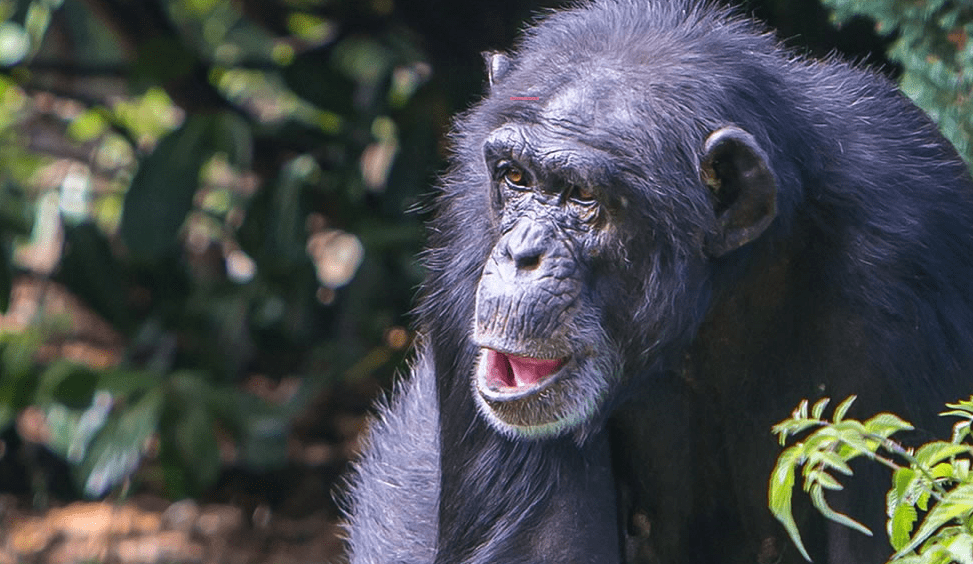
Where gorillas are often calm and relatively stationary, chimpanzees are energetic, vocal, and constantly moving.
The adventure usually begins before sunrise.
As guides lead visitors through the forest, the sounds of waking wildlife fill the air. Suddenly, loud pant-hoots echo through the trees.
The chimpanzees are nearby.
Unlike gorillas, chimpanzees spend much of their time in the canopy. Visitors may watch them swinging between branches, feeding on fruits, grooming each other, or communicating through a variety of vocalizations and gestures.
Their intelligence is immediately apparent.
Watching chimpanzees interact with one another provides fascinating insight into the complex social structures that have made them one of the most studied species on Earth.
Beyond Chimpanzees: Wildlife in Kibira National Park
Although chimpanzees are the main attraction, Kibira National Park supports a remarkable range of wildlife.
Visitors may encounter:
Black-and-white colobus monkeys, blue monkeys, olive baboons, forest birds, butterflies, rare plant species.
Birdwatchers particularly appreciate Kibira’s incredible diversity, with hundreds of recorded bird species inhabiting the forest.
Why Combine Rwanda and Burundi?
Combining Rwanda and Burundi creates one of East Africa’s most unique wildlife itineraries.
Instead of focusing on a single destination, travelers gain access to two distinct ecosystems and two extraordinary primate experiences.
Benefits include:
Double the Primate Encounters
Experience both mountain gorillas and chimpanzees in one journey.
Diverse Landscapes
Travel through volcanic mountains, rainforests, tea plantations, and rolling hills.
Rich Cultural Experiences
Discover local communities, traditional cuisine, and authentic East African hospitality.
Fewer Crowds
Burundi remains one of Africa’s least-visited destinations, offering a more intimate travel experience.
Exceptional Value
Combining both countries creates a comprehensive primate safari that showcases the best of the region.
Best Time to Travel
The Primate Safari Route can be enjoyed throughout the year.
The best conditions generally occur during:
June to September
This is the primary dry season and offers excellent trekking conditions.
December to February
Another favorable period with relatively dry weather and comfortable hiking conditions.
Rainy seasons can still be rewarding, particularly for photographers who enjoy lush landscapes and dramatic forest scenery.
A Safari That Supports Conservation
One of the most meaningful aspects of this safari is its contribution to conservation.
Tourism revenue helps protect endangered primates while creating employment opportunities for local communities.
By choosing responsible safari operators such as Feather Trail Safaris, travelers directly contribute to:
- Wildlife protection
- Habitat conservation
- Community livelihoods
- Environmental education
- Sustainable tourism development
This makes every safari not only an adventure but also an investment in the future of Africa’s great apes.
The Primate Safari Route connecting gorillas in Rwanda with chimpanzees in Burundi represents one of the most extraordinary wildlife journeys available anywhere in Africa.
It combines breathtaking landscapes, unforgettable wildlife encounters, meaningful conservation experiences, and authentic cultural discovery into one seamless adventure.
From the misty slopes of Volcanoes National Park to the ancient rainforests of Kibira National Park, every day brings new opportunities to connect with nature and witness some of the world’s most remarkable creatures in their natural habitat.
For travelers seeking a safari experience that goes beyond the ordinary, this route offers something truly special.
Visa and Travel Requirements
Traveling between Rwanda and Burundi is relatively straightforward for most international visitors, making the Primate Safari Route an easy cross-border adventure. Rwanda offers visa-on-arrival and online visa options for many nationalities, while most travelers to Burundi require a visa, which should be arranged in advance or confirmed based on current entry regulations. Visitors should ensure their passport is valid for at least six months, carry proof of accommodation and onward travel, and check current health requirements, including Yellow Fever vaccination regulations where applicable. Booking through Feather Trail Safaris helps simplify border crossings, transport arrangements, and travel logistics, ensuring a smooth and stress-free safari experience.
Book Your Primate Safari Route Today
Ready to experience East Africa’s greatest primate adventure?
Contact Feather Trail Safaris today to customize your Rwanda and Burundi safari. Let our experienced team help you plan an unforgettable journey to meet mountain gorillas, track wild chimpanzees, and discover the natural wonders of East Africa.