
Rwanda and Burundi Travel Costs: A Budget Planning Guide
Rwanda and Burundi travel costs vary more than most travelers expect. Both countries sit close together in East Africa. However, their tourism infrastructure, pricing, and permit fees differ significantly. This guide breaks down every major expense you will face in each destination. We will compare flights, accommodation, food, and activity costs side by side. By the end, you will know exactly where your money goes further. For tailored itineraries, browse our East Africa safari packages before reading on.
Why Compare Rwanda and Burundi Travel Costs?
Many travelers plan a single East African trip covering both countries. Therefore, understanding the cost difference helps you budget wisely. Rwanda has built a strong reputation around gorilla trekking and eco-tourism. As a result, prices there tend to sit on the higher end. Burundi, on the other hand, remains a quieter and more affordable alternative. Consequently, travelers seeking value often add Burundi to extend their trip without overspending.
This comparison also matters for trip sequencing. Some travelers start in Rwanda for the big-ticket wildlife experience. Afterward, they continue to Burundi for a slower, budget-friendly stretch. Either order works, but knowing the cost gap in advance prevents surprises.
Flight Costs to Rwanda and Burundi
Flights are usually the largest line item in any travel budget. Kigali International Airport in Rwanda receives frequent flights from major hubs like Nairobi, Addis Ababa, and Brussels. Consequently, fares to Rwanda are often more competitive due to higher demand and route frequency.
Burundi’s Bujumbura International Airport has fewer direct connections. Therefore, flights into Burundi often require a layover, which can raise the total fare. Travelers visiting both countries typically fly into Kigali first, then take a shorter regional flight or bus to Bujumbura. This approach usually saves money compared to booking two separate long-haul tickets.
Accommodation Price Differences
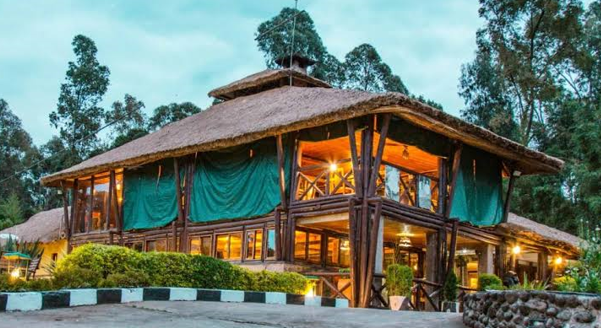
Accommodation costs reveal one of the sharpest contrasts in Rwanda and Burundi travel costs. Rwanda has invested heavily in luxury lodges, particularly near Volcanoes National Park. As a result, nightly rates near gorilla trekking areas can climb quickly during peak season.
Burundi, however, offers far more modest pricing. Mid-range hotels in Bujumbura and along Lake Tanganyika cost considerably less than comparable Rwandan properties. Additionally, budget guesthouses are widely available throughout Burundi. Therefore, travelers focused on stretching their budget often spend more nights in Burundi and fewer in Rwanda’s premium lodges.
Gorilla Permits and Wildlife Activity Fees
Wildlife permits make up a major share of Rwanda’s travel costs. A gorilla trekking permit in Rwanda currently costs around fifteen hundred dollars per person. This fee is significantly higher than Uganda’s equivalent permit, making Rwanda one of the priciest gorilla trekking destinations worldwide.
Burundi does not offer comparable gorilla trekking. Instead, its main attractions include Kibira National Park, Lake Tanganyika beaches, and cultural drumming performances. These activities cost far less than Rwandan wildlife permits. Consequently, travelers prioritizing budget over big wildlife encounters often lean toward extending their Burundi itinerary.
If gorilla trekking is on your list, our Rwanda gorilla trekking guide explains permit booking and seasonal pricing in more detail.
Food and Daily Expenses
Daily food costs also separate the two destinations. Restaurant meals in Kigali, especially in tourist-friendly areas, sit at a moderate to high price point. Imported ingredients and upscale dining options push average costs upward. Meanwhile, local eateries remain more affordable if you are willing to step away from hotel restaurants.
Burundi offers noticeably cheaper meals overall. Street food, local markets, and small restaurants in Bujumbura cost a fraction of similar meals in Kigali. Therefore, travelers on a strict daily budget often find Burundi easier on their wallets. Groceries and bottled water also tend to be less expensive across most of Burundi.
Transportation Within Each Country
Getting around matters just as much as getting there. Rwanda has well-maintained roads and an organized network of buses and private transfers. However, private transfers to national parks can be costly, especially for solo travelers without a group to share costs.
Burundi’s road infrastructure is less developed in some regions. As a result, travel times can be longer, even over shorter distances. That said, public transportation and shared taxis remain inexpensive. Therefore, budget travelers willing to embrace local transport options can move around Burundi affordably.
Visa and Entry Fees
Visa costs add another layer to Rwanda and Burundi travel costs. Rwanda offers an East Africa Tourist Visa, which also covers Kenya and Uganda. This visa simplifies multi-country trips and adds good value for regional travelers. You can review current visa requirements directly through the Rwanda Directorate General of Immigration and Emigration.
Burundi requires a separate visa, which can sometimes be obtained on arrival depending on nationality. Fees are generally lower than Rwanda’s standard tourist visa. However, processing times can vary, so checking current requirements before departure is essential.
Currency and Cost of Living Differences
Currency strength also affects how far your money stretches. The Rwandan franc has remained relatively stable, supporting predictable pricing for tourists. Burundi’s currency, however, often offers a more favorable exchange rate for travelers carrying US dollars or euros.
This difference means everyday purchases, from souvenirs to taxi rides, often feel cheaper in Burundi. Meanwhile, Rwanda’s pricing structure reflects its more developed tourism economy. Understanding this gap helps travelers decide how to split their budget between the two countries.
Sample Daily Budget Comparison
A rough daily budget illustrates the gap clearly. In Rwanda, a mid-range traveler might spend between one hundred and two hundred dollars per day, excluding gorilla permits. This covers accommodation, meals, and local transport.
In Burundi, a similar travel style might cost between forty and eighty dollars per day. Therefore, travelers combining both countries often allocate more days to Burundi to balance their overall spending. This strategy allows for a splurge in Rwanda without blowing the entire trip budget.
Tips for Budget Planning Across Both Countries
Planning ahead makes a noticeable difference in total spending. First, book gorilla permits early, since prices rarely drop and availability is limited. Second, consider traveling during Rwanda’s shoulder season, when lodge rates often decrease slightly. Third, balance your itinerary by spending more nights in Burundi if you need to offset Rwanda’s higher costs.
Additionally, group travel can reduce per-person transport and accommodation costs significantly. Therefore, joining a small group tour often makes both countries more affordable. Our budget safari planning guide offers more strategies for stretching your travel funds further.
Combining Rwanda and Burundi in One Trip
Many travelers wonder whether combining both countries makes financial sense. The answer is usually yes, provided you plan the route carefully. Starting in Kigali allows easy access to flights and major attractions. From there, a short flight or overland journey leads into Burundi.
This combination lets you experience Rwanda’s polished tourism infrastructure alongside Burundi’s untouched, budget-friendly charm. For travel safety updates before crossing borders, the US State Department travel advisories page offers helpful country-specific guidance.
Final Thoughts on Rwanda and Burundi Travel Costs
Rwanda and Burundi travel costs differ enough to shape how you plan your entire trip. Rwanda offers polished infrastructure and premium wildlife experiences, but at a higher price. Burundi, meanwhile, rewards budget-conscious travelers with lower daily costs and a quieter atmosphere.
Ultimately, the best approach often blends both destinations. You get Rwanda’s signature gorilla trekking alongside Burundi’s affordable charm. If you would like help building a custom itinerary that balances both budgets, contact our travel team today.