
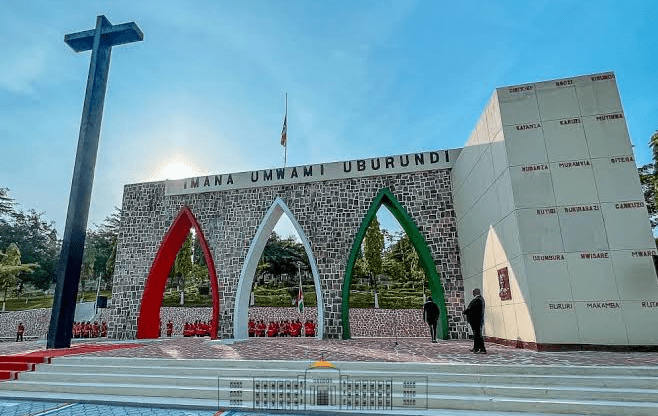
Royal Courts and Palaces of Burundi: Historical Cultural Sites
Burundi is a country steeped in ancient majesty and deep traditions. Long before modern borders were drawn, a powerful monarchy ruled these rolling green hills. Today, the physical remnants of this kingdom offer a fascinating journey into the past. Exploring the Royal Courts and Palaces of Burundi: Historical Cultural Sites allows travelers to step back in time. These sacred spaces tell stories of divine kings, powerful queens, and cosmic drum rhythms. For cultural travelers, these historical cultural sites represent one of the most authentic heritage trails in East Africa.
Historically, the Kingdom of Burundi was a highly centralized state. The monarch, known as the Mwami, ruled with absolute spiritual and political authority. However, his power was not showcased through massive stone castles. Instead, the royal architecture utilized organic, natural materials from the landscape. Bamboo, thatch, and earth were crafted into grand, complex structures. Today, these sites are being preserved for future generations. By visiting them, you directly support the preservation of East Africa’s unique living history.
The Architecture of the Sacred Enclosures
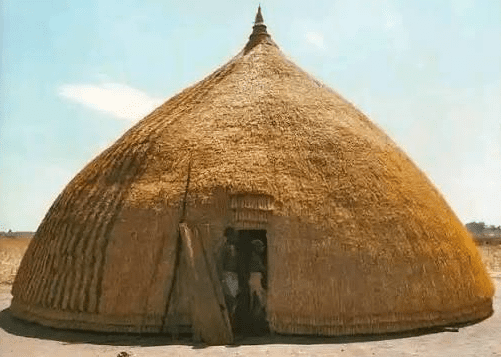
To appreciate these historical cultural sites, one must understand traditional Burundian architecture. The royal compounds were known locally as an Irugo. These were not single buildings. Rather, they were massive, labyrinthine enclosures surrounded by high woven bamboo fences. The design served both practical and deeply symbolic purposes.
At the center of the Irugo stood the main royal hut. This structure featured a dramatic, dome-shaped roof made of thick grass thatch. The craftsmanship required to build these palaces was extraordinary. Master builders wove intricate patterns into the interior ceilings using papyrus and reeds. Consequently, these grand ceilings insulated the structure from the tropical heat.
Furthermore, the layout of the compound reflected the social hierarchy of the kingdom. The outer courtyard housed guards, royal advisors, and visiting local chiefs. In contrast, the inner courtyards were strictly private. They contained the private quarters of the Mwami and his family. Additionally, special enclosures were reserved for sacred cattle. These long-horned cattle played a central role in royal rituals and court ceremonies.
The Royal Capital of Muramvya
For centuries, Muramvya served as the spiritual and political heart of the kingdom. It is located in the central highlands of Burundi. Because of its high elevation, the region enjoys a cool, misty climate. This strategic location allowed the royal court to monitor the entire territory effectively.
Historically, the capital of Burundi was mobile. The Mwami would move his court between several designated royal hills. However, Muramvya remained the primary anchor for the monarchy. Important coronation ceremonies took place on the sacred hills of Mpotsa and Bweru. Each hill had a specific symbolic function in the kingdom’s governance.
Additionally, the Queen Mother, known as the Inamujandi, held immense power in Muramvya. She operated her own distinct court and advised the king on critical state matters. Today, travelers can explore the historical landscapes of Muramvya. Walking through these hills reveals ancient tree groves that mark the locations of former palaces. These groves were planted to commemorate the reign of past monarchs.
Gishora Sacred Drum Sanctuary
No exploration of the Royal Courts and Palaces of Burundi is complete without visiting Gishora. This site is located near the town of Gitega. Gishora is one of the most vibrant cultural sanctuaries in the country. It offers a rare glimpse into the living traditions of the royal court.
In ancient Burundi, the Ingoma (royal drums) were far more than musical instruments. Instead, they were sacred symbols of state power, fertility, and cosmic order. The drums were believed to hold the very spirit of the kingdom. Therefore, they were kept in dedicated sanctuaries within the royal courts. Only specialized ritual drummers, known as the Abatimbo, were allowed to touch them.
The Gishora sanctuary features a meticulously reconstructed royal compound. Here, visitors can see the exact layout used during the 19th-century monarchy. Two sacred drums, named Ruciteme and Murimirwa, are preserved inside the main hut. These drums have been maintained by the same family of caretakers for generations.
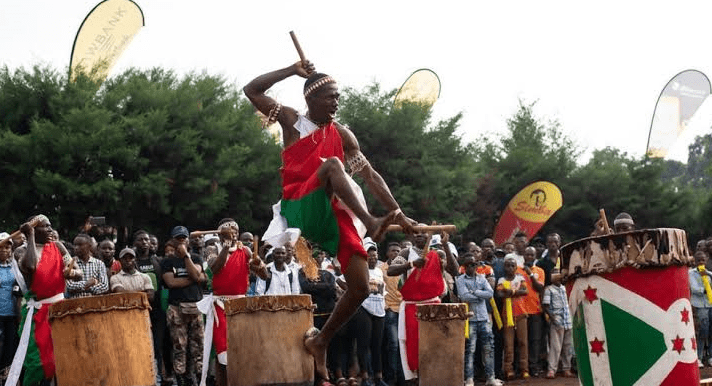
Furthermore, the drumming performance at Gishora is an unforgettable experience. The drummers balance heavy wooden drums on their heads while dancing wildly. They sing epic poems that praise the history of the nation. This powerful display demonstrates how ancient court rituals survive in modern Burundi.
Connecting History Across East African Borders
Burundi’s rich monarchical history does not stand alone. It is deeply connected to the broader history of the Great Lakes region. For instance, the Kingdom of Burundi shared close cultural ties with the Kingdom of Rwanda. Both nations featured similar royal structures and complex court etiquette.
Many modern travelers choose to explore this interconnected regional history. You can easily pair a cultural tour of Burundi with other East African adventures. For example, many visitors book tailor-made Rwanda itineraries to explore the King’s Palace Museum in Nyanza. Comparing the architecture of these two neighboring kingdoms provides great historical context.
Additionally, you can extend your journey into neighboring Uganda to explore further heritage sites. Uganda also boasts a rich history of powerful traditional kingdoms. Travelers often select expertly curated Uganda tour packages to see the historic Kasubi Tombs and royal palaces.
| Historical Site | Country | Key Architectural Feature | Primary Cultural Symbol |
| Gishora Sanctuary | Burundi | Woven bamboo Irugo compounds | Sacred Royal Drums (Ingoma) |
| Nyanza Palace | Rwanda | Reconstructed domed beehive hut | Long-horned Inyambo Cattle |
| Kasubi Tombs | Uganda | Massive thatched earth structures | Royal Ancestral Spirits |
Integrating these countries into a single trip creates a comprehensive heritage safari. You can easily combine historic site visits with world-class wildlife viewing. For instance, you can review comprehensive Uganda safari itineraries to blend culture with primate tracking. This cross-border approach offers a well-rounded perspective of East Africa. It allows you to see both the natural wonders and human history of the region.
Practical Tips for Cultural Travelers in Burundi
Visiting the Royal Courts and Palaces of Burundi requires a bit of planning. Because these sites are sacred, travelers must show utmost respect.
Essential Cultural Etiquette
Ask Before Filming: Always seek permission from the site curators before photographing sacred artifacts.
Remove Shoes When Required: Some inner sanctuaries require guests to enter barefoot.
Support Local Guides: Hire local community guides at each site to ensure accurate historical storytelling.
Dress Modestly: Wear clothing that covers your shoulders and knees out of respect for traditional elders.
The best time to embark on a cultural safari in Burundi is during the dry season. The long dry season lasts from June to September. During these months, the dirt roads leading to rural cultural sites are easily passable. Additionally, the pleasant weather makes walking through the hillside ruins very comfortable.
If you are interested in a diverse holiday, you can combine history with nature. For instance, you might want to find out where to see wild primates in Africa before finalizing your plans. Burundi’s close proximity to major primate forests makes it easy to enjoy both cultural sites and forest trekking in a single itinerary.
Preserving the Legacy for Sustainable Tourism
The survival of these ancient architectural sites depends heavily on sustainable tourism. Historical landscapes face constant threats from modernization and agricultural expansion. However, when international travelers visit these sites, they create economic value for heritage preservation.
Tourism revenue provides funding for the physical restoration of thatched structures. Furthermore, it creates sustainable jobs for local historians, craftsmen, and performers. When young Burundians see that visitors value their history, they take pride in learning traditional crafts. Consequently, ancient skills like bamboo weaving and ritual drumming are passed down to the next generation.
Ultimately, exploring the ancient kingdoms of the Great Lakes region offers an unforgettable travel experience. The Royal Courts and Palaces of Burundi provide an intimate look into a proud, sophisticated past. Your journey to these hills helps keep this beautiful history alive.
Are you ready to discover the untold stories of East Africa’s ancient kingdoms? Let us help you plan a fully customized cultural expedition. What specific historical sites are you most excited to explore on your next journey?
FAQs
Why are drums so heavily integrated into Burundi’s royal palaces?
In ancient Burundi, the drum (Ingoma) was not viewed merely as a musical instrument, it was the ultimate symbol of the throne’s divine power and the land’s fertility. The most sacred drum, Karyenda, was treated as a living entity and kept deep within royal sanctuaries, brought out only for major national rituals like the Umuganuro (annual harvest festival). Today, sites like the Gishora Drum Sanctuary near Gitega preserve this legendary heritage, where master drummers protect the traditional rhythms and acrobatic dances that once summoned kings.
Are there actual physical palaces still standing that travelers can visit?
Because pre-colonial royal compounds were built primarily of specialized local timbers, thatched roofs, and natural earthen materials, most of the original structural frameworks have integrated back into the landscape over the decades. However, visiting these locations is a profound experience where “stone meets spirit.” At sites like the Kibumbu Royal Palace grounds, travelers can explore ancient stone terraces, historic pathways, and sacred royal trees planted to mark distinct monarchical eras. Gitega also features architectural evolutions, blending early traditional layouts with the red-brick colonial architecture left by German and Belgian administrations.
How do I responsibly include these royal sites in an East African safari itinerary?
The best way to experience Burundi’s rich heritage is to balance a cultural history tour with the region’s natural highlights. A popular choice is pairing a visit to the Gishora drum structures and Gitega’s historical routes with a relaxing stay along the tropical beaches of Lake Tanganyika.
Furthermore, because of Burundi’s central location in the Albertine Rift, many travelers design a multi-country itinerary. You can easily spend a few days immersing yourself in Burundian folklore before heading north for a savanna safari or a world-class gorilla trekking Uganda expedition.