
Burundi Ethnic Groups Guide: Hutu, Tutsi & Twa Cultures
The cultural landscape of East Africa is incredibly rich and deeply nuanced. Among the most fascinating nations to explore is Burundi. It is a land of beautiful hills and ancient traditions. To truly appreciate this country, visitors need a reliable Burundi ethnic groups guide. Understanding the human tapestry here enriches any safari experience. It transforms a simple vacation into a profound journey of connection.
Interestingly, Burundi differs significantly from many other African nations. In most countries, different ethnic communities speak completely separate languages. However, Burundi’s three primary groups share a single, beautiful language called Kirundi. Furthermore, they share the exact same customs, religious histories, and geographic hills. The Hutu, Tutsi, and Twa peoples coexist within a unified cultural framework. This shared foundation is a testament to the deep social bonds that unite the nation.
The Shared Cultural Foundation of Burundi
Before exploring individual identities, we must examine what unites the population. The cornerstone of Burundian society is the powerful philosophy of Ubuntu. This concept translates to “humanity toward others.” It emphasizes that our individual humanity is deeply connected to our community. Consequently, mutual support and deep respect are core values across all hillsides.
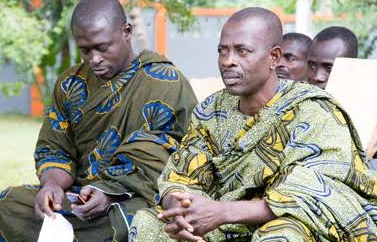
Oral storytelling is another vital element that binds these groups together. For centuries, elders have passed down histories through epic poems, proverbs, and riddles. These stories teach younger generations about morality, bravery, and ancestral wisdom. Whether sitting around a fire in a rural village or a suburban home, these tales remain identical.
Furthermore, traditional music acts as a universal language across the country. Complex polyphonic singing and rhythmic handclapping accompany every major life transition. Births, marriages, and funerals bring communities together in collective expression. This artistic unity has helped preserve the nation’s core identity through centuries of change.
Hutu Traditions and Agrarian Heritage
The Hutu community makes up the vast majority of the population in Burundi. Historically, their cultural identity is deeply rooted in the fertile soil of the rolling hills. They are master agriculturalists who have cultivated the land for generations.
Their deep connection to the earth shapes their seasonal celebrations and daily rhythms. For instance, the planting and harvesting seasons are accompanied by specific community rituals. These events ensure the fertility of the crops and thank the ancestors for their bounty.
Primary Crops: Traditionally, Hutu farmers focused heavily on sorghum, millet, and various types of beans.
Modern Agriculture: Today, they cultivate high-quality coffee and tea, which are vital economic exports for the nation.
Artisanal Tools: Hand-forged iron hoes and wooden sickles remain proud symbols of their enduring agrarian heritage.
Additionally, Hutu folklore features vibrant energetic dances that mimic the physical movements of farming. Dancers stomp their feet heavily against the earth to honor the soil. These performances are incredibly rhythmic and involve call-and-response singing. They showcase the joy of communal labor and the shared rewards of a successful harvest.
Tutsi Heritage, Pastoralism, and Court Culture
The Tutsi community has historically been associated with pastoralism and cattle herding. In ancient Burundi, cattle were far more than a simple source of food. Instead, they were the ultimate symbol of wealth, status, and political power.
The long-horned cattle of Burundi, known as Amashyo, were treated with immense reverence. Owners composed elaborate poems to praise the beauty and grace of their favorite cows. This pastoral lifestyle created a distinct set of cultural traditions centered around cattle management.
Furthermore, the Tutsi played a significant role in the historical administration of the royal courts. They filled positions as royal advisors, military commanders, and guardians of the Mwami (King). This courtly history fostered a refined tradition of oral poetry, elegant dance, and complex state diplomacy.
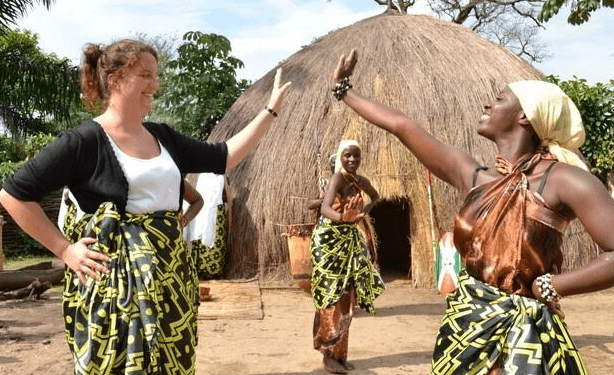
The traditional Tutsi dances are highly stylized and graceful. For example, the Umusambi dance mimics the elegant movements of the majestic crowned crane. Dancers move with fluid, elongated gestures and leaps. These performances contrast beautifully with the heavy, percussive stepping found in agrarian dances. They offer a window into the diverse artistic expressions of the country.
Twa Artistry, Pottery, and Forest Endorsement
The Twa (or Batwa) are the indigenous pygmy inhabitants of the Great Lakes region. They represent the oldest surviving ethnic group in Burundi. Historically, they were nomadic forest-dwellers who relied on hunting and gathering.
As the dense equatorial forests receded over the centuries, the Twa adapted brilliantly. They became the primary keepers of Burundi’s pottery traditions. Twa women specialize in creating beautiful, hand-coiled clay vessels without a potter’s wheel.
Additionally, the Twa held a unique and highly respected position in the ancient royal courts. Because of their deep forest knowledge, they served as the personal bodyguards to the King. Furthermore, they were celebrated as exceptional musicians, actors, and comedians within the palace walls.
Their musical contributions are completely distinct from other groups. They specialize in playing the Inanga (a large trough-zither) and utilizing unique vocal techniques. Today, visiting a Twa cooperative offers an incredible cultural encounter. It allows you to support the preservation of one of Africa’s most ancient lifestyles.
Connecting Regional Cultures Across the Great Lakes
The fascinating cultural dynamics outlined in this Burundi ethnic groups guide extend far beyond its borders. The socio-historical structures of Burundi closely mirror those found in neighboring East African nations.
For example, Rwanda shares the exact same ethnic composition and linguistic roots. If you are interested in a comprehensive cultural safari, you can seamlessly combine these destinations. Many travelers choose to book tailor-made Rwanda itineraries to explore the shared heritage of the region. This cross-border approach highlights the deep historical connections of the Great Lakes kingdoms.
Additionally, you can expand your cultural journey northward into Uganda. Uganda features a diverse tapestry of traditional Bantu and Nilotic kingdoms. Travelers frequently select expertly curated Uganda tour packages to explore these diverse royal heritages.
| Ethnic Group | Historical Role | Primary Cultural Symbol | Regional Connection |
| Hutu | Agrarian farmers | Fertile soil and agricultural tools | Shared across Rwanda and DR Congo |
| Tutsi | Pastoralist herders | Long-horned Amashyo cattle | Historic royal courts of East Africa |
| Twa | Forest keepers & artisans | Hand-coiled clay pottery | Indigenous communities in Uganda |
Furthermore, blending cultural heritage with wildlife viewing makes for an exceptional holiday. You can easily integrate cultural village visits into comprehensive Uganda safari itineraries to maximize your travel experiences. If you are curious about where to see wild primates in Africa during your trip, the region allows you to view wild chimpanzees and explore ancient human cultures simultaneously.
Conclusion: Embracing Unity Through Cultural Tourism
Respectful cultural tourism plays an important role in modern harmony. When international travelers take the time to learn about local traditions, they foster mutual global respect. Celebrating the unique contributions of the Hutu, Tutsi, and Twa promotes sustainable heritage preservation. Your journey to these green hills helps keep these ancient traditions alive for generations to come.
FAQs
Do the different ethnic groups in Burundi speak different languages?
No, they do not. Unlike many African nations, all ethnic groups in Burundi speak the exact same language, which is Kirundi. This shared language acts as a powerful cultural bond across the entire country.
What is the philosophy of Ubuntu in Burundian culture?
Ubuntu is a traditional African philosophy that emphasizes community interconnectedness. It is often summarized as “I am because we are.” It teaches compassion, hospitality, and mutual respect among all members of society.
Can tourists visit traditional Twa pottery villages?
Yes, absolutely. Responsible eco-tourism operators, like Feather Trail Safaris, arrange respectful visits to local Twa cooperatives. These visits allow you to watch traditional pottery making and purchase authentic crafts directly from the makers.
How do traditional Hutu and Tutsi dances differ?
Hutu dances are typically highly energetic and percussive, featuring heavy foot-stomping that honors their agricultural roots. Tutsi dances are traditionally more fluid and graceful, often mimicking the elegant movements of the crowned crane.
What is the best way to ensure a culturally respectful safari?
To ensure a respectful experience, always travel with local guides who understand local customs. Additionally, ask for permission before taking photographs of residents, dress modestly when visiting rural villages, and support the local economy by purchasing handmade crafts.
Are you ready to experience the deep cultural heritages of East Africa? Let us help you plan an authentic, respectful journey into these historic hills. What specific aspects of African culture are you most eager to discover?