
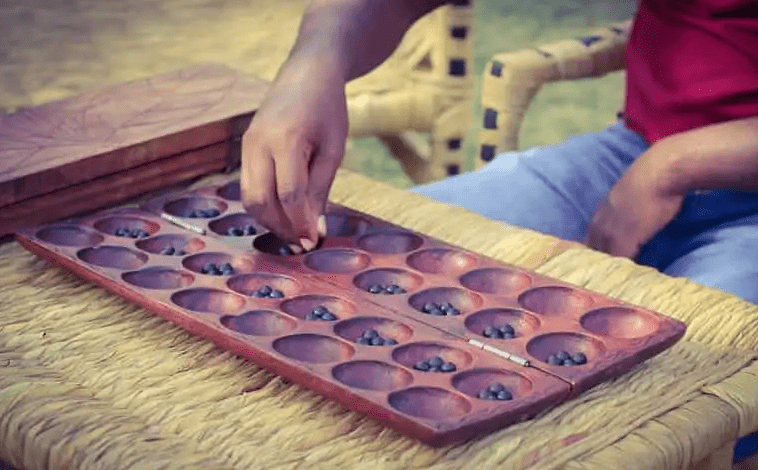
Céline had one condition when she booked her Burundi trip. No tour buses, rehearsed cultural shows. Plus hotel buffets that could be in any country in the world.
“I want to actually be somewhere,” she told us when she called. “I want to eat what people eat, sleep where people sleep, and spend a day not as a tourist but as a guest.”
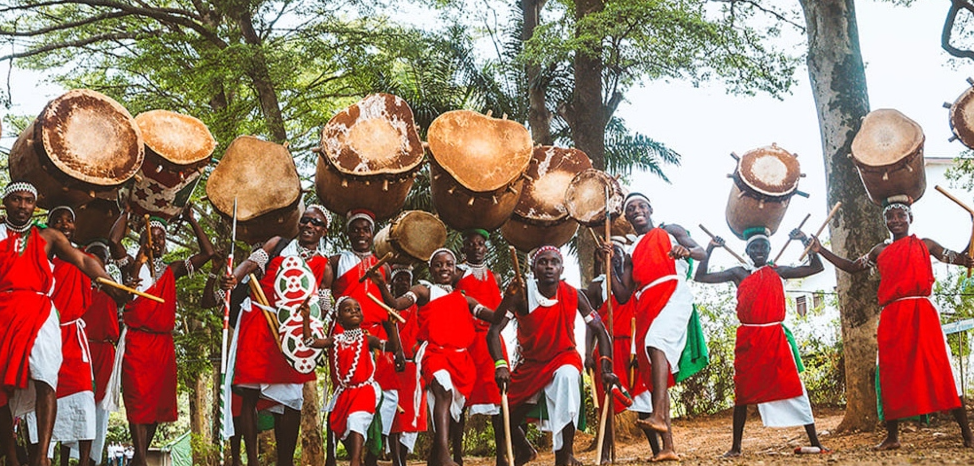
Cultural immersion tours in Burundi are, in this sense, exactly what Céline was asking for, structured experiences that dissolve the glass wall between the traveller and the place, substituting genuine encounter for choreographed performance. And Burundi, with its extraordinary hospitality culture and its communities that are genuinely curious about visitors rather than fatigued by them, is one of the best places in Africa to have the experience Céline was describing.
This guide explains what cultural immersion tours in Burundi actually look like, what you can expect from them, and how to find the operators who can deliver the real thing rather than a glossy imitation.
What Is a Cultural Immersion Tour in Burundi?
A cultural immersion tour is not a day trip with cultural activities bolted on. It is an extended engagement with a community or series of communities, typically 2 to 5 days, in which the visitor’s daily life overlaps substantially with the daily life of the hosts.
In practice, this means: staying in community guesthouses or home stays rather than hotels. Eating meals prepared by community members using local ingredients and traditional techniques. Participating in daily activities, farming, cooking, craft-making, market-going, alongside the people who do them every day. Attending community events, meetings, ceremonies, celebrations, as a guest rather than an audience member.
The best cultural immersion tours in Burundi are built around specific communities with which the operator has genuine, long-term relationships. The communities have agreed to host visitors, understand the purpose and structure of the visits, and are compensated fairly and directly for the experience they provide.
A Day on a Burundian Cultural Immersion Tour
Every day is different, but here is a typical structure:
Morning: You wake in a community guesthouse to the sound of the hill coming alive, children, livestock, the rhythmic thud of a mortar as someone begins the day’s grain processing. Breakfast is local: sweet potato, cooked plantain, local honey, strong tea from the tea gardens that blanket the hillside above. Your host family’s day has already begun by the time you join it.
Mid-morning: Your guide suggests possibilities. You can join the women in the garden, hoeing, weeding, the physical conversation of agricultural work, or walk to the market with your host mother, or sit with the elder who has agreed to share stories about the hill’s history. You choose, and the day adapts around your choice.
Afternoon: The pace slows in the heat of midday. This is the time for craft, for sitting with a basket-weaver and watching the coil take shape, or for the pottery session with a Twa cooperative in the next valley. The craft isn’t a demonstration. It’s work, and you’re invited into the working rhythm of it.
Evening: The communal meal is the centre of the day. Food is prepared in the kitchen, which is to say, over an open fire in a separate building from the main house, producing smoke and warmth and the particular alchemy of simple ingredients becoming something nourishing and delicious. You eat communally, sitting on low stools or mats, with conversation managed by your guide. The stories that emerge over food are invariably the best ones.
Homestay vs Community Guesthouse: Which Is Right for You?
Cultural immersion tours in Burundi can be structured around two accommodation models, each with distinct advantages:
Homestays involve staying in a family’s home, sleeping in a room in the main house or in a separate guest structure on the family’s land. This is the most intimate option: meals are family meals, daily routines are shared, and the access to genuine family life is unmediated. It requires flexibility, cultural sensitivity, and comfort with varying levels of Western convenience.
Community guesthouses are modest, purpose-built accommodation facilities managed by community cooperatives. They provide slightly more privacy and predictability than full homestays while maintaining community ownership and direct economic benefit. The experience is less intimate than a homestay but more structured and more comfortable for visitors who want immersion without total immersion.
Most cultural immersion operators in Burundi offer both options and can advise based on the visitor’s preferences, cultural experience, and physical comfort requirements.
Cultural Activities on Immersion Tours
Farming and land: Burundi’s hillside agriculture is labour-intensive and physically demanding, an hour of hoeing a bean garden gives you a visceral understanding of what subsistence farming actually involves that no amount of reading can replicate.
Traditional cooking: Learning to cook isombe (cassava leaves with beans), to prepare ugali (maize meal), or to brew urwarwa (banana beer) with your host family is one of the most direct cultural exchanges available. Food knowledge is deep cultural knowledge, and the kitchen is where a great deal of Burundian women’s culture lives.
Craft participation: Basket weaving, pottery, beadwork, each of these is a skill that takes years to master, but a few hours of participation gives you a relationship to the object that pure observation cannot. The lopsided basket you go home with is more precious than a perfect one from a market stall.
Language exchange: Even basic Kirundi, greetings, thank-yous, the names of everyday objects, is received with delight by Burundian community members. Your guide can teach you enough to begin, and local people will enthusiastically correct, expand, and build on what you know.
Community meetings and events: If your stay coincides with a community meeting, agricultural festival, or family ceremony, your presence as an invited guest is an extraordinary opportunity. Follow your guide’s lead on protocol.
Responsible Immersion: How to Be a Good Guest
The ethics of cultural immersion tourism deserve serious attention. Staying in someone’s community, eating their food, participating in their daily life, creates a relationship that carries responsibilities.
Respect privacy without being withdrawn. The balance between genuine participation and intrusive presence requires sensitivity. Your guide will help you read the room.
Don’t over-photograph. On an immersion tour, the camera is a distance-creating device. Put it away for significant portions of the day and simply be present.
Contribute practically where invited. If someone hands you a hoe or asks you to help carry water, they are including you in their life. Accept with gratitude and follow their instruction.
Compensate generously. The community is giving you significant time and access. The fee you pay should reflect that. Tips to specific individuals who have been particularly generous with their time are appropriate and appreciated.
Follow up. Share photographs with your guide to be forwarded to community members. Write about your experience in ways that represent the community fairly. Consider making a return visit.
FAQs: Cultural Immersion Tours in Burundi
How long should a cultural immersion tour in Burundi last?
Two nights minimum to establish genuine connection. Three to five days is ideal. Shorter visits feel rushed; longer visits allow the relationship with the community to develop past the initial curiosity phase into something more genuine.
What level of physical comfort should I expect?
Community accommodation is clean and adequately comfortable but not luxurious. Showers may be bucket showers. Toilets may be long-drop latrines. Beds will be firm. The experience requires flexibility and a genuinely adventurous spirit.
Can families with children do cultural immersion tours?
Yes, and children often have the most natural and immediate connections with community members. Children aged 8 and above adapt well to immersion experiences, and families are warmly welcomed.
How do I book a cultural immersion tour in Burundi?
Contact Feather Trail Safaris, we design tailor-made immersion experiences with communities across Burundi, combined where desired with wildlife activities at Kibira National Park.
Explore cultural immersion tour options with Feather Trail Safaris