
The morning of a Burundian wedding begins the night before.
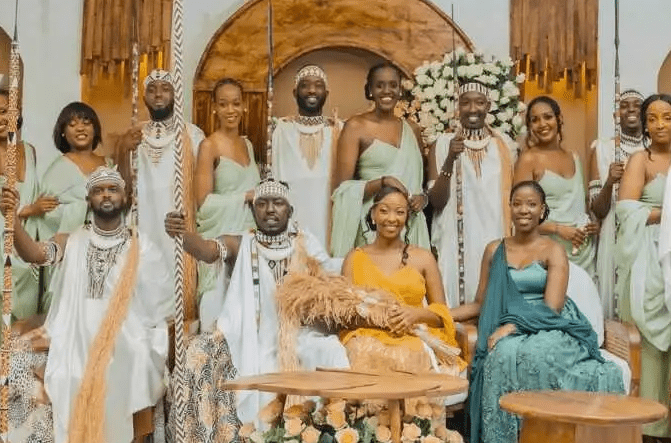
That is not a riddle. It is a description of the kwasa, the pre-wedding gathering at the bride’s family home where aunts, mothers, grandmothers, and female friends of the family spend the evening in collective preparation, singing, sharing food, offering advice and blessing, and building the emotional atmosphere of celebration that will carry into the following day. By the time the formal ceremony begins, the community has already gathered, they have already reinforced relationships, and the people who love the couple have already celebrated the marriage in the most important sense, which is the sense of them marking the occasion together.
Burundi traditional ceremonies, from weddings to harvest festivals to the sacred rituals that mark life transitions, are among the most beautiful and most humanly meaningful cultural expressions in East Africa. Understanding them is not only a way to deepen your appreciation of Burundian culture. It is, for visitors fortunate enough to be present at one, an experience that offers a window into values and practices that the modern world has largely forgotten.
The Structure of Burundian Social Ceremonies
Traditional Burundian ceremonies share a common structural logic, whatever their specific occasion. They are communal events, not private affairs, that involve the extended family and, for significant occasions, the wider hill community. They are carefully sequenced, with specific roles, protocols, and symbolic gestures assigned to specific participants. And they are always accompanied by food, drink, music, and often dance.
The beer, urwarwa, the traditional banana or sorghum beer brewed specifically for ceremonies, is not incidental. It is central. The sharing of urwarwa is a ritual of fellowship, and the vessels from which it is drunk, large communal pots with reed straws, are themselves ceremonially significant.
Burundian Weddings: A Multi-Day Celebration
Subsequently, this journey involves a sequence of ceremonies and gatherings. These activities can unfold over several days.
Consequently, both families must participate fully. They enter a structured negotiation of alliance, obligation, and celebration.
The bride-price negotiation (inkwano): Before any celebration can begin, representatives of the groom’s family must formally present and negotiate the bride-price, the gift to the bride’s family that acknowledges her value to them and creates the formal bond between the two families. The inkwano is not a financial transaction in the mercantile sense; it is a symbolic exchange that transforms the relationship between two family lines and creates the social structure within which the marriage will be lived.
The kwasa (pre-wedding gathering): As described above, the female community gathering at the bride’s family home that prepares the emotional and social ground for the ceremony.

The wedding ceremony: The formal ceremony involves the exchange of vows and blessings, the ceremonial transfer of the bride from her family to the groom’s, the public acknowledgement of the union by community elders, and the beginning of the communal celebration. Drumming, singing, and dance are central to the ceremony’s atmosphere.
The reception: The communal feast and celebration that follows the ceremony can last through the night. Food, prepared communally by the women of both families, is served in abundance. Music is continuous. Stories are told, blessings offered, and the community assembled takes its time acknowledging the new household that has been created.
For visitors, attending a Burundian wedding as an invited guest, an opportunity that arises most naturally for those travelling with culturally connected local guides, is one of the most generous and illuminating cultural experiences the country offers.
Umuganuro: The Great National Ceremony
Umuganuro, the sorghum festival, is Burundi’s most important traditional ceremony, and the one most accessible to international visitors.
The festival marks the beginning of the new agricultural year, traditionally celebrated when the first sorghum of the season was ready for harvest.
Its origins are in the ritual renewal of the Mwami’s authority and the cosmic guarantees, rain, fertility, community health, that the kingdom believed the king’s ceremonies secured.
Today, Umuganuro is celebrated as a national festival, typically in September or October in Gitega. The ceremony involves:
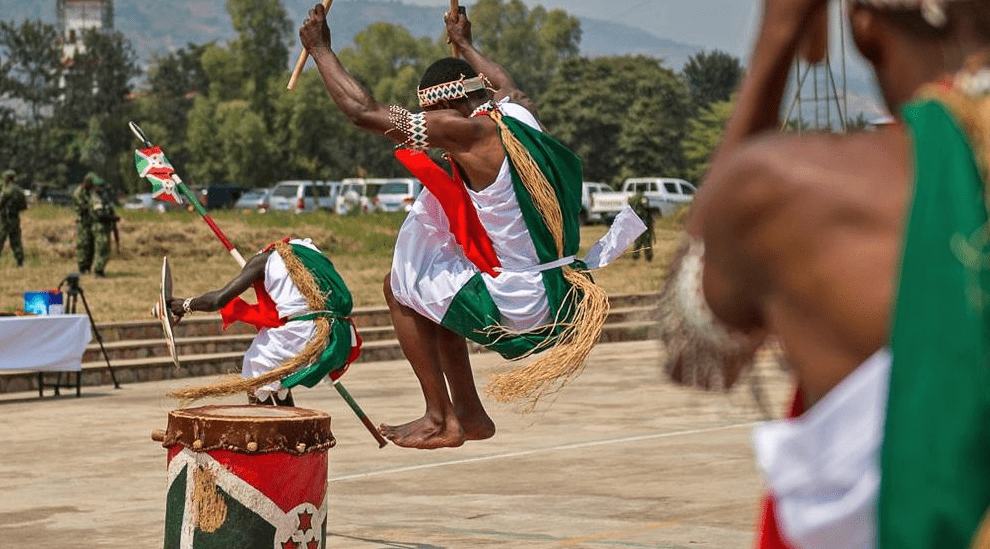
The royal drum performance: The centrepiece of Umuganuro, and the most elaborate royal drum performance in the Burundian cultural calendar. Multiple ensembles perform in sequence over several hours.
The Intore warriors dance: Full Intore performance by multiple troupes.
The ceremonial first sorghum: Symbolic harvest and brewing ceremonies that connect the modern festival to its agricultural roots.
Community celebration: Days of community celebration, music, dance, food, and the particular festive energy of a culture marking one of its fundamental occasions surround the formal ceremonies.
International visitors are welcome at Umuganuro, and the festival has become an important tourism event. Feather Trail Safaris organises specific Umuganuro itineraries each year for visitors who want to time their Burundi trip around this extraordinary occasion.
Birth and Coming-of-Age Ceremonies
Burundian birth ceremonies involve the formal naming of the child, a significant ritual event in which elders gather to bestow a name that carries meaning, family history, and often spiritual significance. The name-giving ceremony (kwita izina) is accompanied by blessings, the sharing of food and urwarwa, and the formal acknowledgement of the child by the extended community.
Coming-of-age ceremonies mark the transition from childhood to adulthood and involve specific rites of passage that vary by region and community. These ceremonies are less commonly accessible to international visitors than weddings or national festivals, and cultural sensitivity is particularly important.
Funeral Rites and Mourning Ceremonies
The extended family and community gather together. They remain close throughout the entire mourning period.
Furthermore, everyone participates in specific ritual acts. These acts help the deceased’s spirit transition smoothly. They also help the living community process their grief.
The amahinyu, the formal mourning gathering, can last several days. Specific mourning songs, the shaving of the head among close female relatives, and the ritual suspension of normal activities mark the period. Food is brought by the community; the bereaved family is not expected to provide for guests.
FAQs: Burundi Traditional Ceremonies
Can tourists attend Burundian traditional ceremonies?
Some ceremonies, particularly Umuganuro and formal cultural performances, welcome international visitors. Attending private family ceremonies (weddings, birth rites) depends on personal invitation and requires cultural sensitivity and appropriate guide support.
When is the Umuganuro festival held?
Umuganuro is typically held in September or October in Gitega. The exact date varies by year. Contact Feather Trail Safaris for current year scheduling.
Is it appropriate to photograph traditional ceremonies?
For public festivals, photography is generally acceptable. For private family ceremonies, always ask permission and follow your guide’s instructions. Photography of sacred elements should always be avoided without specific consent.
What is the significance of banana beer in Burundian ceremonies?
Urwarwa (banana or sorghum beer) is the ceremonial beverage that marks all significant social occasions. Its sharing signals fellowship, community, and the formal recognition of the occasion’s importance.
Plan a Burundi cultural tour with Feather Trail Safaris — including Umuganuro festival attendance