
Kibira National Park: Burundi’s Cloud Forest Chimpanzee Haven
The emerald-green mountain peaks, ancient primary canopies, and mist-shrouded ridges of the Albertine Rift present an incredible alternative to heavily crowded commercial travel paths. For modern independent explorers, dedicated wildlife photographers, and passionate conservationists, this pristine ecosystem represents one of the final true frontiers of authentic travel. From standing in quiet awe under giant mahogany trees to tracking wild primates through dense, high-altitude cloud forests, the region delivers raw, unforgettable adventures. However, because its geographic highlights are located along steep volcanic slopes, organizing an expedition here requires a highly strategic approach. Utilizing our comprehensive field overview, Kibira National Park: Burundi’s Cloud Forest Chimpanzee Haven, is an essential first step to ensure your jungle journey remains seamless, eco-conscious, and perfectly managed from start to finish.
When planning an African primate safari, travelers often focus exclusively on the mass-commercialized routes of neighboring nations. In reality, moving between nearby destinations like Tanzania, Rwanda. Plus the Democratic Republic of the Congo reveals vastly different infrastructure realities, wildlife viewing dynamics, and crowd sizes. While adjacent destinations attract high volumes of international tourists. Burundi operates within a highly localized, intimate travel ecosystem that offers unparalleled solitude. Failing to understand the specific trekking logistics, elevation profiles, and permit requirements of this mountain wilderness. This can lead to unexpected travel delays or missed wildlife windows. By exploring the unique biodiversity, primate tracking protocols, surrounding tea landscapes, and professional booking timelines of this ecosystem, you can travel with absolute confidence. Let’s look at the essential frameworks, field rules, and natural wonders that define an exceptional vacation in this beautiful park.
The Ecological Profile of an Albertine Rift Wonder
To fully appreciate this unique wilderness, you must understand the geographical features and climatic patterns that shape its rich mountain environment.
The High-Altitude Congolese-Nile Crest Landscape
Kibira National Park covers a vast area along the high-altitude volcanic ridges of northwestern Burundi. Spanning across four provinces, Muramvya, Kayanza, Bubanza, and Cibitoke, this expansive ecosystem protects the delicate watersheds that feed both the Congo and Nile river basins.
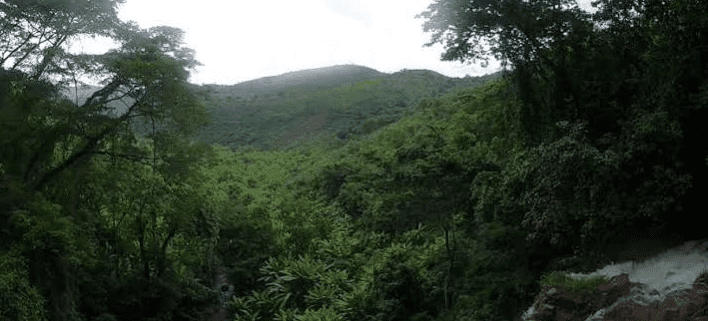
The park’s altitude ranges between 1,600 and 2,660 meters above sea level. This high elevation creates a unique climate where cool mountain air collides with warm equatorial moisture, producing dense, swirling mists that shroud the ancient forest canopy every morning.
Initially, the park’s dense vegetation can look intimidating. However, this constant moisture supports an incredible density of mosses, giant ferns, and over 200 species of exotic orchids, making it an extraordinary backdrop for guests on our custom Burundi Tours.
A Vital Transboundary Wildlife Corridor
One of the most important ecological features of this park is its direct connection to Rwanda’s famous Nyungwe National Park to the north. Together, these two parks form a massive, contiguous transboundary forest corridor that protects over 130,000 hectares of primary montane rainforest.
This uninterrupted wildlife corridor allows animals, especially wide-ranging primate families and large forest birds, to move freely across international borders based on seasonal fruit gluts. Protecting this combined territory is vital for maintaining genetic diversity among wild populations. This cooperative conservation effort is a key focus of our high-value East Africa Safaris.
Primate Encounters – The Heart of the Haven
The primary attraction inside this mountain wilderness is its thriving primate population, led by a significant community of habituated eastern chimpanzees.
Tracking the Eastern Chimpanzee (Pan troglodytes schweinfurthii)
For travelers seeking raw, unscripted wildlife encounters, setting out to track wild chimpanzees through the dense undergrowth is an unforgettable experience. The park is home to an estimated population of over 500 chimpanzees.
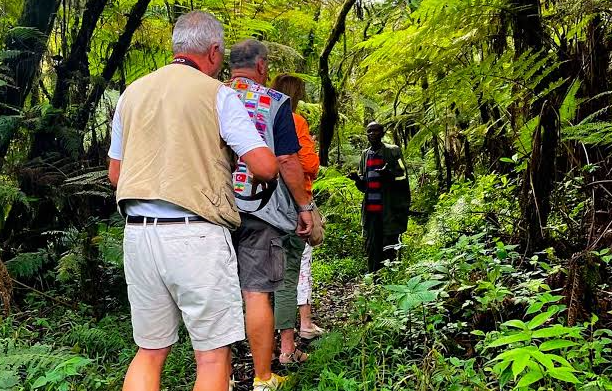
To start, your morning begins at dawn at the primary park headquarters. Following that, you will set off into the forest with a team of armed park rangers and expert tracking scouts.
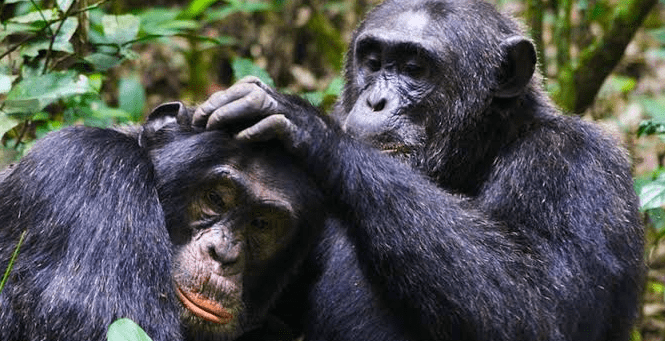
Because chimpanzees are highly active and mobile, tracking requires patience and physical stamina, with treks typically lasting anywhere from two to six hours. When you finally locate a troop, you will spend one full, spellbinding hour watching them interact, groom, forage, and swing through the high canopy. This intimate viewing experience is a central feature of our specialized Primate Safaris.
Co-Existing Primate Communities
While the chimpanzees are the primary focus for many visitors, the forest canopy is filled with various other primate species. You will frequently encounter large, lively bands of black-and-white colobus monkeys leaping effortlessly across the treetops.
The park also protects excellent habitats for the rare owl-faced monkey, a striking primate known for its distinct facial markings that lives deep within bamboo zones. Additionally, watch the forest floor closely to spot colorful L’Hoest’s monkeys foraging along the roots of giant ficus trees.
Avian Biodiversity & Botanical Treasures
Beyond its famous primates, the park is an internationally recognized haven for bird-watchers and botanical enthusiasts.
An International Birding Destination
With more than 200 recorded bird species, the park is designated as an Important Bird Area (IBA). The combination of dense primary forest, montane bamboo zones, and open swampy valleys creates excellent habitats for many rare and endemic birds.
Birding enthusiasts can spot the spectacular Great Blue Turaco moving heavily through the upper canopy, along with the brightly colored Ruwenzori Turaco. Keep your binoculars ready to look for grey-cheeked hornbills, mountain buzzards, and a variety of colorful sunbirds feeding on wild forest blossoms.
Giant Trees and Ancient Plant Life
Walking through the interior trails of the park feels like stepping back in time. The forest contains magnificent stands of ancient tree species, including giant Symphonia globulifera and towering Entandrophragma (African mahogany).
These massive trees create a dense multi-layered canopy that blocks out the sun, allowing specialized ferns, mosses, and fungi to thrive on the damp forest floor. Expert guides can point out various traditional medicinal plants that have been used by local communities for generations, an enriching aspect featured on our Cultural Tours.
The Scenic Contrasts – Teza and Kayanza Tea Estates
The experience of visiting this national park extends beyond the dark interior of the rainforest to include the stunning agricultural landscapes that border its edges.
The Beautiful Green Terraces of Teza
Located right along the southern boundary of the primary forest, the historic Teza Tea Estate offers a dramatic visual contrast. Here, the wild, tangled jungle gives way to perfectly manicured terraces of bright green tea bushes that blanket the contours of the rolling hills.
The high altitude and constant mountain mists provide ideal conditions for growing premium, single-origin black tea. Walking along the edges of these estates offers incredible landscape photography opportunities, especially in the early morning when soft sunlight breaks through the high-altitude fog.
Community Agriculture and Guided Tastings
Touring the tea estates provides valuable insight into the region’s agricultural traditions and local economy. You can watch local pickers carefully selecting the finest young tea leaves before heading to a nearby facility to learn about the processing, drying, and packaging stages.
Conclude your estate walk with a fresh tasting session of premium local tea while looking out over the expansive green valleys. This seamless blend of nature and community culture is a highlight of our luxury Rwanda Tours.
Field Logistics, Gear Blueprints, and Booking Guidelines
To ensure a safe, comfortable, and successful mountain trek, you must follow specific equipment and administrative guidelines.
Crucial Travel Documentation and Regional Entry Rules
Before finalizing your travel timeline, ensure your entry paperwork and health certificates are fully in order. Check current guidelines with the Burundi Immigration Authorities and Rwanda Immigration Services if your journey involves cross-border transit.
An international tourist visa must be secured prior to arrival. Additionally, immigration officers at all border checkpoints strictly enforce the presentation of a physical Yellow Fever International Certificate of Vaccination card.
Be mindful of environmental regulations: single-use plastic bags are strictly illegal across the region to protect local ecosystems, and any plastic bags will be confiscated at airport customs. Use reusable canvas dry bags to pack your gear instead.
The Essential Rainforest Gear Checklist
The weather in a high-altitude cloud forest can change rapidly from warm sunshine to chilly downpours. To stay comfortable on the trails, follow this professional gear blueprint:
Footwear: Sturdy, well-broken-in waterproof hiking boots with deep tread are mandatory for navigating steep, slick clay paths safely.
Clothing: Pack lightweight, breathable rain jackets, long-sleeved neutral safari shirts, and rugged trousers to protect against stinging nettles and insects.
Gaiters & Socks: Wear protective trail gaiters and thick, moisture-wicking hiking socks to keep debris out of your boots.
Gear Protection: Use waterproof dry bags to shield cameras, lenses, and binoculars from sudden mountain showers.
Why Choose Feather Trail Safaris for Your Jungle Journey
Coordinating a flawless holiday across East Africa involves balancing many precise operational pieces, from securing date-specific primate tracking permits and leasing immaculate 4×4 vehicles to managing local currency exchanges and navigating shifting seasonal weather patterns. Attempting to arrange these complex logistics independently can easily lead to booking errors, dropped reservations, or unexpected field delays.
At Feather Trail Safaris, we specialize in organizing premium, thoroughly vetted regional tours. We manage every single detail of your itinerary on your behalf, from securing your hard-to-get tracking permits to booking premium boutique hotels, providing reliable 4×4 land cruisers, and matching you with top local guides who understand the seasonal movements of wildlife. Our deep regional roots, direct partnerships, and unyielding commitment to guest safety ensure you enjoy a world-class, stress-free holiday.
Are you ready to design your perfectly timed African safari with expert support every step of the way? Which specific wildlife encounters or cultural landmarks are you most excited to include in your custom itinerary? Let us know, and our team will craft your tailored blueprint.
FAQ
What is the Kibira National Park: Burundi’s Cloud Forest Chimpanzee Haven guide?
This official field guide offers an expert overview of the park’s geographic location. The mountain biodiversity, wild chimpanzee populations, adjacent tea estates, and essential trekking logistics.
Where is Kibira National Park located?
The park is situated along the high-altitude ridges of the Congolese-Nile crest in northwestern Burundi. It directly borders Rwanda’s Nyungwe National Park, forming a vital transboundary forest corridor.
How much does a chimpanzee tracking permit cost in Kibira?
Chimpanzee tracking permits generally range from $90 to $150 USD per person for international non-residents. This offers an exceptional, high-value alternative to primate tracking in neighboring nations.
How long does a typical chimpanzee tracking excursion take?
Because chimpanzees are highly active and mobile. A typical trek can take anywhere from two to six hours. Once a troop is located, visitors spend one full hour observing them in their natural habitat.
What other wildlife species can be seen in the park?
Beyond chimpanzees, the park is home to diverse primates like black-and-white colobus monkeys, L’Hoest’s monkeys. In addition to the rare owl-faced monkeys, alongside over 200 species of birds, including the iconic Great Blue Turaco.
Is the trekking path difficult or demanding?
Yes, the park’s terrain is mountainous and steep, with elevations reaching up to 2,660 meters. Trails can become slick, muddy, and challenging, requiring a good level of physical fitness and sturdy, waterproof hiking boots.
Is a Yellow Fever vaccination card required to enter the country?
Yes, presenting a valid, physical Yellow Fever International Certificate of Vaccination card is a mandatory entry requirement checked by immigration officers at all border checkpoints.
How can I book an all-inclusive safari to Kibira with all permits pre-arranged?
You can easily secure a custom, worry-free safari with all lodging, private 4×4 transport, driver-guides, and park permits pre-arranged by submitting an inquiry through our website’s main contact form.