

Karamojong Culture in Kidepo
The Karamojong culture in Kidepo is one of the most fascinating cultural experiences in northeastern Uganda. While Kidepo Valley National Park is widely known for its spectacular landscapes, abundant wildlife, and remote wilderness, the region is also home to the Karamojong people, whose traditions and pastoral way of life form an important part of the area’s identity.
For travelers seeking more than a traditional wildlife safari, discovering Karamojong culture in Kidepo offers an opportunity to meet local communities, learn about their traditions, experience traditional music and dance, and understand how people have adapted to life in one of Uganda’s driest regions.
Who Are the Karamojong?
The Karamojong are a Nilotic-speaking pastoralist community living mainly in the Karamoja region of northeastern Uganda. Traditionally, their way of life has been closely connected to livestock, particularly cattle and goats. Livestock are not only important economically but also have cultural and social significance.
The Karamojong have developed a strong cultural identity shaped by their environment, traditions, family structures, and pastoral lifestyle. Although modernization has influenced many aspects of daily life, traditional customs remain important to communities across the region.
Experiencing Karamojong Culture in Kidepo
One of the best ways to experience Karamojong culture in Kidepo is through a guided community visit. Local cultural experiences allow visitors to interact with community members and learn about their daily lives directly from local people.
Depending on the experience, visitors may explore traditional homesteads, learn about livestock keeping, listen to stories, observe traditional activities, and discover how families organize their communities. Local guides can also explain the meaning behind cultural practices, helping visitors understand the traditions rather than simply observing them.
This interaction creates a more personal and meaningful experience than sightseeing alone.
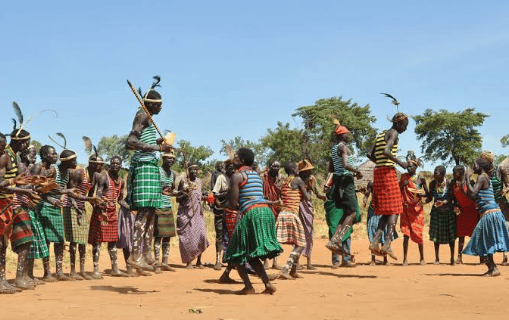
Traditional Dance and Music
Music and dance are important elements of Karamojong culture. Traditional performances are often energetic and involve singing, rhythmic movements, and distinctive cultural clothing and ornaments.
For visitors, watching or participating in a cultural performance can be one of the most memorable parts of a trip to Kidepo. These performances are not simply forms of entertainment; they can be connected to celebrations, social gatherings, ceremonies, and the passing of cultural knowledge from one generation to another.
Traditional Homesteads and Daily Life
Traditional Karamojong homesteads provide an interesting insight into community life. A cultural visit may allow travelers to see how families arrange their homes, care for livestock, prepare food, and carry out everyday activities.
Livestock are particularly significant in Karamojong society. Cattle and goats contribute to household livelihoods and are also associated with social relationships and cultural traditions. Learning about this connection helps visitors appreciate why pastoralism remains such an important part of Karamojong identity.
Storytelling and Cultural Knowledge
Storytelling is another valuable part of experiencing Karamojong culture in Kidepo. Elders and community members can share stories, local knowledge, traditions, and experiences that have been passed down through generations.
These stories can provide insight into the community’s relationship with nature, livestock, family, and the surrounding landscape. For travelers, listening to local stories is an opportunity to understand Kidepo from a human perspective.
Combining Culture with a Kidepo Safari
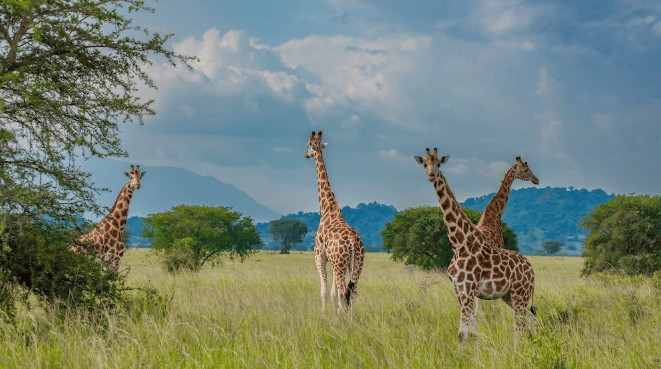
Kidepo Valley is famous for its remote wilderness, dramatic mountains, expansive savannah plains, and diverse wildlife. Combining a wildlife safari with a Karamojong cultural experience creates a more complete travel experience.
After a game drive, travelers can spend time with local communities and learn how people have adapted to the same environment that supports Kidepo’s wildlife. This combination of wildlife, landscapes, and Karamojong culture in Kidepo makes the destination particularly special.
It is part of a wider cultural landscape with communities whose history and traditions are closely connected to the region.
Responsible Cultural Tourism
Responsible tourism is essential at Feather Trail Safaris Ltd when visiting Karamojong communities. Travelers should choose experiences that involve local communities and provide meaningful benefits to local people.
Visitors should ask for permission before taking photographs, respect cultural practices, listen to local guides, and avoid making assumptions about traditions. Purchasing locally made crafts where appropriate can also contribute to community livelihoods.
A respectful cultural experience benefits both visitors and host communities by encouraging cultural exchange and supporting the preservation of local heritage.
Best Time to Experience Karamojong Culture in Kidepo
Kidepo can be visited throughout much of the year, but travelers should consider weather conditions when planning their trip. The dry seasons are generally popular for wildlife viewing because animals are often easier to spot around available water sources.
Lastly, Karamojong culture in Kidepo adds an important cultural dimension to the famous Kidepo safari experience. From traditional dance and music to pastoral traditions, homesteads, storytelling, livestock keeping, and community life, visitors can gain a deeper understanding of northeastern Uganda.
For anyone planning a trip to Kidepo Valley, including a Karamojong cultural experience in the itinerary can transform a wildlife adventure into a richer and more memorable journey. Book Now
Written By Adul Harriet, Editorial Team