
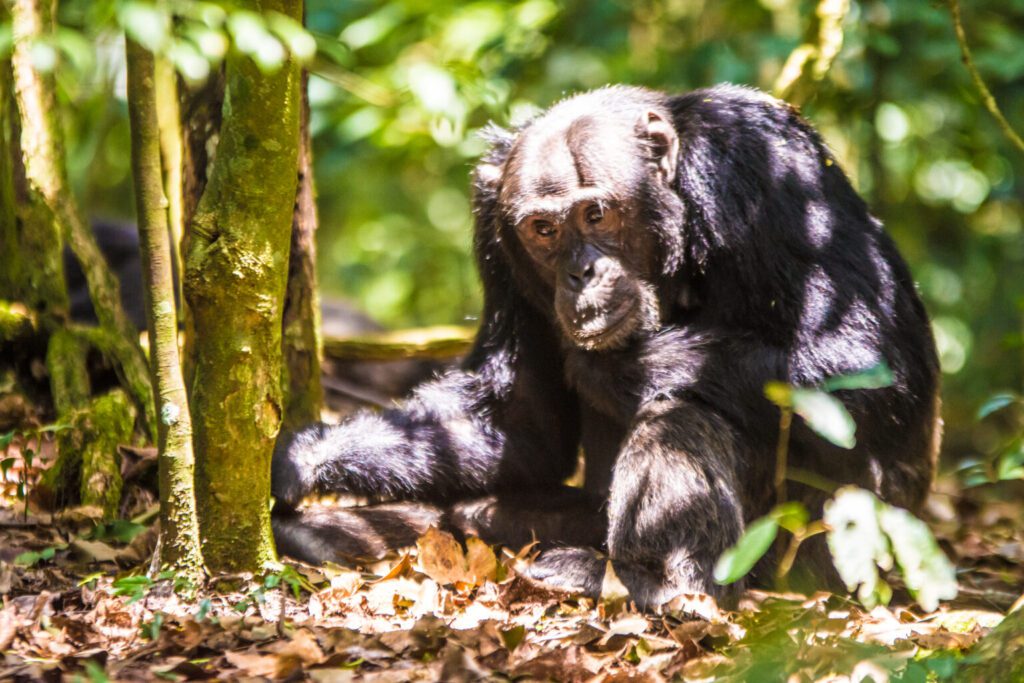
Chimp Habituation vs Standard Trek : Which Experience Is Right for You?
If you are planning to visit Uganda for a chimpanzee trekking adventure, you may come across two exciting options: chimp habituation vs standard trek. Although both experiences requires permits and takes you into the natural habitat of chimpanzees, they offer very different ways to observe and understand these fascinating primates.
Chimp Habituation vs Standard: Understanding the difference can help you choose the experience that best matches your interests, available time, and travel budget.
What Is a Standard Chimp Trek?
A standard chimpanzee trek is designed to give visitors an opportunity to find and observe chimpanzees in their natural environment. The trek usually begins with a briefing before visitors enter the forest accompanied by trained guides and trackers.
Once the chimpanzees are located, visitors can spend a limited period observing them before beginning the journey back through the forest. The experience can involve hiking through dense vegetation, following chimpanzee calls, and learning about the forest ecosystem from experienced guides.
A standard trek is ideal for travelers who want an exciting wildlife encounter without dedicating an entire day to chimpanzee observation. It also provides opportunities to see other forest wildlife, birds, plants, and primates along the way.
What Is Chimp Habituation?
Chimpanzee habituation is a more immersive experience. Chimp habituation involves spending considerably more time with chimpanzee communities that are gradually becoming accustomed to the presence of humans.
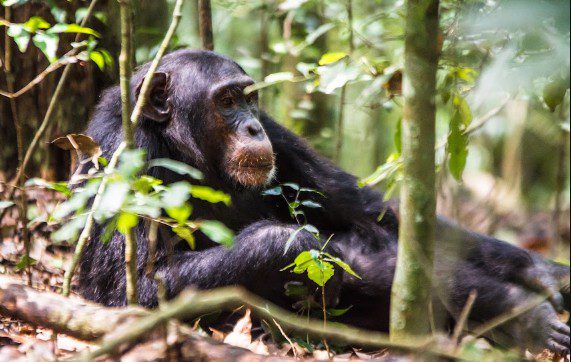
Instead of simply finding the chimpanzees and observing them for a shorter period, habituation visitors have more time to follow their activities throughout the forest. You may observe feeding, grooming, resting, playing, communicating, and moving through the trees.
Because the experience lasts longer, it can provide a deeper understanding of chimpanzee behavior and the complex social relationships within the community. It is particularly appealing to travelers who enjoy wildlife photography, primate behavior, conservation, or nature-based experiences.
Key Differences
Chimp Habituation vs Standard: The biggest difference between chimp habituation vs standard trek is the amount of time spent observing the chimpanzees.
| Feature | Standard Chimp Trek | Chimp Habituation |
|---|---|---|
| Time with chimpanzees | Shorter encounter | Extended observation |
| Experience level | Suitable for most visitors | Ideal for dedicated wildlife enthusiasts |
| Observation | Focused wildlife encounter | In-depth behavioral observation |
| Cost | Generally lower | Generally higher |
| Time commitment | Less | More |
| Photography | Good opportunities | More time for patient photography |
| Main focus | Seeing chimpanzees | Understanding chimpanzee behavior |
A standard trek is better suited to travelers with a busy itinerary, while habituation is particularly appealing to photographers, researchers, conservation enthusiasts, and travelers who want a deeper wildlife experience.
Which Experience Should You Choose?
Comparing Chimp Habituation vs Standard:
Choose a standard chimp trek if you want a memorable encounter with chimpanzees while keeping your safari itinerary flexible. It is an excellent choice for first-time visitors and travelers who want to combine chimpanzee trekking with other activities such as gorilla trekking, wildlife safaris, bird watching, or cultural experiences.
Choose chimp habituation if your priority is spending more time observing natural chimpanzee behavior. The extended experience allows you to slow down, watch the animals more patiently, and potentially witness behaviors that a shorter visit may not reveal.
Your fitness level and interest in hiking should also be considered. Forest terrain can be challenging, and longer habituation experiences require greater patience and physical endurance.
Why Chimp Habituation Is Worth Considering
One of the greatest advantages of chimp habituation is the opportunity to experience the forest at a slower pace. Rather than focusing only on locating chimpanzees, you have more time to observe how they interact with one another and respond to their surroundings.
You may see different members of the community performing everyday activities, hear their vocalizations, and observe how individuals interact within their social group. These moments can make the experience feel less like a quick wildlife sighting and more like an authentic introduction to the lives of wild chimpanzees.
In Conclusion, When comparing chimp habituation vs standard trek, neither option is necessarily better for everyone. A standard trek offers a convenient and rewarding introduction to chimpanzee viewing, while habituation provides a longer and more immersive wildlife experience.
If you have limited time or want to fit chimpanzee trekking into a wider itinerary, a standard trek may be the perfect choice. However, if you are passionate about primates, photography and conservation.
Before booking, check the current park regulations, permitted viewing times, fees, age requirements, and availability, for example with Feather Trail Safaris Ltd as these can vary by destination and season. Whichever option you choose, responsible wildlife tourism helps ensure that visitors can enjoy these remarkable animals while supporting ongoing conservation efforts. Talk to Our Safari Experts
Written By Adul Harriet, Editorial Team