

Gorilla Trekking vs Gorilla Habituation in Uganda
Few wildlife experiences in the world can match the emotional depth and raw authenticity of encountering mountain gorillas in the wild. In Bwindi Impenetrable National Park, one of the most biologically diverse rainforests on Earth, travelers are given a rare opportunity to observe these gentle giants up close in their natural habitat.
For anyone planning a gorilla safari in Uganda, two distinct experiences stand out: gorilla trekking and gorilla habituation. While both revolve around the same remarkable primates, they differ significantly in terms of time spent, level of immersion, cost, group size, and overall experience.
Understanding these differences is essential, not only for choosing the right option, but also for setting realistic expectations and ensuring that your safari aligns perfectly with your travel goals.
This detailed guide explores both experiences in depth, helping you make an informed and confident decision when planning your journey with Feather Trail Safaris.
Understanding Gorilla Experiences in Uganda
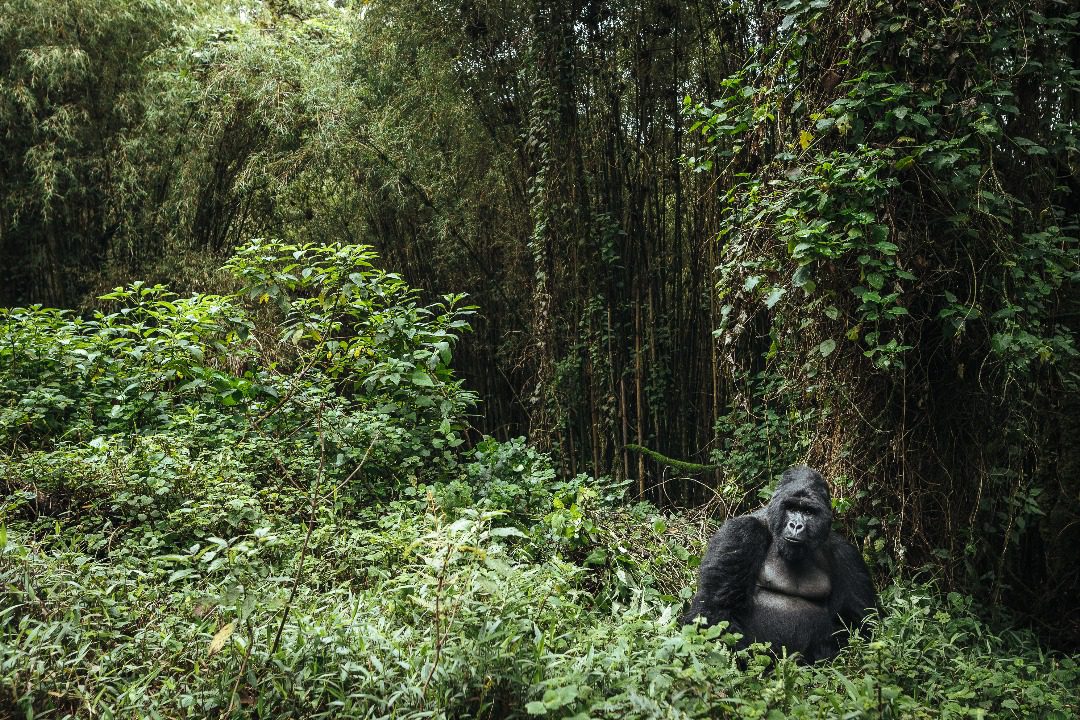
Uganda is one of the few places on Earth where mountain gorillas can be observed in the wild. These gorillas live in protected national parks, and their interaction with humans is strictly regulated to ensure conservation and sustainability.
The two main ways to experience gorillas are:
- Gorilla Trekking – A guided hike to observe a fully habituated gorilla family for a limited time
- Gorilla Habituation – A more immersive, research-oriented experience involving extended time with gorillas still adapting to human presence
Both experiences take place in Bwindi, but they serve different purposes and appeal to different types of travelers.
What is Gorilla Trekking? A Closer Look
Gorilla trekking is the most popular and widely accessible gorilla experience in Uganda. It involves hiking through dense rainforest terrain in search of a habituated gorilla family that is accustomed to human presence.

Once the gorillas are located, visitors are allowed to spend one hour observing them in their natural environment.
What Makes Gorilla Trekking Unique?
Gorilla trekking is structured, efficient, and highly regulated. It is designed to give visitors a meaningful encounter while minimizing disturbance to the gorillas.
During the one-hour visit, you may witness:
- Gorillas feeding on vegetation
- Mothers caring for their young
- Juveniles playing and interacting
- The dominant silverback overseeing the group
Despite the limited time, the experience is incredibly powerful and often described as life-changing.
Trekking Experience
The trek itself can vary significantly depending on where the gorillas are located on that particular day. Some treks may take just one hour, while others can extend up to six hours through thick vegetation, steep slopes, and muddy terrain.
This unpredictability is part of the adventure and adds to the sense of discovery.
What is Gorilla Habituation? A Deeper Experience
Gorilla habituation is a less common and more exclusive experience offered in Bwindi Impenetrable National Park. Unlike trekking, habituation allows visitors to join researchers and rangers as they work to gradually accustom wild gorilla groups to human presence.
This process is essential for conservation, research, and long-term tourism sustainability.
The Key Difference
Instead of observing a fully habituated group for one hour, participants in habituation spend up to four hours with a semi-habituated gorilla family.
This extended duration allows for a much deeper and more relaxed observation of gorilla behavior.
What Makes Habituation Special?
Gorilla habituation is not just a sightseeing activity—it is an immersive, educational, and participatory experience. Visitors are essentially part of a small team accompanying researchers and guides in the forest.
During this time, you may observe:
- Initial reactions of gorillas to human presence
- Gradual acceptance and natural behavior
- Complex social interactions within the group
- Feeding patterns and movement dynamics
Because the gorillas are not yet fully habituated, the experience often feels more raw and authentic.
Key Differences Between Gorilla Trekking and Gorilla Habituation
Although both experiences take place in the same general environment, the differences between them are significant.

1. Time Spent with Gorillas
- Gorilla Trekking → 1 hour
- Gorilla Habituation → Up to 4 hours
The extended time in habituation allows for a slower, more detailed observation of gorilla behavior. Trekking, on the other hand, provides a shorter but equally meaningful encounter.
2. Level of Immersion
Gorilla trekking offers a structured wildlife viewing experience. It is guided, controlled, and designed for a wide range of travelers.
Gorilla habituation, however, is far more immersive. Participants spend extended time in the forest alongside researchers, gaining insights into conservation practices and gorilla behavior that are not typically available during trekking.
3. Group Size and Exclusivity
- Gorilla Trekking → Up to 8 visitors per group
- Gorilla Habituation → Typically limited to 4 visitors
This smaller group size in habituation creates a more intimate and personalized experience, allowing for better observation and fewer distractions.
4. Cost and Permit Differences
- Gorilla Trekking Permit → Approximately $800 per person
- Gorilla Habituation Permit → Approximately $1,500 per person
The higher cost of habituation reflects the extended time spent, exclusivity, and the involvement in conservation-oriented activities.
5. Availability and Accessibility
- Gorilla Trekking → Available across multiple sectors of Bwindi
- Gorilla Habituation → Limited to specific gorilla groups, mainly in Rushaga
Trekking offers more flexibility in terms of permit availability, while habituation requires more careful planning due to limited slots.
6. Physical Demands
Both experiences require trekking through forest terrain, but habituation may involve longer time in the field.
The terrain in Bwindi Impenetrable National Park is often steep, uneven, and unpredictable, requiring moderate physical fitness.
Which Experience Should You Choose?
The choice between gorilla trekking and gorilla habituation ultimately depends on your travel goals, interests, and expectations.
Choose Gorilla Trekking If You:
- Are visiting for the first time
- Prefer a shorter, more structured experience
- Have limited time in Uganda
- Want a more budget-friendly option
- Are combining gorilla trekking with other safari activities
Gorilla trekking offers a well-balanced introduction to Uganda’s primates without requiring extensive planning or physical endurance.
Choose Gorilla Habituation If You:
- Want a deeper and more immersive wildlife experience
- Are passionate about conservation and research
- Prefer smaller groups and exclusivity
- Are interested in extended observation of gorilla behavior
- Have more time and budget flexibility
Gorilla habituation is ideal for travelers who want to go beyond observation and gain a richer understanding of gorilla ecology and conservation efforts.
Experience in Bwindi: What It Feels Like
Whether trekking or habituation, the journey begins early in the morning with a briefing from park rangers. Groups are then assigned to different gorilla families based on fitness level and permit allocation.
As you move through the forest, the environment becomes increasingly immersive—thick vegetation, distant calls of birds, and the occasional rustling of leaves build anticipation.
Then, suddenly, the moment arrives. You encounter a gorilla family in their natural setting.
In both experiences, this moment is powerful. However:
- Trekking offers a brief but impactful encounter
- Habituation allows for a prolonged, evolving interaction
In both cases, the experience is guided by strict rules to ensure safety and conservation.
Conservation Importance of Both Experiences
Both gorilla trekking and habituation play a critical role in protecting mountain gorillas.
- Permit fees contribute directly to conservation efforts
- Local communities benefit from tourism revenue
- Controlled tourism reduces human-wildlife conflict
- Research helps monitor gorilla populations and health
By participating in either experience, visitors contribute to the long-term survival of these endangered species.
Best Time to Experience Gorilla Trekking or Habituation
Both experiences are available year-round in Uganda, but the dry seasons are generally preferred:
- June to September
- December to February
These periods offer:
- Easier trekking conditions
- Less muddy trails
- More comfortable hiking experiences
However, habituation and trekking can still be done during rainy seasons, often with fewer crowds and more availability.
Gorilla trekking and gorilla habituation in Bwindi Impenetrable National Park are both extraordinary experiences, yet they cater to different types of travelers.
Trekking offers a structured, accessible, and time-efficient encounter with mountain gorillas, making it ideal for most visitors. Gorilla habituation, on the other hand, provides a rare, extended, and immersive experience that goes deeper into the world of these incredible primates.
Neither experience is better than the other, they simply offer different perspectives on the same remarkable wildlife.
Plan Your Gorilla Safari with Feather Trail Safaris
At Feather Trail Safaris, we specialize in creating tailored safari experiences across Uganda. Whether you choose gorilla trekking or gorilla habituation, our team ensures seamless planning, expert guidance, and unforgettable journeys from start to finish.