
Best Time to Visit Bwindi Impenetrable National Park for Gorilla Trekking
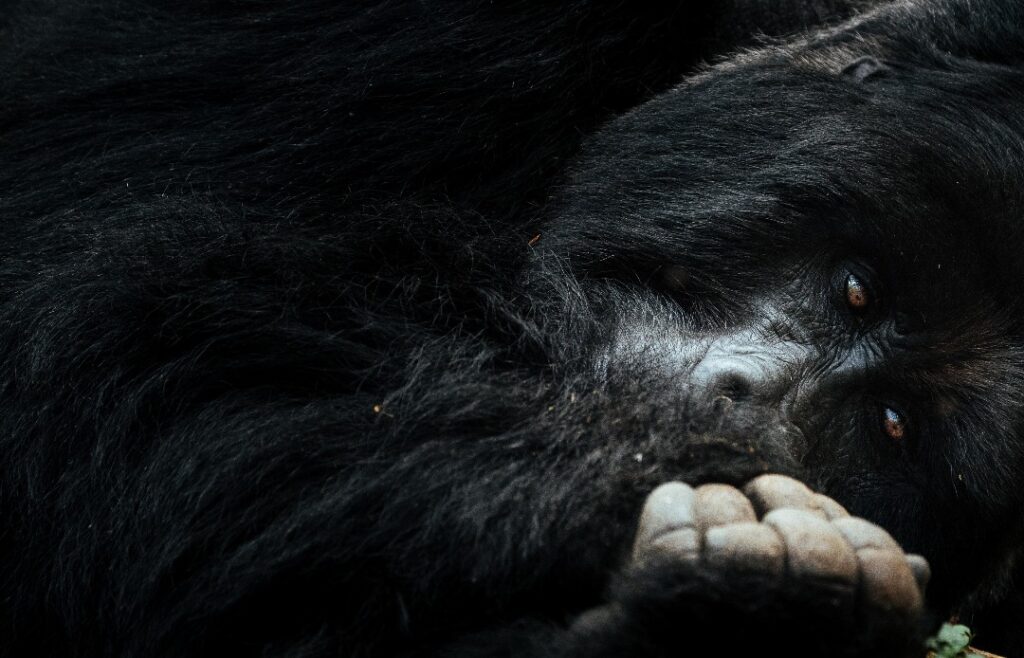
Gorilla trekking is one of the most extraordinary wildlife experiences in the world, and there is no better place to experience it than Bwindi Impenetrable National Park. Nestled in the southwestern region of Uganda, Bwindi is home to nearly half of the world’s remaining mountain gorillas and offers travelers a rare opportunity to observe these incredible primates in their natural habitat.
However, one of the most important factors that can influence your gorilla trekking experience is timing. Choosing the best time to visit Bwindi can affect everything from trekking conditions and wildlife visibility to overall comfort and travel logistics.
In this comprehensive guide, we’ll explore the best time to visit Bwindi Impenetrable National Park for gorilla trekking, including seasonal breakdowns, weather conditions, advantages of each period, and practical travel tips to help you plan the perfect safari.

Understanding Bwindi’s Climate
Bwindi Impenetrable National Park lies close to the equator, which means it experiences a tropical climate throughout the year. Unlike temperate regions with four distinct seasons, Bwindi has:
- Two dry seasons
- Two rainy seasons
Temperatures remain relatively stable year-round, typically ranging between 7°C (45°F) and 25°C (77°F) depending on altitude and time of day.
What changes most significantly is rainfall, which directly impacts trekking conditions. The dense rainforest environment means that even during dry seasons, some level of humidity and occasional rain is always possible.
Best Time to Visit Bwindi: The Dry Seasons
The most recommended time for gorilla trekking in Bwindi is during the dry seasons:
- June to September (long dry season)
- December to February (short dry season)
These periods are generally considered the best overall due to improved trekking conditions and better accessibility.
1. June to September – Peak Dry Season
This is the most popular time to visit Bwindi.
Why it’s the best:
- Trails are less muddy and easier to navigate
- Lower rainfall improves hiking conditions
- Gorilla trekking becomes more manageable
- Higher chances of clearer forest paths
During this period, the forest is still lush and vibrant, but the ground is relatively firmer, making the trek less physically demanding compared to rainy months.
Things to consider:
- This is peak tourist season
- Gorilla permits sell out quickly
- Accommodation options may be fully booked if not reserved early
If you plan to travel during this time, it is highly recommended to book your gorilla permits and accommodation at least 3–6 months in advance.
2. December to February – Short Dry Season
This is another excellent window for gorilla trekking in Bwindi.
Why it’s ideal:
- Generally dry and sunny conditions
- Comfortable trekking weather
- Easier trail navigation compared to rainy seasons
- Good wildlife visibility
This period is especially popular among travelers who prefer to combine gorilla trekking with holiday travel seasons.
Advantages:
- Slightly fewer crowds compared to the June–September peak
- Pleasant temperatures during the day
- Great photography conditions
This is often considered the second-best time to visit Bwindi.
Gorilla Trekking During the Rainy Seasons
While the dry seasons are preferred, gorilla trekking is still possible during the rainy seasons:
- March to May (long rainy season)
- October to November (short rainy season)
These months receive higher rainfall, which affects trail conditions and trekking difficulty.
3. March to May – Long Rainy Season
This is the wettest period of the year in Bwindi.
Characteristics:
- Heavy and frequent rainfall
- Slippery and muddy trails
- Dense vegetation growth
- More physically demanding treks
However, this season also has some unique advantages:
- Fewer tourists and less crowded trails
- More availability of gorilla permits
- Lush green scenery ideal for photography
- A more intimate and quiet experience
For travelers seeking solitude and lower costs, this period can still be rewarding with proper preparation.
4. October to November – Short Rainy Season
This is a transitional rainy period.
What to expect:
- Intermittent rainfall rather than continuous downpours
- Moderate trekking difficulty
- Fewer crowds compared to peak seasons
- Balanced travel conditions
This season is often considered a middle ground—not as dry as peak months, but not as wet as the long rainy season.
Comparing Dry vs Rainy Seasons
Dry Season Advantages:
- Easier trekking conditions
- Better accessibility of roads and trails
- More comfortable hiking experience
- Higher predictability of weather
Rainy Season Advantages:
- Fewer tourists
- Greater permit availability
- Lower accommodation demand
- More lush and green scenery
- Potential cost savings on lodges and packages
Which Season is Best Overall?
For most travelers, the best time to visit Bwindi Impenetrable National Park is during the dry seasons:
- June to September (best overall)
- December to February (second-best option)
These months provide the most favorable balance between weather, accessibility, and trekking comfort.
However, the “best” time ultimately depends on your preferences:
- If you prefer easier hikes and predictable weather, choose the dry season
- If you prefer fewer crowds and a quieter experience, consider the rainy season
Factors to Consider When Choosing Travel Time
1. Physical Fitness
During rainy seasons, trails become slippery and more challenging. If you are not accustomed to hiking in such conditions, the dry season may be more suitable.
2. Budget
Traveling during the rainy season may offer:
- Lower accommodation rates
- Increased availability of permits
- Potential discounts from safari operators
3. Crowds and Availability
Peak seasons attract more visitors, which means:
- Higher demand for permits
- Fully booked lodges
- More organized trekking groups
If you prefer a quieter experience, traveling outside peak months may be better.
4. Photography Conditions

Bwindi’s rainforest environment offers stunning photography opportunities year-round, but:
- Dry seasons → better lighting and clearer paths
- Rainy seasons → richer greenery and dramatic misty scenery
What to Expect Regardless of the Season
No matter when you visit Bwindi Impenetrable National Park, some aspects remain consistent:
- Gorilla trekking requires moderate physical effort
- Weather can change quickly (rain is always possible)
- Trekking duration varies depending on gorilla location
- You will always be guided by experienced rangers
The experience itself, coming face-to-face with mountain gorillas is equally magical in every season.
Tips for Visiting Bwindi at Any Time of Year
1. Book Permits Early
Gorilla permits are limited and highly sought after. Booking in advance ensures availability regardless of season.
2. Pack Appropriately
Regardless of the time of year:
- Wear waterproof clothing
- Use sturdy hiking boots
- Bring gloves for handling vegetation
- Carry a rain jacket at all times
3. Hire a Porter
Porters assist with carrying bags and navigating difficult terrain, making your trek easier and supporting the local community.
4. Stay Flexible
Weather in Bwindi can be unpredictable. A flexible mindset enhances your overall experience.
Combining Bwindi with Other Destinations
Many travelers combine gorilla trekking in Bwindi with other destinations in Uganda, such as:
- Wildlife safaris in Queen Elizabeth National Park
- Boat cruises along the Nile in Murchison Falls National Park
- Chimpanzee tracking in Kibale National Park
This creates a well-rounded safari experience that showcases Uganda’s rich biodiversity.
Choosing the best time to visit Bwindi Impenetrable National Park for gorilla trekking depends on your priorities, preferences, and travel style. While the dry seasons offer the most comfortable trekking conditions, the rainy seasons provide unique advantages such as fewer crowds and lush landscapes.
Ultimately, gorilla trekking is a year-round experience, and with the right preparation, any time can be the perfect time to witness the incredible mountain gorillas of Uganda.
Plan Your Gorilla Trekking Safari
If you’re ready to experience the beauty of gorilla trekking in Uganda, Feather Trail Safaris can help you plan a seamless and personalized journey—from securing permits to crafting the perfect itinerary.
Your unforgettable adventure in Bwindi starts with the right timing, and now you have all the insights you need to choose it wisely.
Contact Us!