
The drum in the glass case was not what I expected.
I had read about the royal drums of Burundi, their size, their sacred status, their role in the political structure of the kingdom. But standing in front of the one on display in the National Museum of Gitega, I was struck most powerfully by its ordinariness. It was a drum. Made of wood and skin. Worn by use and time. And yet the label on the case described it as a diplomatic object, presented to the Mwami by a neighbouring ruler as an act of alliance, and suddenly I was looking at something that carried the weight of a political relationship, a moment of negotiation between kingdoms, a decision made by people long dead that had shaped the history of the region.
That is what Burundi cultural heritage sites offer. Not spectacle, not grandeur for its own sake, but the particular density of meaning that accumulates in places and objects when you understand their story.
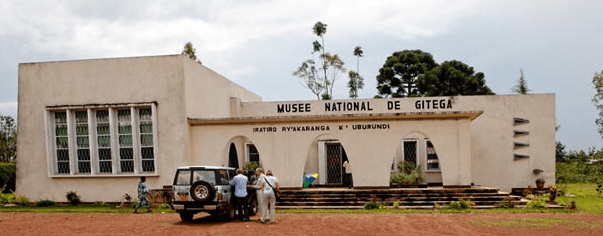
The National Museum of Gitega
The National Museum of Gitega is Burundi’s most important cultural heritage site and the essential first stop for any visitor wanting to understand the country’s history and traditions.
Founded in 1955 during the Belgian colonial period and substantially expanded after independence, the museum holds collections documenting the full range of Burundian cultural heritage, archaeological materials, royal regalia, traditional dress and jewellery, agricultural implements, musical instruments (including historic royal drums), and ethnographic documentation of all three major ethnic communities.
The drum collection is the museum’s centrepiece. Displayed alongside historical photographs, ritual objects, and documentation of royal court culture, the drums convey an understanding of the ingoma tradition’s significance that a performance alone cannot provide, the historical depth of the tradition, the specific ceremonial contexts in which different drums were used, and the political geography of the drum tradition across the Great Lakes region.
The ethnographic galleries are equally valuable, presenting documentation of Hutu agricultural culture, Tutsi pastoral traditions, and Twa material culture in a comparative framework that illuminates both the distinctiveness and the interconnections of Burundi’s cultural communities.
Practical information: The museum is located in Gitega city centre, approximately 3 hours from Bujumbura by road. Opening hours are typically Tuesday to Sunday, 9am to 5pm. Admission fees are modest ($3 to $5 for international visitors). Photography is permitted in most areas.
The Source of the Nile — Burundi’s Claim
Burundi makes a claim that is not as widely known as it should be: that the true source of the Nile River is in the Burundian highlands, at a spring in Rutovu in Bururi Province that feeds the Ruvyironza River, the southernmost tributary of the Nile system.
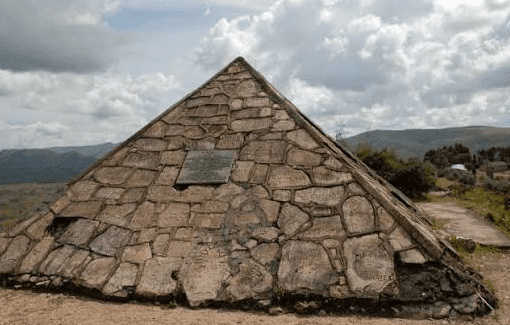
The Source of the Nile monument at Rutovu is a modest but genuinely moving cultural heritage site, a stone pyramid marking the spring, set in a hillside landscape of terraced farmland and forest. Several researchers trace the Nile’s most distant source to this spring system, making the claim geographically legitimate. Consequently, this connection gives Burundi added cultural significance through one of the world’s most famous waterways.
Visitors can reach the Source of the Nile with a half-day detour from the main Bujumbura, Gitega route. Moreover, the journey rewards those interested in the intersection of natural and cultural geography.
The Living Museum of Bujumbura
The Musée Vivant (Living Museum) in Bujumbura’s Quartier Asiatique is a different kind of cultural heritage site, less focused on objects and documents than on living practice. The museum hosts regular demonstrations of traditional crafts, musical performance, and dance in an outdoor compound that also contains reconstructions of traditional architectural forms.
The Living Museum is the most accessible introduction to Burundian cultural heritage for visitors based in the capital, a 2-hour visit provides a broad overview of the main cultural traditions before more specialised experiences in Gitega and the highland communities.
Colonial Heritage: A Complicated Legacy
Burundi’s colonial period, under German East Africa from 1890 to 1916 and Belgian mandate from 1916 to 1962, left physical traces that are part of the country’s heritage landscape, however complicated that heritage may be.
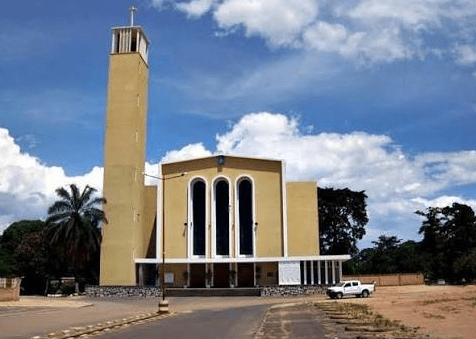
German and Belgian colonial architecture survives in Bujumbura’s older districts, administrative buildings, mission churches, and residential structures that reflect the spatial and aesthetic priorities of the colonial period. The Cathedral of Regina Mundi in Bujumbura, completed in 1945, is one of the most architecturally significant colonial-era buildings in the country and remains an active place of worship.
You cannot understand Burundi’s colonial heritage without acknowledging its violence and dispossession. Moreover, colonial authorities displaced the Twa from their forest territories. They also racialised ethnic categories. Consequently, these policies contributed to political violence after independence. A good cultural guide will contextualise these physical survivals honestly.
Gitega: Burundi’s Cultural Capital
Gitega, Burundi’s second city and administrative capital, is the most culturally rich destination in the country for heritage site visitors. Beyond the National Museum and the royal drum tradition, the city contains:
The Royal Palace site: The grounds and partial structures of the pre-colonial royal court, now a heritage site with interpretive panels. The site’s significance is as much symbolic as physical, a reference point for the royal history that the museum documents.
The Gitega Cultural Centre: The primary performance venue for royal drum concerts, Intore warrior dances, and other traditional performance forms. Regular programming makes it accessible for visitors without advance booking.
Traditional craftspeople’s quarter: A concentration of artisan workshops in the older part of the city where basket weavers, carvers, and potters work in traditional styles.
FAQs: Burundi Cultural Heritage Sites
What is the most important cultural heritage site in Burundi?
The National Museum of Gitega is the most comprehensive and most significant. For living heritage, the royal drum performance tradition of Gitega is UNESCO-recognised and equally essential.
Is Gitega safe for tourists?
Yes. Gitega is considered one of Burundi’s safer cities and is regularly visited by cultural tourists. Standard travel precautions apply.
How do I combine cultural heritage sites with wildlife activities?
A well-designed Burundi itinerary can include Bujumbura and the Living Museum, the Source of the Nile, Gitega’s National Museum and drum performances, and Kibira National Park chimpanzee trekking within a 7 to 10 day trip. Contact Feather Trail Safaris for a tailor-made itinerary.
Book a Burundi cultural heritage tour with Feather Trail Safaris