
Spiritual Beliefs in Burundi: Religion, Beliefs & Sacred Sites
Spiritual Beliefs in Burundi are deeply woven into everyday life, shaping how people think, live, and interact with their environment. In Burundi, spirituality is not treated as a separate institution. Instead, it is part of daily routines, family relationships, and community identity.
Across the country, religious life reflects a rich blend of Christianity, Islam, and traditional African belief systems. Churches and mosques stand alongside sacred hills, forests, and ancestral sites. This coexistence creates a unique spiritual landscape that visitors rarely experience elsewhere in Africa.
In rural communities, elders still play an important role in passing down oral traditions. These stories explain the origin of customs, the meaning of rituals, and the importance of respecting ancestors. Meanwhile, in urban areas, modern religious institutions guide spiritual life through churches and mosques that are active every week.
What makes Burundi especially unique is how seamlessly these belief systems interact. A person may attend church on Sunday, respect ancestral traditions at home, and still participate in community rituals rooted in older customs.
For travelers, this creates a powerful cultural experience. Visiting Burundi is not only about sightseeing. It is about understanding how spirituality shapes identity, social values, and cultural continuity.
As you explore sacred sites, villages, and religious centers, you begin to see a country where faith is alive in both visible and invisible ways. This journey offers a deeper understanding of East African spiritual heritage.
Overview of Spiritual Beliefs in Burundi
The spiritual worldview in Burundi is strongly community-centered. Unlike purely individualistic religious systems, belief in Burundi often extends to families and entire villages.
Respect for elders is one of the strongest spiritual values. Elders are seen as carriers of wisdom, cultural memory, and moral authority. Their guidance is often sought in both spiritual and social matters.
Another key feature is the connection between spirituality and nature. Many communities believe that natural landscapes carry spiritual meaning. Hills, rivers, and forests are not just physical spaces but symbolic environments linked to ancestral presence.
Religion also plays a unifying role in society. Despite differences in belief systems, communities often share values such as peace, respect, and cooperation. This helps maintain harmony across different religious groups.
In everyday life, spirituality is visible in greetings, ceremonies, and even agricultural practices. Before planting or harvesting, some communities still observe traditional rituals asking for blessings and good fortune.
Therefore, spiritual beliefs in Burundi are not abstract concepts. They are practical, lived experiences that influence how people relate to each other and the world around them.
Historical Evolution of Religion in Burundi
Pre-Colonial Spiritual Systems
Before colonial influence, Burundi practiced indigenous belief systems centered on ancestors and natural forces. Spiritual leaders guided rituals that connected communities with the unseen world.
People believed that ancestors remained spiritually present and could influence daily life. As a result, rituals were performed to seek protection, guidance, and harmony.
Kingdom of Burundi Influence
During the monarchy, spirituality and governance were closely connected. The king was seen as a sacred figure who maintained balance between the physical and spiritual worlds.
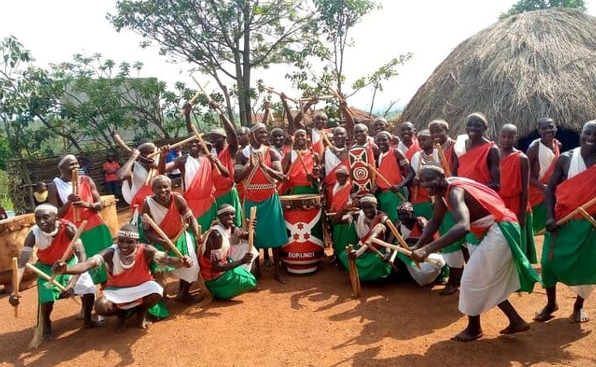
Royal rituals reinforced unity across the kingdom. These ceremonies often involved drumming, dance, and offerings that symbolized national identity.
Colonial Religious Transformation
With the arrival of German and Belgian colonial powers, Christianity was introduced through missionaries. Churches and schools were established across the country.
Christianity gradually became a dominant religion, especially in urban centers. However, traditional beliefs continued to exist alongside it.
Post-Independence Religious Diversity
After independence, Burundi experienced further religious diversification. Christianity expanded, Islam grew in urban areas, and traditional beliefs remained active in rural regions.
Today, Burundi is a multi-religious society where different belief systems coexist peacefully.
Christianity in Burundi
Christianity is the largest religion in Burundi and has deeply influenced education, healthcare, and social life.
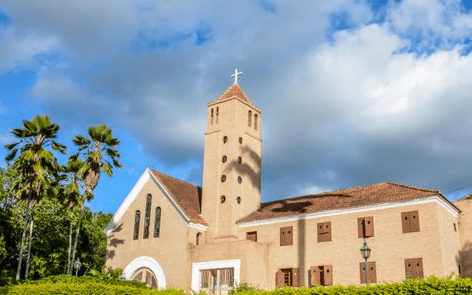
Catholicism remains the most dominant denomination, followed by Protestant and Pentecostal churches. Churches are not only places of worship but also community centers.
Sunday services are highly attended, and church choirs play an important role in worship. Music is a powerful expression of faith and community identity.
Christian holidays such as Christmas and Easter are widely celebrated across the country. These events bring families together and strengthen social bonds.
Churches also contribute significantly to education and healthcare systems. Many schools and hospitals in Burundi are operated by religious organizations, making Christianity an important social institution.
Islam in Burundi
Islam in Burundi has historical roots linked to trade routes along the East African coast. Over time, Muslim communities settled in different parts of the country, especially in urban areas.
Mosques serve as both spiritual and community centers. Daily prayers structure the rhythm of life for many Muslims in Burundi.
During Ramadan, fasting is widely observed, followed by communal meals at sunset. Eid celebrations are marked by prayer gatherings and family visits.
Islam in Burundi is characterized by peaceful coexistence with other religions. Interfaith relationships are generally respectful and cooperative.
Traditional Spiritual Beliefs in Burundi
Despite the spread of global religions, traditional beliefs remain important in Burundi, especially in rural areas.
These beliefs emphasize the connection between humans, ancestors, and nature. Ancestors are believed to guide and protect living family members.
Sacred natural sites such as forests, hills, and large trees often hold spiritual meaning. These places may be used for rituals or community gatherings.
Traditional healers also play a cultural role by preserving herbal knowledge and spiritual practices. However, their role is mainly cultural and symbolic rather than medical.
Oral storytelling is another important tradition. Stories passed down through generations help preserve cultural identity and moral teachings.
Sacred Sites in Burundi
Burundi is home to several culturally and spiritually significant sites.
Gishora Drum Sanctuary
This is one of the most important cultural heritage sites in Burundi. It preserves the royal drumming tradition, which symbolizes unity, power, and cultural identity.
Kibira National Park
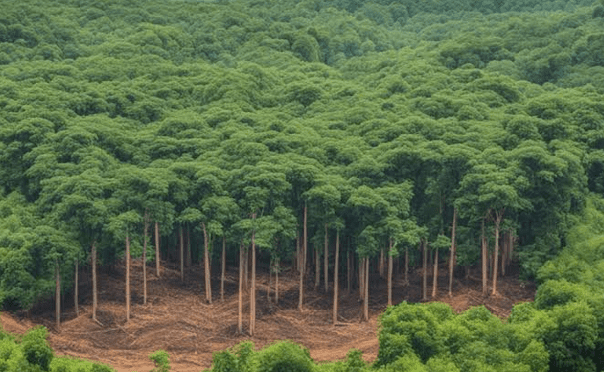
Certain areas of this forest are considered sacred by local communities. The forest is associated with ancestral spirits and traditional beliefs.
Royal Heritage Sites
These sites reflect the history of Burundi’s monarchy and its spiritual traditions.
Churches and Mosques
Historic religious buildings represent the spread of Christianity and Islam across the country.
Visitors are expected to respect cultural rules, including modest dress and permission-based photography.
Religious Festivals in Burundi
Burundi celebrates a variety of religious and cultural festivals throughout the year.
Christian festivals such as Christmas and Easter are widely observed. Islamic festivals like Eid al-Fitr and Eid al-Adha are also important.
Traditional ceremonies continue in rural communities, especially during agricultural seasons or community events.
These celebrations often include music, dance, and communal gatherings that strengthen social ties.
Sacred Music and Cultural Expression
Music plays a central role in spiritual life in Burundi.
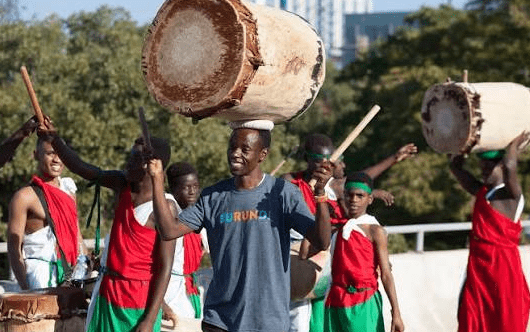
Traditional drumming is one of the most recognized cultural expressions. It is often performed during ceremonies and important events.
Church choirs are also highly influential, blending faith with musical artistry.
Islamic communities practice chanting traditions that are part of religious observance.
Together, these forms of expression reflect the spiritual diversity of the country.
Religious Etiquette for Visitors
Visitors to Burundi are encouraged to respect local customs and traditions.
Simple guidelines include:
- Dress modestly in religious areas
- Greet elders respectfully
- Ask permission before taking photographs
- Avoid interrupting ceremonies
- Follow local guide instructions
Respecting these customs ensures positive cultural interactions and meaningful travel experiences.
Responsible Spiritual Tourism in Burundi
Responsible tourism helps protect Burundi’s cultural and spiritual heritage.
Visitors should support local communities by hiring local guides and respecting sacred spaces. Buying local crafts also helps support cultural preservation.
Avoiding disruption of rituals is essential. Tourism should always enhance, not interfere with, local traditions.
Why Travel with Feather Trail Safaris
Feather Trail Safaris offers authentic cultural experiences across Burundi.
Travelers benefit from expert local guides, carefully planned itineraries, and responsible tourism practices. Each journey is designed to provide meaningful cultural understanding while supporting local communities.
Spiritual Beliefs in Burundi represent a deep and living connection between people, culture, and nature. Religion is not separate from daily life but deeply integrated into social identity and tradition.
Christianity, Islam, and traditional beliefs coexist peacefully, shaping Burundi’s unique cultural landscape. Sacred sites, rituals, and festivals offer visitors a rare opportunity to experience living heritage.
For travelers seeking authentic cultural immersion, Burundi offers more than just destinations. It offers understanding, connection, and respect for a rich spiritual world that continues to thrive today.