
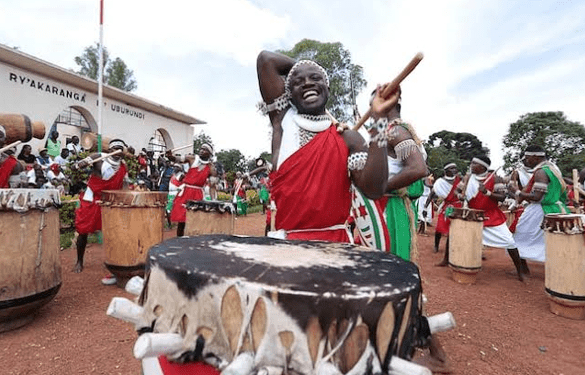
Cultural Sensitivity Guide: How to Respect Burundi Communities
Burundi welcomes visitors with genuine warmth, hospitality, and strong community values. However, every traveler should understand local customs before arriving. This Cultural Sensitivity Guide Burundi helps visitors build respectful relationships with local people while enjoying authentic cultural experiences.
Unlike many destinations, Burundi offers visitors opportunities to interact closely with local communities. Travelers can visit villages, explore traditional markets, attend cultural performances, and meet skilled artisans. Consequently, respectful behavior becomes essential throughout every journey.
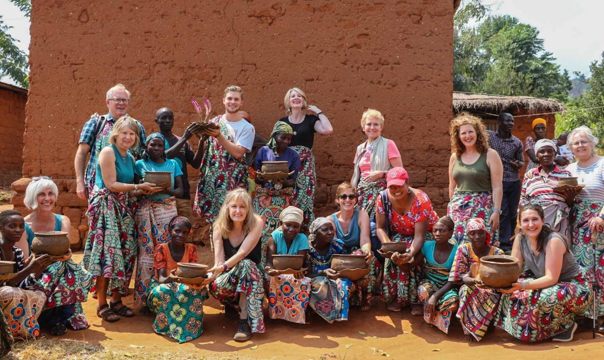
Learning simple customs also creates more meaningful travel experiences. Local people appreciate visitors who greet them politely, dress appropriately, and respect traditions. These thoughtful actions often open doors to genuine conversations and unforgettable memories.
Moreover, responsible tourism directly benefits local families. Visitors who respect communities help preserve Burundi’s cultural heritage for future generations. They also encourage sustainable tourism practices that support local livelihoods.
Whether you plan to explore bustling towns or remote villages, cultural awareness will enrich your experience. This guide explains the customs, etiquette, and traditions that every traveler should know before visiting Burundi.
Why Cultural Sensitivity Matters in Burundi
Respect forms the foundation of Burundian society. Communities value kindness, humility, patience, and courtesy. Visitors who demonstrate these qualities often receive exceptionally warm welcomes.
Unlike sightseeing alone, community tourism creates personal connections. Travelers share conversations, meals, music, and traditions with local families. Therefore, respectful behavior becomes even more important.
Additionally, cultural sensitivity protects local traditions. Many customs have survived for centuries because communities continue to practice them proudly. Respectful tourism helps preserve these traditions instead of changing them.
Responsible visitors also strengthen local economies. They purchase handmade crafts, hire community guides, and support locally owned businesses. Consequently, tourism creates direct benefits for families throughout Burundi.
Understanding Burundian Society
Burundian society values community above individual achievement. Families often live close together and support one another throughout daily life.
Extended families play an important role. Grandparents, parents, children, and relatives frequently share responsibilities. Elders provide wisdom while younger members assist with household duties.
Respect for elders remains especially important. Younger people greet older adults first and speak politely during conversations. Visitors should follow this custom whenever possible.
Hospitality also defines Burundian culture. Guests often receive food, drinks, or refreshments shortly after arriving. Accepting these gestures politely shows appreciation for your host’s generosity.
Religion also shapes many communities. Christianity represents the largest faith, although traditional beliefs continue alongside modern religions. Visitors should always respect religious customs and ceremonies.
Furthermore, many rural communities maintain traditional lifestyles. Agriculture remains the primary source of income. Farming families often welcome respectful visitors who show genuine interest in their daily activities.
Greeting People Respectfully
Greetings carry great importance throughout Burundi. Never begin a conversation without greeting someone first.
A simple greeting demonstrates respect and friendliness. Even brief interactions usually begin with polite greetings.
Common Kirundi greetings include:
- Mwaramutse – Good morning
- Mwiriwe – Good afternoon
- Muraho – Hello
- Amakuru? – How are you?
- Murakoze – Thank you
Learning these phrases creates positive first impressions.
Handshakes
Handshakes remain the most common greeting.
Offer a gentle handshake while smiling naturally.
Additionally, maintain respectful eye contact without staring.
Avoid overly firm handshakes. Burundians generally prefer a relaxed greeting.
Greeting Elders
Always greet older people before greeting younger adults.
Stand respectfully during introductions.
Listen carefully without interrupting.
Furthermore, avoid rushing conversations with elders.
Showing patience demonstrates genuine respect.
Body Language
Body language communicates respect just as strongly as spoken words.
Smile naturally during conversations.
Avoid pointing directly at people.
Instead, gesture politely with an open hand.
Likewise, avoid crossing your arms while speaking.
Relaxed posture encourages friendly conversations.
Dress Code and Personal Appearance
Clothing reflects respect for local communities.
Visitors should choose modest clothing, especially in rural areas.
Men should wear shirts with sleeves whenever possible.
Women should avoid extremely short skirts or revealing tops during community visits.
Additionally, clean and neat clothing creates positive impressions.
Comfortable walking shoes remain ideal for village tours.
When visiting churches or religious sites, dress conservatively.
Cover shoulders and knees whenever appropriate.
Safari clothing works well in national parks. However, avoid wearing camouflage clothing because some countries restrict its use.
Visiting Local Communities
Community visits offer unforgettable cultural experiences.
However, respectful behavior remains essential throughout every visit.
Always follow your guide’s instructions.
Local guides understand community expectations and cultural traditions.
Ask permission before entering homes.
Wait for your host to invite you inside.
Similarly, wait before sitting down.
Many hosts prefer assigning seating arrangements.
Speak politely throughout conversations.
Avoid discussing controversial political topics unless local people introduce them.
Instead, ask about farming, family traditions, local crafts, education, or community life.
These conversations usually create enjoyable cultural exchanges.
Photography Etiquette
Photography requires sensitivity.
Never photograph people without asking permission first.
Many community members happily agree.
Others may politely decline.
Respect every decision.
Additionally, avoid interrupting ceremonies simply to capture photographs.
Remain quietly in the background.
Your guide will advise appropriate moments for photography.
Never photograph military installations, police facilities, border crossings, or government buildings.
These locations often prohibit photography.
Likewise, respect sacred places.
Some religious sites discourage photography altogether.
Others allow photographs only after receiving permission.
When in doubt, always ask first.
Dining Etiquette in Burundi
Sharing a meal is one of the best ways to experience Burundian culture. Meals bring families, friends, and visitors together. Therefore, treat every invitation with appreciation and respect.
If a local family invites you to eat, arrive on time. Greet everyone before sitting down. Then, wait until your host invites you to begin eating.
Many Burundian households serve the eldest person first. Respect this tradition and avoid reaching for food before others.
Traditional meals often include cassava, beans, sweet potatoes, bananas, rice, vegetables, grilled meat, fish, and plantains. Some homes also prepare traditional dishes during festivals and family celebrations.
If you receive more food than you can finish, politely explain that you are satisfied. Avoid wasting food because many families consider it disrespectful.
After the meal, thank your host sincerely. A simple expression of gratitude leaves a lasting impression.
Supporting Local Communities Responsibly
Responsible tourism creates lasting benefits for Burundian communities.
Whenever possible, purchase handmade products directly from local artisans. This approach ensures that more income stays within the community.
Choose locally owned accommodation and restaurants whenever available. These businesses often employ local residents and purchase local products.
Additionally, hire licensed local guides. They provide valuable cultural knowledge while supporting the regional economy.
Avoid bargaining aggressively. Remember that handmade crafts often require many hours of skilled work.
Instead, pay fair prices that recognize the artisan’s effort.
Common Cultural Mistakes Tourists Should Avoid
Even well-meaning travelers can unintentionally offend local communities. Understanding common mistakes helps you build respectful relationships and enjoy a more rewarding cultural experience.
Skipping Greetings
In Burundi, greetings are essential. Never begin a conversation without greeting someone first. A simple greeting demonstrates courtesy and respect.
Photographing People Without Permission
Always ask before taking photographs. Some people may not wish to be photographed, while others may appreciate being asked first.
Dressing Inappropriately
Wear modest clothing when visiting villages, churches, schools, and community gatherings. Respectful attire shows consideration for local values.
Ignoring Local Guides
Local guides understand community customs and expectations. Follow their advice throughout your visit.
Bargaining Excessively
Negotiating prices is acceptable in some markets. However, avoid pushing prices too low. Handmade products require time, skill, and effort.
Interrupting Traditional Ceremonies
Remain quiet during ceremonies. Observe respectfully and avoid drawing attention to yourself.
Entering Homes Without Invitation
Always wait for your host to welcome you inside. This simple gesture demonstrates respect.
Giving Money Directly to Children
Instead, support schools or community projects. This approach benefits everyone more fairly.
Speaking Loudly
Maintain a calm voice during conversations. Loud behavior may appear disrespectful.
Disrespecting Elders
Always greet elders first. Listen attentively when they speak.
Leaving Litter Behind
Carry your rubbish until you find a suitable disposal point. Clean environments benefit everyone touching Sacred Objects
Avoid handling ceremonial items unless invited.
Making Assumptions
Ask respectful questions instead of making judgments about local lifestyles.
Rushing Conversations
People often value friendly conversation before discussing business.
Comparing Burundi Negatively
Avoid comparing Burundi unfavorably with other destinations. Instead, appreciate its unique culture and traditions.
Do’s When Visiting Burundi Communities
Greet people politely, learn a few Kirundi phrases, smile warmly, dress modestly, respect elders, ask before taking photographs, support local businesses, buy handmade crafts, hire local guides, follow community rules, accept hospitality graciously, listen carefully, ask respectful questions,
respect religious beliefs, be patient, arrive on time, thank your hosts, respect wildlife and nature, leave a positive impression.