
Burundi Chimpanzee Population Recovery: How Tourism Helps
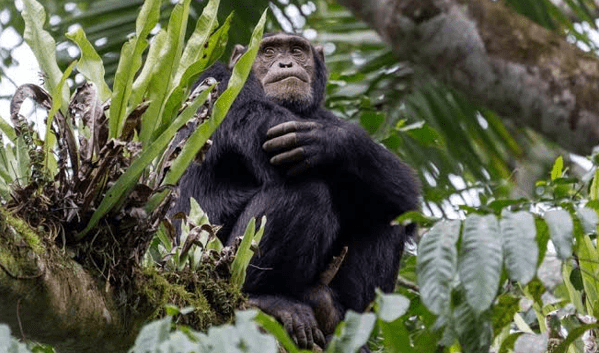
Burundi chimpanzee population recovery is one of East Africa’s quiet conservation success stories. For decades, chimpanzee numbers in Burundi declined due to habitat loss and conflict. However, steady conservation work and growing tourism interest are slowly turning the tide. This article explains how chimpanzees are bouncing back. We will look at the threats they faced, the role tourism now plays, and how travelers can support this progress. For trip planning, explore our Burundi safari packages before reading further.
Understanding the Decline Before Recovery
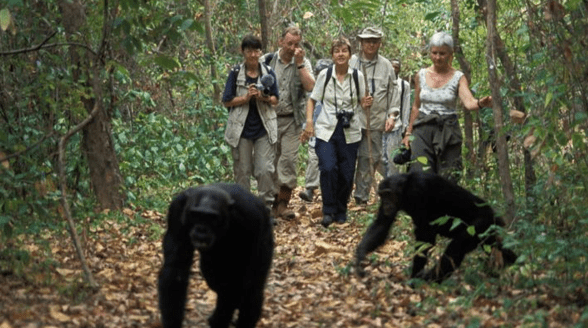
To appreciate Burundi chimpanzee population recovery, it helps to understand the earlier decline. Civil conflict during the 1990s and early 2000s disrupted conservation efforts across the country. Forests were cleared for farmland, and protected areas received little funding or enforcement. As a result, chimpanzee numbers dropped sharply during this period.
Poaching also posed a serious threat. Bushmeat hunting reduced populations in several forest regions. Meanwhile, habitat fragmentation made it harder for chimpanzee groups to move between forest patches safely. Therefore, by the early 2000s, conservationists faced a difficult rebuilding process.
Kibira National Park: The Heart of Recovery
Kibira National Park sits at the center of Burundi chimpanzee population recovery efforts. This park protects one of the largest remaining stretches of montane forest in the country. Consequently, it serves as a critical refuge for chimpanzees and other primates.
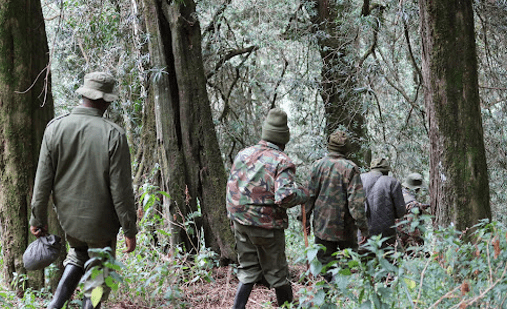
Conservation authorities have strengthened ranger patrols within Kibira over the past two decades. Additionally, anti-poaching units now monitor key forest corridors more consistently. These efforts have allowed chimpanzee groups to stabilize and, in some areas, slowly grow. You can learn more about regional conservation policy through the International Union for Conservation of Nature.
How Tourism Funds Conservation Work
Tourism plays a central role in sustaining Burundi chimpanzee population recovery. Entrance fees and guided trekking permits generate revenue that supports park operations. This funding pays for ranger salaries, equipment, and habitat monitoring programs. Therefore, every visitor who books a chimpanzee trek contributes directly to conservation.
Beyond entrance fees, tourism also creates local employment. Guides, porters, and lodge staff earn income tied to ongoing wildlife protection. As a result, communities near Kibira have a direct financial incentive to support conservation rather than harmful land use. This shift has proven crucial for long-term success.
If you want to experience this firsthand, our Kibira chimpanzee trekking guide outlines what a typical trek involves.
Community Engagement and Education
Long-term recovery depends on more than park boundaries alone. Therefore, conservation groups have invested heavily in community education programs. Schools near Kibira now include conservation topics in their curriculum. Meanwhile, local leaders participate in decisions about land use near protected areas.
This approach helps reduce conflict between farmers and wildlife. Additionally, community-led patrols often supplement official ranger efforts. As a result, illegal logging and poaching incidents have decreased in several monitored zones. Education, paired with economic incentives, has proven far more effective than enforcement alone.
Research and Population Monitoring
Accurate data is essential to tracking Burundi chimpanzee population recovery over time. Researchers conduct regular surveys using camera traps, nest counts, and direct observation. These methods help estimate population size and identify emerging threats early.
Collaborative studies with international primatologists have improved monitoring accuracy. Furthermore, organizations such as the Jane Goodall Institute have supported training for local researchers. This knowledge transfer strengthens Burundi’s long-term capacity to manage its own conservation programs without heavy reliance on outside support.
Challenges That Still Remain
Despite encouraging progress, several challenges continue to threaten chimpanzee populations. Habitat encroachment remains an issue in areas bordering farmland. Climate change has also altered rainfall patterns, which affects fruiting trees that chimpanzees depend on for food.
Limited funding remains another obstacle. Conservation work requires consistent financial support, and tourism revenue alone cannot cover every need. Therefore, partnerships with international donors and conservation organizations remain essential. Travelers who choose responsible tour operators help ensure funding reaches the right programs.
The Role of Responsible Tourism
Not all tourism benefits conservation equally. Responsible tourism practices matter greatly for Burundi chimpanzee population recovery to continue. Choosing operators who follow ethical wildlife viewing guidelines reduces stress on chimpanzee groups. Maintaining safe viewing distances also limits the risk of disease transmission between humans and primates.
Additionally, supporting locally owned lodges and guides ensures tourism income stays within nearby communities. This creates a stronger link between conservation success and local livelihoods. Therefore, travelers play a direct role in shaping how sustainable this recovery remains.
What a Chimpanzee Trek in Burundi Looks Like
A typical trek begins early in the morning at the park headquarters. Rangers brief visitors on safety guidelines before entering the forest. Groups then follow trackers who locate chimpanzee troops using vocal calls and recent movement signs.
Hikes can be moderately strenuous, depending on the terrain. However, the experience of observing wild chimpanzees swinging through the canopy makes the effort worthwhile. Visits typically last around one hour once the group is located, similar to gorilla trekking protocols used elsewhere in the region.
Comparing Burundi to Neighboring Countries
Burundi’s chimpanzee trekking experience differs from more established destinations like Uganda and Tanzania. Fewer visitors travel to Kibira each year, which means quieter, less crowded treks. Meanwhile, permit costs in Burundi remain considerably lower than in more popular chimpanzee destinations.
This combination appeals to travelers seeking an authentic, less commercialized wildlife experience. Therefore, Burundi offers a compelling alternative for those who have already explored busier primate trekking destinations nearby.
How Travelers Can Support Recovery Efforts
Visitors can support Burundi chimpanzee population recovery in several practical ways. First, booking permits through licensed operators ensures fees reach conservation programs correctly. Second, purchasing local crafts and services supports community-based conservation incentives.
Third, sharing accurate information about Burundi’s conservation progress helps raise broader awareness. Many travelers are unaware that Burundi even hosts chimpanzee trekking opportunities. Therefore, word-of-mouth promotion from responsible travelers genuinely matters for long-term funding and visibility.
Looking Ahead: The Future of Recovery
Conservationists remain cautiously optimistic about continued progress. Population numbers have stabilized in core protected zones, and community support continues to grow. However, sustained funding and political stability remain necessary for long-term success.
Tourism will likely remain a key pillar supporting this recovery. As more travelers discover Kibira National Park, revenue and awareness should continue to rise. Ultimately, this creates a positive cycle where conservation funding and ecotourism reinforce each other.
Final Thoughts on Burundi Chimpanzee Population Recovery
Burundi chimpanzee population recovery demonstrates how tourism and conservation can work together effectively. What once seemed like a fragile, declining population is now showing signs of measured stability. Community involvement, careful monitoring, and responsible tourism have all played essential roles.
If you would like to witness this recovery firsthand while supporting the communities driving it, our team can help plan your trip. Contact us today to start planning a responsible chimpanzee trekking experience in Burundi.