

Chimps of Gishwati-Mukura National Park: Tracking Guide
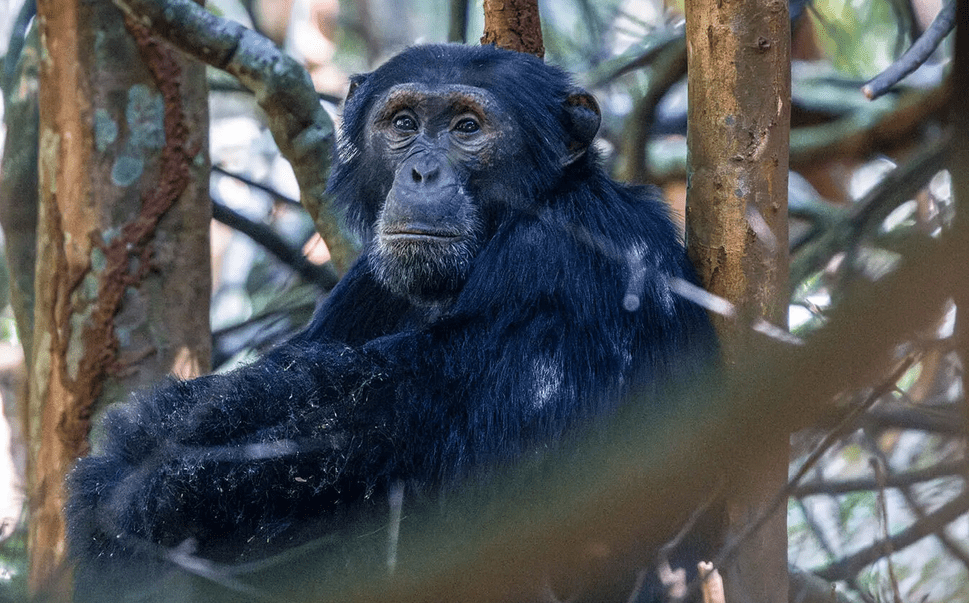
The dense, mist-covered montane forests of East Africa host some of the most profound wildlife encounters on Earth. Most international travelers visit the Albertine Rift primarily to see mountain gorillas. However, tracking our closest living relatives in the canopy offers an equally exhilarating adventure. Seeking out the Chimps of Gishwati-Mukura National Park provides an incredible, intimate look into wild primate behavior.
Feather Trail Safaris invites you to discover this beautifully restored rainforest haven. Before we dive into our tracking logistics, we must clarify an important geographic detail for your trip planning. While many travelers connect this reserve with our northern Burundian circuits, Gishwati-Mukura National Park is actually located in neighboring Rwanda.
It forms a vital high-altitude forest corridor that mirrors the ecosystems of Kibira in Burundi. Therefore, it fits perfectly into our multi-country regional itineraries. Let us explore the inspiring world of the Chimps of Gishwati-Mukura National Park.
The Miraculous Recovery of a Fragile Albertine Rainforest
Many modern eco-tourists seek out travel destinations that showcase genuine environmental resilience. Traditional travel hotspots can sometimes suffer from heavy commercial overcrowding and habitat degradation. Fortunately, planning an expedition to see the Chimps of Gishwati-Mukura National Park supports a spectacular conservation success story.
During the late twentieth century, this ancient forest faced near-total destruction due to agricultural encroachment. Consequently, the resident primate populations dwindled to a tiny, isolated family group.
Thankfully, dedicated reforestation campaigns completely reversed this tragic decline. The government officially combined the Gishwati and Mukura forest reserves to create a fully protected national park. Today, the canopy is regenerating beautifully. By booking a tracking permit here, you directly finance the ongoing expansion of this vital wilderness corridor.
Population Growth: Watch a resilient community of chimpanzees adapt and multiply within protected boundaries.
Primate Biodiversity: Encounter other rare tree-dwelling species like golden monkeys and L’Hoest’s monkeys.
Avian Paradise: Spot dozens of endemic birds that thrive in the recovering high-altitude canopy.
Regenerative Impact: Support community-led tree nurseries that actively push back agricultural borders.
The Tracking Experience: What to Expect in the Field
Primate tracking requires a healthy mix of physical stamina, immense patience, and expert local guidance. Your tracking day begins very early in the morning at the park headquarters.
Expert rangers provide a comprehensive safety briefing before you enter the forest. They explain essential behavioral guidelines for interacting with wild primates.
Next, you will follow your dedicated guide into the dense undergrowth. The terrain is often steep, muddy, and beautifully wild. Rangers track the vocalizations of the chimpanzee troop to locate them.
Suddenly, you hear distant pant-hoots echoing through the mist. The thrill of hearing these wild calls is entirely unforgettable. It lets you know that your primate encounter is just moments away.
Essential Primate Safety and Viewing Protocols
Wild animals require deep respect and careful non-disturbance protocols during visits. Therefore, park authorities enforce rigid rules to ensure safety for both humans and apes.
Our guides at Feather Trail Safaris help you follow these strict field standards flawlessly. We ensure your presence never causes undue stress to the animals. “Normally, We do not enter the forest to dominate. We enter as quiet, respectful guests of the canopy.”
First, trackers must maintain a minimum distance of ten meters from the chimpanzees. This safety boundary helps protect the primates from catching human respiratory diseases.
Second, you must keep your voice to a quiet whisper while observing the troop. Avoid making sudden movements or pointing aggressively at the animals.
Furthermore, flash photography is strictly banned on all primate tracking safaris. Bright flashes can easily startle a dominant male or protective mother. Respecting these boundaries allows you to observe natural behaviors safely and peacefully.
Gear Guide: What to Pack for Your Forest Expedition
Navigating a high-altitude rainforest comfortably requires specialized, durable outdoor clothing. The weather in the Albertine Rift can change rapidly from bright sunshine to heavy downpours.

Sturdy Hiking Boots: Choose waterproof footwear with deep ankle support and excellent grip for muddy trails.
Long-Sleeved Clothing: Wear lightweight, breathable trousers and shirts to protect your skin from stinging nettles.
Trekking Gardening Gloves: Utilize thick gloves to grab tree branches safely along steep volcanic ridges.
Waterproof Rain Jacket: Pack a compact, high-quality rain shell to stay dry during sudden cloudbursts.
Your guide will also recommend bringing a durable pair of binoculars. Primate troops frequently feed very high up in the dense branches of ancient Ficus trees. Good optics allow you to view their facial expressions clearly.
Integrating Primate Safaris into a Grand East African Loop
An impactful primate trek works best when integrated into a larger multi-country travel plan. We highly recommend pairing your Rwandan trekking with our signature Burundian and Ugandan tours. For example, you can track chimpanzees in Gishwati. Next, you can explore cultural highlights nearby.
To see how we naturally connect these regional destinations, view our 3-Day Burundi Safari. This efficient itinerary serves as a fantastic cultural extension to your northern primate tracking adventures.
Furthermore, many global adventurers choose to expand their holiday into an extensive Uganda Safaris tour. Uganda offers world-class savanna game drives and boat safaris.
Alternatively, you can easily add a bucket-list gorilla trekking Uganda package to your itinerary. Combining multiple countries gives you a complete experience of the diverse Albertine Rift ecosystems.
For additional ideas on ethical cultural exploration, check our comprehensive resources. We offer deep insights into Community-Based Tourism in Burundi. You can read our detailed guide on Burundi Village Homestays.
To learn about local food heritages, view our Cooking Classes in Burundi post. You can also explore artisan traditions with our Craft Workshops in Burundi guide. For tracking seasonal wildlife patterns, view our Seasonal Migration in Burundi guide. To learn about local commerce, look at our Burundi Market Tours article. Finally, explore local performing arts with our Music & Dance Lessons in Burundi guide. If you are traveling for academic purposes, read our Burundi Educational Tours overview. For volunteer opportunities, check out our Volunteer Tourism in Burundi guide. You can also review our Burundi Wildlife Conservation Programs entry. To explore general ethical travel guidelines, read our Responsible Tourism in Burundi handbook.
Our Unyielding Standards for Ethical Primate Encounters
At Feather Trail Safaris, we operate under the strict ethical guidelines of The International Ecotourism Society (TIES). Therefore, our primate tracking excursions prioritize wildlife health above all else. We ensure our tracking groups remain very small.
We collaborate continuously with regional conservation bodies like the Burundian Office for Environmental Protection (OBPE) on transboundary forest monitoring. There is guarantee that your permit fees directly fund park ranger salaries and anti-poaching operations.
Furthermore, our safaris partner with community-owned lodges around the park boundaries. This commercial support is recognized globally by organizations like the International Union for Conservation of Nature (IUCN). Your holiday actively finances the long-term survival of the endangered species you come to admire.
How to Book Your Chimpanzee Tracking Holiday
Are you ready to use your next vacation to explore ancient African rainforests? Booking your custom primate itinerary with Feather Trail Safaris is exceptionally straightforward.
We customize every single tracking excursion based on your specific physical fitness levels and budget. We cater beautifully to small family groups, independent solo adventurers, and academic research teams.
Our team manages all ground logistics, private 4×4 transportation, park tracking permits, and local eco-guides. We guarantee your forest adventure is safe, organized, and deeply educational. Contact our travel consultants today to start designing your custom African safari!
The Last Word on Primate Protection
In conclusion, tracking the Chimps of Gishwati-Mukura National Park offers far more than just a standard vacation activity. It serves as an intimate gateway into the natural wonders of the Albertine Rift canopy.
You will stand quietly beneath giant forest trees while wild chimps play above. You will witness the inspiring success of modern ecological restoration campaigns firsthand. These profound, authentic wild encounters stay with you forever.
Do not settle for a superficial, unguided commercial holiday package. Choose Feather Trail Safaris for your next major regional journey. Let us guide you toward the ultimate chimpanzee tracking experience in East Africa. Your unforgettable wilderness adventure begins right now!
This video provides an excellent visual introduction to the rich biodiversity and primate life that defines the Albertine Rift forests: Discovering the Wilderness and Primate Heritages of East Africa
FAQs
Where exactly are the Chimps of Gishwati-Mukura National Park located?
The chimpanzee troop resides within Gishwati-Mukura National Park, which is situated in northwestern Rwanda. It sits along the ridge of the Albertine Rift, making it an easy addition to multi-country East African safaris.
How difficult is the hike to find the chimpanzees?
The trek can range from moderate to strenuous depending on where the troop is feeding. You will hike through steep terrains, thick vegetation, and muddy mountain paths. We recommend maintaining a basic level of physical fitness before booking.
What happens if the chimpanzees are not found during our trek?
While wild animal sightings can never be 100% guaranteed, the park utilizes highly experienced advance trackers. These scouts enter the forest at dawn to locate the troop before your group sets out, ensuring a very high success rate.
Can children participate in chimpanzee tracking excursions?
The official minimum age limit for tracking chimpanzees in the national park is 15 years old. This rule is strictly enforced by park authorities to ensure safety on the steep forest trails and proper compliance with primate viewing rules.
How long do we get to spend with the chimpanzee troop once located?
To safeguard primate well-being and reduce stress on the family group, viewing time is limited to exactly one hour. This window provides ample opportunities to observe their social interactions, feeding habits, and grooming behaviors safely.