
Responsible Tourism in Burundi: Ethical Safari Practices Guide
True luxury travel must encompass active stewardship of our remaining wild places. Most international adventurers visit East Africa exclusively to watch iconic wildlife roam massive savanna parks. However, a deeper look into regional ecosystems reveals fragile habitats that require urgent preservation. Practicing Responsible Tourism in Burundi offers an exceptional pathway toward highly impactful green exploration.
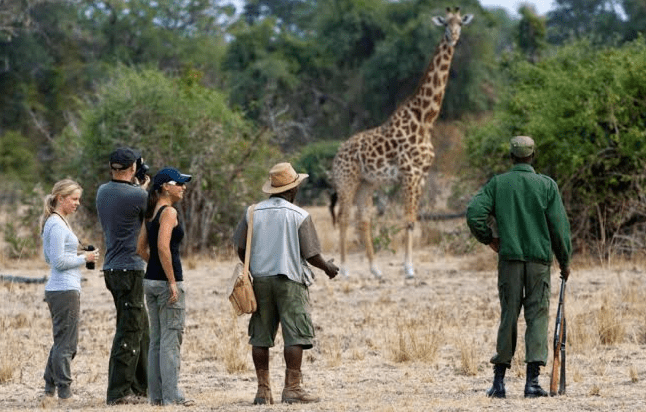
Feather Trail Safaris invites you to journey beyond standard, passive game drives. We believe that global travelers should play a functional role in keeping ancient habitats alive. Our specialized eco-itineraries connect you with rangers, researchers, and community forestry teams. You will explore critical biological corridors while contributing to long-term biodiversity survival.
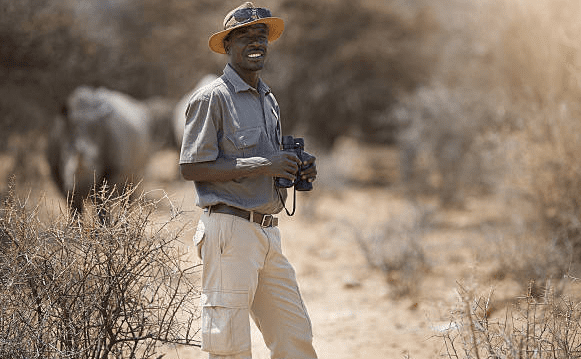
A well-structured conservation holiday allows you to minimize your environmental footprint. Furthermore, it directly funds crucial forest restoration projects. Let us explore the vital framework of Responsible Tourism in Burundi.
Why Ethical Stewardship Matters in the Albertine Rift
Many modern holidaymakers seek genuine purpose when mapping out their global adventures. Standard, mass-market tourism can place immense strain on limited local infrastructure and resources. Fortunately, prioritizing Responsible Tourism in Burundi transforms your holiday into a shield for endangered flora and fauna.
You do not simply look at nature from an isolated safari vehicle. Instead, you actively help heal the landscape alongside indigenous conservation officers.
Burundi serves as a highly critical biological intersection within the Albertine Rift. This mountainous eco-region is famous worldwide for hosting high concentrations of unique, endemic species. Consequently, small changes in forest cover can alter entire river basin systems downstream. By choosing an ethical safari, you ensure these unique mountain forests remain protected forever.
Minimize Wildlife Disturbance: Maintain respectful tracking distances to reduce stress on wild primates and birds.
Support Local Economies: Guarantee your financial expenditures directly reward independent rural communities.
Eliminate Plastic Waste: Utilize reusable water flasks and carry all non-biodegradable trash out of nature reserves.
Respect Local Cultures: Seek explicit verbal permission before photographing residents or sacred communal spaces.
The Institutional Backbone Safeguarding Burundian Biodiversity
Effective environmental action relies on structured coordination between international donors and state agencies. In Burundi, ecological protection is spearheaded by dedicated environmental authorities.
The Burundian Office for Environmental Protection (OBPE) acts as the central implementing body for all national parks. They manage daily ranger patrols, wildlife censuses, and community border relationships.
Furthermore, international initiatives like the PACECOR project actively boost these local efforts. Backed by the United Nations Development Programme (UNDP), this program focuses heavily on restoring degraded landscapes.
These joint operations ensure field actions follow strict scientific guidelines. They provide a stable, highly professional framework for visiting eco-tourists. You can rest assured your participation aligns perfectly with long-term national sustainability goals.
Key Protected Areas for Ethical Safaris
Burundi manages a diverse network of highly unique nature reserves and parks. Each distinct zone protects specific wildlife species and fragile microclimates. Specifically, three primary regions stand out for active, hands-on conservation campaigns.
| Protected Eco-Zone | Primary Wildlife Focus | Core Sustainability Practice |
| Kibira National Park | Eastern chimpanzees, mountain monkeys | Strictly regulated primate tracking group sizes |
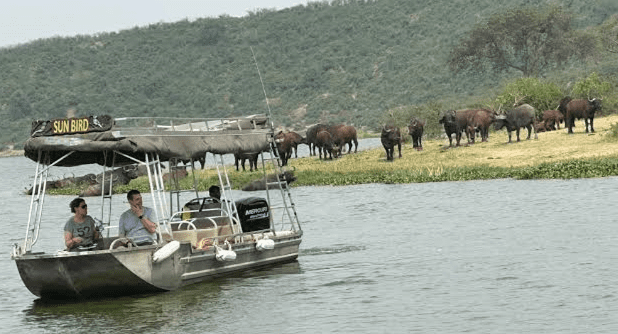
| Rusizi National Park | Hippopotamuses, migratory waterbirds | Eco-friendly boat safaris utilizing low-emission engines |
| Bururi Forest Reserve | Rare endemic birds, medicinal flora | Guided canopy walks confined strictly to marked paths |
Each geographic zone requires highly specialized management strategies. Therefore, selecting your field destination depends entirely on your conservation interests. Let Feather Trail Safaris introduce you to these vital locations.
Low-Impact Primate Tracking in Kibira
Kibira National Park represents the primary high-altitude rainforest ecosystem in the country. It connects directly with Rwanda’s Nyungwe forest to form a massive transboundary wildlife haven.
Visiting this park requires strict adherence to ethical primate viewing protocols. Noise levels must remain minimal on the trails.
Furthermore, tour groups are kept small to prevent disrupting wild chimpanzee feeding habits. This strict regulation protects primate health from human disease transmission. It provides excellent opportunities for eco-tourists to observe wildlife responsibly without causing habitat degradation.
Preserving Delicate Wetlands at the Rusizi Delta
Alternatively, water lovers will find great purpose exploring the Rusizi National Park. This park sits just a few kilometers outside the bustling port city of Bujumbura.
It protects the vital delta ecosystem where the Rusizi River empties into Lake Tanganyika. The area is a paradise for bird enthusiasts, hosting hundreds of rare avian species.
Here, Responsible Tourism in Burundi focuses heavily on reducing water pollution. Captains utilize eco-friendly watercraft to minimize wake turbulence along fragile reed banks.
This care protects nesting waterfowl from nest flooding and displacement. It keeps the entire lake ecosystem healthy and productive for future generations of local fishing communities.
Community Partnerships: The Key to True Sustainability
Physical tree planting and boundary fences are excellent, but minds protect forests over time. Therefore, our ecotours emphasize deep engagement with local community education campaigns.
We work closely with independent artisan cooperatives and agricultural associations. Our safaris guarantee that local guides receive fair, above-average daily wages.
“Conservation succeeds only when the communities bordering the wild places thrive economically.”
You will observe how community tourism provides a viable alternative to poaching. When residents earn steady income from safaris, they protect wildlife passionately.
Moreover, it turns potential environmental threats into active forest defenders. Witnessing this mindset shift offers an incredible lesson in human-centric conservation. It proves that nature thrives when local people are included as equal financial partners.
Seamlessly Blending Eco-Tourism with Classic Adventures
An impactful conservation tour works best when integrated into a broader travel plan. We highly recommend pairing your volunteer days with traditional wildlife viewing. For example, you can spend two days restoring forest habitats. Afterward, you can enjoy a classic boat safari.
To see how we naturally balance these elements, explore our 3-Day Burundi Safari. This exceptional itinerary connects the pristine wetlands of Rusizi with local cultural highlights. It serves as an excellent foundational template for green-minded travelers.
Furthermore, many global adventurers choose to combine multiple East African nations. For instance, you could conclude your forest surveys in Burundi. Next, you can easily book an extensive Uganda Safaris tour with our team.
Uganda offers world-class savanna game drives in renowned national parks. Alternatively, you can add an unforgettable gorilla trekking Uganda package to your holiday. Exploring multiple nations deepens your understanding of transboundary Albertine Rift conservation.
For additional ideas on ethical cultural exploration, check our comprehensive resources. We offer deep insights into Community-Based Tourism in Burundi. You can read our detailed guide on Burundi Village Homestays.
To learn about local food heritages, view our Cooking Classes in Burundi post. You can also explore artisan traditions with our Craft Workshops in Burundi guide. For tracking seasonal wildlife patterns, view our Seasonal Migration in Burundi guide. To learn about local commerce, look at our Burundi Market Tours article. Finally, explore local performing arts with our Music & Dance Lessons in Burundi guide. If you are traveling for academic purposes, read our Burundi Educational Tours overview. For volunteer opportunities, check out our Volunteer Tourism in Burundi guide. You can also review our Burundi Wildlife Conservation Programs entry.
Our Unyielding Standards for Green Exploration
At Feather Trail Safaris, we adhere strictly to the guidelines of The International Ecotourism Society (TIES). Therefore, our conservation tours follow rigid non-disturbance protocols. We ensure our tour groups stay small, quiet, and highly respectful.
We actively support global land initiatives like the Global Ecotourism Network (GEN). This global program aims to standardize ethical travel metrics worldwide.
By choosing us, a portion of your safari fee directly funds community nursery management. We ensure our travelers never disturb nesting birds or wild primates on walks. Your holiday actively finances the survival of the very species you come to admire.
How to Book Your Ethical Safari
Are you ready to use your next holiday to protect Africa’s hidden wilderness? Booking your green itinerary with Feather Trail Safaris is exceptionally straightforward.
We customize every single conservation excursion based on your physical fitness levels. We cater beautifully to university research groups, corporate green teams, and independent solo eco-tourists.
Our team manages all ground logistics, private 4×4 transport, park permits, and expert eco-guides. We guarantee your conservation adventure is safe, organized, and deeply educational. Contact our travel consultants today to start designing your custom African holiday!
The Last Word on Ethical Travel
In conclusion, Responsible Tourism in Burundi offers far more than just a typical sightseeing vacation. It serves as a vital lifeline for the survival of the Albertine Rift.
You will share sweat and purpose with inspiring local park rangers. You will watch native ecosystems thrive because of your mindful footprint. These profound, authentic moments stay with you forever.
Do not settle for a superficial, unguided luxury holiday package. Choose Feather Trail Safaris for your next major journey. Let us guide you toward the most impactful conservation opportunities in East Africa. Your ultimate environmental adventure begins right now!
This video provides an excellent introduction to the diverse natural landscapes and pristine habitats where these programs operate: Discovering the Wilderness and Biodiversity of Burundi
FAQs
What does Responsible Tourism in Burundi actually mean for travelers?
It means traveling mindfully to maximize positive impacts on local communities and ecosystems. This involves hiring local guides, respecting wildlife boundaries, minimizing plastic waste, and supporting fair-trade village enterprises.
How does an ethical safari protect wild chimpanzees in Kibira?
Furthermore, our safaris enforce strict distance rules and small group limits when tracking primates. By doing so, we help prevent human disease transmission while also avoiding unnecessary stress to chimpanzee families during their natural nesting cycles.
Can I completely avoid single-use plastics during my safari?
Yes, absolutely! Feather Trail Safaris provides clean, purified water refilling stations inside our transport vehicles. We highly encourage all guests to pack durable, reusable stainless steel flasks for field excursions.
How much of my tour payment stays within the local communities?
We follow transparent, fair-trade financial standards strictly. A major percentage of your safari booking fee directly funds community guide stipends, park ranger wages, and village-owned cooperative craft purchases.
Are eco-friendly safaris suitable for families traveling with children?
Yes! Teaching children about environmental sustainability early is incredibly rewarding. We design low-impact, educational itineraries that include kid-friendly nature walks and traditional interactive craft workshops.