
Cooking Classes in Burundi: Learn Traditional Cuisine
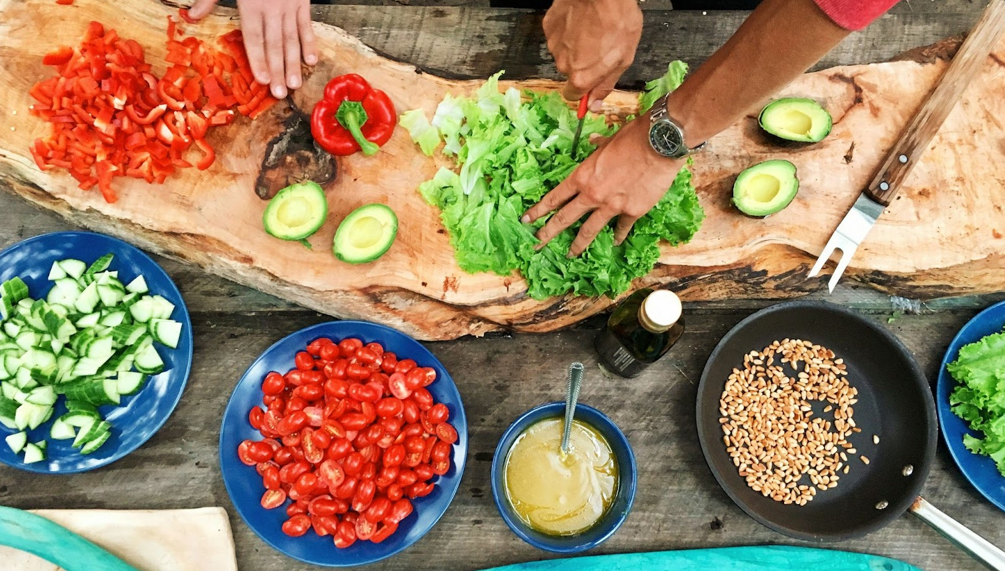
Food is the ultimate universal language. It tells the story of a culture far better than any history book. Most travelers visit East Africa strictly for iconic wildlife safaris. However, the region’s rich culinary heritage offers an equally thrilling journey. Immersing yourself in Cooking Classes in Burundi is the perfect way to unlock these ancient flavors.
Feather Trail Safaris welcomes you to discover the true heart of Burundian hospitality. We believe that immersive culinary travel creates lifelong memories. Our curated food tours connect you directly with talented local chefs. You will cook alongside passionate home cooks in traditional environments.
A hands-on class allows you to learn culinary secrets from scratch. Furthermore, it supports sustainable community development. Let us dive into the delicious world of Cooking Classes in Burundi.
Why Choose a Culinary Class in Africa’s Hidden Gem?
Many modern adventurers want more than just standard sightseeing tours. They want to engage deeply with the local culture. Fortunately, booking Cooking Classes in Burundi provides an incredible, interactive travel experience.
You do not simply sit back and wait for your food to arrive. Instead, you actively chop, season, and stir your own meals.
Burundi’s culinary landscape relies heavily on organic, farm-fresh ingredients. The country’s fertile volcanic soils produce an abundance of crops. Consequently, every single dish bursts with natural flavor. By joining a class, you understand exactly how these fresh elements come together.
Hands-on Education: Learn unique culinary techniques that you can recreate at home.
Cultural Preservation: Help keep ancestral recipes and cooking styles alive.
Local Interaction: Spend quality time chatting casually with friendly community members.
Market Exploration: Discover how locals shop for ingredients every day.
The Journey Begins: Exploring the Vibrant Food Markets
Every great meal starts with high-quality ingredients. Therefore, our Cooking Classes in Burundi always begin at a bustling local market. Your expert chef will guide you through the colorful stalls of Bujumbura or Gitega.
The market atmosphere is truly electric. The air is thick with the scent of wild roasting spices. Sellers proudly display heaps of bright red tomatoes and green plantains.
Your guide will teach you how to pick the ripest produce. You will learn to identify unique local roots and beans. Furthermore, you can practice your bargaining skills using basic Kirundi phrases.
This market tour offers a fascinating glimpse into daily African life. It sets the perfect foundation for your upcoming kitchen adventure.
Master the Classics: What You Will Learn to Cook
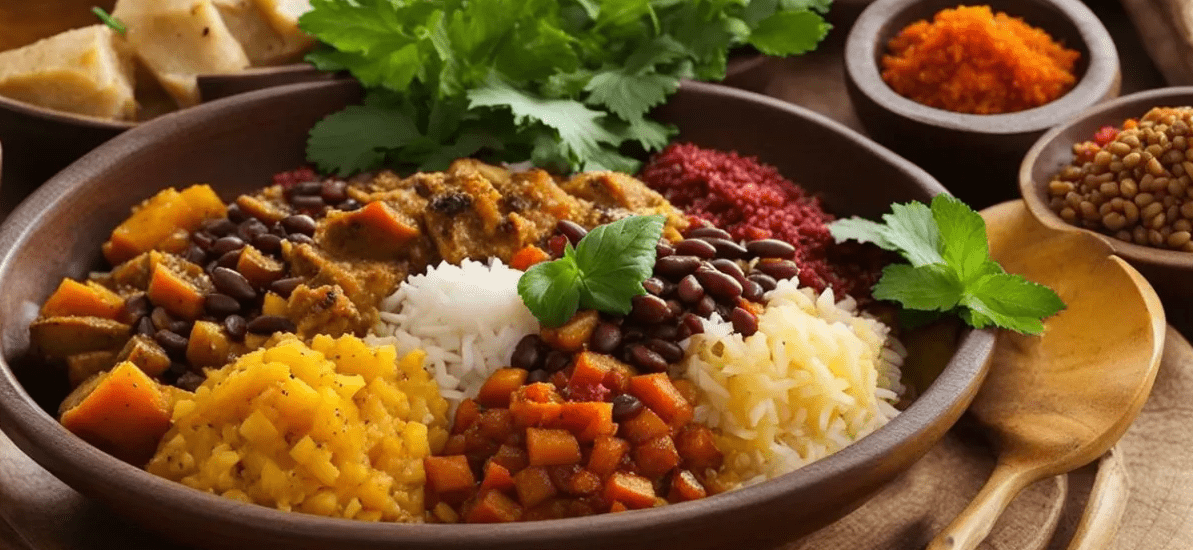
Burundian cuisine is hearty, healthy, and wonderfully comforting. It relies very little on processed ingredients. During your Cooking Classes in Burundi, you will master several iconic national staples.
| Traditional Dish | Primary Ingredients | Cooking Technique Used |
| Ubugali (Ugali) | Cassava flour or maize meal | Vigorous boiling and stirring into a thick paste |
| Ibiharage | Fried or stewed red kidney beans | Slow simmering with local palm oil and onions |
| Matooke (Igitoki) | Green cooking bananas | Steaming inside banana leaves until tender |
| Mukeke | Fresh Lake Tanganyika fish | Grilling over open charcoal flames with garlic |
Each dish teaches you a specific aspect of regional food culture. Let Feather Trail Safaris take you through these delicious culinary steps.
Crafting the Perfect Ubugali
Ubugali is the undisputed baseline of almost every East African meal. It requires strength, rhythm, and patience to prepare correctly. Your instructor will show you exactly how to mix cassava flour into boiling water.
You must stir the mixture vigorously using a heavy wooden paddle. Consequently, you develop a great appreciation for the effort behind daily meals.
Savoring the Freshness of Lake Tanganyika
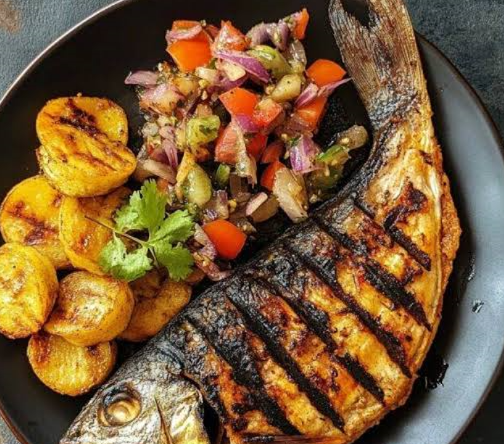
Alternatively, seafood lovers will enjoy preparing Mukeke. This specific fish is endemic to the deep waters of Lake Tanganyika. It is famous worldwide for its sweet, tender white meat.
In class, you will clean the fish carefully. Next, you will marinate it with fresh lime, garlic, and local spices. Finally, you will grill it over hot charcoal. The resulting smoky flavor is absolutely incredible.
Traditional Methods: Cooking Over Open Flames
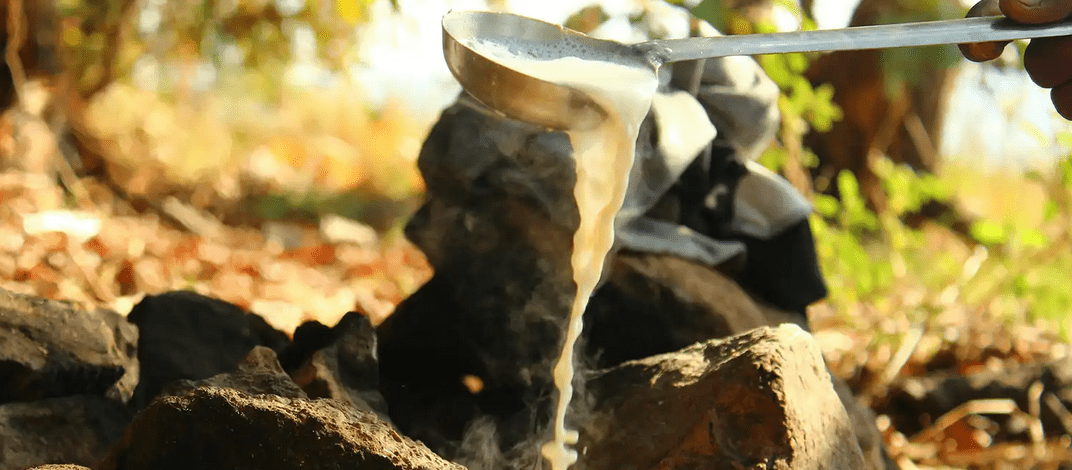
Modern kitchens are convenient, but true magic happens over firewood. Therefore, many of our classes take place in authentic outdoor settings. You will learn to control heat using traditional clay stoves or three-stone open fire pits. “The smoke from the firewood is not just heat. It is the secret seasoning of old Africa.”
Cooking outdoors teaches you to rely heavily on your senses. You listen closely to the crackle of the wood. You watch the color of the palm oil change slowly.
Moreover, cooking in this manner brings a beautiful sense of community. Neighbors often stop by to share a laugh or advice. It turns a simple cooking lesson into a warm, collective celebration.
Connecting Food Tours with Grand Wildlife Safaris
A culinary vacation works best when combined with broader travel adventures. We highly recommend pairing your cooking lessons with our classic wildlife tours. For example, you can spend a morning learning local recipes. Afterward, you can head out into the wild.
To see how we blend these experiences together, view our 3-Day Burundi Safari. This popular itinerary beautifully bridges the wetlands of Rusizi with local cultural highlights. It offers a well-rounded look at the country’s natural and cultural heritage.
Furthermore, many travelers combine their food journeys with regional cross-border safaris. For instance, you could finish your food tour in Bujumbura. Next, you could head north for an expansive Uganda Safaris tour.
Uganda offers world-class savanna game drives and boat safaris. Alternatively, you can easily add a bucket-list gorilla trekking Uganda package to your itinerary. Exploring multiple countries gives you a complete taste of the Albertine Rift.
If you want to read more about seasonal travel timing, check our Seasonal Migration in Burundi guide. Pairing your food tour with peak wildlife viewing ensures the ultimate holiday. For those interested in nighttime wildlife, read our Night Safari in Burundi post.
Ethical Travel and Supporting Local Farmers
At Feather Trail Safaris, we believe deeply in the core values of The International Ecotourism Society (TIES). Therefore, our Cooking Classes in Burundi prioritize fair-trade practices. We source all our ingredients directly from independent market vendors and small-scale rural farmers.
Your tour fees directly support these farming families. This income helps fund rural education, clean water access, and healthcare.
Furthermore, we work closely with the Burundian Office for Environmental Protection (OBPE) to promote sustainable food sourcing. We ensure our operations never create unnecessary plastic waste. Your culinary journey leaves a positive, permanent footprint in the community.
How to Book Your Gastronomic Experience
Are you ready to roll up your sleeves and learn ancestral recipes? Booking your custom food tour with Feather Trail Safaris is incredibly easy.
We customize every single cooking class based on your dietary preferences. We cater perfectly to vegetarians, vegans, and gluten-free travelers.
Our team manages all ground logistics, private transport, and English-speaking local guides. We guarantee your culinary experience is safe, organized, and deeply enriching. Contact our travel consultants today to start planning your custom African food journey!
The Last Word on Burundian Flavors
In conclusion, Cooking Classes in Burundi offer far more than just a simple cooking lesson. They serve as an intimate gateway into the local way of life.
You will share stories while stirring steaming pots. You will bond with your hosts over a shared communal feast. These beautiful, authentic moments stay with you forever.
Do not just eat food prepared in international hotels. Choose Feather Trail Safaris for your next major trip. Let us introduce you to the authentic, rich flavors of the Burundian kitchen. Your unforgettable culinary adventure begins right now!
This video provides an excellent introduction to the diverse cultural landscape and local life of the region where these culinary traditions thrive: Discovering the Heart and Culture of Burundi
FAQs
Are cooking classes in Burundi suitable for vegetarians or vegans?
Yes, absolutely! Traditional Burundian cuisine relies heavily on plant-based ingredients. Red beans, green plantains, cassava, and sweet potatoes are daily staples. Our chefs will gladly tailor the menu to be 100% vegetarian or vegan.
Do I need any previous cooking experience to join a class?
Not at all. Our Cooking Classes in Burundi are designed for all skill levels. Our friendly local instructors will guide you patiently through every step. They handle the complex parts while teaching you the core techniques.
Is the food in Burundi very spicy?
Generally, no. Burundian food is incredibly flavorful but not intensely hot or spicy. Chefs use fresh herbs, onions, garlic, and local palm oil to build deep flavors. If you love heat, spicy piri-piri pepper sauce is always served safely on the side.
What should I wear to a traditional cooking class?
We highly recommend wearing comfortable, casual clothing and flat, closed-toe shoes. Since many classes use traditional outdoor fire pits, avoid loose fabrics. We provide protective aprons to keep your clothes clean during the lesson.
Can I bring my children to the cooking class?
Yes! Cooking together is a fantastic, family-friendly activity. Children love learning how to shape Ubugali or peel sweet bananas. We ensure a completely safe environment with kid-friendly tasks under close adult supervision.