
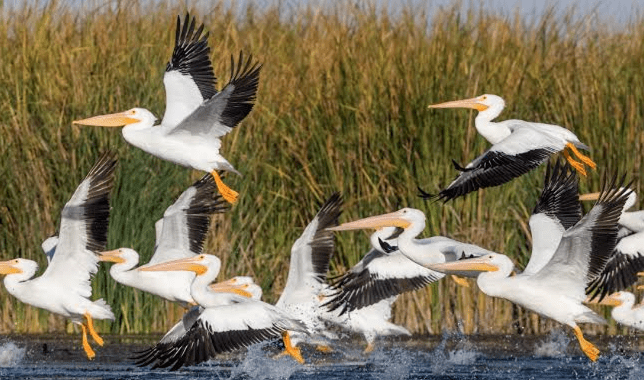
Seasonal Migration in Burundi: Wildlife Viewing Guide
The natural world moves to a precise, ancient rhythm. Across East Africa, landscapes transform dynamically with the changing weather. Most travelers know about the massive wildebeest treks in neighboring countries. However, fewer people understand the subtle magic of Seasonal Migration in Burundi.
Feather Trail Safaris welcomes you to discover these hidden movements. We believe that understanding timing is the secret to an extraordinary safari. Our comprehensive guide helps you unpack these natural patterns.
A well-timed journey reveals the absolute best of Burundi’s unique ecosystems. Consequently, you can witness incredible wildlife spectacles from a front-row seat. Let us explore the captivating story of Seasonal Migration in Burundi.
The Nature of Migration in Africa’s Hidden Gem
When people think of African animal migrations, they usually picture large mammals. However, Burundi offers a beautifully different kind of natural movement. The country sits gracefully within the Albertine Rift region. This specific geographic location creates incredible microclimates.
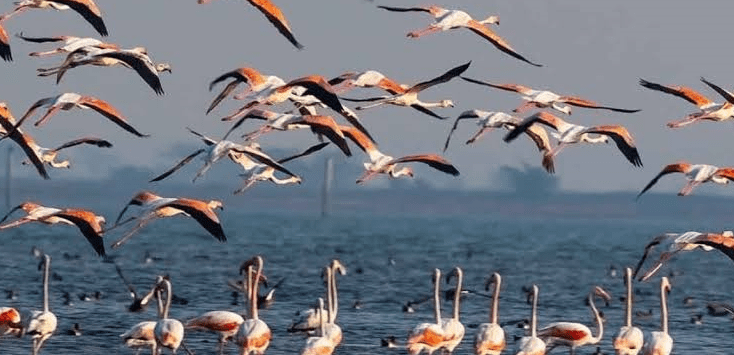
As a result, Seasonal Migration in Burundi features massive avian movements. It also includes localized mammal shifts driven by rainfall.
Burundi experiences two distinct dry seasons. It also experiences two separate rainy periods every single year. Food and water availability fluctuate continuously between these seasons. Consequently, wildlife must adapt and move to survive.
Palearctic Migrants: Millions of birds fly from Europe and Asia to escape harsh winters.
Intra-African Migrants: Regional birds move across the continent following local rain cycles.
Localized Mammal Shifts: Large mammals move between savannah and water sources as rivers change.
Understanding these cycles helps you plan your trip perfectly. You will know exactly which national parks to visit each month. This strategic planning ensures a highly successful and deeply rewarding wildlife viewing experience.
Mapping the Seasons: When to Visit Burundi
Timing your African safari correctly changes everything. Therefore, we have broken down the country’s climatic calendar below. This layout helps you track the Seasonal Migration in Burundi effortlessly.
| Time of Year | Climatic Season | Primary Wildlife Movement Highlight |
| June to September | Long Dry Season | Large mammals congregate around permanent rivers and lakes. |
| October to November | Short Rainy Season | Intra-African migratory birds arrive as the landscape turns green. |
| December to January | Short Dry Season | Resident wildlife moves to watering holes; primate tracking peaks. |
| February to May | Long Rainy Season | Palearctic migratory birds fill the wetlands; landscapes are lush. |
As the table shows, every season offers distinct advantages. The choice depends entirely on your specific wildlife interests. Let Feather Trail Safaris help you navigate these wonderful options.
The Avian Spectacle of Rusizi National Park
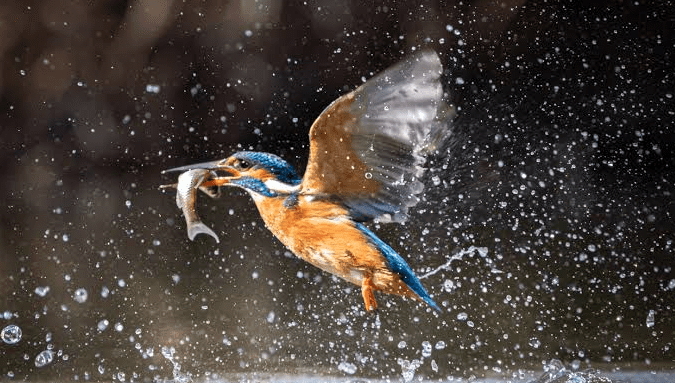
The undisputed crown jewel of Seasonal Migration in Burundi is the Rusizi River Delta. This pristine wetland area sits just outside the bustling city of Bujumbura. Crucially, it serves as a vital global refueling station for migratory birds.
Between October and March, the park transforms completely. The wetlands come alive with thousands of international avian visitors. They escape the freezing northern hemisphere winter to feed in these rich tropical marshes.
Our custom boat safaris offer the absolute best vantage point. You can drift quietly along the river channels to observe them. For a deeper look at these water tours, read our guide on Burundi River Cruises.
Palearctic Travelers in the Delta
During the European winter, Rusizi hosts incredible bird species. For example, look out for the elegant Eurasian bee-eater. You will see them catching insects swiftly in mid-air.
Furthermore, various species of sandpipers and plovers walk along the muddy shores. They feed heavily on the abundant small fish and insects.
The globally recognized BirdLife International classifies Rusizi as an Important Bird Area. This designation highlights the global significance of these seasonal wetlands. Protecting these pathways is essential for international biodiversity conservation.
Localized Movements of the Shoebill Stork
Additionally, lucky travelers might spot the legendary shoebill stork. These prehistoric-looking birds move locally within the region. They prefer the thick papyrus swamps of the delta.
They follow the rising and falling water levels to hunt lungfish. While sightings are rare, the seasonal wet months provide your greatest statistical chance.
Localized Mammal Movements in Ruvubu National Park
While birds dominate the skies, large mammals rule the eastern savannahs. Specifically, Ruvubu National Park offers excellent land-based wildlife viewing. This is the largest national park in the entire country.
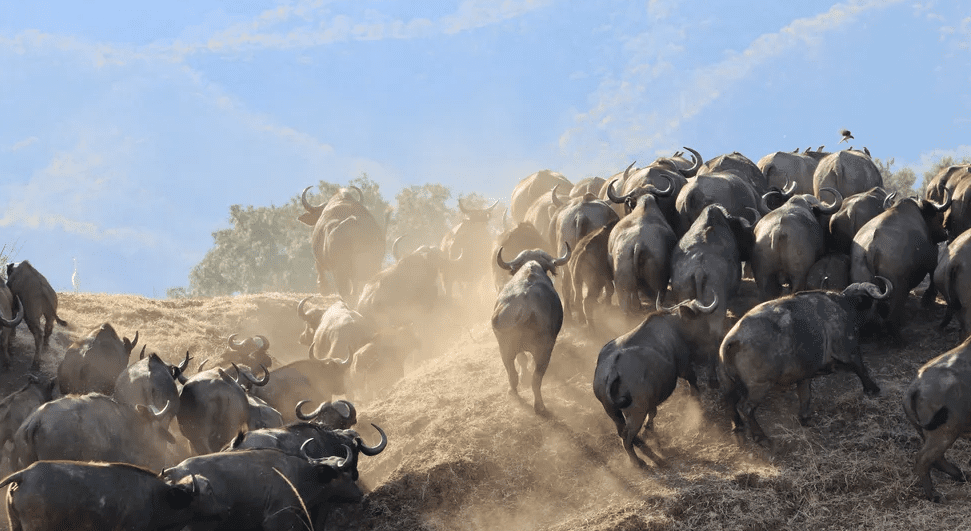
During the long dry season from June to September, the small streams dry up completely. Consequently, large herbivores must move toward the permanent Ruvubu River.
African Buffaloes: Massive herds gather along the riverbanks to drink and graze.
Hippopotamuses: Pods pack tightly into the remaining deep pools of water.
Waterbucks and Duikers: These elegant antelopes feed cautiously near the forest edges.
This seasonal concentration makes wildlife viewing incredibly predictable. Our expert guides can easily locate the herds along the established water pathways.
Alternatively, the rainy season scatters the animals across the wide valley. The fresh green grass allows them to roam far from the main river. Therefore, the dry months remain the ultimate choice for classic savannah game drives.
Primate Tracking and Forest Shifts in Kibira
Away from the hot savannahs lie the misty, ancient montane rainforests of Kibira National Park. This highland sanctuary runs along the majestic Congo-Nile ridge. Kibira plays a unique role in the Seasonal Migration in Burundi.
The movements here are vertical rather than horizontal. Primates shift their feeding zones based on wild fruit ripening cycles.
Kibira is home to a significant population of endangered Eastern Chimpanzees. It also shelters large troops of striking Angolan colobus monkeys.
During the rainy season, the forest canopy produces an abundance of sweet fruits and fresh shoots. Consequently, the primates spend most of their time high up in the treetops. “The forest does not stay still. The animals rise and fall with the changing seasons of the trees.”
Conversely, the dry months force the chimpanzees to forage closer to the forest floor. They look for fallen nuts, roots, and insects.
This behavior makes the dry season ideal for trekking. For more information on primate tracking, explore our detailed Night Safari in Burundi blog post. Exploring the forest at different times of day reveals its complete lifecycle.
Essential Tips for Photography and Viewing
Capturing the beauty of seasonal wildlife requires excellent preparation. Therefore, we highly recommend packing the right gear for your trip.
Bring Telephoto Lenses: A lens of at least 300mm is essential for bird photography.
Use Waterproof Bags: Tropical downpours can happen quickly during the rainy shoulder months.
Pack High-Quality Binoculars: Binoculars help you scan distant riverbanks for shy, migrating animals.
Understand Light Conditions: The overcast skies of the wet season create beautiful, soft photographic light.
Our guides understand the needs of professional photographers. We position our vehicles and boats carefully to maximize your light angles. We ensure you get the perfect shot without disturbing the moving animals.
Connecting the Region: The Great East African Cycle
Burundi does not exist in an ecological vacuum. Instead, its seasonal shifts are connected to the wider East African ecosystem. For instance, many birds nesting in Burundi travel directly through neighboring countries.
To experience the full scale of these regional movements, consider booking our comprehensive 3-Day Burundi Safari. This tour bridges the aquatic beauty of Lake Tanganyika with the savannahs of Rusizi.
Furthermore, many of our clients choose to extend their holiday northward. For example, you can easily pair a Burundi trip with our legendary Uganda Safaris.
Uganda offers massive wildlife encounters in Queen Elizabeth National Park. Alternatively, you can add a world-class gorilla trekking Uganda package to your travel itinerary. Combining these destinations shows you the incredible diversity of the Albertine Rift.
Our Commitment to Sustainable Wildlife Tracking
At Feather Trail Safaris, we believe deeply in responsible ecotourism practices. Therefore, our tracking of the Seasonal Migration in Burundi follows strict conservation guidelines. We never crowd the animals during their delicate migratory journeys.
We work closely with the Burundian Office for Environmental Protection (OBPE). Our tours support local community-led conservation initiatives around the national parks.
By hiring local trackers, we provide sustainable income to forest communities. This economic support discourages poaching and habitat encroachment. Your journey with us actively helps preserve these ancient migration pathways.
How to Book Your Seasonal Safari
Are you ready to witness the natural rhythms of Burundi firsthand? Booking your custom journey with Feather Trail Safaris is incredibly straightforward.
Our team monitors seasonal wildlife movements continuously throughout the year. Consequently, we can advise you on the absolute best travel dates for your specific interests.
We take care of all your ground logistics, expert guiding, and park entry permits. Contact our travel experts today to begin planning your tailor-made African vacation!
The Last Word on Burundi’s Timeless Rhythms
In conclusion, Seasonal Migration in Burundi is a beautiful testament to the resilience of nature. It proves that this hidden gem is full of dynamic life and motion.
From the thousands of birds filling the Rusizi Delta to the buffalo herds tracking the Ruvubu River, the country offers deep rewards to patient travelers.
Do not settle for a generic, standard holiday package. Choose Feather Trail Safaris for your next big adventure. Let us introduce you to the timeless, beautiful rhythms of the Burundian wilderness. Your ultimate seasonal safari journey begins today!
This video offers an excellent overview of the regional landscapes and wildlife movements across the wider Albertine Rift valley: The Living Landscapes of East Africa