
Tea Plantations in Burundi: Agricultural Tours & Rural Culture
The rolling geometric landscapes, vibrant emerald hillsides, and mist-covered ridges of East Africa offer incredible alternatives to commercial paths. For modern experiential travelers, independent wildlife photographers, and heritage enthusiasts, this region represents a true frontier of authentic travel. From standing amidst endless green terraces to participating in historic harvesting traditions, the country delivers unforgettable journeys. However, because its premium estates are located along high-altitude mountain borders, organizing a route requires a strategic approach. Utilizing our comprehensive field overview, Tea Plantations in Burundi: Agricultural Tours & Rural Culture, is a vital first step. This guide ensures your vacation remains seamless, immersive, and perfectly managed from start to finish.
When organizing an East African safari, travelers often focus exclusively on dusty savannah game drives. In reality, moving between nearby destinations like Tanzania, Rwanda, or Uganda reveals vastly different economic and cultural biomes. While some adjacent countries feature mostly low-lying agricultural plains, Burundi operates within a dramatic, high-altitude volcanic mountain system. Consequently, the rugged topography is perfectly suited for producing some of the finest premium black teas in the world. Failing to include time on these mountain farms can lead to an incomplete travel experience. Before mapping out your journey, let’s establish a foundational geographical fact. These magnificent estates are located directly on the cool, misty edges of ancient equatorial rainforests. By analyzing the top agricultural walks and local customs, you can build your itinerary with absolute confidence. Let’s explore the essential rules, seasonal timelines, and transport dynamics that define an exceptional vacation.
The Geography of Burundi’s Cash Crop Highlands
To fully appreciate these sprawling green landscapes, you must look closely at the physical features that shape local travel.
The Volcanic Soils of the Congo-Nile Divide
The premier tea cultivation zones sit draped across the high slopes of the Albertine Rift system. Geographically, this rugged region features rich volcanic soil types that are highly acidic.
Subsequently, this specialized earth composition provides the perfect nutrients for camellia sinensis plants. The endless rows of low bushes wrap tightly around the contours of the steep mountainsides.
Consequently, the landscape looks like a giant, meticulously sculpted green carpet. Furthermore, these stunning geometric designs create a breathtaking backdrop for guests booking our Burundi Tours.
High Altitudes and Constant Mountain Mist
Notably, the high elevation plays a critical role in slowing the growth of the leaves. Therefore, this slow development allows the plants to concentrate complex, delicate flavors within the shoots.
The crisp mountain air remains comfortably cool throughout the entire day. Because of the proximity to Kibira forest, heavy afternoon mists regularly blanket the fields.
Navigating these steep, narrow plantation paths requires excellent balance and reliable local transport. Accordingly, we always integrate robust 4×4 safari land cruisers into our premium Primate Safaris.
Section 2: Teza Tea Estate – Walking the Emerald Paths
The ultimate agricultural experience within these highlands is exploring the historic, mist-shrouded fields of the Teza plantation.
Working Alongside the Local Plucking Teams
To start, your agricultural tour begins early at the bustling village weighing stations. Following that, your guide will lead you directly into the neatly trimmed fields.
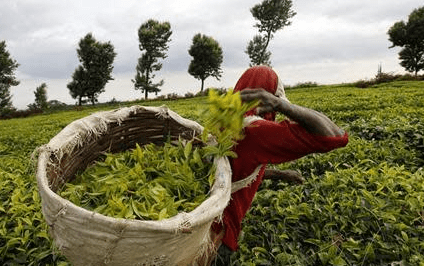
The estate employs hundreds of highly skilled local pluckers from the surrounding rural communities. Fortunately, these welcoming artisans are incredibly eager to share their ancient farming methods.
Eventually, you will learn how to harvest the delicate young shoots with rapid precision. Meanwhile, the cheerful sounds of singing pluckers echo beautifully across the valleys, a central highlight of our Cultural Tours.
Mastering the Two Leaves and a Bud Method
In addition to walking, you can try your hand at harvesting the fresh tea yourself. Specifically, your guide will demonstrate the precise “two leaves and a bud” plucking method.
On one hand, the repetitive motion looks incredibly simple when performed by an expert. On the other hand, achieving the required speed requires immense practice and focus.
Furthermore, your hand-picked leaves are tossed directly into traditional woven wicker baskets carried on the back. This tactile interaction connects you deeply to the land, an experience integrated into our East Africa Safaris.
The Rwegura Factory – From Field to Fine Cup
Moving north along the rainforest border brings you to the historic industrial heart of the local tea processing sector.
The Intricate Industrial Processing Line
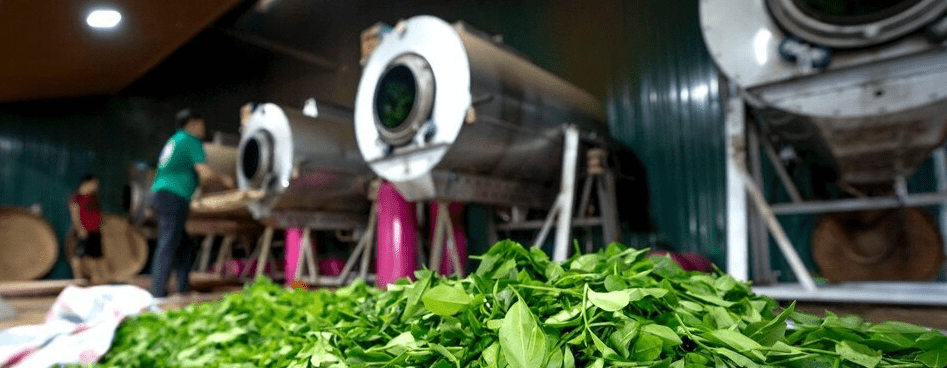
Crucially, visiting the Rwegura factory offers a fascinating look at traditional processing methods. Specifically, the raw green leaves are transported from the fields to the factory docks hourly.
Therefore, the air inside the historic facility smells intensely sweet, earthy, and complex. Fortunately, safety walkways allow visitors to observe the massive machinery spinning up close.
However, you must follow your guide’s footpaths carefully around the hot drying ovens. Consequently, these educational industrial tours are highly valued by travelers booking our luxury Rwanda Tours.
The Art of the Professional Cupping Session
On the factory floor, raw leaves are systematically transformed into fine black grains. However, the most exciting segment of the tour occurs inside the bright tasting laboratory.
You will sit down with master tea blenders for a professional cupping session. Specifically, you will learn to evaluate different export grades based on color, clarity, and aroma.
As a direct result, you learn to appreciate the immense effort behind every single cup. This sensory experience leaves travelers with a profound respect for the country’s dedicated farming communities.
Rural Culture & The Historic Tea Communities
A holiday across these high-altitude estates must include exploring the unique cultural heritage of the mountain villages.
Exploring Traditional Wicker Basket Weaving
Notably, the local tea economy has preserved several ancient craft traditions over the decades. Consequently, women in the villages are world-class experts at weaving traditional wicker baskets.
These durable, conical baskets are designed specifically to carry heavy loads of leaves down the steep hillsides. Subsequently, artisans utilize harvested river reeds and natural plant dyes to create intricate geometric patterns.
Therefore, purchasing a hand-woven basket directly from a village workshop is highly recommended. It provides a meaningful way to support the local economy during your journey.
The Rhythms of the Mountain Harvesting Songs
Furthermore, the rural culture remains deeply centered around music, storytelling, and cooperative community labor. Specifically, the pluckers utilize rhythmic call-and-response songs to maintain a steady pace during long shifts.
Subsequently, these beautiful vocal harmonies drift across the foggy valleys, creating an unforgettable auditory landscape. As a result, the vast fields feel like a living, breathing community stage.
Therefore, sitting quietly on a ridge to listen to these ancient songs is incredibly peaceful. We ensure these authentic cultural connections are carefully prioritized across all our custom travel packages.
Field Logistics, High Altitude Clothing, & Entry Rules
To ensure a safe, comfortable, and successful agricultural holiday, you must follow specific regional guidelines carefully.
Critical Travel Documentation and Regional Entry Rules
Before confirming your travel dates, ensure your visa paperwork and health cards are in order. Check current entry rules with the Burundi Immigration Authorities and Rwanda Immigration Services before arriving.
An international tourist visa must be secured prior to arrival. Additionally, immigration officers at border checkpoints strictly require a physical Yellow Fever International Certificate of Vaccination card.
Be mindful of environmental regulations: single-use plastic bags are strictly illegal across the region to protect local ecosystems. Any plastic bags will be confiscated at airport customs. Use reusable canvas dry bags to pack your gear instead.
The Essential High-Altitude Packing List
To start, preparing for mountain plantations requires selecting your clothing items with great care. Specifically, the weather along the high divide can shift from bright sunshine to cold mist rapidly.
Footwear: Sturdy, well-broken-in trail shoes or lightweight boots with deep rubber lugs are absolutely mandatory.
Layering: Pack a warm fleece sweater along with a lightweight, waterproof windbreaker jacket.
Sun Care: Bring high-factor sunscreen, polarized sunglasses, and a wide-brimmed hat for the intense mountain sun.
Hardware: Carry a compact umbrella, a reusable water bottle, and small monetary notes for buying fresh souvenirs.
Why Explore with Feather Trail Safaris
Coordinating a flawless holiday across East Africa involves balancing many precise operational pieces. Specifically, you must secure factory entry permits, lease reliable 4×4 vehicles, and manage complex mountain transits.
Attempting to arrange these complex logistics independently can easily lead to booking errors or dropped reservations. As a direct result, the team at Feather Trail Safaris specializes in organizing premium, thoroughly vetted regional tours.
We manage every single detail of your itinerary on your behalf from start to finish. Specifically, we cover your boutique estate lodge bookings, secure factory clearances, and provide comfortable transport.
Furthermore, we pair you with local driver-guides who understand the unique customs and languages of the hills. Our deep regional roots, direct partnerships, and unyielding commitment to guest safety ensure you enjoy a world-class, stress-free holiday.
Are you ready to design your perfectly timed African safari with expert support every step of the way? Which specific wildlife encounters or cultural landmarks are you most excited to include in your custom itinerary? Let us know, and our team will craft your tailored blueprint.
FAQ
What is the Tea Plantations in Burundi: Agricultural Tours & Rural Culture guide?
This official planning guide offers an expert evaluation of the country’s best tea estates, processing plant tours, village traditions, and essential travel logistics.
Which are the primary tea plantations available for tourists to visit?
The Teza and Rwegura estates are the most famous properties. Currently, both sit positioned right along the scenic edges of Kibira National Park.
Can visitors pick tea leaves alongside local farmers?
Yes, guided agricultural tours actively encourage guests to participate in the traditional harvesting process alongside local picking teams.
Why is the tea grown in Burundi considered to be of such high quality?
The exceptional quality stems from the local environment. Specifically, the combination of acidic volcanic soil, high altitudes, and heavy mist yields a premium flavor.
How far are the main tea estates from the capital city of Bujumbura?
The primary plantations near Teza sit roughly 50 kilometers away. Consequently, the scenic mountain drive requires about one and a half hours of travel time.
What should I wear on a walking tour through the tea fields?
Hikers must wear sturdy closed-toe walking shoes with solid grip. Additionally, packing a warm fleece layer for the cool mountain air is highly recommended.
Is a physical Yellow Fever vaccine certificate required to clear customs?
Yes, presenting a valid, physical Yellow Fever International Certificate of Vaccination card is a mandatory entry requirement checked by border officials.
How do I arrange an all-inclusive agro-tourism tour with private transport?
You can easily secure a custom, worry-free holiday with all lodging, private 4×4 transport, factory clearances, and driver-guides pre-arranged by submitting an inquiry through our website’s main contact form.