

Community Forests in Burundi: Reforestation & Eco-Tourism
The expanding green canopies, community-led woodland reserves, and restored biodiversity corridors of East Africa offer incredible alternatives to commercial routes. For modern experiential travelers, independent wildlife photographers, and heritage enthusiasts, this country represents a true frontier of authentic travel. From planting rare indigenous tree saplings to exploring community-managed buffer zones, the region delivers truly unforgettable journeys. However, because these pioneering eco-projects are located across remote rural hillsides, organizing your transit requires a strategic approach. Utilizing our comprehensive field overview, Community Forests in Burundi: Reforestation & Eco-Tourism, is a vital first step. This guide ensures your vacation remains seamless, immersive, and perfectly managed from start to finish.
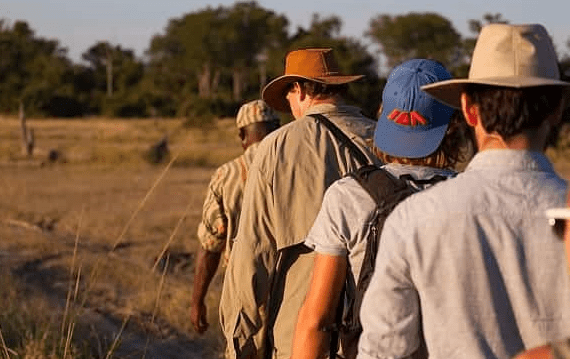
When organizing an East African safari, travelers often focus exclusively on standard savannah game drives. In reality, moving between nearby destinations like Tanzania, Rwanda, or Uganda reveals vastly different conservation models. While some adjacent nations rely heavily on strictly fenced national parks, Burundi operates several innovative, community-integrated woodland reserves. Consequently, the country successfully empowers local populations to protect and rebuild their own ancestral ecosystems. Failing to explore these grassroots projects means missing the most inspiring aspects of modern sustainability. Before mapping out your daily route, let’s establish an important environmental fact. These community-managed woodlands are expanding rapidly, forming vital safety buffers around vulnerable montane rainforest environments. By analyzing the best eco-trails and community nurseries, you can plan your vacation with absolute confidence. Let’s explore the essential rules, seasonal timelines, and grassroots dynamics that define an exceptional vacation.
The Grassroots Movement of Community-Led Forestry
To fully appreciate these expanding green spaces, you must look closely at the collaborative models shaping local travel.
The Shift Toward Local Environmental Custodianship
The landscape of the Albertine Rift hillsides has suffered from heavy agricultural pressure over the past decades. Geographically, the steep terrain requires dense root structures to prevent catastrophic topsoil erosion during rains.
Subsequently, local communities realized that protecting the remaining natural woodlands was absolutely critical for survival. They organized regional village cooperatives to ban illegal logging activities completely within their zones.
Consequently, these dedicated community groups have successfully reclaimed hundreds of acres of degraded hillsides. This inspiring shift toward direct custodianship provides a beautiful backdrop for guests booking our Burundi Tours.
Rebuilding Biodiversity Corridors for Wildlife
Notably, these newly restored community lands do not exist in total isolation from major parks. Therefore, cooperatives strategically plant native trees right along the boundaries of larger national reserves.
This smart strategy creates functional safety corridors for migrating wildlife populations. Because of these newly planted pathways, rare birds and primates can travel safely between disjointed forest fragments.
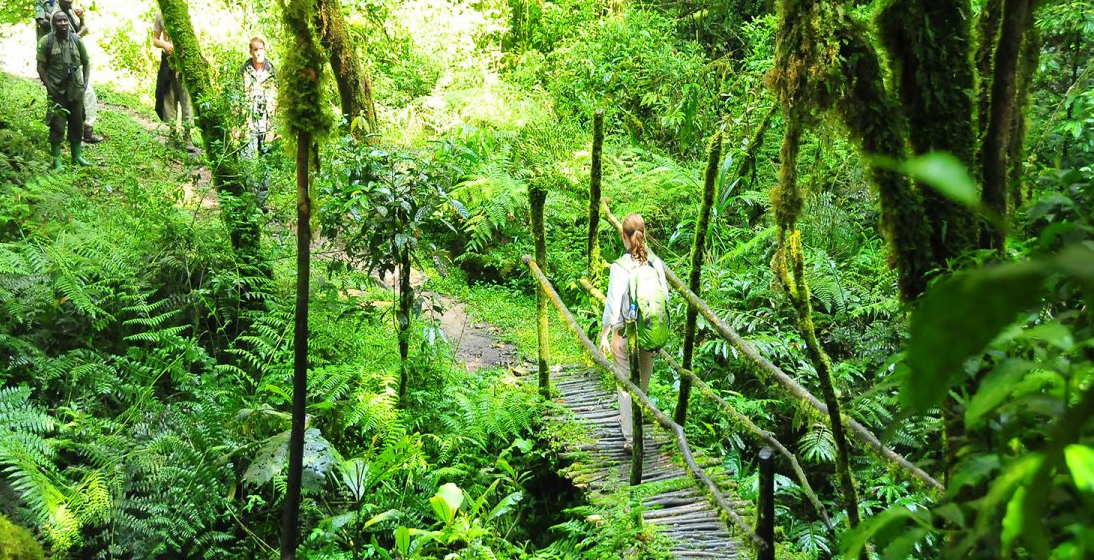
Exploring these rugged, newly forested slopes requires careful walking and navigating narrow dirt footpaths. Accordingly, we always integrate experienced village guides into our customized Primate Safaris.
Tree-Planting Safaris – Leaving a Living Legacy
The ultimate hands-on experience within these community reserves is participating directly in a native reforestation project.
Working Hand in Hand with Village Nurseries
To start, your volunteer planting excursion begins at a local village tree nursery. Following that, a resident botanist will introduce you to the young native saplings.
The community members carefully cultivate thousands of indigenous trees from wild-harvested forest seeds. Fortunately, these welcoming conservationists love teaching visitors about the unique medicinal properties of each tree species.
Eventually, you will help select a collection of robust saplings to carry out into the field. Meanwhile, you learn about the complex ecology of the mountain slopes, a major highlight of our Cultural Tours.
The Lasting Impact of Your Native Sapling
In addition to visiting the nursery, you will hike out to an active hillside restoration zone. Specifically, you will use traditional hand tools to prepare the rich volcanic soil for planting.
On one hand, the physical digging requires some steady effort under the tropical sun. On the other hand, placing a native mahogany sapling into the earth brings immense personal satisfaction.
Furthermore, the cooperative logs your name and the tree coordinates directly into their permanent forest ledger. This unique personal legacy connects you forever to the country, an experience featured on our East Africa Safaris.
Eco-Tourism Trails in the Kibira Buffer Zones
Moving along the high ridges brings you to the fascinating community eco-trails bordering the ancient rainforest.
Navigating the Vibrant Secondary Forests
Crucially, trekking through community buffer zones offers an intimate, slow-paced look at a recovering ecosystem. Specifically, these trails wind through lush patches of vibrant secondary growth forest.
Therefore, you will walk through beautiful wild fruit groves and towering stands of native bamboo. Fortunately, the local guides know exactly where to locate the most magnificent viewpoints.
However, these wilderness paths can become quite steep and slick after a sudden mountain mist. As a direct result, wearing dependable hiking footwear with deep traction is mandatory for safety on our Rwanda Tours.
Spotting Rare Birds in the New Canopies
On the open farmlands, viewing diverse wildlife species is quite rare. However, the rapidly maturing canopies of the community reserves are now teeming with colorful birdlife.
You will frequently spot the striking crimson wings of the Rwenzori Turaco flashing through the green leaves. Meanwhile, noisy flocks of black-and-white casqued hornbills feed peacefully on wild figs directly above the trail.
Consequently, these community-managed trails provide exceptional rewards for patient birdwatchers and independent nature photographers. Your modest site entry fees directly support the village scouts who guard these precious habitats daily.
Empowering Local Women Through Forest Craft Economies
Your sustainable travel itinerary should include a meaningful visit to the creative artisan workshops run by the forestry cooperatives.
Weaving Traditional Handicrafts from Forest Vines
Notably, the success of these community reserves relies entirely on creating alternative livelihoods for local families. Consequently, women’s artisan groups have developed beautiful, non-destructive craft businesses using sustainable forest materials.
They gather wild lianas, fallen bark, and native grasses from the managed buffer zones with great care. Subsequently, the artisans transform these raw fibers into gorgeous, tightly woven travel mats and traditional hats.
Therefore, visiting a village craft cooperative offers a wonderful opportunity to purchase highly authentic souvenirs. Your direct purchases provide vital financial independence for the female conservation leaders of the community.
Sustaining the Guardian Networks
Furthermore, a fixed percentage of all craft sales goes directly into a shared village conservation fund. Specifically, this money finances the daily patrols conducted by the community forest guardians.
Subsequently, these local scouts walk the boundaries to prevent illegal charcoal burning and wildlife poaching. As a result, every single traveler who buys a basket or mat actively funds field protection.
Therefore, linking rural art production with direct environmental safety is an incredibly elegant, successful model. We make sure these genuine community interactions are beautifully integrated into your custom itinerary.
Field Logistics, Green Travel Conduct, & Entry Rules
To ensure a safe, comfortable, and truly responsible green holiday, you must follow specific regional guidelines carefully.
Critical Travel Documentation and Regional Entry Rules
Before confirming your travel dates, ensure your visa paperwork and health cards are in order. Check current entry rules with the Burundi Immigration Authorities and Rwanda Immigration Services before arriving.
An international tourist visa must be secured prior to arrival. Additionally, immigration officers at border checkpoints strictly require a physical Yellow Fever International Certificate of Vaccination card.
Be deeply mindful of environmental regulations: single-use plastic bags are strictly illegal across the region to protect local ecosystems. Any plastic bags will be confiscated at airport customs. Use reusable canvas dry bags to pack your trekking gear instead.
The Code of Conduct for Sustainable Travelers
To start, exploring community lands requires a deep respect for local village customs and rules. Specifically, you are entering a living workspace managed entirely by rural families.
Photography: Always ask for polite permission before taking photos of community members or their homesteads.
Waste Management: Carry all your trash back to the city; never leave plastic wrappers or bottles behind.
Tipping: Tip your local village tracking guides generously, as this represents their primary professional income.
Purchasing: Avoid bargaining aggressively over hand-woven crafts; pay the fair asking price to support the community.
Why Explore the Canopies with Feather Trail Safaris
Coordinating a flawless sustainable holiday across East Africa involves balancing many precise operational pieces. Specifically, you must establish direct contact with rural cooperatives, arrange reliable unpaved 4×4 transport, and clear community permits.
Attempting to arrange these complex grassroots logistics independently can easily lead to communication gaps or missed field connections. As a direct result, the team at Feather Trail Safaris specializes in organizing premium, thoroughly vetted regional tours.
We manage every single detail of your itinerary on your behalf from start to finish. Specifically, we handle your eco-lodge bookings, secure local cooperative permissions, and provide immaculate custom transport.
Furthermore, we pair you with passionate local driver-guides who speak the regional languages and understand village protocols. Our deep regional roots, direct partnerships, and unyielding commitment to guest safety ensure you enjoy a world-class, stress-free holiday.
Are you ready to design your perfectly timed African safari with expert support every step of the way? Which specific wildlife encounters or cultural landmarks are you most excited to include in your custom itinerary? Let us know, and our team will craft your tailored blueprint.
FAQ
What is the Community Forests in Burundi: Reforestation & Eco-Tourism guide?
This official planning guide offers an expert evaluation of the country’s best community-managed woodland reserves, tree-planting volunteer safaris, and logistics.
Where are the primary community forests located?
The main community-managed woodland projects sit positioned right along the steep mountain buffer zones of Kibira National Park.
Can international travelers participate directly in tree planting?
Yes, our specialized eco-tours actively encourage guests to plant native tree saplings alongside the local village conservation teams.
How do eco-tourism entry fees directly benefit the local villages?
Your entry fees fund the daily salaries of the community forest guardians who protect the trees from illegal charcoal harvesting.
Are the community forest hiking trails difficult to navigate?
The single-track paths are moderately challenging and weave along steep slopes. Nevertheless, they are very manageable for anyone with a basic level of fitness.
When is the ideal season to plan a tree-planting volunteer safari?
The shoulder wet season from October to January is perfect. Subsequently, the steady rainfall guarantees the highest survival rates for young saplings.
Is a physical Yellow Fever vaccine certificate required at the border?
Yes, presenting a valid, physical Yellow Fever International Certificate of Vaccination card is a mandatory requirement checked by border health officials.
How do I arrange an all-inclusive eco-tourism package with local guides?
You can easily secure a custom, worry-free holiday with all lodging, private 4×4 transport, cooperative permits, and driver-guides pre-arranged by submitting an inquiry through our website’s main contact form.