
Burundi Northern Region vs. Southern Region: Where to Go
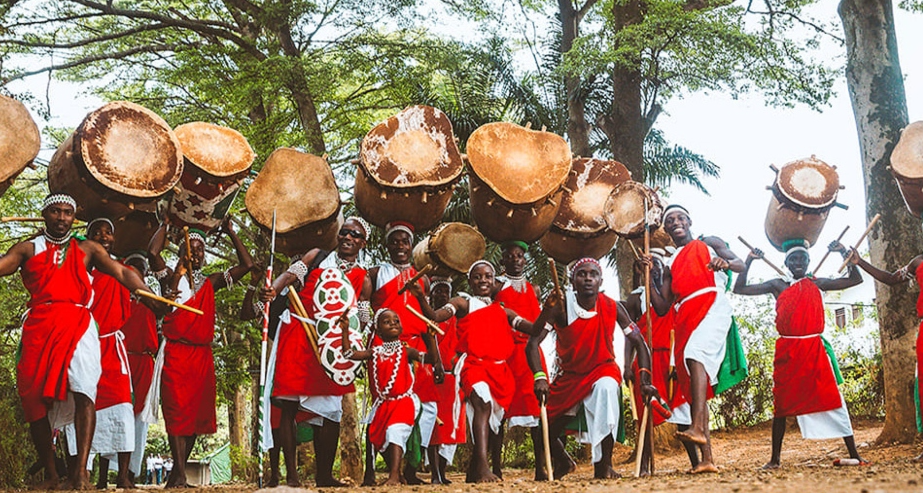
The dramatic landscapes of the Albertine Rift offer an incredible alternative to more commercialized travel routes. For modern independent explorers, wildlife photographers, and cultural heritage enthusiasts. This small East African nation represents one of the final true frontiers of authentic travel. From standing in awe before the legendary, synchronized rhythms of the Royal Drummers at Gishora. Plus tracking wild primates through ancient mountain cloud forests, the country delivers raw, unforgettable adventures. However, because its geographic highlights are split across two distinct environmental and cultural zones, planning your travel route requires a highly strategic approach. Reviewing our comprehensive geographic breakdown, Burundi Northern Region vs. Southern Region: Where to Go, is a vital first step to ensure your expedition remains seamless, well-balanced, and perfectly managed from start to finish.
When organizing an African safari, travelers often fall into the trap of assuming that small geographic countries can be easily explored in a single, unguided loop. In reality, moving between nearby destinations like Tanzania, Rwanda, or the Democratic Republic of the Congo reveals vastly different infrastructure realities, terrain challenges, and regional highlights. While some destinations feature flat, open savannahs where a single highway connects major attractions, Burundi features a rugged.
Mountainous topography where the northern provinces offer a totally different experience than the southern borderlands. Failing to understand these regional differences can leave you stuck on long, exhausting road transfers or missing the specific wildlife habitats you wanted to see. By exploring the unique landscapes, primate tracking windows. The historical highlights, and logistical timelines of both zones, you can build your custom itinerary with absolute confidence. Let’s look at the essential frameworks, distinct highlights, and physical realities that define an exceptional vacation in this beautiful country.
Section 1: The Northern Region – Misty Primates & Highland Tea Plantations
The northern provinces are characterized by high altitudes, cool mountain air, and dense, emerald-green vegetation. It is the premier destination for travelers seeking deep forest exploration and primate encounters.
Deep Forest Exploration in Kibira National Park
Dominating the high ridges of the Congolese-Nile crest, Kibira National Park stands as the crown jewel of the northern wilderness. This ancient montane rainforest is a crucial extension of Rwanda’s famous Nyungwe National Park, forming a massive transboundary forest ecosystem that shelters incredible biodiversity.
For travelers focused on our high-impact Primate Safaris, the north is the only zone where you can track wild, habituated troops of chimpanzees (Pan troglodytes).
As you hike off-trail with expert park rangers, you’ll cross rushing streams, navigate deep ravines, and look up into giant mahogany and ficus trees. Beyond chimpanzees, the northern canopy is home to large troops of striking owl-faced monkeys, black-and-white colobus monkeys, and over 200 distinct bird species, including the spectacular Great Blue Turaco.
The Scenic Horizons of Teza and Kayanza Tea Plantations
Surrounding the edges of the primary rainforest lies a stunning visual contrast: the sweeping, terraced tea estates of Teza and Kayanza. These vast fields of bright green tea bushes hug the contours of the rolling hills as far as the eye can see.
The cool, misty mountain climate creates the perfect conditions for growing high-quality, single-origin black tea. This is prized by brokers worldwide. Walking through these historic estates offers fantastic landscape photography opportunities, especially in the early morning when dense mountain mists hover over the valleys.
It provides an immersive look into the agricultural life of the region, an element we feature prominently in our specialized Cultural Tours.
Section 2: The Southern Region – Historic Waters, Waterfalls & Coastal Escapes
Heading south from the capital city of Bujumbura reveals a completely different landscape. The Southern Region drops into warmer, more tropical environments shaped by historic landmarks and spectacular water features.
Chasing the Cascades of Karera Waterfalls
Tucked deep within the hills of Rutana province in the southeast, the Karera Waterfalls are a spectacular natural wonder. This impressive site consists of four distinct, multi-tiered cascades that plunge dramatically over high stone cliffs surrounded by dense, tropical gallery forest.
The falls are connected by a network of well-maintained walking paths and rustic wooden footbridges. As you walk through the mist, you can stand safely at the base of the main Nyakai Falls. At this point, you marvel at the powerful torrents of Mwaro Falls, or relax in the peaceful, shaded pools above the cascades.
The lush vegetation and constant roar of the water make it a favorite destination for photographers and hikers on our custom Burundi Tours.
Stand at the Source of the Nile in Rutovu
For history buffs and geographic explorers, traveling to the southern highlands near Rutovu is a mandatory pilgrimage. Here, high up on Mount Kikizi, sits the southernmost Source of the Nile, discovered by European explorers seeking to solve the ancient mysteries of the world’s longest river system.
The true source is a clear, cold natural spring that flows out from the rocky hillside, trickling down into the Amazon and Nile basins. The historic site is marked by a classic stone pyramid monument, offering a great spot to pause and reflect on the epic era of early exploration.
It is a key historical highlight that pairs beautifully with multi-country East Africa Safaris.
Tropical Beach Relaxation Along Lake Tanganyika
After days spent hiking through muddy mountain forests or driving along rough roads. The southern coastline of Lake Tanganyika offers the perfect place to unwind. The shores stretching south toward Rumonge feature beautiful white-sand beaches, clear fresh water, and upscale lakeside resorts.
Here, you can spend warm afternoons swimming in the calm water, kayaking along the coast, or relaxing under a thatched umbrella with a cold beverage. The local beach bistros serve excellent, freshly caught Mukeke fish grilled over open charcoal fires, offering a wonderful mix of adventure and relaxation.
Section 3: Direct Regional Comparison Matrix
To help you decide which region best matches your personal travel style, review this detailed side-by-side comparison matrix:
| Feature / Dynamic | The Northern Region | The Southern Region |
| Primary Ecosystems | High-altitude montane cloud forest, volcanic ridges, alpine tea estates. | Tropical lake coastlines, deep river deltas, gallery forests, interior waterfalls. |
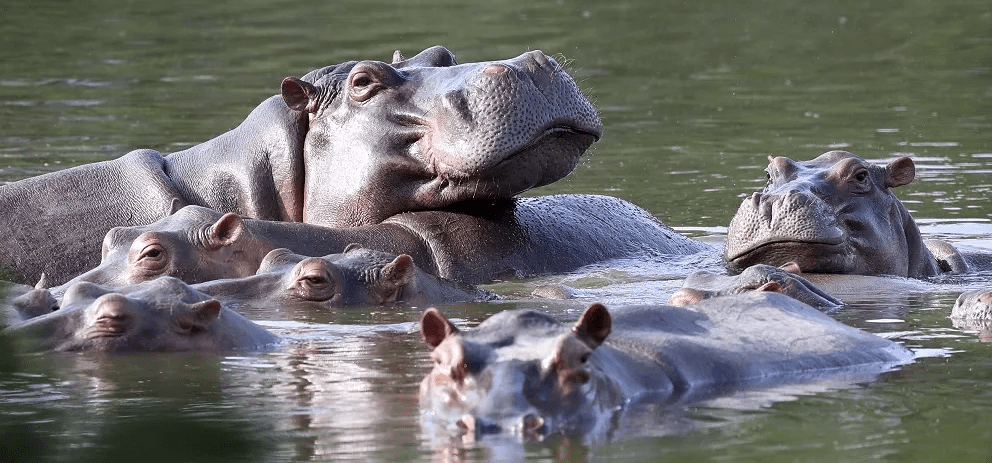
| Core Wildlife Highlights | Wild chimpanzees, colobus monkeys, montane endemics, rare cloud forest birds. | Pods of hippos, crocodiles, waterfowl, diverse fish species in Lake Tanganyika. |
| Top Travel Attractions | Kibira National Park, Teza Tea Estate, Kayanza market hubs, Ngozi volcanic lakes. | Karera Waterfalls, the Source of the Nile, Livingstone-Stanley Monument, Rumonge beaches. |
| Climate & Temperature | Cool, crisp, and mist-heavy morning mountain air (14°C to 22°C). | Warm, sunny, and humid tropical lake breezes (22°C to 29°C). |
| Ideal Traveler Style | Active hikers, primate lovers, landscape photographers, bird-watchers. | History enthusiasts, beach vacationers, slow travelers, family groups. |
| Best Booking Window | Peak dry months (June to September) to avoid muddy, slippery trails. | Open year-round; waterfalls are most impressive right after the rains (May or June). |
Navigating the Northern Highways
Traveling north from the capital city of Bujumbura follows the primary RN1 highway. This highway is a fully paved road that winds its way up the steep slopes of the Congolese-Nile crest. While the asphalt is generally in good condition, the route is full of sharp switchbacks, steep drops, and slow-moving trucks carrying tea and coffee harvests down to the port.
Because of the winding terrain, a 90-kilometer drive requires roughly two to two and a half hours of focused driving. A reliable, high-clearance 4×4 vehicle is essential for staying comfortable on these mountain passes.
Reaching the Southern Waterfalls
Traveling south toward Rumonge and looping inland toward Rutovu and Rutana follows scenic coastal roads. This route runs along Lake Tanganyika. Following this coastal stretch, travelers head up into the southern hills. Crucially, while the main coastal highway is smooth and easy to drive, the secondary tracks are different. Specifically, the trails leading directly to the Source of the Nile or the base of Karera Waterfalls are unpaved dirt paths.
During the rainy seasons, these rural tracks can become deeply rutted and muddy. Navigating them safely requires a heavy-duty safari land cruiser equipped with a low-gear range. In addition to an experienced driver-guide who knows how to handle slick clay trails, a professional standard included across our Rwanda Tours.
Section 5: Cross-Border Regulations & Field Compliance Guidelines
Before confirming your travel dates, ensure your plans comply with all official immigration guidelines and health rules.
Make sure your passport is valid for at least six months past your dates of travel. Check all entry guidelines with the Burundi Immigration Authorities and Rwanda Immigration Services before arriving. Remember that immigration officers at all border entry checkpoints strictly require all international travelers to present a valid physical Yellow Fever International Certificate of Vaccination card.
Additionally, be mindful of environmental regulations: the country enforces a strict ban on single-use plastic bags to protect its natural ecosystems. All plastic bags will be confiscated at the airport customs counter, so utilize reusable canvas dry bags for packing your gear instead.
Why Book Your Safari with Feather Trail Safaris
Coordinating a flawless holiday across East Africa involves balancing many precise operational pieces. This is right from securing date-specific primate tracking permits and leasing immaculate 4×4 vehicles to managing local currency exchanges and navigating shifting seasonal weather patterns. Attempting to arrange these complex logistics independently can easily lead to booking errors, dropped reservations, or unexpected field delays.
At Feather Trail Safaris, we specialize in organizing premium, thoroughly vetted regional tours. We manage every single detail of your itinerary on your behalf, from securing your hard-to-get tracking permits to booking premium boutique hotels, providing reliable 4×4 land cruisers, and matching you with top local guides who understand the seasonal movements of wildlife. Our deep regional roots, direct partnerships, and unyielding commitment to guest safety ensure you enjoy a world-class, stress-free holiday.
Are you ready to design your perfectly timed African safari with expert support every step of the way? Which specific wildlife encounters or cultural landmarks are you most excited to include in your custom itinerary? Let us know, and our team will craft your tailored blueprint.
FAQ
What is the Burundi Northern Region vs. Southern Region: Where to Go guide?
This official geographic comparison guide offers an expert evaluation of the unique environments, key wildlife encounters, travel attractions, and road conditions found across the northern and southern halves of the country.
Which region should I visit if I want to track chimpanzees?
You should focus your trip on the Northern Region. Kibira National Park, located along the high volcanic ridges of the north, is the primary destination for tracking wild, habituated chimpanzee troops.
What are the main tourist attractions in the Southern Region?
The Southern Region features iconic water and historic landmarks, including the multi-tiered Karera Waterfalls, the southernmost Source of the Nile at Rutovu, the Livingstone-Stanley Monument, and the beach resorts along Lake Tanganyika.
How does the weather differ between the north and south?
The Northern Region features higher altitudes, bringing a cool, crisp, and mist-heavy mountain climate. The Southern Region sits at a lower elevation along the lake, offering warm, sunny, and tropical breezes.
Are the roads easy to travel for independent drivers?
The main highways connecting major towns are fully paved and well-maintained. However, while the main highways are smooth, secondary tracks leading directly to spots like the Source of the Nile or Kibira National Park are unpaved dirt trails that turn muddy in the rain; consequently, a rugged 4×4 vehicle and a local guide are highly recommended.
Can I see both regions in a single 7-day trip?
Yes, a 7-day trip is the perfect amount of time to combine both zones. Initially, you can spend your first few days tracking primates and visiting tea estates in the north, before subsequently traveling south through Gitega in order to explore the waterfalls and beaches.
Is a Yellow Fever vaccination card required at the border?
Yes, presenting a valid, physical Yellow Fever International Certificate of Vaccination card is a mandatory entry requirement checked by immigration officers at all ports of entry.
How do I book a custom trip that covers both regions seamlessly?
You can easily secure a custom, worry-free safari with all lodging, private 4×4 transport, driver-guides, and park permits pre-arranged by submitting an inquiry through our website’s main contact form.