
Rwanda-Burundi Cultural Triangle: Complete Village Tourism Itinerary
Immersing yourself in the living heritage of East Africa reveals a side of the continent that goes far beyond traditional wildlife safaris. While majestic landscapes and gorilla tracking draw millions of global travelers annually, the true heartbeat of this equatorial region resides within its welcoming rural communities. Designing an itinerary around the Rwanda-Burundi Cultural Triangle offers an unparalleled window into ancient traditions, artistic heritage, and grassroots sustainable development. This specialized route allows conscious travelers to actively engage with local families, learn ancestral skills, and see firsthand how responsible tourism preserves indigenous history.
Focusing your travel goals around local interactions fosters deep cross-cultural understanding while ensuring your tourism dollars directly support community-led economic development. The shared histories, linguistic roots, and subtle differences between Rwandan and Burundian traditions create a fascinating narrative for cultural enthusiasts. By exploring this custom-curated overland pathway, you will step off the well-worn safari tracks and enter a vibrant space where ancient drumbeats, artistic weaving, and sustainable farming shape daily life. Let’s explore the ultimate community-centric travel plan through the heart of East Africa.
Why Choose a Village Tourism Itinerary?
Modern global travelers increasingly seek profound authenticity over superficial sightseeing. Community-based village tourism shifts the focus from passive observation to active participation. Instead of viewing rural life through a vehicle window, travelers walk side-by-side with local residents, supporting livelihoods directly at the grassroots level.
Choosing a rural-focused exploration path within the Rwanda-Burundi Cultural Triangle offers immediate social and ecological benefits. It provides vital funding for community healthcare, clean water projects, and primary education initiatives. Furthermore, giving monetary value to ancestral practices directly encourages younger generations to protect their intangible cultural heritage. This form of regenerative travel creates a beautiful dynamic where hosts proudly share their heritage, and visitors leave with unforgettable, deeply human memories.
Understanding the Rwanda-Burundi Cultural Triangle Geography
The concept of the cultural triangle connects distinct geographical and historical centers across Southern Rwanda and Northern and Central Burundi. These locations historically served as centers for royal courts, sacred artistic practices, and regional trade.
The Ultimate 10-Day Cultural Triangle Itinerary Map
This strategic, day-by-day blueprint is designed to optimize road travel times, ensure seamless international border crossings, and provide ample time for immersive, unhurried community encounters.
Day 1–3: The Northern Vertex – Huye and Nyanza (Rwanda)
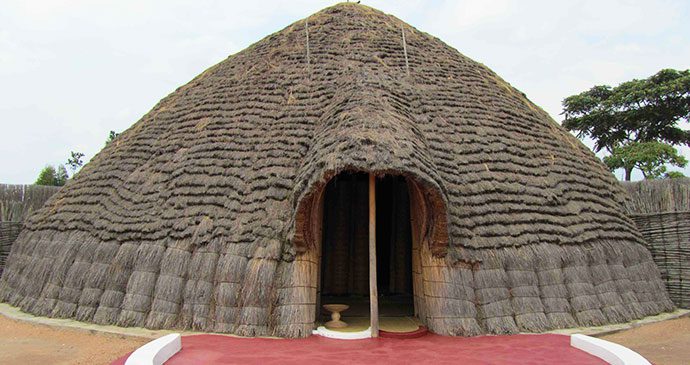
Your journey begins in Rwanda’s clean and vibrant capital city, Kigali. After a morning briefing, you will travel south toward Nyanza, the historical seat of the ancient Rwandan kingdom. Here, you will tour the King’s Palace Museum, a reconstruction of the traditional royal residence.
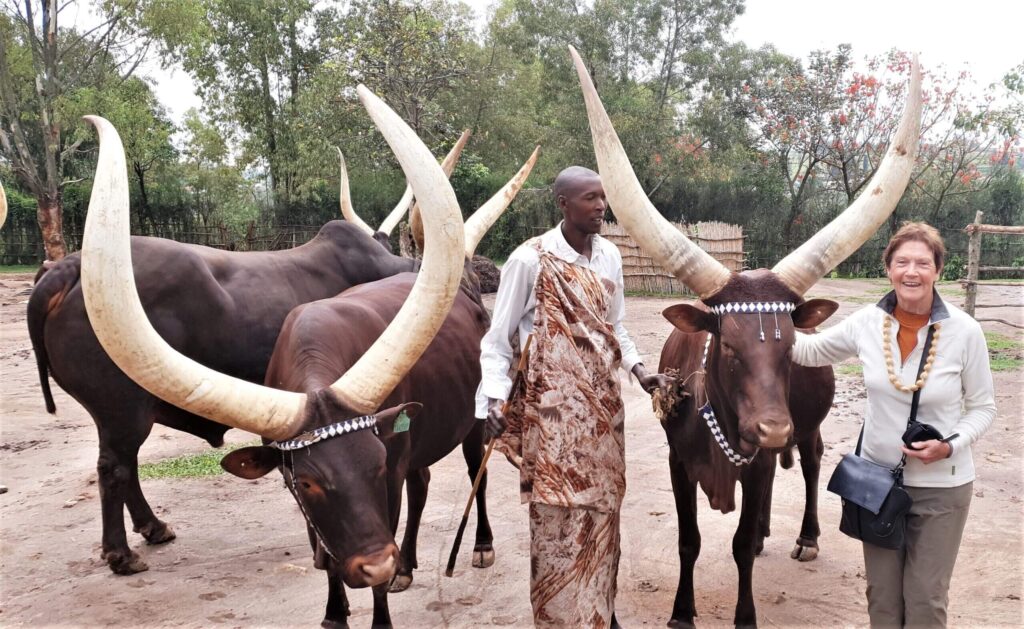
Interact with the traditional keepers of the Inyambo, the long-horned royal cattle, who sing melodic poems to the animals to soothe them. This site offers an indispensable look at the pastoral roots of Rwandan culture before you continue further south to Huye. In Huye, you will explore the rich collections of the Ethnographic Museum and join a local women’s basket-weaving cooperative to learn the intricate art of crafting Agaseke peace baskets. These early days form the baseline of your immersive Rwanda Tours.
Day 4–5: Crossing the Frontier into Ngozi (Burundi)
Bid farewell to Rwanda as you complete exit procedures and embark on your overland journey across the frontier. After completing your immigration checks, you will drive through the rolling green hills of Ngozi Province. This region is famous for its intensive coffee cultivation and deep-rooted agricultural traditions.
Spend a full day participating in the daily rhythm of rural Burundian life. Join local farmers in the fields to learn about ancestral harvesting techniques and the delicate process of washing and roasting beans over an open flame. Later, visit a traditional pottery workshop run by indigenous Batwa artisans to try your hand at shaping functional clay vessels.
Day 6–8: The Rhythm Capital – Gitega and Gishora (Burundi)
Travel south through winding mountain passes to Gitega, the official political capital of Burundi. Gitega is rich with colonial history and traditional administrative significance. You will visit the National Museum of Gitega to view historical royal artifacts and ethnographic collections.
The highlight of this segment is a private excursion to the spectacular Gishora Drum Sanctuary. The Royal Drummers of Burundi offer an unforgettable performance that combines synchronized rhythm, physical theater, and joyful dance. Following the formal performance, you will have the unique opportunity to step behind the sacred drums, learning the core rhythms directly from master percussionists. This experience stands out as a core memory on our signature Burundi Tours.
Day 9–10: Lakeside Heritage – Bujumbura Rural District
Descend from the central highlands toward the tropical plains bordering the Great Rift Valley. Stop in the scenic rural communities nestled along the outer edges of Rusizi National Park. Here, village life adapts to the unique river and lake ecosystems.
Take a gentle late-afternoon boat excursion managed by local community fishers to spot pods of resident hippos and diverse waterbirds. Spend your final morning shopping for authentic, ethically sourced handicrafts at a community cooperative market before catching your departure flight from Bujumbura.
Authentic Village Experiences in Rwanda
To truly appreciate the northern vertex of the Rwanda-Burundi Cultural Triangle, travelers should seek out specific community-based encounters that emphasize connection and shared experience. These interactions bring depth to traditional Cultural Tours, revealing the daily resilience of the local people.
Traditional Culinary Workshops: Discover the complex layers of rural East African cooking by preparing traditional dishes from scratch. You will gather fresh ingredients directly from family plots, grind cassava root using heavy wooden mortars, and cook over traditional clay stoves.
Agaseke Basket Weaving: These beautiful, pointed baskets are profound symbols of peace, reconciliation, and sisterhood in Rwandan society. Sitting in a circle with master weavers offers a wonderful space to hear personal stories of resilience and community growth.
Traditional Agriculture: Experience the physical dedication required to manage high-altitude terraced farms. Try your hand at preparing soil, planting seasonal crops, or learning about traditional pest management methods alongside local smallholders.
Deep Cultural Roots of Burundi
Crossing the border south into Burundi introduces you to a culture with a powerful artistic identity centered around music, movement, and performance. This represents a distinct evolution in your overarching Rwanda Burundi cultural safari.
The ancient kingdom of Burundi utilized drums not merely as simple musical instruments. This is a sacred physical manifestations of royal power and cosmic order. At sites like Gishora, the drums are carved from rare, protected tree species and named after historical queens and cultural concepts. The energetic performance style, where drummers take turns dancing dynamically in the center of a circular formation, is an emotionally captivating experience that beautifully reflects the core vitality of the country.
Essential Travel Logistics & Border Information
Executing a seamless cross-border safari requires a clear understanding of regional entry guidelines, health protocols, and transport rules. Planning ahead prevents unnecessary delays at remote outposts.
When navigating the land border posts between Southern Rwanda and Northern Burundi, ensure your documents are prepared according to Rwanda Immigration Services and Burundi Immigration Authorities. Your Yellow Fever immunization card must be easily accessible, as health officials inspect it before you reach the immigration windows. Working with an experienced tour provider ensures that all necessary vehicle cross-border insurance policies and temporary import permits are fully arranged well in advance.
Best Time to Embark on this Cultural Circuit
While cultural travel remains rewarding year-round, timing your itinerary around regional weather cycles can greatly enhance your overall comfort. The roads linking rural communities are highly sensitive to seasonal precipitation.
The long dry season, spanning from June to September, is universally considered the ideal time for an overland expedition. During these months, rural unpaved roads remain firm and easily passable, and outdoor community festivals are common. The shorter dry window from December to February is another excellent option. Traveling during the heavier rainy season (April and May) can make remote village tracks muddy, but it offers a spectacularly lush, green landscape that photographers will love.
Preserving Intangible Heritage Through Sustainable Tourism
When you participate in a village tourism itinerary managed by responsible operators, you become an active partner in vital cultural preservation. Sustainable travel practices ensure that ancient traditions are viewed with dignity rather than commercial exploitation. Regional guidelines established by the East African Community and the Rwanda Development Board emphasize community inclusion as a pillar of future conservation strategies.
Feather Trail Safaris designs community visits around the values of mutual respect and long-term economic transparency. We ensure that host communities retain full control over how their traditions are presented and that financial profits are distributed fairly. This collaborative approach protects delicate cultural heritages, keeping them vibrant and authentic for generations to come. It ensures that travelers coming for Gorilla Trekking Tours can easily extend their stay to support meaningful human development.
Safety and Etiquette in Rural Communities
Following proper community etiquette ensures that cross-cultural exchanges remain positive and respectful for both visitors and hosts. Rural communities are incredibly welcoming, provided guests respect local boundaries.
Requesting Permission for Photography: Always ask for clear permission before taking photos of local residents, homes, or workspaces. A simple request demonstrates respect and often sparks a friendly conversation.
Modest Dress Codes: Rural communities in East Africa lean conservative regarding dress. Travelers should wear modest clothing that covers shoulders and knees when visiting villages or sacred sites.
Working with Local Guides: Always explore rural areas alongside a certified local guide. They provide invaluable cultural context, translate local dialects seamlessly, and ensure you follow important community norms.
Why Book Your Cultural Safari with Feather Trail Safaris
Crafting a complex cross-border itinerary that prioritizes remote community interactions requires deep regional expertise and trusted local relationships. Trying to arrange these delicate village connections independently can lead to logistical confusion.
At Feather Trail Safaris, we pride ourselves on maintaining close partnerships with rural communities across the Rwanda-Burundi Cultural Triangle. Our professional guides are fluent in regional languages and intimately familiar with local customs, ensuring you enjoy authentic, seamless encounters. We manage every detail of your transportation, entry logistics, and ethical lodging, allowing you to immerse yourself completely in the wonderful heritage of East Africa.
Ready to experience the authentic warmth of Rwanda and Burundi? Contact Us today to craft your personalized cultural itinerary.