
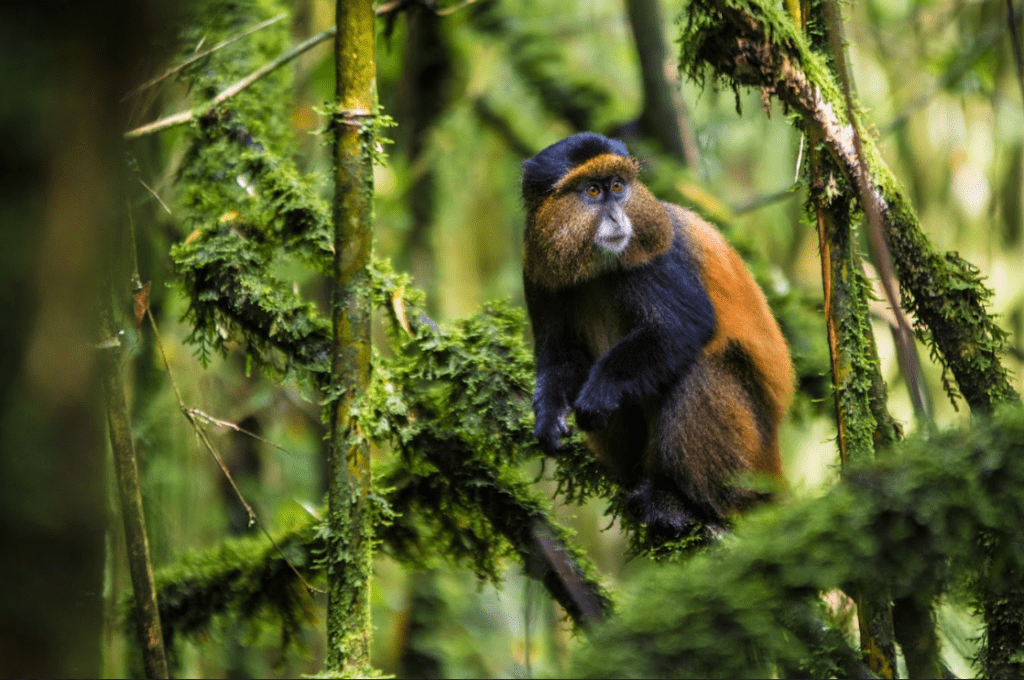
How to Plan a Rwanda Trip Under $2,000 (Budget Travel Guide)
When I first started thinking about traveling to Rwanda, I’ll admit, I almost gave up before I even began.
Everywhere I looked, the numbers seemed intimidating. Gorilla trekking permits alone cost $1,500. Luxury lodges looked stunning, but far beyond what most travelers would consider affordable. The word “Rwanda safari” was often paired with words like premium, exclusive, and high-end.
And yet, something about Rwanda kept pulling me back.
It wasn’t just the famous gorillas or the rolling green hills. It was the idea that this was a country with depth, culture, wildlife, history, and people, offering something far more meaningful than just a luxury getaway.
So I asked myself a simple but important question:
Is it actually possible to plan a Rwanda trip under $2,000 without sacrificing the experience?
The answer is yes, but only if you approach it thoughtfully.
This isn’t about cutting corners or settling for less. It’s about making intentional choices, understanding where your money goes, and designing a trip that prioritizes what truly matters.
If you’re wondering how to plan a Rwanda trip under $2,000, let me walk you through it—not as a checklist, but as a real, practical journey.
Rethinking What “Budget Travel” Means in Rwanda
The first shift I had to make was mental.
Budget travel in Rwanda doesn’t mean the same thing as budget travel in other destinations. You’re not going to find ultra-cheap backpacker prices across every aspect of your trip, and that’s okay.
Rwanda is known for its quality, its safety, and its commitment to sustainable tourism. That means even budget options tend to maintain a certain standard.
What you’re really doing is not trying to make Rwanda “cheap”, you’re learning how to make it efficient.
Once I understood that, everything became clearer.
Understanding Where Your Money Will Go
Before planning anything, I took time to understand the cost structure.
There are four main areas that will shape your budget:
- Accommodation
- Transport
- Activities
- Meals and daily expenses
And then there’s one major factor that changes everything: gorilla trekking.
If you include gorilla trekking in Volcanoes National Park, your $2,000 budget is essentially gone before you even begin.
So the first decision you must make is this:
Is this trip about gorillas, or about Rwanda as a whole?
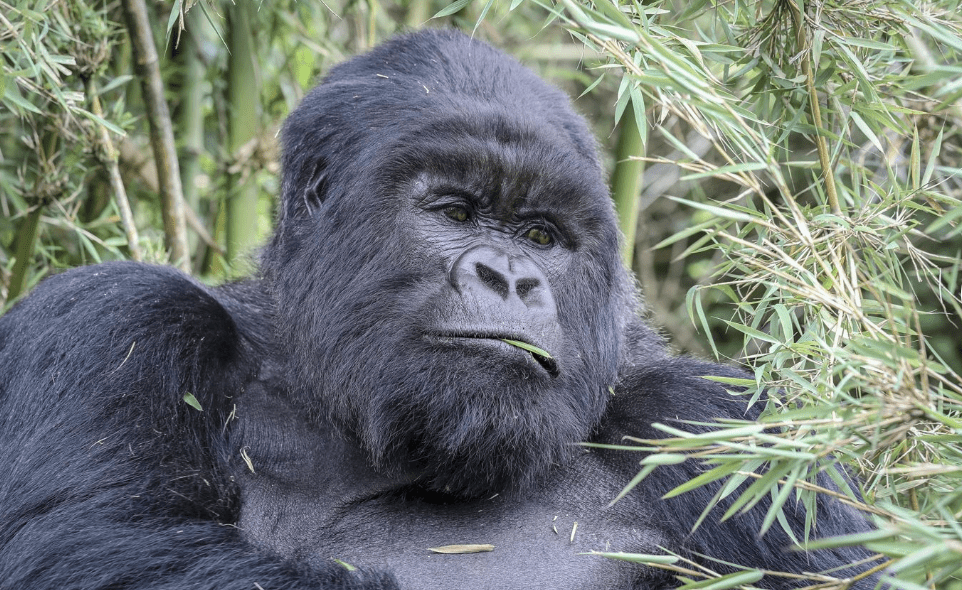
For me, I chose to experience Rwanda first, fully and affordably, and leave gorilla trekking for another dedicated trip.
That decision alone made the entire budget realistic.
Designing a Trip That Fits the Budget
Once I accepted that I wouldn’t include gorilla trekking, I began to see just how much Rwanda still had to offer.
The key was to build a trip that felt complete, not like something was missing.
That meant choosing destinations carefully.
Experiencing Wildlife Without the High Cost
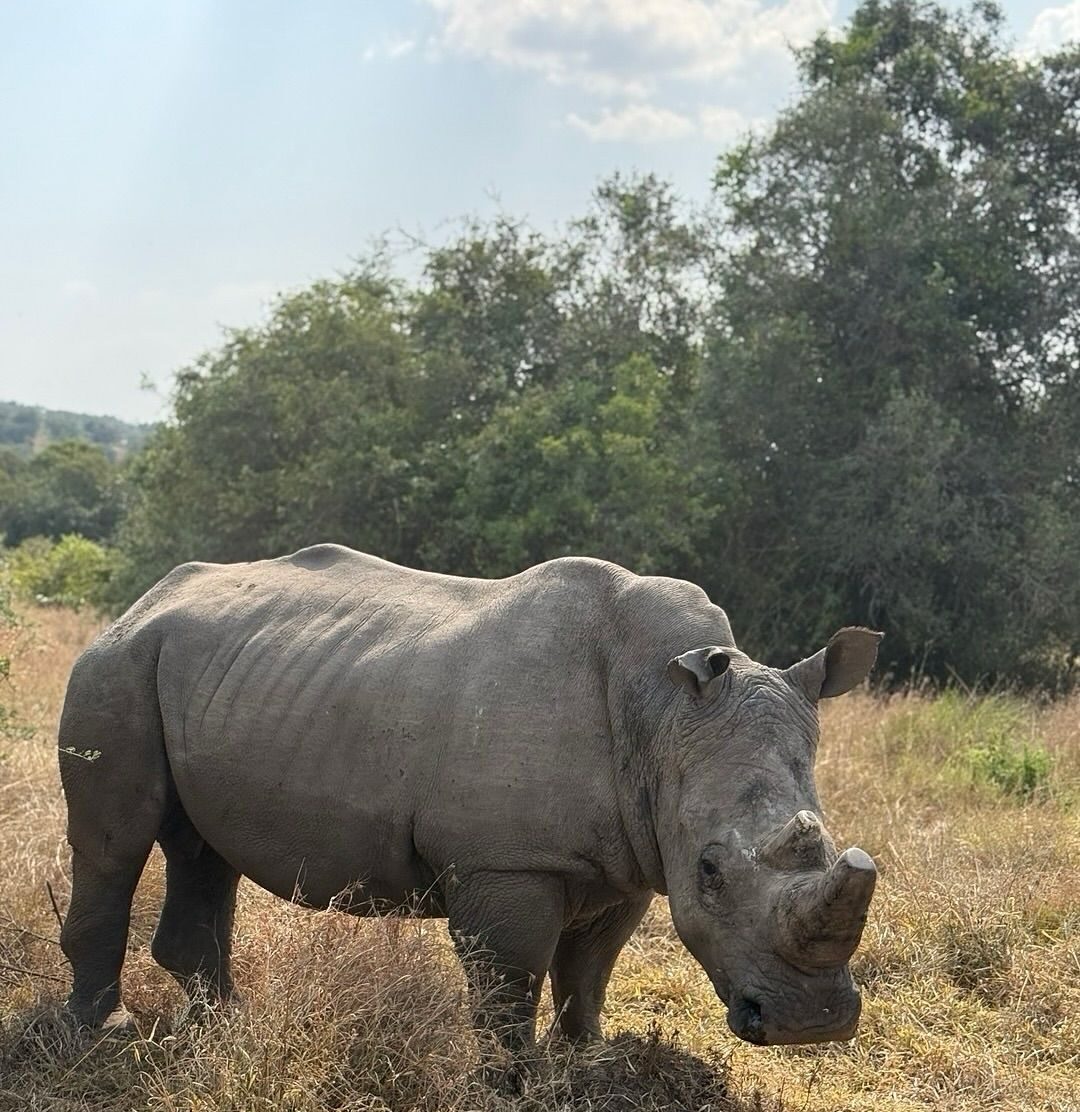
I remember arriving in Akagera National Park and feeling like I had made the right decision.
This is Rwanda’s savannah park, and it offers everything you imagine when you think of a safari—wide landscapes, wildlife roaming freely, and that quiet sense of being immersed in nature.
But unlike gorilla trekking, it’s accessible.
Game drives here are not rushed. You sit in the vehicle, scanning the horizon, noticing movement, learning to be patient. And then suddenly, you see it, an elephant crossing slowly, a giraffe stretching toward the trees, or a herd moving together across the plains.
There’s something incredibly grounding about it.
And the best part? It fits comfortably within your budget.
Adding a boat safari here changes the experience even more. The water brings a different kind of life—hippos, birds, and animals gathering along the shoreline.
It’s calm, steady, and surprisingly rich.
At that moment, I realized something important:
You don’t need to spend more to feel more.
Finding Depth in Rwanda’s Forests
From the savannah, I shifted to something completely different, the forests of Nyungwe Forest National Park.
If Akagera feels open and expansive, Nyungwe feels intimate and alive.
The air is cooler, the trees taller, and the sounds more subtle. Instead of scanning wide landscapes, you begin to notice details—movement in the trees, calls echoing through the forest, the feeling of being surrounded by nature rather than observing it from a distance.
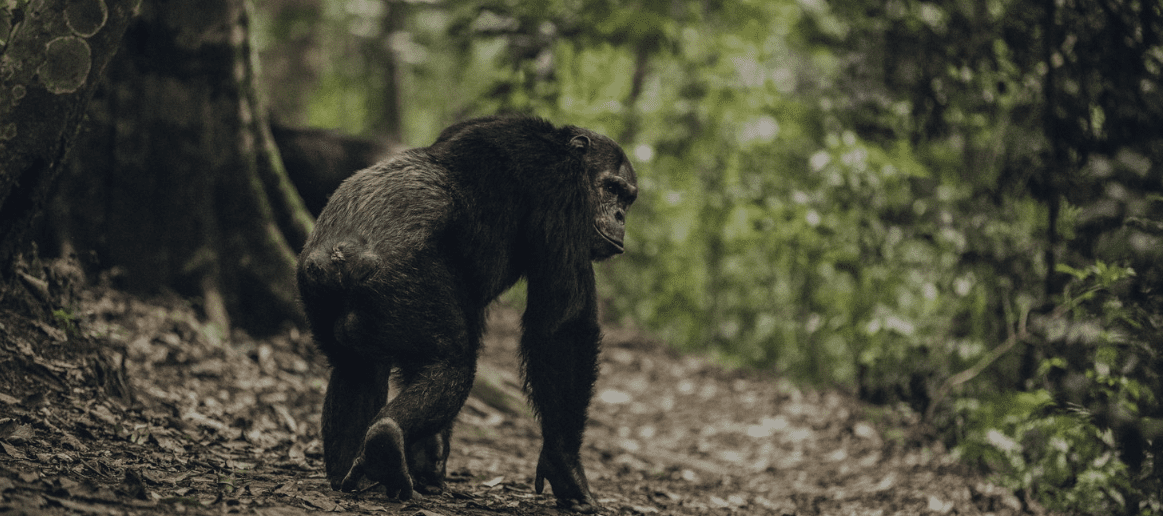
Chimpanzee trekking here offers an incredible alternative to gorilla trekking. It’s more affordable, but just as engaging in its own way.
Tracking chimpanzees is faster, more dynamic. They move quickly, they communicate, they react.
It’s not about standing still and observing, it’s about following, listening, and being present.
And then there’s the canopy walk.
Walking above the forest floor, looking out over layers of green stretching into the distance, you begin to see Rwanda from a completely different perspective.
It’s not just a place you visit, it’s a place you feel.
Slowing Down in Kigali
At some point in the trip, I found myself back in Kigali, and I’m glad I didn’t rush through it.
Kigali is not chaotic or overwhelming like many capitals. It’s calm, organized, and surprisingly reflective.
Spending time here gave the trip balance.
I visited local markets, walked through neighborhoods, and took time to understand the country beyond its landscapes.
The Kigali Genocide Memorial, in particular, is something that stays with you. It adds context, depth, and meaning to everything else you experience in Rwanda.
And importantly, it doesn’t stretch your budget.
Where You Stay Matters More Than You Think
One of the biggest lessons I learned is that accommodation is not just about price, it’s about experience.
You don’t need luxury lodges to enjoy Rwanda, but you do need places that feel comfortable, welcoming, and well-located.
Mid-range lodges and guesthouses often offer exactly that.
They provide:
- Clean, comfortable rooms
- Good food
- Friendly service
- Proximity to key attractions
And they allow you to stay within budget without feeling like you’re compromising.
The Hidden Cost of Transport (And How to Manage It)
Transport is where many budgets quietly go off track.
Distances in Rwanda are not huge, but the terrain and road conditions mean travel takes time. Private vehicles offer convenience, but they come at a cost.
To manage this, I focused on efficiency.
I planned routes that made sense geographically. I avoided unnecessary back-and-forth travel. And where possible, I explored shared options.
This is also where working with a knowledgeable operator makes a difference.
Sometimes, what looks cheaper on paper ends up costing more in time, stress, and missed opportunities.
Timing Your Trip for Better Value
Another factor that helped me stay within budget was timing.
Traveling during peak seasons can increase costs across accommodation and services.
But Rwanda is a year-round destination.
By choosing a shoulder season, I found that:
- Prices were slightly lower
- Availability was better
- The experience was less crowded
And honestly, it didn’t take away from the experience at all.
The Balance Between Budget and Experience
At one point during the trip, I sat quietly, watching the landscape stretch out in front of me, and I realized something simple:
This didn’t feel like a “budget trip.”
It felt complete.
It had wildlife, nature, culture, reflection, and moments of connection.
And that’s the goal.
Planning how to plan a Rwanda trip under $2,000 is not about limiting yourself, it’s about focusing on what truly matters.
Lastly, Rwanda Is More Accessible Than You Think
If you’ve been hesitating because you think Rwanda is out of your budget, take a step back and reconsider.
Yes, it can be expensive, but it doesn’t have to be.
With the right choices, the right expectations, and a thoughtful approach, you can experience Rwanda in a way that is rich, meaningful, and entirely within reach.
Plan Your Rwanda Trip with Feather Trail Safaris
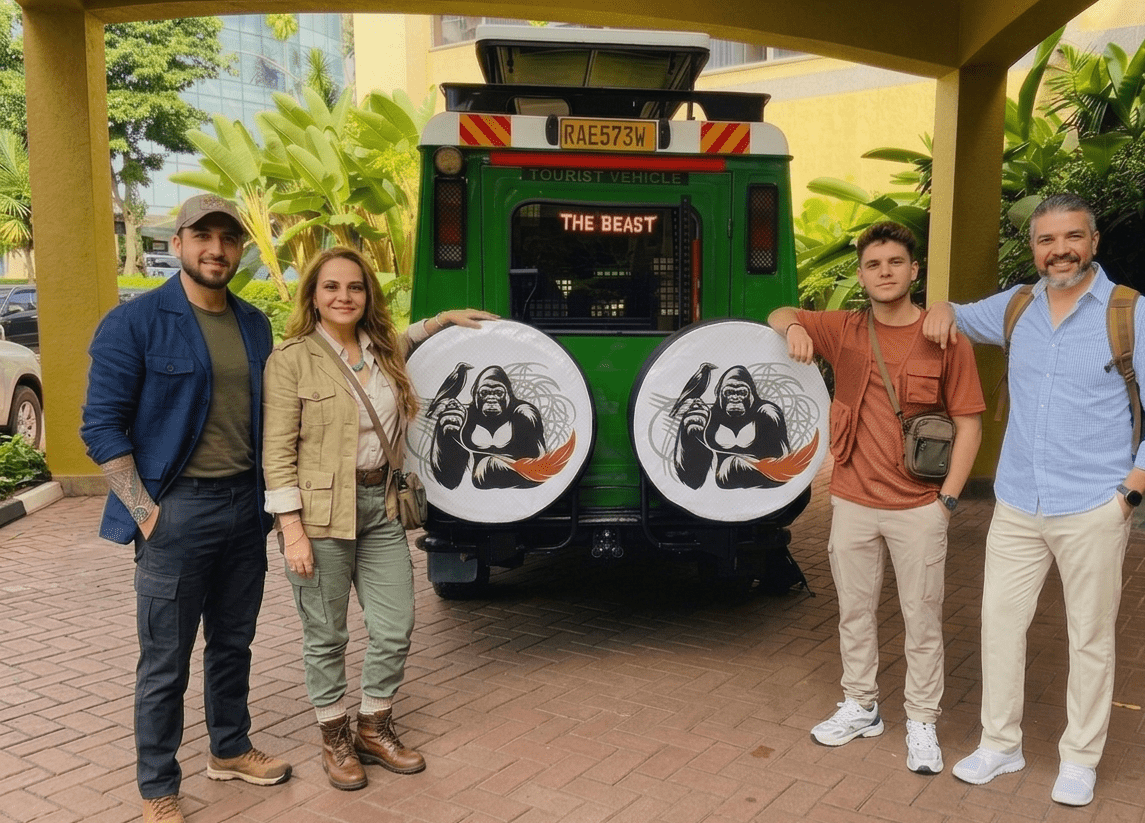
At Feather Trail Safaris, we understand that not every traveler is looking for luxury, but every traveler is looking for value.
We help you design trips that balance cost and experience, ensuring you get the most out of your time in Rwanda without exceeding your budget.
Because the best journeys are not defined by how much you spend, but by how deeply you experience them.
Book With Feather Trail Safaris!